 A Vegbed guide
How Long Do Microgreen Growing Mats Last Before Replacement?
Microgreen mats typically last anywhere from one harvest to 20+ uses depending on material, with hemp and jute mats designed for single crops while silicone mesh can serve hundreds of growing cycles.
How Long Do Microgreen Mats Last?
Microgreen mats last between one harvest and several dozen uses depending on their material. Biodegradable fiber mats like hemp or jute are designed for a single crop cycle, while reusable options like silicone mesh can withstand 20 to 50+ growing cycles before showing wear. The lifespan depends on the mat type, how thoroughly you clean it, and the microgreen varieties you grow.
Whether you prioritize convenience or long-term savings, knowing when to replace your mats keeps your microgreens healthy and your operation efficient.
Single-Use Fiber Mats: Designed for One Harvest
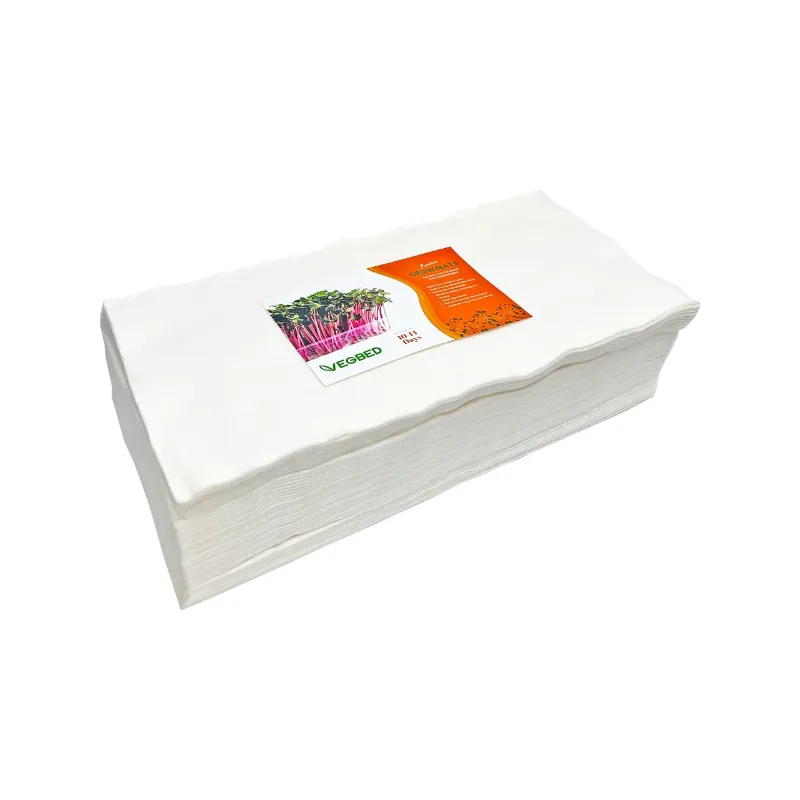
Hemp, jute, and coconut coir microgreen mats break down naturally after a single growing cycle. These biodegradable options provide excellent water retention and root support, but their fibers degrade as roots penetrate and moisture saturates the material.
After harvest, fiber mats typically show:
- Torn sections where roots anchored deeply
- Compressed areas that no longer hold structure
- Mold or mildew spots from extended moisture exposure
- Embedded root systems that cannot be fully removed
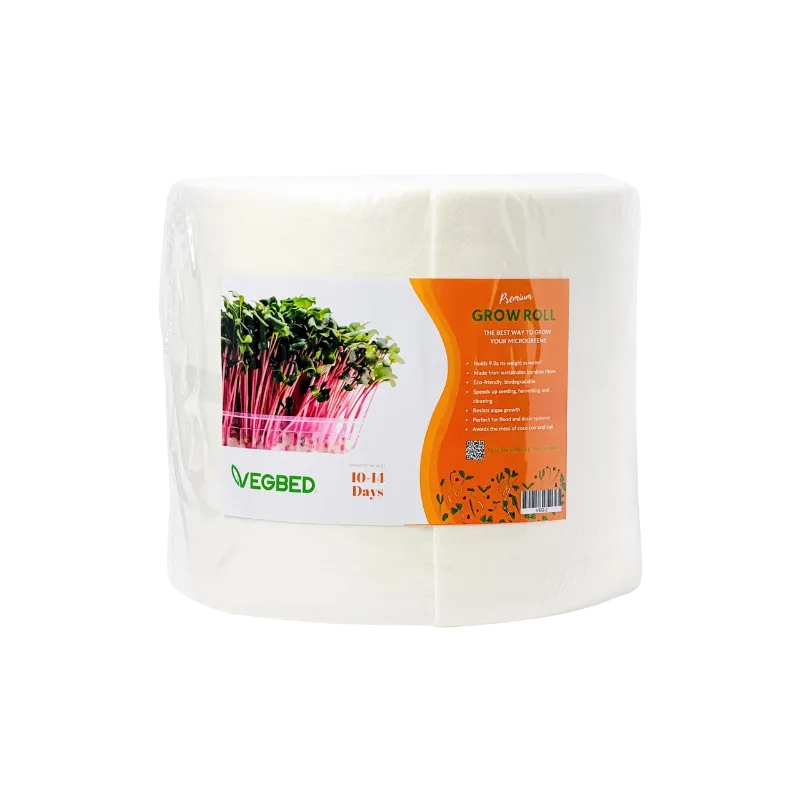
We compost our used hemp mats rather than attempting reuse. The Microgreens Grow Roll format makes it easy to cut fresh sections for each tray, eliminating waste from pre-cut sheets that don’t quite fit. Biodegradable grow mats offer the advantage of zero cleanup, which saves time in high-volume operations.
Single-use mats cost more per harvest but remove the labor of cleaning and sanitizing between crops. For commercial growers or anyone running back-to-back trays, the convenience often justifies the expense. Check the latest price to see if bulk rolls reduce your per-tray cost.
Reusable Silicone Mesh: Months of Growing Cycles
Silicone mesh for microgreens can last 20 to 50+ cycles when cleaned properly after each harvest. These perforated mats allow roots to grow through while providing stable support, and the non-porous silicone resists bacterial buildup better than fabric alternatives.
Lifespan factors for reusable mats include:
- Cleaning method: Hot water and hydrogen peroxide extend life; harsh scrubbing degrades the mesh
- Crop type: Brassicas with aggressive roots stress the material more than delicate varieties like basil
- Storage: Rolled or flat storage prevents permanent creases that weaken mesh integrity
- Tray fit: Mats that move or bunch during watering wear out faster at stress points
We replace silicone mats when we notice persistent odors that cleaning won’t remove, visible tears along the edges, or when water no longer drains evenly. A grow roll format in silicone would offer the same per-section freshness as fiber, but most reusable options come as fitted sheets.
Microgreen grow mats versus soil systems each have trade-offs in longevity and maintenance. Reusable mats demand more labor but eliminate recurring mat purchases after the first few months.
What Shortens Mat Lifespan
Regardless of material, certain practices accelerate replacement timelines. Over-saturation weakens fiber mats and encourages mold on any surface. We’ve found that bottom-watering extends mat life compared to top misting, which keeps the surface perpetually damp.
Common lifespan killers include:
- Skipping sanitation between crops (bacteria accumulate on reusable mats)
- Using bleach or chlorine cleaners (degrades silicone and natural fibers)
- Leaving mats in sealed containers while damp (mold spreads quickly)
- Forcing roots off reusable mats instead of soaking them loose
Temperature also matters. We store unused mats in a cool, dry space rather than in the grow room, where humidity and warmth promote premature breakdown of natural fibers.
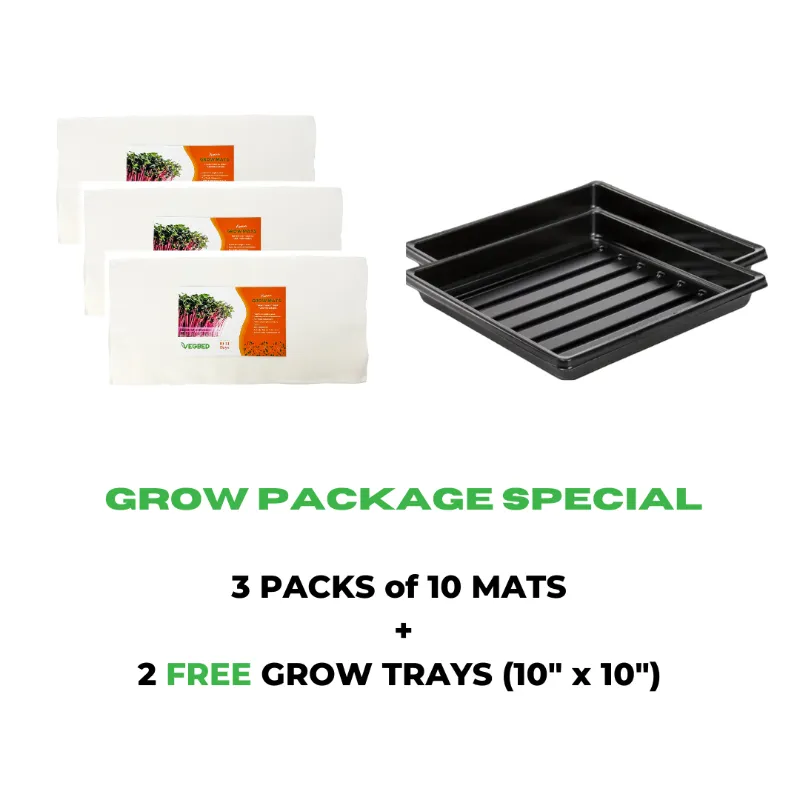
The Microgreen Grow Mat Bundle approach lets you rotate mats through cleaning and drying cycles, so you always have a sanitized mat ready. This rotation prevents the rush-job cleanings that damage reusable options. Grab the code for 10% off bundles if you want to build a rotation system.
DIY Microgreen Grow Mat Alternatives
Some growers extend their mat budget by creating diy microgreen grow mat solutions from burlap, paper towels, or repurposed fabric. These improvised options rarely outlast purpose-made mats because they lack the structural integrity and moisture-wicking balance that commercial products engineer.
Burlap lasted one full cycle but required extensive pre-soaking to remove sizing chemicals that stunted seedling growth.
Commercial natural-fiber microgreen growing media is manufactured to specific density and fiber length standards that DIY materials don’t meet. If budget is a concern, buying a bulk roll and cutting custom sizes offers better value than improvising with household materials.
When to Replace Your Mats
For single-use fiber mats, replacement timing is simple: one harvest, one mat. Reusable mats send clearer signals when their useful life ends.
Replace reusable mats when you observe:
- Persistent contamination: Odors or visible biofilm that survive hydrogen peroxide soaks
- Physical damage: Tears, holes, or thinning areas where roots consistently break through
- Uneven germination: Worn sections that no longer hold moisture uniformly
- Cleaning takes longer: Residue that requires repeated scrubbing indicates surface degradation
We track cycles on a simple tally sheet attached to each mat’s storage bag. After 25 cycles, we inspect closely for the signs above. Most of our silicone mats retire between 30 and 40 uses, though one has exceeded 50 cycles with lighter crops like lettuce and mizuna.
The most economical approach balances your time value against material cost. High-volume growers often prefer the predictability of single-use mats, while hobbyists with 2 to 4 trays appreciate the lower monthly expense of reusable options. Visit the store to compare per-harvest costs across both formats and decide what fits your operation.
Choosing the Right Mat for Your Growing Frequency
Your replacement schedule should align with how often you harvest. If you plant new trays every 3 to 5 days, single-use microgreen mats eliminate the cleaning bottleneck and ensure every crop starts with sterile media. If you run 4 to 8 trays per month, investing in 6 to 8 reusable mats and rotating them through a cleaning cycle keeps costs predictable.
We recommend beginners start with a small pack of fiber mats to learn their system before committing to reusable infrastructure. Once you understand your crop cadence and cleaning workflow, you can calculate whether reusable mats will actually save money in your specific setup.
Both paths work. The key is matching mat longevity to your available time and volume, then replacing promptly when performance drops. Healthy microgreens depend on clean, structurally sound growing surfaces, and no mat lasts forever.
Questions
Can I reuse hemp or jute microgreen mats?
No, hemp and jute mats are designed for single use. Their fibers break down as roots penetrate, and attempting to clean and reuse them risks mold and uneven germination in the next crop.
How do I know when silicone mesh needs replacement?
Replace silicone mesh when you notice persistent odors after cleaning, visible tears or thinning, or uneven water distribution. Most silicone mats last 20 to 50 growing cycles with proper care.
What cleaning method extends reusable mat lifespan?
Soak mats in hot water with hydrogen peroxide to loosen roots, then rinse thoroughly and air dry completely before storage. Avoid bleach, harsh scrubbing, and storing mats while damp.
Are single-use or reusable mats more cost-effective?
Reusable mats cost less per harvest after 10 to 15 cycles, but single-use mats save cleaning time. Your answer depends on growing volume and whether you value convenience or long-term savings.
Do different microgreen varieties affect mat lifespan?
Yes, brassicas like radish and broccoli have aggressive roots that stress mats more than delicate varieties like basil or lettuce. Rotating crop types can extend reusable mat longevity.
Can I cut a grow roll to extend its lifespan?
Grow rolls are designed to be cut into custom lengths for each tray, which actually reduces waste compared to pre-cut sheets. Cut only what you need per harvest to keep unused sections fresh.
Products in this guide
Shopping at Vegbed? See the discount code
10% OFF All Orders
More in this series
What’s the Difference Between Vegbed’s Grow Roll and Traditional Growing Mats?3 Sep 20264 minTroubleshooting Common Issues With Microgreen Grow Rolls3 Sep 20265 minVegbed Microgreen Grow Mat Bundle Review: Is the Bundle Worth It?3 Sep 20264 minDo Vegbed Growing Mats Need Soil or Special Nutrients?3 Sep 20265 minHow to Choose Between Microgreen Mats and Grow Rolls for Your Setup3 Sep 20264 min