 A Tophatters guide
Tophatters Dynamometer Explained: What a Force Gauge Measures
A Tophatters dynamometer measures force in newtons or pound-force, giving you precise readings for tension, compression, and pull strength across dozens of applications.
What Does a Tophatters Dynamometer Measure?
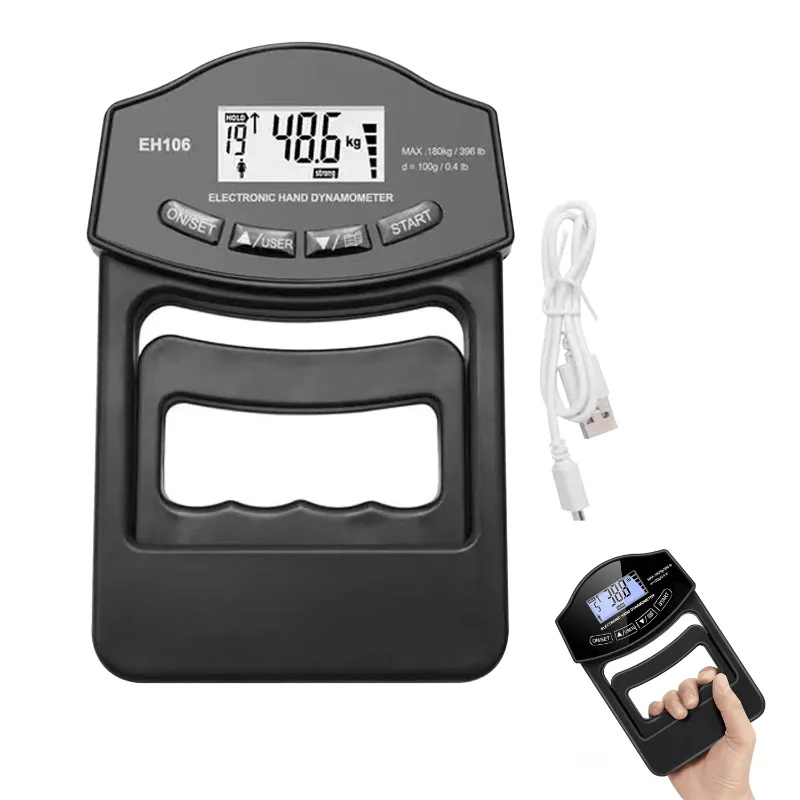
A Tophatters dynamometer measures force, typically in newtons (N) or pound-force (lbf), capturing the amount of push or pull applied to an object. Unlike scales, which measure mass or weight, this force gauge records the mechanical force exerted during tension, compression, or shear testing. Whether you are testing spring tension, grip strength, material elasticity, or product durability, the Tophatters dynamometer gives repeatable, quantifiable data.
Force vs. Weight: Why the Distinction Matters
Force measurement and weight are often confused, but they measure different things. Weight is the gravitational pull on an object’s mass, while force is any push or pull acting on that object. A dynamometer records the latter.
Hang a 10 kg mass on a dynamometer in standard gravity, and the gauge reads approximately 98 newtons, or 22 pound-force. That is the force the mass exerts, not its weight in kilograms. Pull a spring by hand, and the dynamometer measures the force generated, independent of any mass involved.
This distinction is central to:
- Tension testing on cables, ropes, or fasteners
- Compression force on foam, packaging, or cushions
- Pull strength on adhesives, welds, or mechanical joints
- Grip force on tools, handles, or ergonomic products
For current specs, check the Tophatters store page and the current discount code.
Common Units and How to Convert Them
Force gauges display readings in several units, and knowing how to convert between them prevents mistakes.
| Unit | Abbreviation | Conversion |
|---|---|---|
| Newton | N | 1 N = 0.2248 lbf |
| Pound-force | lbf | 1 lbf = 4.448 N |
| Kilogram-force | kgf | 1 kgf = 9.807 N |
| Gram-force | gf | 1 gf = 0.00981 N |
Most digital dynamometers let you toggle units on the fly. If a gauge reads 50 N and you need pound-force, divide by 4.448 to get roughly 11.2 lbf. Analog models typically display a single unit, so conversions have to be done manually.
Newtons tend to be the standard for technical work, and pound-force for consumer product testing, since those align with industry norms in most regions.
Common Applications for a Force Gauge
Force gauges show up in a wide range of scenarios. Here is where they tend to add the most value.
Material and product testing is the most common use case. Quality control teams use force gauges to verify that zippers, snaps, buttons, and seals meet minimum strength thresholds.
Spring and elastic tension measurements are straightforward with a dynamometer. Hook the gauge to one end of the spring, anchor the other, and pull until you reach the desired extension. The peak reading indicates the spring constant and helps match replacement parts.
Grip and hand strength testing is common in physical therapy and sports training. A handheld dynamometer captures the maximum force a person can squeeze, giving therapists and coaches objective progress data.
Adhesive bond testing uses a dynamometer with a peel or shear fixture. Mount the sample, attach the gauge, and pull at a controlled rate. The force at which the bond fails is the adhesive strength.
Dynamometers are also used to measure breakaway torque on threaded fasteners and insertion force for connectors, among other mechanical tests, when paired with the right fixture.
How to Use a Dynamometer for Accurate Readings
Accuracy depends on technique as much as calibration. A standard process for consistent results:
- Zero the gauge before each test with no load attached. Most digital models have a tare button; analog versions need manual adjustment.
- Attach the load using the correct hook, clamp, or fixture. Make sure the connection is secure and aligned with the pulling direction.
- Apply force smoothly at a steady rate. Jerky or rapid pulls can spike the reading and give false peaks.
- Read at peak or hold. Digital gauges usually have a peak-hold function that captures the maximum force; analog gauges require watching the needle and noting the highest point.
- Record and repeat. Take at least three measurements and average them to account for variability.
For tension tests, always pull in line with the gauge’s central axis, since off-axis loads introduce measurement error and can damage the sensor. For compression testing, use a flat platen or adapter plate to distribute the force evenly.
To check the latest price and technical specs, visit the Tophatters store page where the discount code is active.
Choosing the Right Capacity and Resolution
Dynamometers come in a wide range of capacities, from small micro-force gauges up to large industrial models. Picking the right one depends on the application.
Match capacity to the expected load. A gauge with roughly double your expected maximum force gives headroom without sacrificing resolution. Oversizing too much reduces precision, since a high-capacity gauge measuring a small force will show more noise relative to the reading.
Resolution matters for quality control. A coarser resolution is fine for rough testing, but detecting small differences between samples calls for a finer one.
Digital vs. analog is mostly a matter of convenience. Digital gauges offer unit switching, peak hold, data logging, and backlit displays. Analog models are simpler, more rugged, and do not require batteries. Digital tends to suit lab work, and analog tends to suit field use where durability matters more than features.
Calibration and Maintenance Tips
Even a well-made dynamometer drifts over time. Calibration keeps readings accurate.
- Calibrate regularly, annually for general use or more often in a regulated industry, using certified calibration weights traceable to national standards
- Check zero frequently. Confirm the gauge reads zero with no load before each session. Drift in the zero point is the most common source of error.
- Protect the sensor. Never exceed the gauge’s rated capacity, and avoid dropping or shocking the unit, since internal strain gauges are delicate and costly to replace.
- Store properly, in a padded case away from extreme temperatures and humidity.
If a gauge starts giving inconsistent readings or will not zero, send it in for recalibration or repair rather than adjusting it without the right equipment. Most manufacturers offer recalibration services at a fraction of the cost of a new unit.
Keeping a simple calibration log can save time later if a test result seems off and you need to confirm the equipment was working correctly.
For the full range of testing tools and accessories, visit the Tophatters store and apply the current discount code at checkout.
Questions
What is the difference between a dynamometer and a scale?
A dynamometer measures force (push or pull) in newtons or pound-force, while a scale measures mass or weight in kilograms or pounds. Force gauges capture the mechanical force applied, independent of gravitational effects.
Can I use a Tophatters dynamometer for compression testing?
Yes, most dynamometers measure both tension and compression. You'll need a flat platen or adapter plate to distribute the compressive force evenly across the sensor for accurate readings.
How often should I calibrate my force gauge?
Calibrate annually for general use, or more often if you're in a regulated industry or performing precision measurements. Always check the zero reading before each test session to catch drift early.
What capacity dynamometer do I need for testing spring tension?
Choose a capacity roughly twice your expected maximum force. Oversizing by too much reduces measurement precision, so match capacity to your expected range rather than buying the largest gauge available.
Do digital dynamometers require special maintenance?
Digital models need battery replacement and should be stored away from extreme temperatures and humidity. Avoid exceeding the rated capacity and check the zero reading regularly to make sure the sensor hasn't drifted.
Can I convert newton readings to pound-force on any dynamometer?
Most digital dynamometers let you toggle between units on the display. For analog models, convert manually using the factor 1 N equals 0.2248 lbf, or 1 lbf equals 4.448 N.
Products in this guide
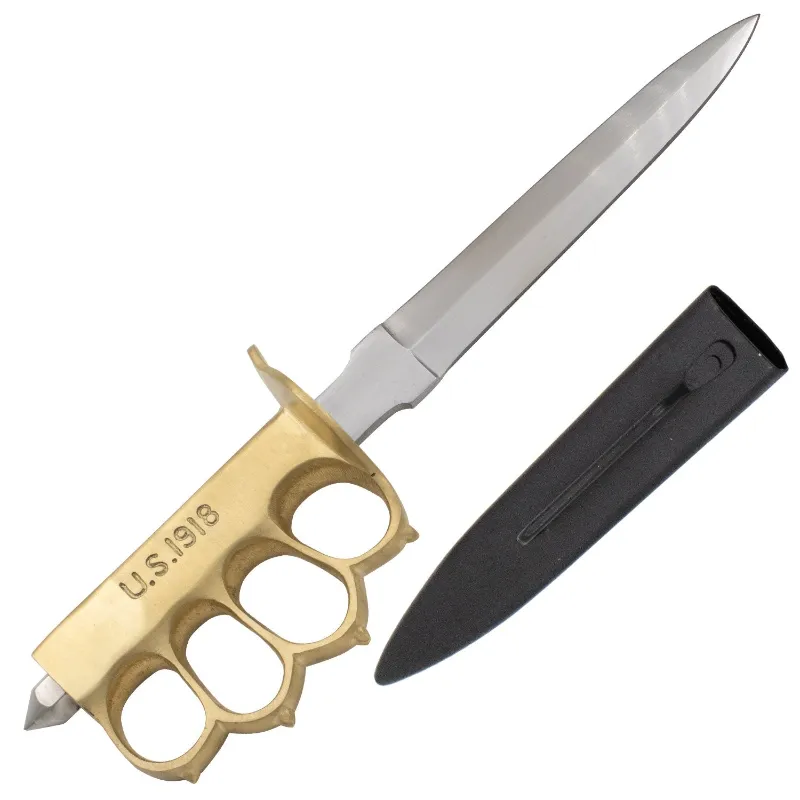 Shopping at Tophatters? See the discount code
15% OFF Sitewide
Shopping at Tophatters? See the discount code
15% OFF Sitewide
More in this series
 The 3/4 Bra Cup: Who It’s For and How to Find Your Fit7 Aug 20266 min
 Mini Air Hockey Table Buying Guide: What to Look for Before You Order7 Aug 20265 min
 Glass Dildo Care Guide: Cleaning, Storage, and Safety Tips7 Aug 20264 min
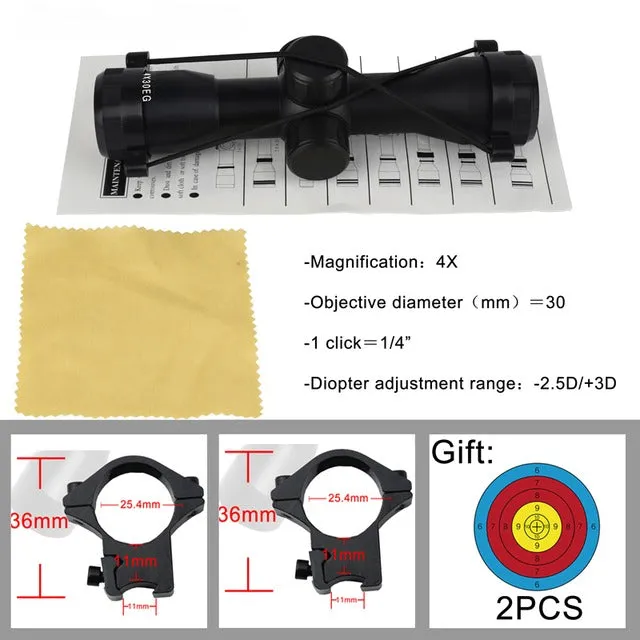 How to Choose the Right Rifle Scope for a 4X30 Setup7 Aug 20265 min
 Talon Grips vs Factory Grips: Which Gives You Better Control on Your Pistol?7 Aug 20265 min