 A Tophatters guide
The 3/4 Bra Cup: Who It’s For and How to Find Your Fit
A 3/4 bra cup offers moderate coverage and lift, making it the go-to choice for everyday comfort and natural shaping.
A 3/4 bra cup delivers moderate coverage that stops just above the nipple line, offering lift and support without the full enclosure of a traditional full-cup style. If you’ve felt squeezed by demi cups or overwhelmed by full coverage, this middle-ground option deserves a closer look.
What Makes a 3/4 Bra Cup Different
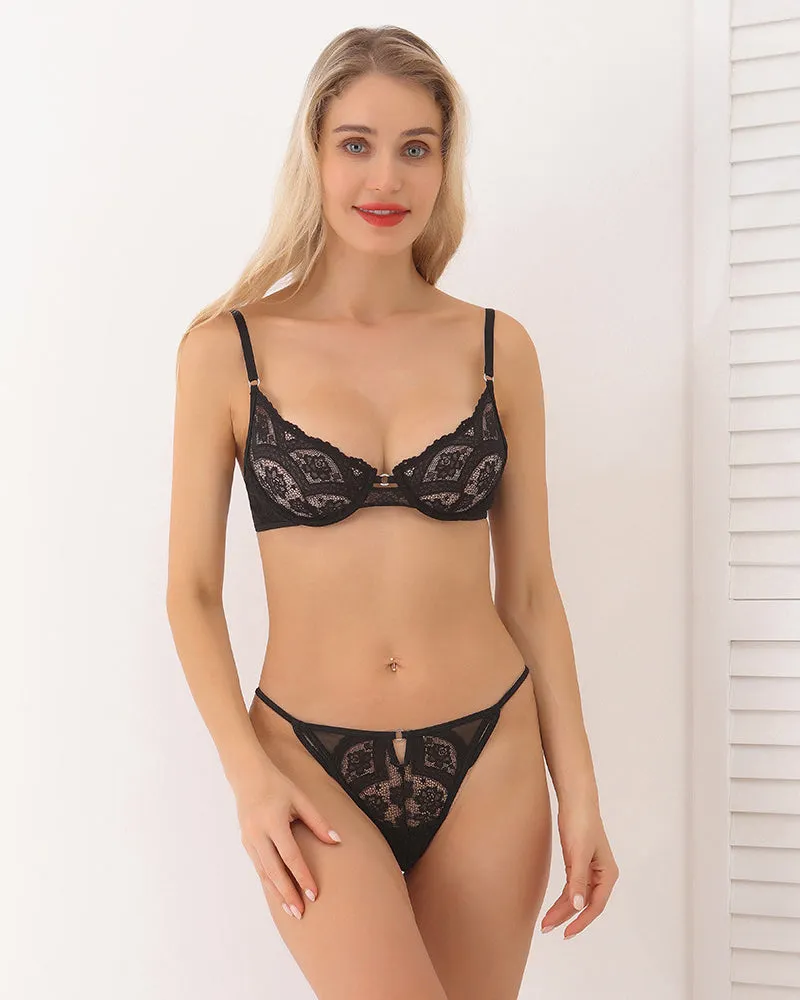
The defining feature is coverage. A 3/4 bra cup typically covers about 75% of the breast, leaving the upper portion exposed while providing structured support from below and the sides. This creates a lifted, rounded silhouette without the minimizing effect of full cups or the push-up drama of balconette styles.
The cup shape pulls slightly inward at the top edge, which helps center breast tissue and prevents spillage during movement. You’ll find this design in molded foam, seamed, and unlined constructions, each offering different levels of shaping and breathability.
Compared to a demi or half-cup that stops mid-breast, the three-quarter style offers noticeably more security. Compared to a full cup that encases everything, it feels lighter and works better under lower necklines. For a deeper dive into how different cup styles affect fit and support, we recommend checking measurements against your current bras.
Who Should Wear a 3/4 Cup Style
This coverage level works especially well if you:
- Need everyday support without bulk: The moderate coverage provides structure for B through D cups without the weight or fabric volume of a full-cup bra.
- Have even or full-on-bottom breast shape: The lower cup projection and inward-angled top edge naturally accommodate tissue that sits lower on the chest wall.
- Want versatility across necklines: Three-quarter cups pair seamlessly with crew necks, V-necks, and scoop necklines without visible cup edges.
- Experience gaping with full cups: If full-coverage styles leave space at the top of the cup, stepping down to a 3/4 design often eliminates that gap.
- Prefer a natural, lifted shape: You get more projection than a minimizer but less aggressive shaping than a push-up or plunge.
We don’t recommend this style if you need maximum containment for high-impact activities or if you’re looking for dramatic cleavage. In those cases, a full cup or plunge style will serve you better.
How 3/4 Cups Compare to Other Coverage Levels
Understanding where the three-quarter cup sits in the coverage spectrum helps you choose the right option for different outfits and occasions.
| Style | Coverage | Best For |
|---|---|---|
| Full cup | 90 to 100% | Maximum support, minimizing, high necklines |
| 3/4 cup | 70 to 80% | Everyday balance, moderate lift, versatile necklines |
| Demi / Balconette | 50 to 60% | Low necklines, cleavage, fuller on top shapes |
The three-quarter option sits firmly in the middle. If you’re shopping Tophatters’ intimates lineup, check the latest pricing and grab our code to save 15% sitewide on your order.
For reference, bra sizing conventions vary by region, but the coverage terminology remains fairly consistent. A three-quarter cup in US sizing translates directly to European and UK markets.
Finding Your Best Fit in a 3/4 Bra Cup
Fit matters more than coverage style. Even the best-designed three-quarter cup will feel uncomfortable if the band or cup size is off. Here’s what we focus on during fit testing:
- Band snugness: The band should sit level around your ribcage on the loosest hook, firm enough that you can slide two fingers underneath but not loose enough to ride up your back.
- Cup fill: Breast tissue should fill the cup completely without spilling over the top edge or leaving gaps. If you see wrinkling in the fabric, try a smaller cup. If tissue bulges, size up.
- Wire placement: The underwire (if present) should sit flat against your ribcage in the inframammary fold, not on breast tissue or floating away from your body.
- Strap tension: Straps provide secondary support, not primary lift. If you’re relying on tight straps to hold everything up, your band is too loose.
- Center gore contact: The center panel between the cups should lie flat against your sternum. If it floats, the cups are too small or the style doesn’t match your breast shape.
We recommend trying a 3/4 bra cup in your current size first, then adjusting based on these fit markers. Most people need to go up or down one cup size when switching between coverage levels, even if their band size stays the same.
For additional guidance on selecting the right cup configuration for your shape, the Busty Resources community maintains detailed fit notes across brands.
Materials and Construction Features
The fabric and engineering behind a three-quarter cup affect comfort and longevity just as much as size. We’ve worn these styles in everything from basic cotton to engineered mesh, and each material brings trade-offs.
Molded foam cups create a smooth, seamless look under fitted clothing. They hold their shape through washing but can feel warm in hot weather. Look for perforations or moisture-wicking liners if breathability is a priority.
Seamed or cut-and-sew cups use multiple fabric panels to build projection and shaping. These styles often provide better support for larger cup sizes and allow more precise fit adjustments, but seam lines may show through thin tops.
Unlined or lightly lined cups offer maximum breathability and a natural shape. They’re ideal for everyday comfort but provide less nipple coverage and shaping than molded options.
Underwire vs. wireless depends on your support needs. Wired three-quarter cups deliver more lift and definition, while wireless versions prioritize comfort for smaller busts or low-impact days.
Before you commit to a specific construction, visit the Tophatters discount page to see which styles are currently discounted.
Caring for Your 3/4 Cup Bras
Proper care extends the life of any bra, but the structured cups and elastic in three-quarter styles need specific handling to maintain their shape and support.
Washing: Hand wash in cool water with a gentle detergent whenever possible. If you must use a machine, fasten all hooks, place the bra in a mesh lingerie bag, and use the delicate cycle with cold water. Never use fabric softener, as it breaks down elastic fibers.
Drying: Air dry only. Lay the bra flat on a towel or hang it by the center gore, never by the straps. Heat from dryers degrades elastic and can warp molded cups.
Storage: Store bras with cups nested inside each other or lying flat, never folded in half. Crushing molded cups permanently deforms them.
Rotation: Avoid wearing the same bra two days in a row. Elastic needs 24 hours to fully recover its shape between wears. We recommend owning at least three everyday bras and rotating through them.
With proper care, a quality three-quarter cup bra should maintain its support for 6 to 12 months of regular wear. If you notice the band stretching out before then, you may need to move to a tighter hook or replace the bra.
Where to Buy and What to Look For
When shopping for a 3/4 cup style, prioritize brands that offer a wide size range and detailed fit notes. Generic sizing charts rarely account for the shape differences that make or break comfort in a three-quarter cup.
Look for retailers that allow easy returns or exchanges, since fit can vary significantly between brands even when you order the same size. If you’re buying from Tophatters, their current 15% sitewide discount applies to intimates as well, so grab the code before checking out.
We also recommend ordering two sizes if you’re between measurements or switching brands. The cost of a second bra is usually less than return shipping, and you’ll know immediately which size works better. Most people find their best fit after trying two or three options, so treat the process as an investment in long-term comfort rather than a one-and-done purchase.
Questions
What's the difference between a 3/4 cup and a full cup bra?
A 3/4 cup covers about 75% of the breast and stops just above the nipple line, while a full cup encloses 90% or more of the breast tissue. The three-quarter style offers less coverage but works better with lower necklines and feels lighter for everyday wear.
Can I wear a 3/4 bra cup if I have a larger bust?
Yes, if the bra is properly engineered with supportive construction like seamed cups and a firm band. However, full-cup styles typically provide better containment and weight distribution for DD+ cup sizes, especially during high-movement activities.
How do I know if a 3/4 cup fits correctly?
The cup should fully contain your breast tissue without spillage or gaping, the band should sit level and snug on the loosest hook, and the center gore should lie flat against your sternum. If any of these fit markers are off, adjust your size before wearing the bra regularly.
Will a three-quarter cup work under a V-neck top?
Yes, three-quarter cups are one of the most versatile options for V-necks. The moderate coverage prevents the cup edge from showing while still providing lift and support, making them ideal for crew necks, V-necks, and scoop necklines.
How often should I replace a 3/4 bra cup?
Most three-quarter cup bras last 6 to 12 months with proper care and rotation. Replace yours when the band no longer feels snug on the tightest hook, the cups lose their shape, or the elastic in the straps or band becomes visibly stretched.
Do I need a different size in a 3/4 cup than my regular bra?
Possibly. Many people need to adjust cup size when switching between coverage levels, even if the band size stays the same. Try your usual size first, then size up or down in the cup based on how the tissue fills the three-quarter style.
Products in this guide
Shopping at Tophatters? See the discount code
15% OFF Sitewide
More in this series
 Tophatters Dynamometer Explained: What a Force Gauge Measures7 Aug 20265 min
 Mini Air Hockey Table Buying Guide: What to Look for Before You Order7 Aug 20265 min
 Glass Dildo Care Guide: Cleaning, Storage, and Safety Tips7 Aug 20264 min
 How to Choose the Right Rifle Scope for a 4X30 Setup7 Aug 20265 min
 Talon Grips vs Factory Grips: Which Gives You Better Control on Your Pistol?7 Aug 20265 min