 A Bringnox guide
Top Down Bottom Up Window Shades: Complete Buyer’s Guide for Privacy and Light Control
Top down bottom up window shades let you adjust from the top or bottom for unmatched privacy and natural light control in any room.
What Are Top Down Bottom Up Window Shades and Why Choose Them?
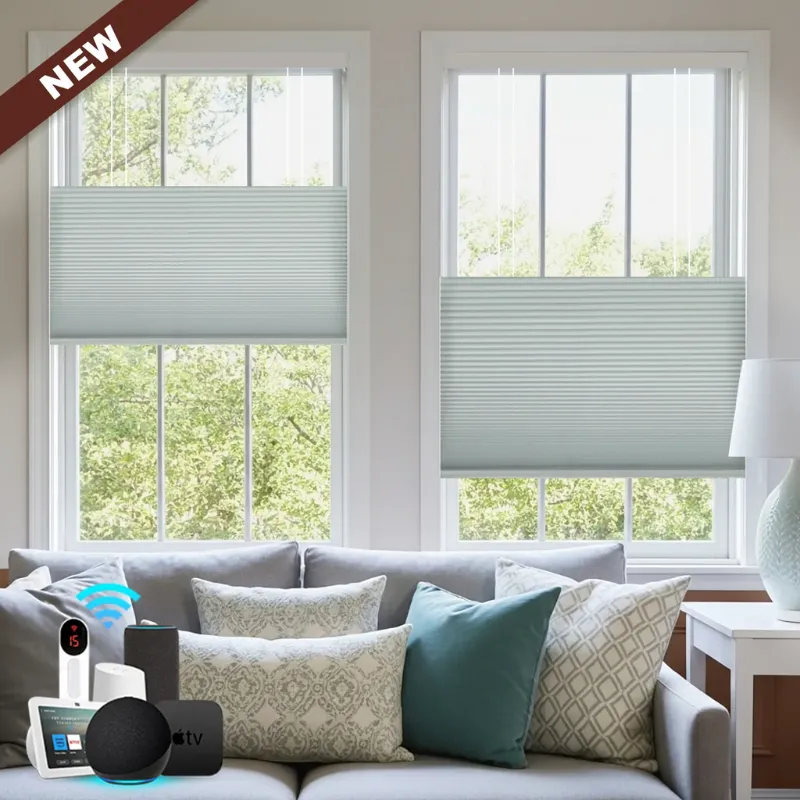
Top down bottom up window shades offer dual-direction adjustability, letting you lower the shade from the top or raise it from the bottom independently. This design solves the common dilemma of wanting natural light without sacrificing privacy, making them ideal for street-level rooms, bathrooms, and bedrooms. Unlike traditional shades that only lift from the bottom, top down bottom up window shades give you complete control over which part of your window stays covered. You can keep the lower half closed for privacy while opening the top to let sunlight in, or reverse the configuration depending on the time of day and sun angle.
The dual-cord or cordless lift system makes these shades more versatile than standard roller or cellular options.
Best Styles for Privacy and Light Control
Top Down Bottom Up Roller Shades
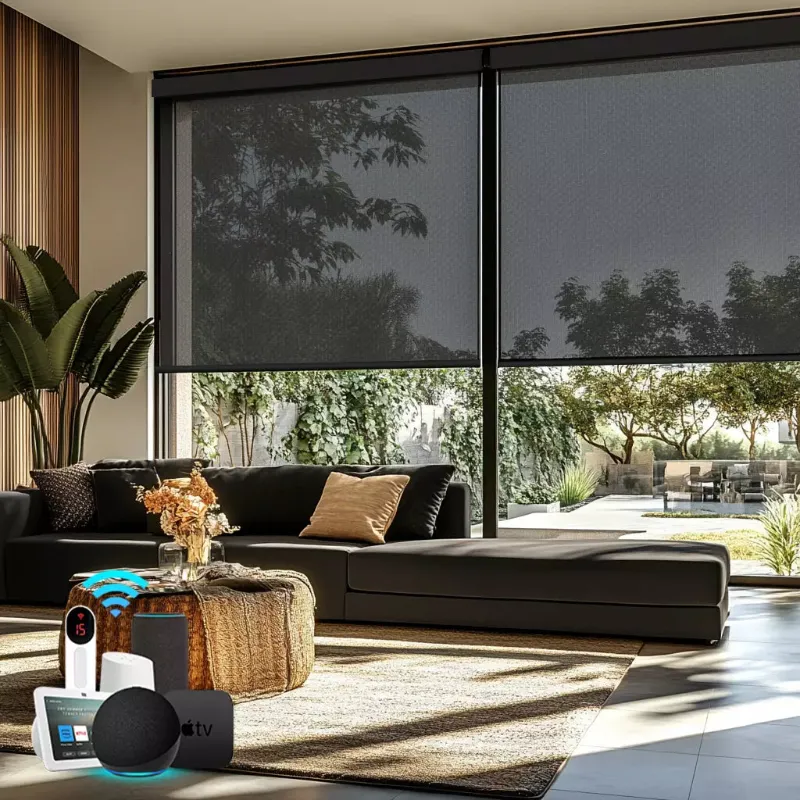
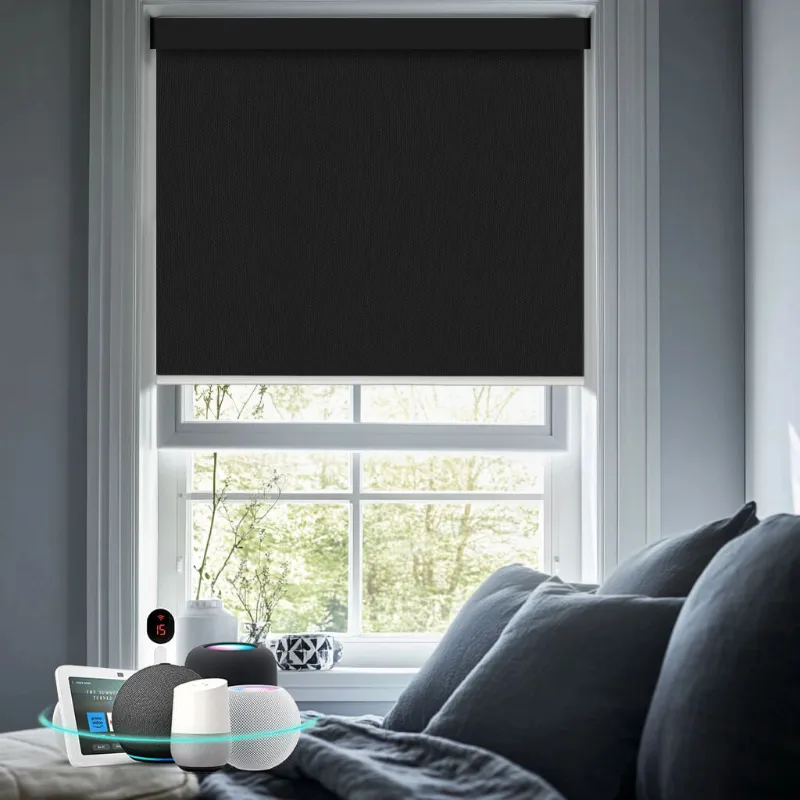
Roller shades with dual functionality remain the most popular choice for modern homes. Light filtering roller shades in a top down bottom up configuration let you diffuse harsh sunlight from above while blocking direct views from below. The clean lines suit minimalist interiors, and the single-layer fabric keeps the profile slim. If you need complete darkness, pair a vinyl roller shade in blackout fabric with the dual-lift mechanism for bedrooms or media rooms.
Top Down Bottom Up Roman Shades
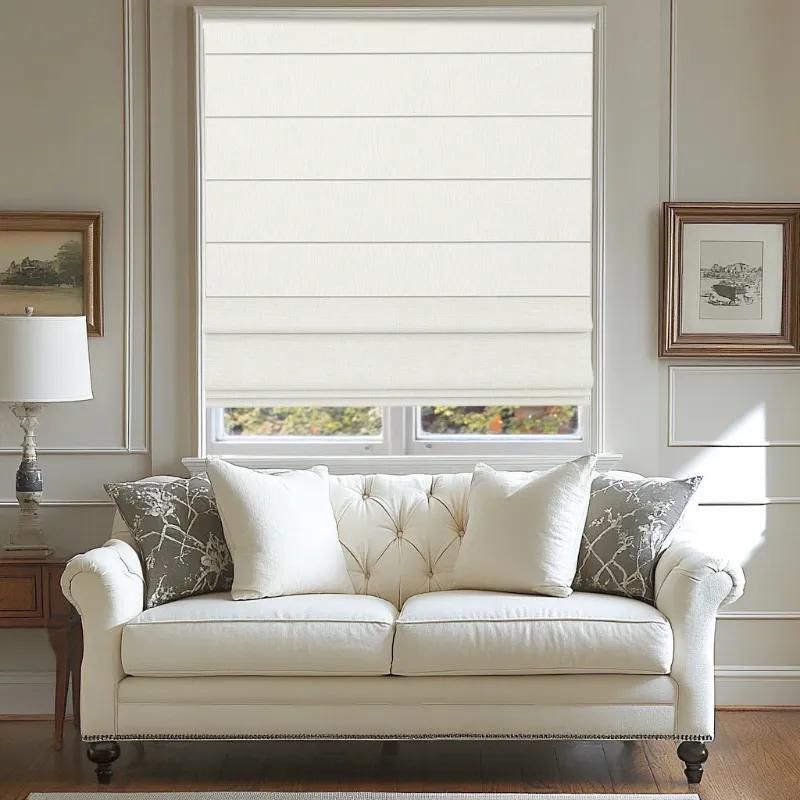
For a softer, layered look, motorized roman shades with dual-direction controls add texture and elegance. The fabric folds neatly as you adjust either end, and the cordless motorized option eliminates dangling cords entirely. Roman shades work especially well in living rooms and dining areas where you want the functionality of top down bottom up window treatments without the utilitarian appearance of a roller.
Cellular and Honeycomb Options
Cellular shades trap air in their honeycomb pockets, adding insulation while maintaining light control. Top down bottom up cellular shades deliver energy efficiency alongside privacy, making them a smart choice for large windows or climates with extreme temperatures. The dual-lift feature means you can still control light and views even with the added insulation layer.
Comparing Manual vs. Motorized Top Down Bottom Up Shades
| Feature | Manual | Motorized |
|---|---|---|
| Control method | Dual cords or cordless lift | Remote, app, or voice assistant |
| Installation ease | Standard brackets, no wiring | Requires power source or battery |
| Price range | Lower upfront cost | Premium pricing |
| Best for | Budget-conscious, small windows | Large windows, hard-to-reach spots, smart homes |
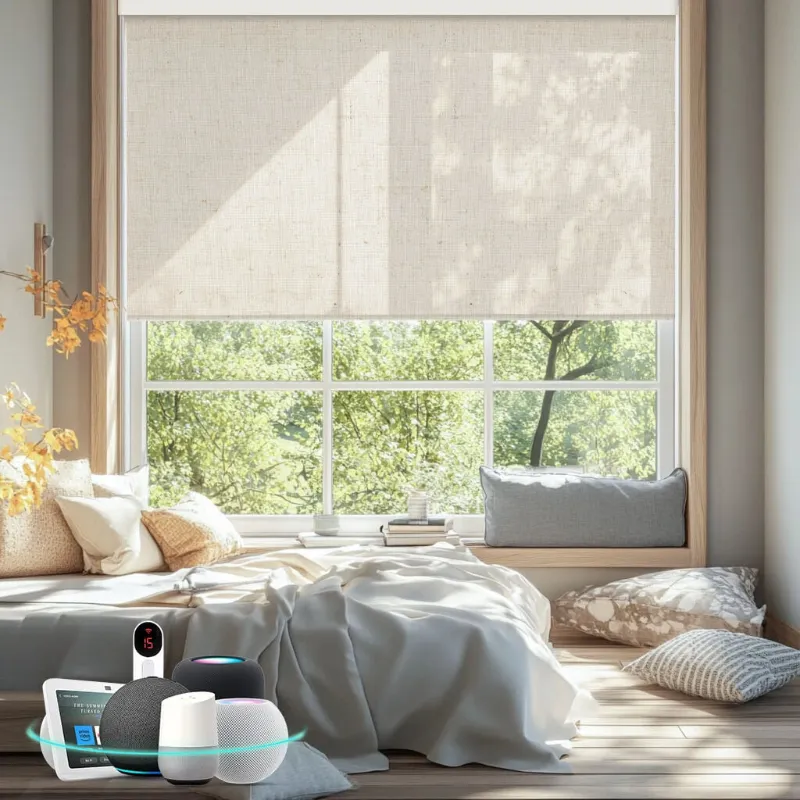
Manual systems work well for most residential applications, but motorized shades shine when you have tall windows, multiple shades to synchronize, or mobility concerns. Motorized top down bottom up window shades let you preset favorite positions and schedule adjustments throughout the day. If you’re considering automation, grab the code to save on motorized options that integrate with Alexa or Google Home.
For rooms with several windows, motorized blinds controlled from a single remote create a cohesive look and eliminate the hassle of adjusting each shade individually. We’ve found that homeowners who invest in motorization rarely go back to manual cords.
Materials and Light Filtering Options
Your fabric choice determines how much light passes through and how much privacy you maintain:
- Light filtering fabrics soften daylight while obscuring details from outside, ideal for living areas where you want brightness without glare.
- Blackout materials block nearly all light, perfect for bedrooms or nurseries where sleep quality matters.
- Sheer and semi-sheer weaves preserve views while reducing sun intensity, suited to upper-floor windows with less privacy risk.
- Natural fibers like linen or cotton blends add warmth and texture, though they may not block light as completely as synthetic blackout fabrics.
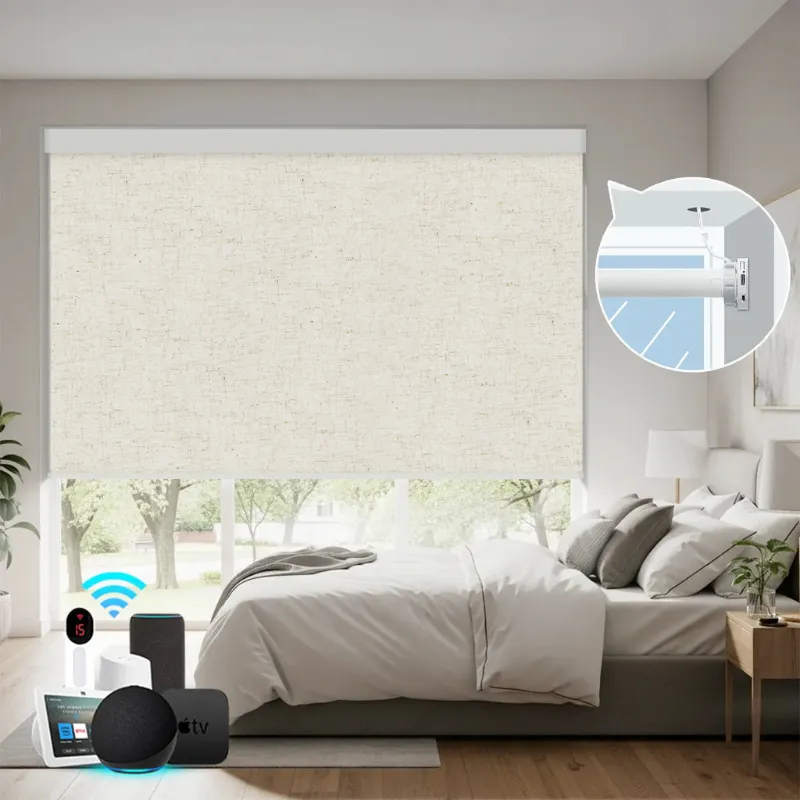
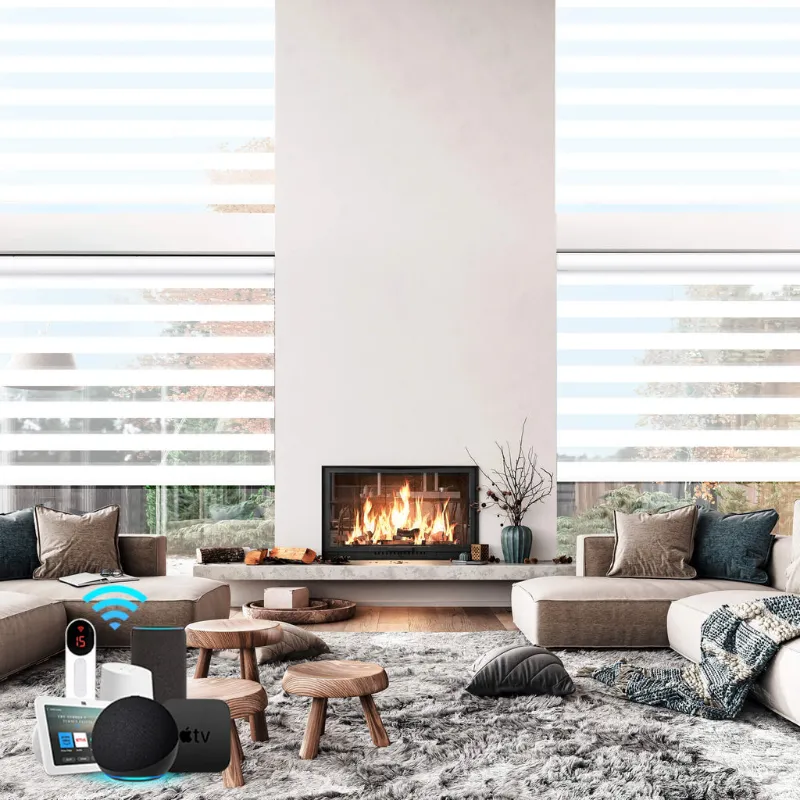
If you need room-darkening performance in a modern aesthetic, electric blackout blinds combine total light blockage with the convenience of motorization. For layered light control, consider pairing zebra blinds with a top down bottom up mechanism so you can alternate between sheer and opaque stripes at different window heights.
Measuring and Installation Tips
Accurate measurements prevent gaps and ensure smooth operation:
- Inside mount fits the shade within the window frame for a sleek look. Measure the exact width and height at three points and use the smallest dimension.
- Outside mount covers the frame and wall around the window, adding privacy and light blockage. Add 2 to 4 inches to each side and top.
- Depth check ensures your window recess has enough room for the mounting brackets and shade mechanism (typically 2 to 3 inches).
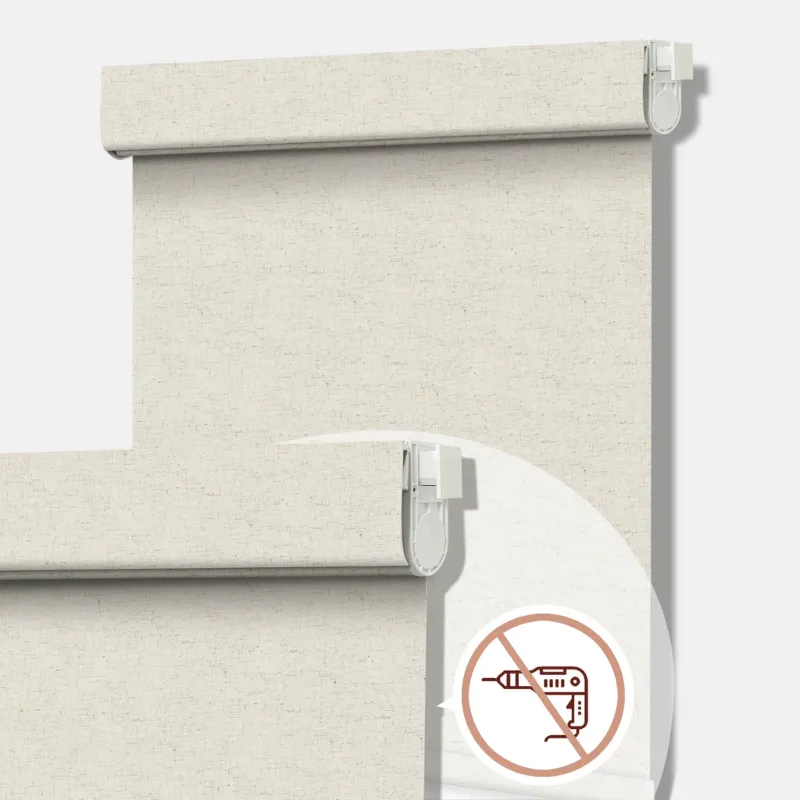
No drill blinds offer an alternative if you’re renting or prefer to avoid wall damage, though they work best with lighter fabrics and smaller windows. For permanent installations, standard brackets provide the most stability, especially for wider shades or heavier materials like wood blinds.
Check the manufacturer’s instructions for clearance requirements. Top down bottom up systems need slightly more depth than single-direction shades because of the dual-lift hardware.
Who Should Choose Top Down Bottom Up Shades?
These shades suit specific living situations and priorities:
- Ground-floor and street-facing windows where pedestrians or neighbors can see in during the day but you still want natural light near the ceiling.
- Bathrooms and bedrooms where privacy is non-negotiable but you don’t want to rely entirely on artificial lighting.
- Home offices where you need to reduce screen glare from overhead sun without darkening the entire room.
- Tall or architectural windows where you want to highlight the window shape while controlling light at different heights throughout the day.
If you frequently adjust your shades to follow the sun’s path, the flexibility of best top down bottom up shades pays off quickly. For homes with standard privacy needs and windows away from direct sightlines, traditional bottom-up-only shades may be simpler and less expensive.
Care and Maintenance for Long-Term Performance
Keep your shades operating smoothly with routine care:
- Dust regularly with a microfiber cloth or vacuum brush attachment to prevent buildup in the folds and pleats.
- Spot clean light filtering and blackout fabrics with a damp cloth and mild detergent; avoid soaking, which can damage the internal mechanisms.
- Lubricate lift cords annually if you have a corded manual system; silicone spray on the tracks keeps movement smooth.
- Check motorized batteries every six months and replace as needed to avoid mid-operation failures.
For fabrics that yellow or fade over time, check the latest price on replacement shades rather than attempting DIY dye fixes, which rarely match the original color.
Cordless and motorized systems require less day-to-day handling, which reduces wear on the fabric and lifting mechanism. If you notice uneven lifting or the shade won’t stay in position, inspect the brackets and internal springs before calling for professional repair.
Making the Final Decision
Top down bottom up window shades deliver unmatched flexibility when you need to balance privacy, light, and views. Whether you choose light filtering roller shades for a clean modern look, motorized roman shades for elegant automation, or cellular options for energy efficiency, the dual-direction control adapts to your daily routine better than any single-lift design.
Focus on your room’s specific challenges: street visibility, sun angle, and how often you adjust your shades throughout the day. For the widest selection and current offers, visit the Bringnox discount code page to save on the exact styles and features that match your needs.
Questions
How do top down bottom up shades work?
They use a dual-lift system with two sets of cords or a cordless mechanism that lets you move the top rail down or the bottom rail up independently. This gives you control over which part of the window stays covered.
Can I add motorization to existing top down bottom up window shades?
Retrofitting manual shades with motors is rarely cost-effective because the lift mechanism differs. It's usually better to replace the entire shade with a motorized model designed for dual-direction control.
What's the best fabric for street-level windows?
Light filtering or semi-opaque fabrics work well because they obscure details from outside while still letting daylight in from above. For bathrooms or bedrooms, blackout material on the bottom half with light filtering on top gives you maximum flexibility.
Are top down bottom up roller shades hard to install?
Installation difficulty is similar to standard roller shades. The main difference is ensuring you have enough depth in the window frame for the dual-lift hardware, which typically needs 2 to 3 inches of clearance.
Do motorized roman shades come with a warranty?
Most manufacturers offer a limited warranty covering the motor and lift mechanism for one to five years. Check the specific product details and keep your receipt, as warranty terms vary by brand and retailer.
Can I use these shades on very wide windows?
Yes, but shades wider than 72 inches may require additional support brackets or a split configuration to prevent sagging. Motorized options handle wider spans more reliably than manual cords because the motor distributes lifting force evenly.
Products in this guide
 Shopping at Bringnox? See the discount code
10% OFF Sitewide
Shopping at Bringnox? See the discount code
10% OFF Sitewide
More in this series
Troubleshooting Common Issues with Electric Blackout Blinds and Curtains25 Aug 20266 minHow Long Do Wood Blinds Last in High Humidity Rooms?25 Aug 20264 minDo Zebra Blinds Block Enough Light for Bedrooms?25 Aug 20265 minMotorized Blinds vs Motorized Shades: Which Smart Window Covering Is Right for You?25 Aug 20265 minHow to Install No Drill Blinds Without Damaging Your Window Frame25 Aug 20264 min