 A Bringnox guide
Motorized Blinds vs Motorized Shades: Which Smart Window Covering Is Right for You?
Motorized blinds and motorized shades automate your window treatments, but they work differently and suit different needs.
What’s the Difference Between Motorized Blinds and Motorized Shades?
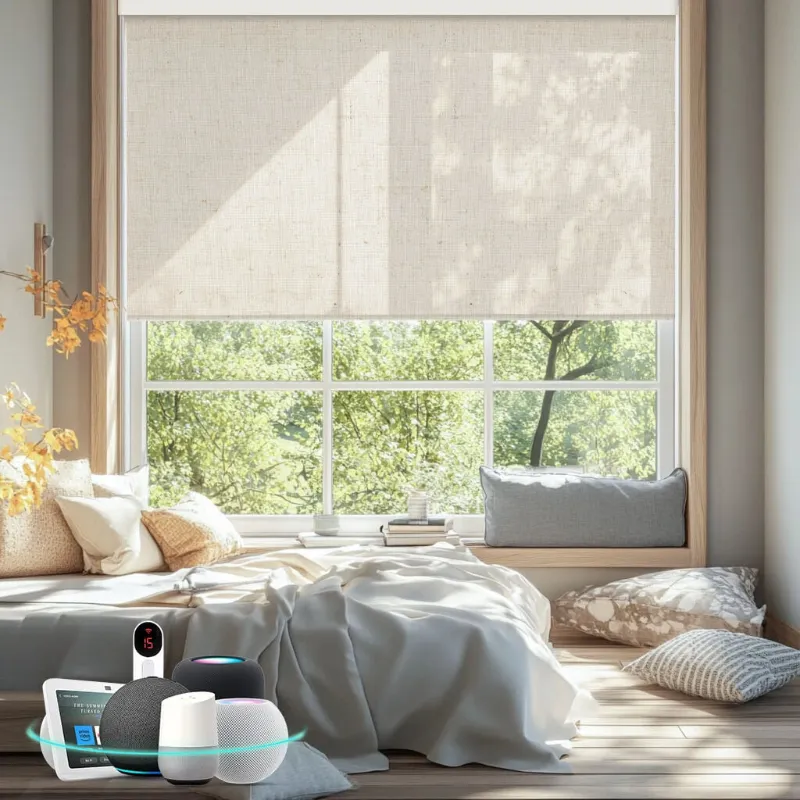
Motorized blinds use slats (horizontal or vertical) that tilt to control light, while motorized shades are made from a single piece of fabric that rolls or folds up and down. Both options let you control your windows with a remote, app, or voice assistant, but the choice comes down to how much light precision you need, your room’s style, and whether you want adjustable slats or clean fabric panels.
Here’s how they compare.
How Motorized Blinds Work and When to Choose Them
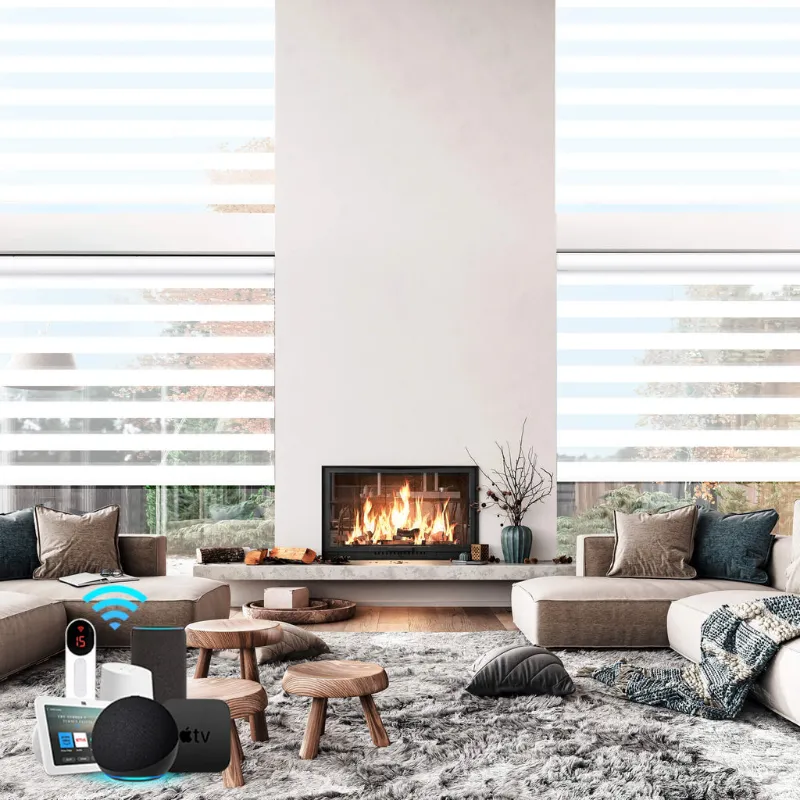
Motorized blinds feature individual slats that tilt open or closed, giving you precise control over light direction and privacy without raising or lowering the entire covering. When you want a view but need to block glare, you tilt the slats. When you need full privacy, you close them completely.
The slat design works especially well in these situations:
- Living rooms and home offices where you adjust light throughout the day
- Large windows where manual tilting would be awkward or repetitive
- Spaces where airflow matters, since you can angle slats to let breeze through while maintaining privacy
- Traditional or transitional interiors that benefit from the structured look of horizontal slats
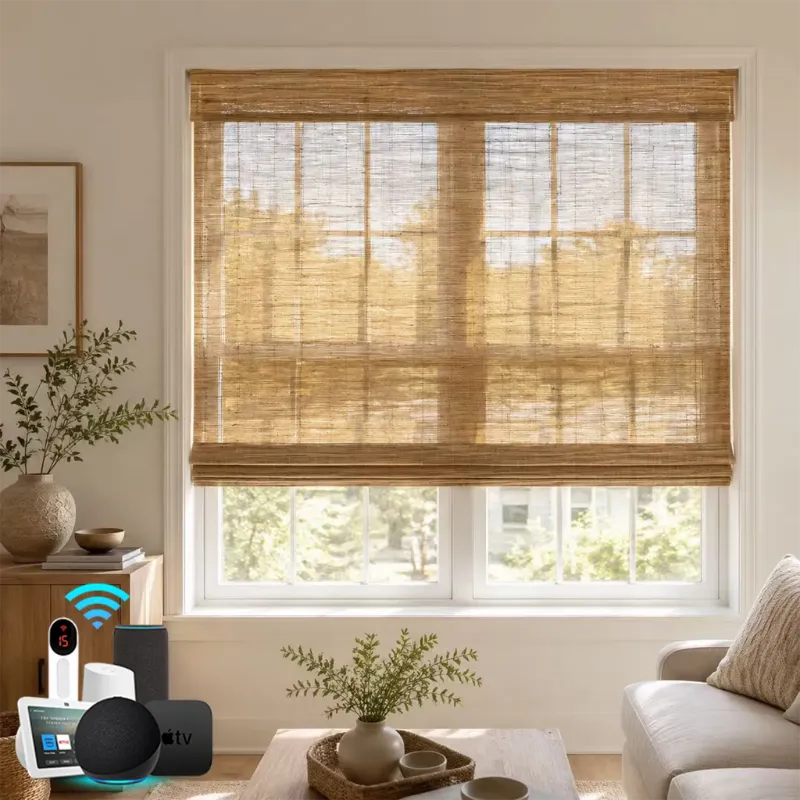
Wood blinds add warmth and texture, while electric blackout blinds block nearly all light when closed, making them ideal for bedrooms or media rooms. If you have a patio or pergola, motorized outdoor blinds stand up to weather while giving you shade control for outdoor living areas.
You’ll typically control these with a remote, smartphone app, or integration with Alexa, Google Assistant, or HomeKit. Many models let you schedule open and close times, which helps with energy efficiency and security when you’re away.
How Motorized Shades Work and When to Choose Them
Motorized shades raise and lower a single piece of fabric, offering a sleek, minimalist look without visible slats. They come in different opacity levels, from sheer to blackout, and the fabric either rolls up into a cassette or folds in pleats.
Shades excel in these scenarios:
- Bedrooms needing blackout coverage where you want total darkness for sleep
- Minimalist or modern interiors that benefit from clean lines and uninterrupted fabric panels
- Bathrooms and kitchens where moisture or grease makes slats harder to clean
- Child-safe rooms, since cordless motorized options eliminate strangulation hazards
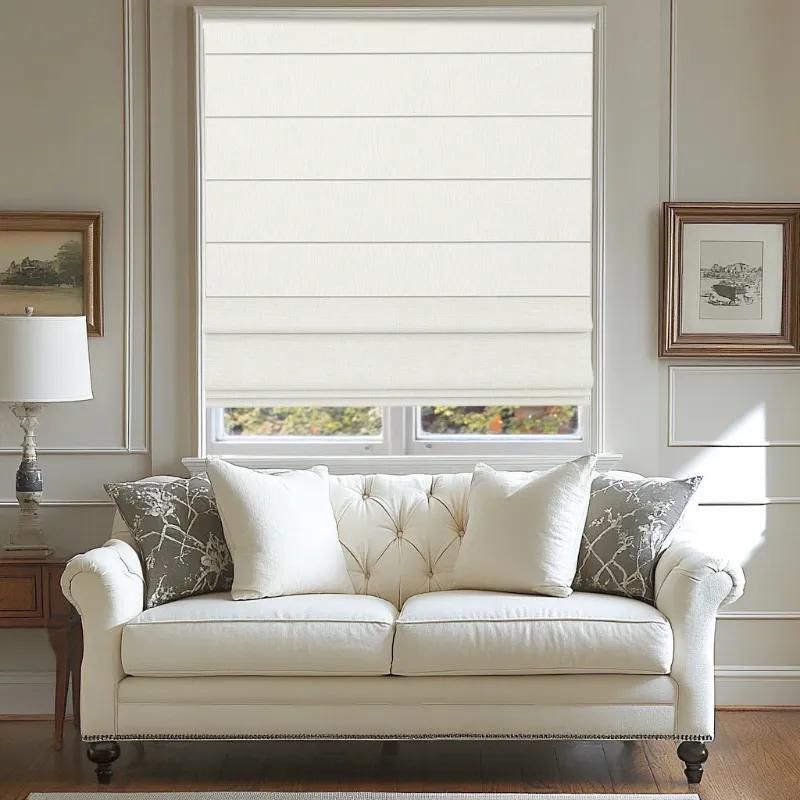
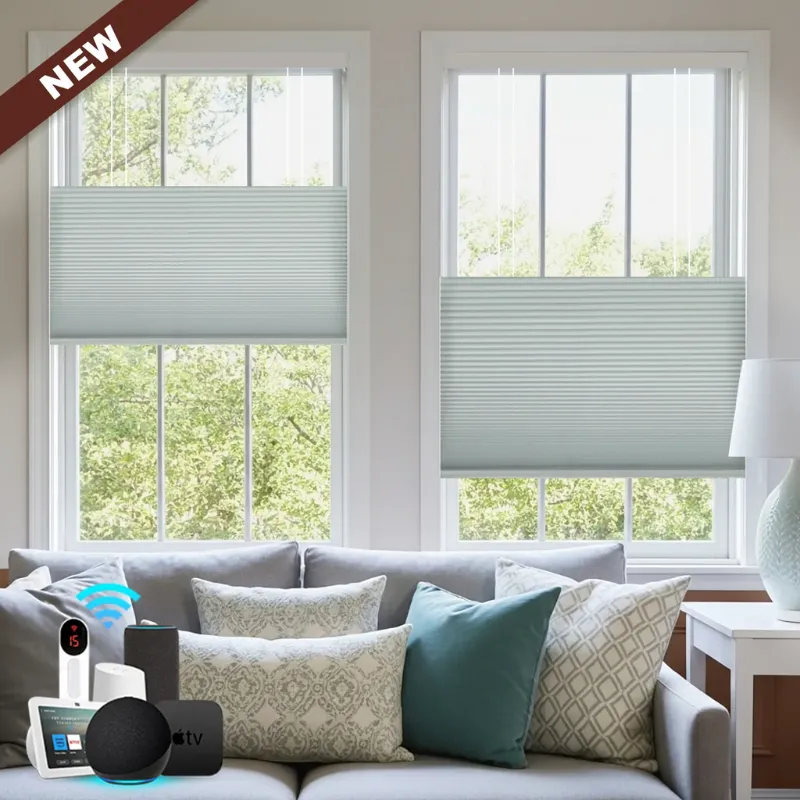
Motorized roman shades fold into soft horizontal pleats for a classic, elegant look, while light filtering roller shades soften daylight without blocking it completely. For rooms where you want flexibility, top down bottom up window shades let you lower from the top for privacy while keeping natural light flowing in from above.
Shades generally offer simpler operation than blinds since they only move up or down, with no tilting mechanism. That can mean fewer moving parts and easier maintenance over time.
Comparing Light Control, Privacy, and Installation
Here’s how the two options stack up across the features that matter most:
| Feature | Motorized Blinds | Motorized Shades |
|---|---|---|
| Light precision | Tilt slats for exact control | Choose opacity level at purchase |
| Privacy flexibility | Adjust slats without losing view | Fully up or fully down (except cellular) |
| Cleaning | Dust each slat individually | Wipe or vacuum single fabric surface |
| Installation complexity | Brackets + motor housing | Simpler brackets, lighter weight |
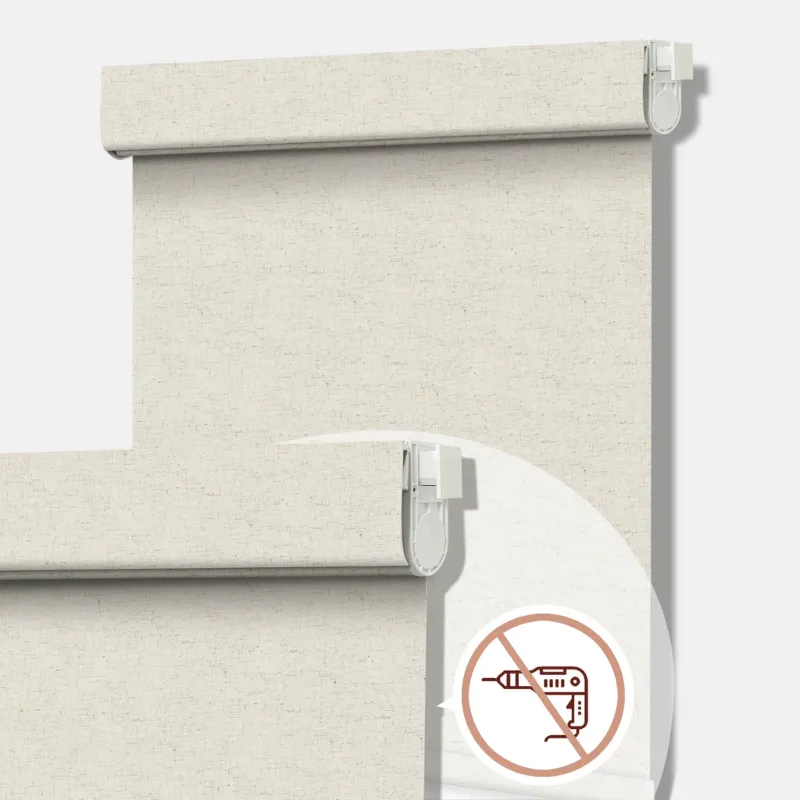
Both options are available as no drill blinds, which mount inside the window frame with clips or tension rods instead of permanent screws. This makes them ideal for renters or anyone who wants to avoid drilling into trim or drywall.
For motorized blinds with remote control, you’ll usually need to charge or replace batteries every few months, though some plug-in models eliminate that step. Check the latest pricing and installation specs to compare what each option requires in your space.
Smart Home Integration and Remote Access
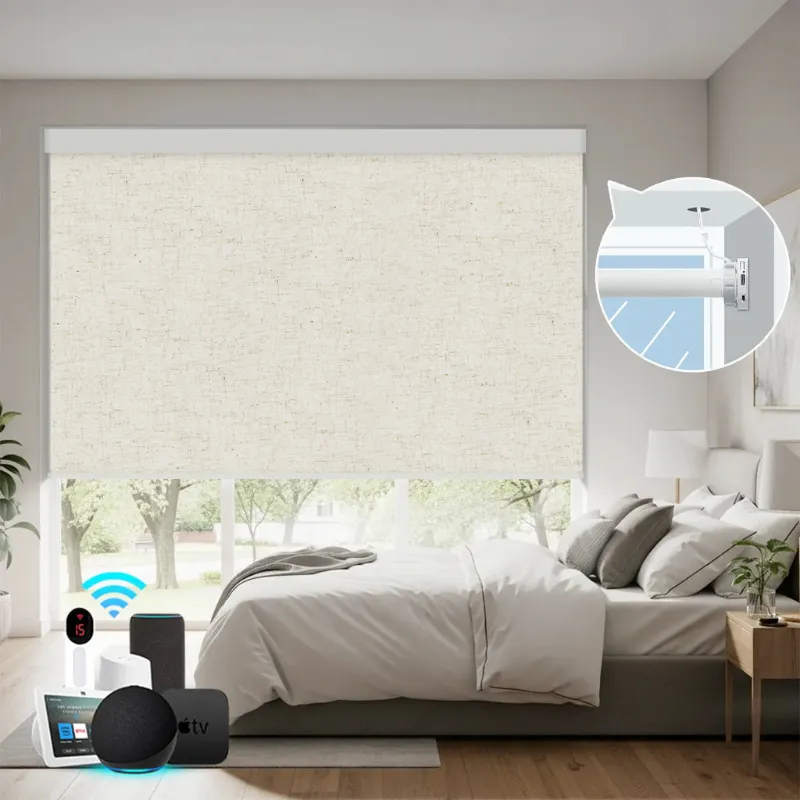
Most motorized window coverings now connect to smart home ecosystems, but the level of integration varies by brand and model. App-based controls let you create schedules, group multiple windows into scenes, and adjust settings from anywhere.
Common smart features include:
- Voice control through Alexa, Google Assistant, or Siri
- Scheduling to open at sunrise or close at sunset
- Geofencing that adjusts coverings when you leave or arrive home
- Integration with smart thermostats to reduce heating and cooling costs
Blinds and shades handle automation equally well, so your choice here depends more on your preferred control method. If you already use a specific smart home platform, verify compatibility before purchasing.
For large windows or hard-to-reach installations, motorized options eliminate the need for extension wands or cords, making daily operation effortless. Motorized blinds for large windows can synchronize multiple panels to open and close together, creating a seamless look across wide expanses of glass.
Materials, Durability, and Where Each Type Shines
The materials you choose affect both longevity and performance. Blinds come in wood, faux wood, aluminum, and vinyl, each suited to different environments. Wood looks rich but can warp in humid bathrooms, while faux wood and aluminum hold up better in moisture-prone areas.
Shades offer fabric, vinyl, and woven materials. Vinyl roller shade options resist moisture and are easy to wipe clean, making them practical for kitchens and bathrooms. Fabric shades in polyester or linen blends soften interiors and come in thousands of colors and patterns.
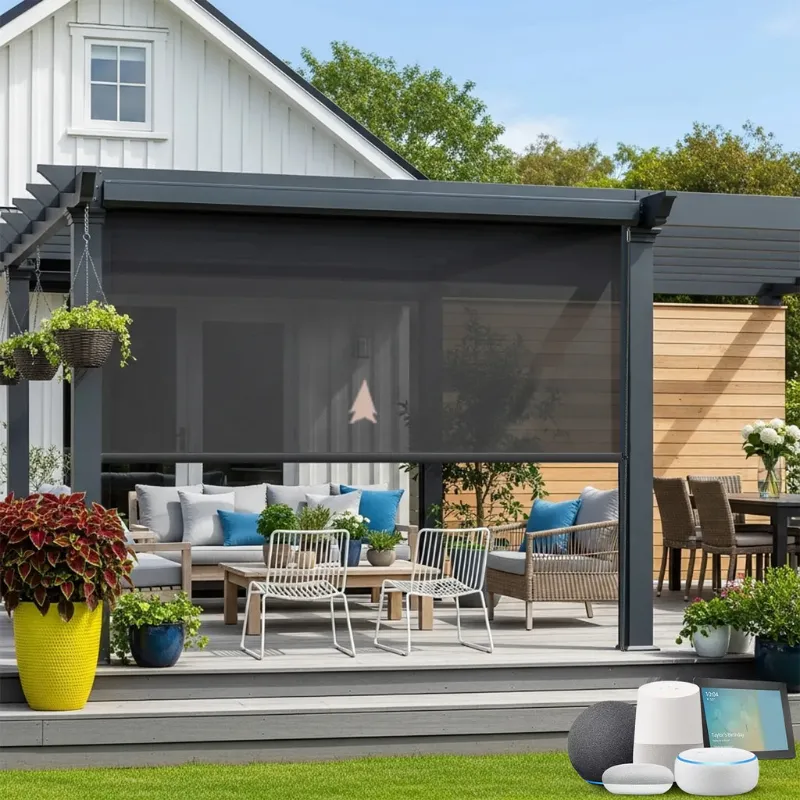
For outdoor applications, motorized outdoor blinds use weather-resistant materials like PVC-coated polyester that withstand rain, UV exposure, and temperature swings. Indoors, electric blackout curtains layer over existing window treatments to add motorized control and light blocking without replacing what you already have.
Both blinds and shades last five to ten years with proper care, though blinds require more frequent dusting due to their slatted construction. Shades generally need less maintenance but may show wear or fading sooner if placed in direct, intense sunlight.
Which Option Fits Your Home Best?
Choose motorized blinds if you want granular light control, prefer the look of slats, or need to adjust privacy and view independently. They work especially well in living spaces, offices, and anywhere you change light direction throughout the day. Zebra blinds offer a hybrid approach with alternating sheer and solid fabric stripes that align or offset to control light without traditional slats.
Choose motorized shades if you prioritize a streamlined look, want easier cleaning, or need blackout coverage for sleep. They’re ideal for bedrooms, modern interiors, and rooms where you want a single, uninterrupted fabric panel.
Both options support smart home integration, remote control, and scheduling, so your decision ultimately comes down to aesthetics, light control preferences, and how much maintenance you’re willing to handle. Grab the current discount code to save on either option and compare installation requirements for your specific windows.
We recommend measuring your windows carefully and considering whether inside-mount or outside-mount installation works better for your frames. Many brands, including those reviewed by Wirecutter and sold through retailers like Costco, offer free samples so you can see materials and opacity levels in your own lighting before committing to a full order.
Questions
Can motorized blinds work without Wi-Fi?
Yes, most motorized blinds include a physical remote that works without Wi-Fi or internet. Smart features like app control, voice commands, and scheduling require a Wi-Fi connection, but basic operation remains functional offline.
Do motorized shades use a lot of electricity?
No, motorized shades use very little power. Battery-powered models typically last three to six months per charge, while plug-in versions draw minimal electricity, similar to a small LED bulb.
Which is quieter, motorized blinds or shades?
Motorized shades tend to be quieter because they have fewer moving parts. Blinds produce a slight hum from the motor and a soft clicking sound as slats adjust, while shades usually operate almost silently.
Can I install motorized window coverings myself?
Yes, most motorized blinds and shades are designed for DIY installation with basic tools. No drill options mount with clips or tension brackets, while traditional mounts require a drill and level.
Are motorized blinds safe for homes with kids and pets?
Yes, cordless motorized blinds and shades eliminate the strangulation hazard of traditional pull cords, making them one of the safest window covering options for children and pets.
How long do motorized blinds last compared to manual ones?
Quality motorized blinds last five to ten years, similar to manual versions. The motor itself is typically the most durable component, though batteries or charging ports may need maintenance over time.
Products in this guide
 Shopping at Bringnox? See the discount code
10% OFF Sitewide
Shopping at Bringnox? See the discount code
10% OFF Sitewide
More in this series
Troubleshooting Common Issues with Electric Blackout Blinds and Curtains25 Aug 20266 minTop Down Bottom Up Window Shades: Complete Buyer’s Guide for Privacy and Light Control25 Aug 20265 min How Long Do Wood Blinds Last in High Humidity Rooms?25 Aug 20264 minDo Zebra Blinds Block Enough Light for Bedrooms?25 Aug 20265 minHow to Install No Drill Blinds Without Damaging Your Window Frame25 Aug 20264 min