 A iHomeBlinds guide
Top Down Bottom Up Shades: Why They’re Worth the Investment for Privacy and Light Control
Top down bottom up shades give you independent control over light and privacy from both ends of the window, making them the most flexible window covering option available.
Why Top Down Bottom Up Shades Deliver Superior Light and Privacy Control
Top down bottom up shades give you independent control over light and privacy from both ends of the window, making them the most flexible window covering option available. Unlike traditional blinds or standard roman shades that only lower from the top, these dual-operation shades let you pull down from above or up from below, or use both simultaneously. This flexibility makes them ideal for bedrooms, bathrooms, kitchens, and any space where you need to balance natural light with sightline privacy.
The investment in top down bottom up shades pays off through years of daily use. You’re buying precision control that adapts to your needs throughout the day and across seasons. Whether you want morning light while keeping neighbors from peering in, or full coverage for afternoon naps, these shades work exactly as you direct them.
What Are Top Down Bottom Up Shades and How Do They Work
Top down bottom up shades feature two separate lift systems built into a single shade. The top rail lowers the shade downward, while the bottom rail raises it upward. Both operate independently, so you can position the shade anywhere along the window’s height. You might lower the top half to block afternoon glare while raising the bottom half to maintain a view and let light flood your lower workspace. Or close them completely by meeting both halves in the middle for total privacy and blackout coverage.
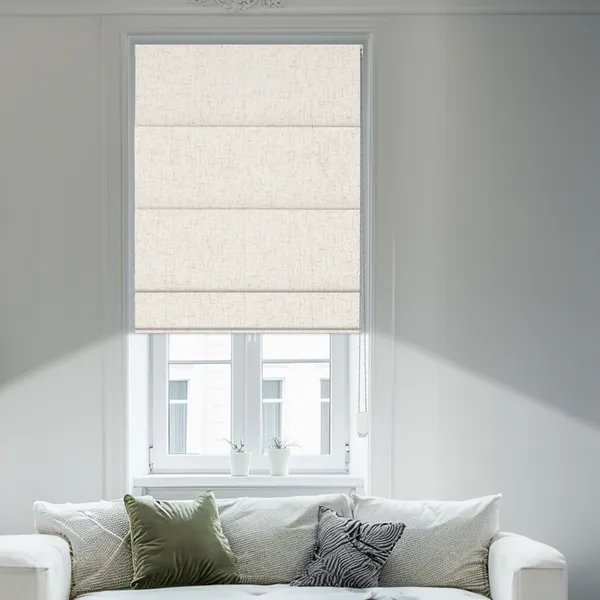
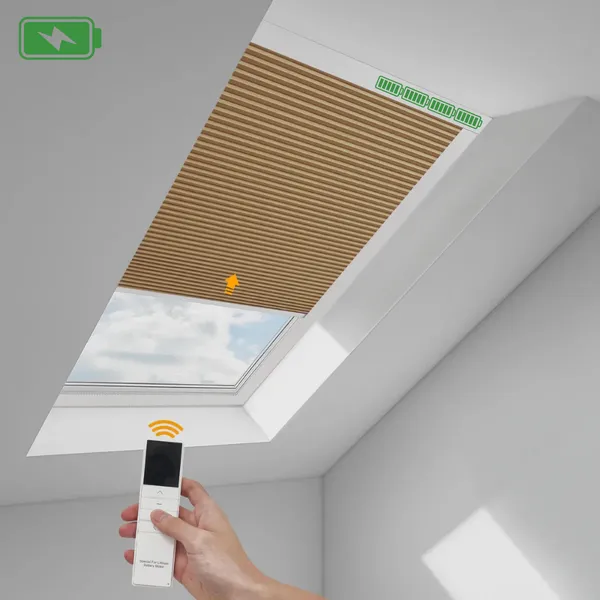
This dual control mechanism works across multiple shade styles. Cordless top down bottom up shades eliminate dangling cords for safety and clean aesthetics. Top down bottom up roman shades add a tailored, formal look with soft fabric folds. Cordless cellular shades combine cellular insulation with dual operation for energy efficiency. Even motorized versions exist, letting you adjust your shades with a remote or smartphone app, which is especially convenient for high windows or hard-to-reach skylights.
The mechanism also makes these shades practical for top down bottom up shades for bathrooms, where you need privacy from outside view while controlling moisture and maintaining ventilation. You can crack the top down while raising the bottom up to let humidity escape without compromising your privacy.
Material and Style Options for Every Room
Your choice of material shapes both the look and function of your top down bottom up shades. Here’s how the main options compare:
| Material | Best For | Light Control | Privacy Level |
|---|---|---|---|
| Cellular | Energy efficiency, insulation | Moderate to blackout | High with cellular density |
| Roman | Formal, tailored aesthetics | Depends on fabric weight | Moderate to high |
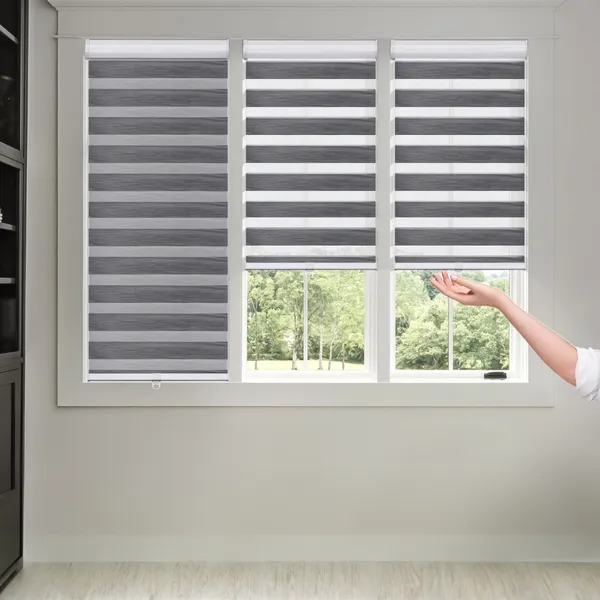
| Zebra | Contemporary style, soft light | Filtered (dual-layer stripes) | Moderate (adjustable) |
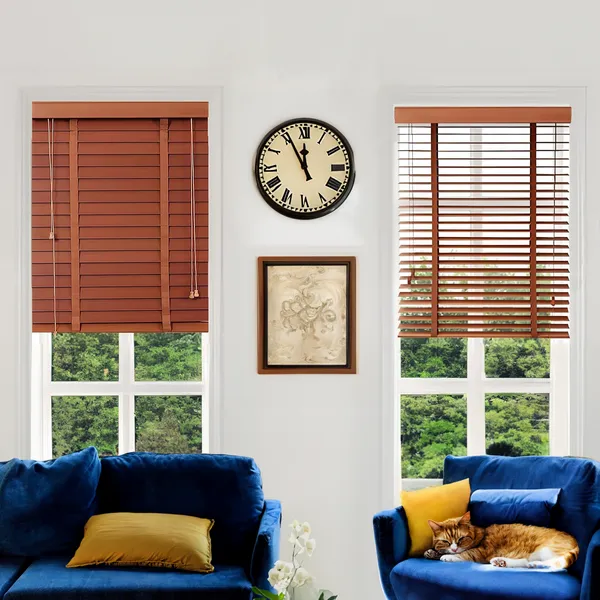
| Faux Wood | Moisture-prone areas | Variable with slat angle | Moderate (slat gaps) |
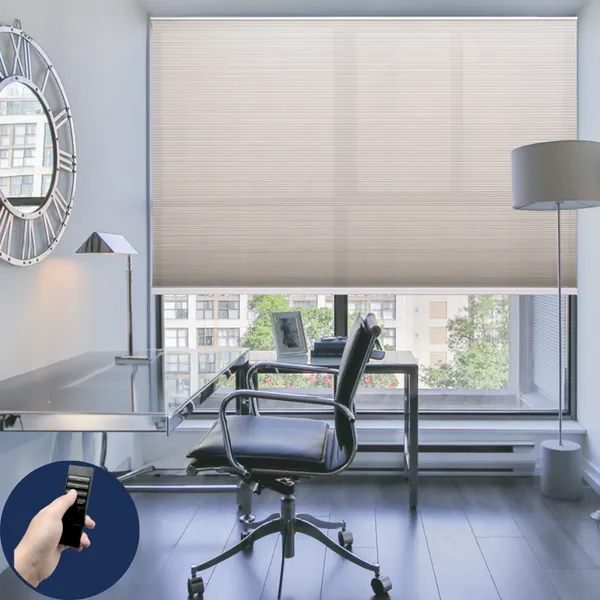
Blackout roman shades use opaque fabrics that block light almost entirely, perfect for bedrooms and media rooms. Cellular blinds trap air in honeycomb pockets, providing insulation that reduces heating and cooling costs while maintaining your chosen light level. Zebra blind styles alternate solid and sheer fabric stripes, letting you rotate the shade to filter light or go transparent for visibility.
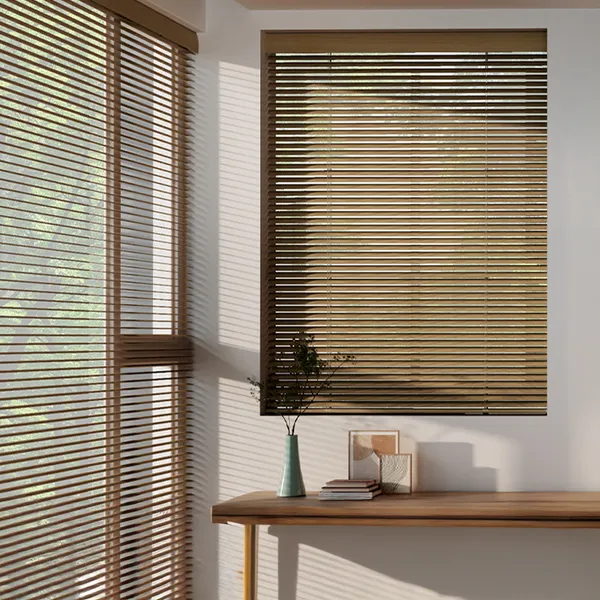
For spaces prone to moisture, 1 inch faux wood blinds resist humidity better than fabric and clean easily. Wooden venetian blinds offer traditional charm but work best in drier rooms. Skylight shades are engineered specifically for angled skylights and roof windows where standard top down bottom up shades won’t fit or operate smoothly.
If you want the formal fold pattern of traditional window treatments, roman shades with dual operation combine elegance with function. For sleeker, more minimal aesthetics, dual roller shades provide a contemporary profile while maintaining independent top and bottom control.
Motorized Top Down Bottom Up Shades for Convenience
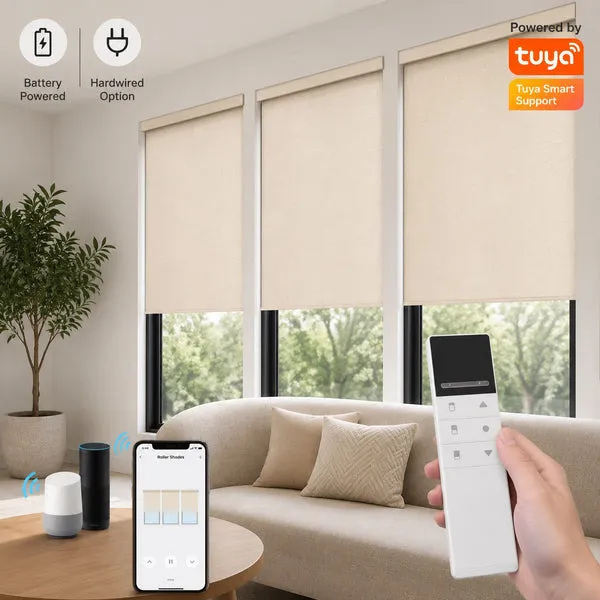
Top down bottom up shades motorized take convenience and accessibility to another level. Remote controlled blinds let you adjust your shades without leaving your bed, couch, or desk. Motorized versions work particularly well for high windows, large expanses of glass, and spaces where manual operation is awkward or unsafe.
Motorized shades integrate with smart home systems, so you can schedule them to lower at sunset, raise at dawn, or adjust based on room temperature. For skylight shades and other hard-to-reach installations, motorization transforms maintenance from a frustration into a seamless daily experience.
The upfront cost of motorization is higher, but if you’re investing in premium shades anyway, automation often justifies itself through ease of use and the polished feel it brings to your home. Many motorized models let you program custom scenes, like “movie mode” that closes your blackout roman shades completely, or “morning mode” that opens your bedroom shades gradually to a set height.
Comparing Top Down Bottom Up Shades to Other Window Coverings
Top down bottom up shades aren’t the only way to control light and privacy, but they’re uniquely flexible. Here’s how they stack up:
- Standard blinds or shades: Only operate from the top down. You get less privacy control and can’t capture light from below without exposing your full window line to passersby.
- Double-hung window treatments: Require two separate products (valance plus shade), adding bulk and expense. Top down bottom up shades do both jobs with one product.
- Shutters: Offer excellent light control but cost significantly more and are permanent. Shades are removable and adjustable.
- Thermal or blackout curtains: Block light and insulate but lack precision. You’re either fully closed or fully open; there’s no middle ground.
- Sheer curtains alone: Provide drapey aesthetics but minimal privacy and no light blocking without layering additional products.
Top down bottom up shades give you all the flexibility of layered treatments (sheer plus blackout) in one product, with cleaner sightlines and easier daily adjustment.
Sizing and Installation Tips for Top Down Bottom Up Shades
Accurate measurements matter for top down bottom up shades more than standard products because both lift systems need precise fit. Measure your window width at three points (top, middle, bottom) and use the narrowest measurement to account for out-of-square frames. For height, measure from the very top of your window opening to the very bottom, then decide if you want shades that sit inside the frame (inside mount) or extend slightly beyond it (outside mount).
Inside mounts look cleaner and maximize light and privacy, but only work if your window frame is deep enough to accommodate the shade’s brackets and mechanisms. Outside mounts are more forgiving and let your shades cover wall area around the window, increasing light blocking and privacy coverage.
Installation typically requires a drill and screwdriver. Most top down bottom up shades ship with all hardware and step-by-step guides. If you’re not comfortable drilling, most window treatment retailers offer professional installation services for an added fee.
When Top Down Bottom Up Shades Make the Most Sense
Top down bottom up shades are the right choice if you’re managing competing needs in the same room or window. Office spaces benefit from raising the bottom to keep a view while lowering the top to reduce screen glare. Bedrooms gain the flexibility to wake naturally with dawn light while keeping early-morning privacy. Bathrooms can vent humidity while staying private. Kitchens let in task lighting from below while blocking harsh noon sun from above.
They’re also worth the investment if you have top down bottom up shades motorized in mind. Automation turns the dual-operation advantage into a daily convenience that standard shades can’t match. And if you’re furnishing a whole home, the per-shade cost becomes more reasonable across multiple windows.
Visit iHomeBlinds to explore the full range of styles, materials, and motorization options. Grab the code to get 10% off all orders and make your window treatment investment even stronger.
Maintenance and Durability
Top down bottom up shades are built to last if you care for them properly. Dust cellular and roller shades monthly with a soft brush or vacuum attachment to prevent buildup that can jam the lift mechanisms. For fabric shades, spot-clean stains with mild soap and water, then air dry completely before raising or lowering.
The dual lift systems are the most wear-prone parts because both operate regularly. Quality shades from established makers like iHomeBlinds use durable cord and robust lift springs. Cordless mechanisms tend to outlast corded ones because there’s less friction over time. If a lift system does fail years down the line, many manufacturers offer replacement components at a fraction of the cost of new shades.
Store-bought top down bottom up shades from reputable retailers come with warranties that cover mechanical defects. Check the latest price and review the warranty terms before ordering, a longer coverage period often signals confidence in durability and reflects true value for your investment.
Questions
What's the difference between top down bottom up shades and regular shades?
Top down bottom up shades operate from both the top and bottom of the window independently, letting you control light and privacy from either direction. Regular shades only lower from the top, giving you less flexibility for balancing view, light, and privacy.
Can I get cordless top down bottom up shades?
Yes. Cordless versions eliminate dangling cords, which is safer for homes with kids or pets and looks cleaner. They use spring mechanisms or wand controls instead of pull cords.
Are motorized top down bottom up shades worth the extra cost?
If you value convenience and have high or hard-to-reach windows, motorization is worth it. You get remote or app control, scheduling, and smart-home integration, especially useful for skylight shades or large windows.
Which top down bottom up shades work best for bathrooms?
Cordless cellular shades or faux wood blinds are ideal for bathrooms because they resist moisture and clean easily. You can raise the bottom for ventilation while lowering the top for privacy.
How do I measure my windows for top down bottom up shades?
Measure your window width at three heights (top, middle, bottom) and use the narrowest number. For height, measure from the top of the opening to the bottom. Decide whether you want an inside mount (sits inside the frame) or outside mount (covers wall area around the window).
Do top down bottom up shades provide blackout coverage?
Yes, if you choose blackout fabrics like blackout roman shades. When both the top and bottom sections are closed and meeting in the middle, they block light nearly completely. Cellular shades with blackout linings also work well for total darkness.
Products in this guide
 Shopping at iHomeBlinds? See the discount code
10% OFF All Orders
Shopping at iHomeBlinds? See the discount code
10% OFF All Orders
More in this series
Skylight Shades and Half Circle Blinds: Solutions for Unusual Window Shapes29 Aug 20264 minRemote Controlled Blinds vs. Battery Operated Window Shades: Which is Right for Your Home?29 Aug 20264 minDo Cordless Cellular Shades Last? Durability, Warranty, and Long-Term Performance29 Aug 20265 minHow to Clean and Maintain Wooden Venetian Blinds to Prevent Dust Buildup29 Aug 20265 minBest Blackout Shades for Bedrooms: Roman Shades vs. Cellular Blinds for Sleep29 Aug 20264 min