 A iHomeBlinds guide
Do Cordless Cellular Shades Last? Durability, Warranty, and Long-Term Performance
Cordless cellular shades typically last 7 to 10 years with proper care, though build quality and maintenance significantly impact their longevity.
Cordless cellular shades typically last 7 to 10 years with proper care, though the exact lifespan depends on materials, usage, and how well you maintain them.
How Long Do Cordless Cellular Shades Actually Last?
The durability of cordless cellular shades comes down to three factors: the honeycomb or cellular structure itself, the fabric quality, and the cordless lift mechanism. Most mid-range options from iHomeBlinds deliver 7 to 10 years of reliable use. Budget models may fail around the 3 to 5 year mark, while premium cellular blinds can last 12 to 15 years if treated well.
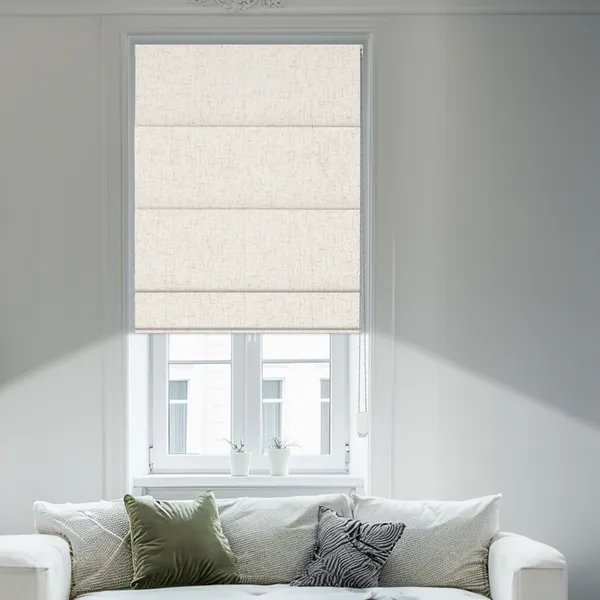
The cordless system is the weakest link. Unlike corded designs, cordless lifts rely on internal springs and friction to hold position. Over time, springs lose tension. We’ve found that cordless cellular shades from quality manufacturers maintain smooth operation for most of that lifespan, but heavy use or extreme temperature swings can shorten it.
Fabric degradation is the second major factor. UV exposure breaks down the honeycomb material, causing brittleness and discoloration. Blackout roman shades and blackout cellular blinds are especially vulnerable on south-facing windows. Room humidity also matters; bathrooms are tougher environments than bedrooms.
Warranty Coverage and What It Actually Covers
Most cordless cellular shades come with a 1 to 5 year warranty, though the specifics vary widely. iHomeBlinds typically offers warranty protection against manufacturing defects, meaning the lift mechanism failing or seams splitting under normal use. What they usually don’t cover is fading, accidental damage, or wear from improper installation.
Read the fine print. Some warranties only cover parts, not labor. Others require you to cover return shipping. Grab the code to get 10% off, which can make replacement more affordable if your shades do fail early.
Comparison of typical warranty terms across cellular shade styles:
| Feature | Standard Cellular Blinds | Blackout Cellular Shades | Premium Options |
|---|---|---|---|
| Defect coverage | 2-3 years | 3-5 years | 5+ years |
| Parts vs. labor | Parts only | Parts only | May include labor |
| Fading coverage | No | No | Limited (some brands) |
| Accidental damage | No | No | Available as add-on |
If durability is your priority, ask about extended warranties when you order. Check the latest price and ask what protection options exist beyond the standard term.
Material Quality and Its Impact on Lifespan
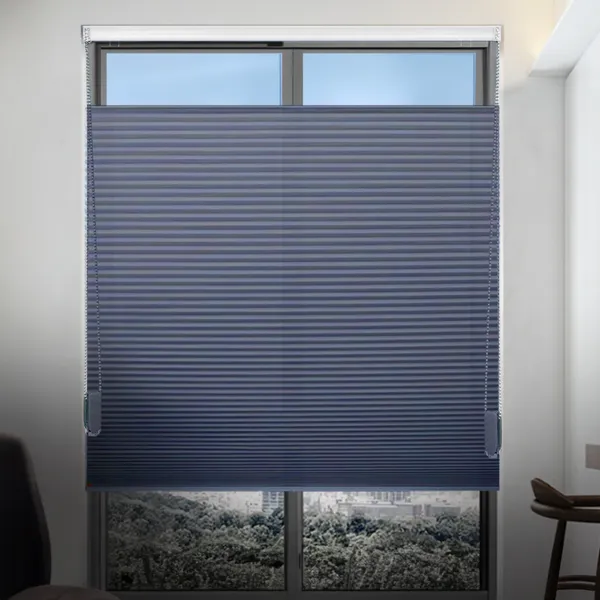
The honeycomb structure itself varies. Single-cell options are lighter and cheaper but less insulating and less durable. Double-cell designs hold up better because they’re thicker and have more material to degrade. Top down bottom up shades with dual-cell construction tend to last longer than single-cell equivalents.
Fabric weight also matters. Heavier, tightly woven fabrics resist UV damage longer than thin synthetics.
Cordless lift systems are typically made of plastic or light metal. Plastic springs lose tension faster and are prone to cracking in very cold homes. Metal mechanisms cost more but last longer. If you live in a climate with big temperature swings, prioritize metal components.
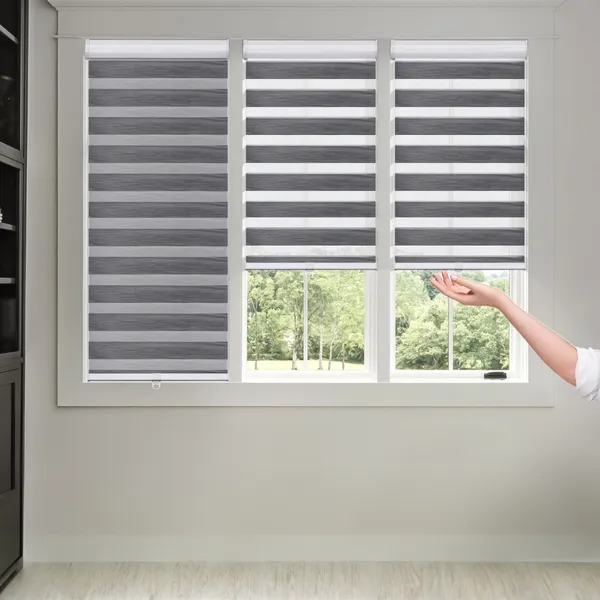
Alternatives like roman shades or zebra blind designs often last longer per dollar because they have fewer moving parts, though they offer different aesthetics and light control.
How to Extend the Life of Your Cordless Cellular Shades
Regular care makes a real difference. Dust your cellular blinds monthly with a soft brush or microfiber cloth to prevent debris from grinding the lift mechanism. Avoid vacuuming the honeycomb cells, which can damage them.
Keep them out of direct, prolonged sunlight where possible. Close them during peak UV hours if your windows get intense afternoon light. This is especially important for blackout roman shades, which use UV-sensitive materials.
Clean spills immediately, especially in bathrooms and kitchens. Humidity trapped in the honeycomb can cause mold and fabric breakdown. A damp cloth works; skip harsh chemicals that can degrade glue and fabric.
Test the lift mechanism gently. Don’t yank the shade up or down hard, smooth, steady motion preserves the spring tension. If it starts sticking, stop using it and contact support rather than forcing it, which can snap internal components.
Store them in a climate-controlled space if you remove them during renovation. Extreme heat or cold degrades plastic and fabric faster.
Cordless vs. Other Designs: What Lasts Longest
Cordless cellular shades are reliable, but how do they compare to other window treatments?
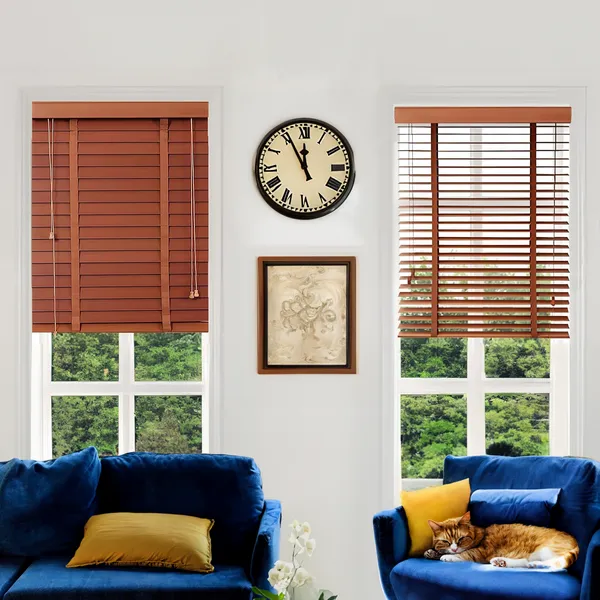
- Cordless vs. corded: Corded designs last longer because the lift mechanism is simpler, but they’re a safety concern around children and pets. Cordless mechanisms are more complex and more likely to fail, but the difference is typically years, not months.
- Cellular vs. Roman shades: Roman shades have even fewer moving parts and often outlast cellular blinds by several years. The tradeoff is that they don’t insulate as well.
- Cellular vs. Venetian blinds: Wooden venetian blinds and faux wood blinds last a long time if the wood or composite material is treated well, but individual slats can break or warp. Cellular designs fail as a system, not piece by piece.
- Single vs. dual designs: Dual roller shades and top down bottom up shades have more components and slightly lower durability than single-function shades, but the flexibility is often worth it.
If maximum longevity is your goal and you don’t mind a different look, wooden blinds or simple roman shades will typically outlast cordless cellular options. But for light control, insulation, and child safety combined, cordless cellular shades remain the best overall choice for most homes.
Signs Your Cordless Cellular Shades Need Replacement
Watch for these warning signs that your shades are nearing end-of-life:
- The lift mechanism becomes sticky or won’t hold position consistently
- Honeycomb cells crack, tear, or lose structural integrity
- Fabric becomes brittle, fades unevenly, or develops mold spots
- The shade won’t roll up or down smoothly despite gentle use
- Seams split or the frame warps visibly
If you’re seeing these issues, replacement is more cost-effective than repair. Check the latest price on new cordless cellular shades and compare the cost to a repair estimate.
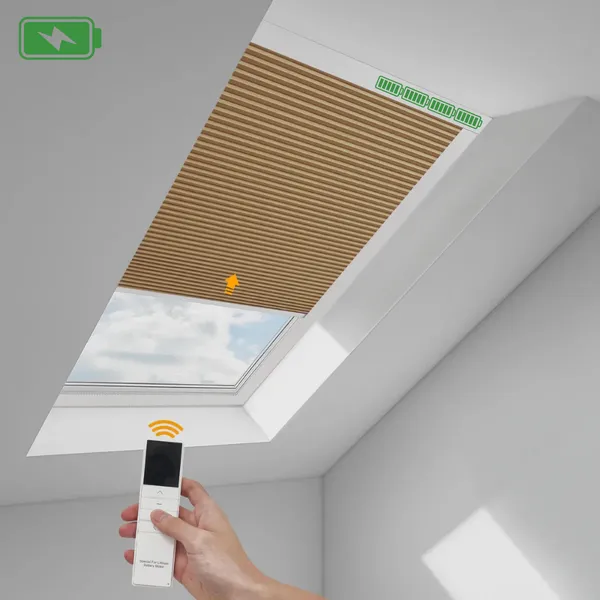
For specialized applications like skylights, skylight shades are engineered specifically for those challenging installations and typically last as long as regular cellular shades because they’re designed for the unique stress of that position.
Final Thoughts on Durability
Cordless cellular shades deliver solid value if you choose quality materials and maintain them. Most will serve you well for 7 to 10 years, with the potential for longer if you’re careful. The warranty is your safety net for manufacturing defects, but real longevity comes down to material quality and how you treat them daily.
If durability matters most to you, opt for double-cell construction, heavier fabrics, and metal lift components where available. Keep them clean and dry, minimize sun exposure, and handle the mechanism gently. When it’s time to replace them, remember that maintenance costs are minimal compared to the initial purchase, so a durable first choice pays off in the long run.
For current pricing and to apply our 10% discount, visit iHomeBlinds.
Questions
How long do cordless cellular shades last before needing replacement?
Most cordless cellular shades last 7 to 10 years with proper care. Budget models may fail around 3 to 5 years, while premium options can last 12 to 15 years. Lifespan depends heavily on material quality, usage intensity, and maintenance.
What does the warranty on cellular blinds typically cover?
Warranties usually cover manufacturing defects like broken lift mechanisms or split seams for 2 to 5 years, though coverage varies by brand. Most warranties don't cover fading, accidental damage, or wear from improper installation. Check the fine print and ask about extended warranty options.
Do cordless cellular shades last longer than corded cellular shades?
No, corded designs typically last longer because the lift mechanism is simpler and more durable. Cordless systems are more complex and prone to spring failure over time, though the difference is usually measured in years, not months. The advantage of cordless is safety around children and pets.
Why do my cellular shades fail faster in the bathroom?
Humidity breaks down the honeycomb fabric and can cause mold and glue deterioration. Bathrooms are humid environments, so cellular shades there need extra care, wipe them dry after steamy showers and ensure good ventilation. This is especially true for blackout cellular shades, which use UV-sensitive materials.
Can I repair cordless cellular shades if the lift mechanism stops working?
Minor sticking can sometimes be fixed with gentle cleaning and careful handling. However, if the spring has lost tension or internal components are broken, replacement is usually more cost-effective than repair. Contact the manufacturer or retailer to discuss warranty claims before attempting DIY fixes.
Which lasts longer: cordless cellular shades or roman shades?
Roman shades typically last longer because they have fewer moving parts and simpler mechanisms. However, cordless cellular shades offer better insulation and light control, so the tradeoff is worth it for many homes. Your choice depends on whether durability or functionality matters more to you.
Products in this guide
 Shopping at iHomeBlinds? See the discount code
10% OFF All Orders
Shopping at iHomeBlinds? See the discount code
10% OFF All Orders
More in this series
Skylight Shades and Half Circle Blinds: Solutions for Unusual Window Shapes29 Aug 20264 minRemote Controlled Blinds vs. Battery Operated Window Shades: Which is Right for Your Home?29 Aug 20264 minTop Down Bottom Up Shades: Why They’re Worth the Investment for Privacy and Light Control29 Aug 20266 minHow to Clean and Maintain Wooden Venetian Blinds to Prevent Dust Buildup29 Aug 20265 minBest Blackout Shades for Bedrooms: Roman Shades vs. Cellular Blinds for Sleep29 Aug 20264 min