 A iHomeBlinds guide
How to Clean and Maintain Wooden Venetian Blinds to Prevent Dust Buildup
Wooden blinds blinds collect dust quickly, but the right cleaning routine keeps them looking sharp and functioning smoothly for years.

Wooden blinds blinds collect dust quickly, but the right cleaning routine keeps them looking sharp and functioning smoothly for years. Whether you own wooden venetian blinds or wooden blinds blinds, dust and grime are inevitable, the key is preventing heavy buildup before it becomes a problem. We’ll walk you through the best cleaning methods, tools, and maintenance habits to extend the life of your wood window treatments while keeping your home dust-free.
Why Wooden Blinds Blinds Need Regular Maintenance
Wood is a natural material that attracts dust, pet hair, and airborne particles. Unlike cellular blinds or cordless cellular shades with their sealed honeycomb design, wooden slats have exposed surfaces on both sides, making them prone to dust settling quickly. Regular cleaning isn’t just about appearance, it protects the finish, prevents mold in humid rooms, and keeps the mechanical parts (cords and lift mechanisms) working properly. Neglecting maintenance can lead to stiff slats, discolored finishes, and shortened lifespan.
Basic Cleaning Tools You’ll Need
Start with the right equipment to avoid damaging the wood or finish:
- Microfiber cloth or soft cotton cloth (the best choice for wood)
- Feather duster with natural bristles
- Soft-bristled brush or old toothbrush for corners
- Vacuum with upholstery attachment (low suction)
- White vinegar and water solution (1:1 ratio)
- Lint-free paper towels
- Optional: wood polish designed for blinds
Avoid harsh chemicals, abrasive sponges, bleach, and high-pressure water. These can strip the finish, crack the wood, or cause warping. When in doubt, test any cleaning solution on a hidden slat first.
The Weekly Dust Removal Method

The easiest way to prevent buildup is a quick weekly pass with dry tools. Close the blinds fully (both orientations if you have top down bottom up shades), then:
- Use a microfiber cloth to pinch and slide along each slat from left to right, capturing dust as you go
- Flip the cloth frequently to avoid redistributing dust
- Open the blinds the other way and repeat
- Wipe the headrail, cord, and bottom rail
This five-minute task removes most dust before it builds up. Microfiber is superior to feather dusters because it traps particles rather than pushing them into the air. If you prefer hands-free cleaning, a vacuum with the upholstery brush on low suction works well, just be gentle and test the suction on the edge first.
Monthly Deep Clean for Wooden Venetian Blinds
Once a month, give your wooden blinds blinds a more thorough cleaning to tackle stubborn dust and light grime:
- Close the blinds fully
- Make a solution of equal parts white vinegar and water in a spray bottle
- Lightly mist a microfiber cloth (not the blinds directly)
- Wipe each slat from left to right, supporting the slat gently from behind to avoid stress on the cords
- Flip and repeat on the other side
- Let the blinds air-dry completely before opening
- Wipe rails and cords with a separate dry cloth
The vinegar cuts through light buildup and disinfects without leaving streaks. Never spray liquid directly on wooden blinds blinds, moisture can seep into the wood and cause swelling or finish damage. If your home is very dusty or you have pets, increase this to bi-weekly.
Comparing Maintenance Needs Across Window Treatments
Different blind styles require different care levels. Here’s how wooden blinds compare to other popular options:
| Treatment | Dust Attraction | Cleaning Frequency | Difficulty |
|---|---|---|---|
| Wooden blinds blinds | High | Weekly | Moderate |
| Wooden venetian blinds | High | Weekly | Moderate |
| Cellular blinds | Low | Monthly | Easy |
| Zebra blind | Medium | Bi-weekly | Moderate |
| Roman shades | Low | Monthly | Easy |

Cellular blinds and cordless cellular shades trap dust inside their cells, making them less visible but requiring occasional vacuum cleaning. Roman shades and blackout roman shades are fabric-based and need different care (usually vacuuming or fabric refresher spray). Wood blinds require more frequent attention but offer unmatched aesthetic appeal and durability if maintained properly.
Handling Stubborn Stains and Discoloration
Sometimes dust gives way to actual stains, water marks, ink, or pet paw prints. For light stains on wooden blinds blinds:
- Mix a small amount of wood polish into a microfiber cloth and gently rub the stain in circular motions
- Let it dry and buff with a clean cloth
- For water rings, use a barely damp cloth with a drop of white vinegar, then dry immediately

Deep stains or paint splatters often can’t be removed without refinishing the slat, so prevention (using blinds guards or keeping kids’ activities away from the blinds) is your best defense. If you have young children or messy pets, remote controlled blinds keep your blinds out of direct reach.
Seasonal Maintenance and Prevention
Adjust your cleaning schedule based on your environment:
- Spring and fall: Increase frequency if you open windows often; outdoor pollen and dust settle faster
- Summer: Watch for moisture in humid climates; wipe blinds more often to prevent mold
- Winter: Dust tends to settle more with closed windows; weekly cleaning often suffices
- Year-round in dusty areas: Add an air purifier near windows to reduce airborne particles
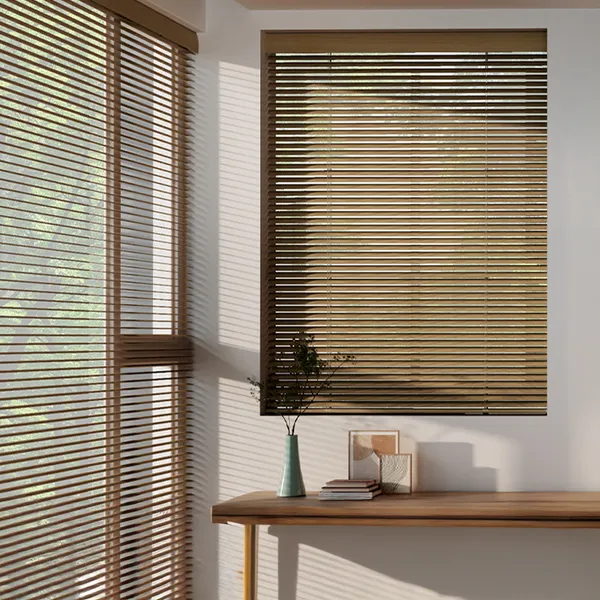
Bonus tip: if you’re considering new blinds, 1 inch faux wood blinds offer the look of real wood with slightly easier maintenance, since they’re more resistant to moisture and warping. For specialized needs like sloped or skylights, skylight shades require different mounting but follow the same dust-prevention logic.
When to Replace vs. Repair
Most wooden blinds blinds last 7 to 10 years with proper care. Replace individual slats or cords if they break, but if the finish is peeling, wood is cracked, or slats are severely warped, replacement is more practical. iHomeBlinds offers 10% OFF All Orders if you’re ready to refresh your window treatments. Grab the code to get custom-sized blinds delivered quickly.
Keep in mind that premium options like dual roller shades or top down bottom up shades may last longer due to advanced mechanisms and materials, but they require the same dust-prevention routine. The investment in quality blinds pays off when paired with consistent cleaning.
Final Tips for Dust Prevention
Beyond cleaning, small habits reduce dust accumulation:
- Keep windows closed on high-pollen days
- Use an air purifier or change HVAC filters monthly
- Avoid smoking or burning candles near the blinds
- Close blinds when you’re away for extended periods
- Use microfiber over paper towels; they’re reusable and more effective
Wooden venetian blinds are an investment in your home’s beauty. A few minutes each week keeps them looking fresh, prevents costly repairs, and ensures smooth operation for years to come. Check iHomeBlinds for current pricing and grab the code to save on your next purchase.
Questions
How often should I clean wooden blinds blinds?
We recommend a quick weekly wipe with a microfiber cloth to remove surface dust, plus a deeper monthly clean with a vinegar solution. If you have pets or live in a dusty area, increase to bi-weekly deep cleans.
Can I use water to clean wooden venetian blinds?
Never spray water directly on wooden blinds blinds, moisture can warp the wood and damage the finish. Instead, lightly mist a cloth with water or a vinegar solution, then wipe each slat. Always let the blinds air-dry completely.
What's the best tool for removing dust from wooden blinds?
A microfiber cloth is the best option because it traps dust rather than pushing it into the air. Use it to pinch and slide along each slat. A feather duster or vacuum with low suction are acceptable alternatives, but microfiber is most effective and gentle.
Are cellular blinds or wooden blinds easier to maintain?
Cellular blinds are easier, they require less frequent cleaning and don't collect dust as visibly. However, wooden blinds blinds offer superior aesthetics and durability if you commit to a simple weekly cleaning routine.
What should I do if wooden blinds blinds have water stains?
For light water marks, wipe with a barely damp cloth and a drop of white vinegar, then dry immediately. Deep stains often require professional refinishing. Prevention through careful use is the best defense.
Can I use furniture polish on wooden blinds?
Yes, but sparingly and only on light stains. Apply polish to a cloth first (never directly on the blinds), rub gently, and buff dry. Overuse can make blinds slippery or attract more dust.
Products in this guide

 Shopping at iHomeBlinds? See the discount code
10% OFF All Orders
Shopping at iHomeBlinds? See the discount code
10% OFF All Orders
More in this series
 Skylight Shades and Half Circle Blinds: Solutions for Unusual Window Shapes29 Aug 20264 minRemote Controlled Blinds vs. Battery Operated Window Shades: Which is Right for Your Home?29 Aug 20264 minDo Cordless Cellular Shades Last? Durability, Warranty, and Long-Term Performance29 Aug 20265 minTop Down Bottom Up Shades: Why They’re Worth the Investment for Privacy and Light Control29 Aug 20266 minBest Blackout Shades for Bedrooms: Roman Shades vs. Cellular Blinds for Sleep29 Aug 20264 min