 A Rockbros UK guide
Suction Bike Rack or Hitch Mount: How to Transport Your Bike Safely
A bike rack suction system offers roof mounting without drilling, while hitch racks provide rear stability for heavier loads.
Bike Rack Suction vs Hitch Mount: Safe Transport Guide
A bike rack suction mount uses vacuum cups to attach your bike to the roof without permanent fixtures, while a hitch mount slots into a tow bar for rear-mounted stability. Both have specific use cases: suction racks work well for lightweight bikes and occasional trips, whereas hitch systems handle multiple bikes and frequent long-distance hauling. We’ll walk you through the pros, cons, and real-world scenarios to help you pick the right transport solution.
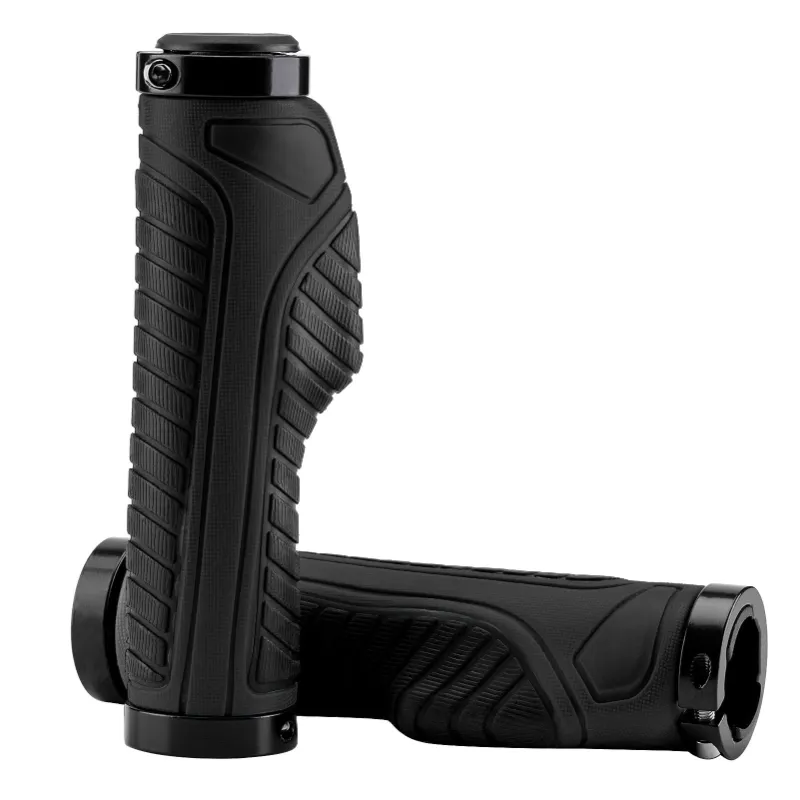
Before you load up, make sure your bike is road-ready with quality rockbros ergonomic double lock rubber handlebar grips that won’t slip during unloading, and check our Rockbros UK discount code for 10% off sitewide.
How Bike Rack Suction Mounts Work
Suction-based racks rely on vacuum pressure to clamp onto smooth, non-porous surfaces like car roofs or rear windows. Most systems use industrial-grade rubber cups paired with manual or mechanical pumps to create an airtight seal. High-tech suction systems now include digital pressure monitors that alert you if the seal weakens during travel.
Key advantages:
- No drilling, roof bars, or tow bar required
- Works on sedans, hatchbacks, and glass surfaces
- Lightweight and easy to store when not in use
- Removes in seconds without leaving marks
Limitations to consider:
- Weight capacity typically maxes out at one or two bikes under 18 kg each
- Requires a clean, smooth mounting surface (rain, dust, or wax reduce grip)
- Not recommended for speeds over 80 mph or rough terrain
- Daily temperature swings can affect vacuum seal integrity
The VacuumRack system pioneered this category for skis and bikes, proving the concept for weekend warriors who don’t want permanent hardware.
When a Hitch Mount Rack Is the Better Choice
Hitch-mounted racks attach to a 1.25-inch or 2-inch receiver tube welded to your vehicle frame. They swing out from the rear, making bike loading easier at waist height and providing rock-solid stability for heavier or electric bikes.
| Feature | Suction Rack | Hitch Mount |
|---|---|---|
| Installation | Temporary, tool-free | Requires tow bar (one-time install) |
| Bike capacity | 1-2 lightweight bikes | 2-5 bikes, including e-bikes |
| Access to boot | Remove rack entirely | Tilt or swing-away models available |
| Aerodynamics | Roof-mounted drag | Rear position, less wind resistance |
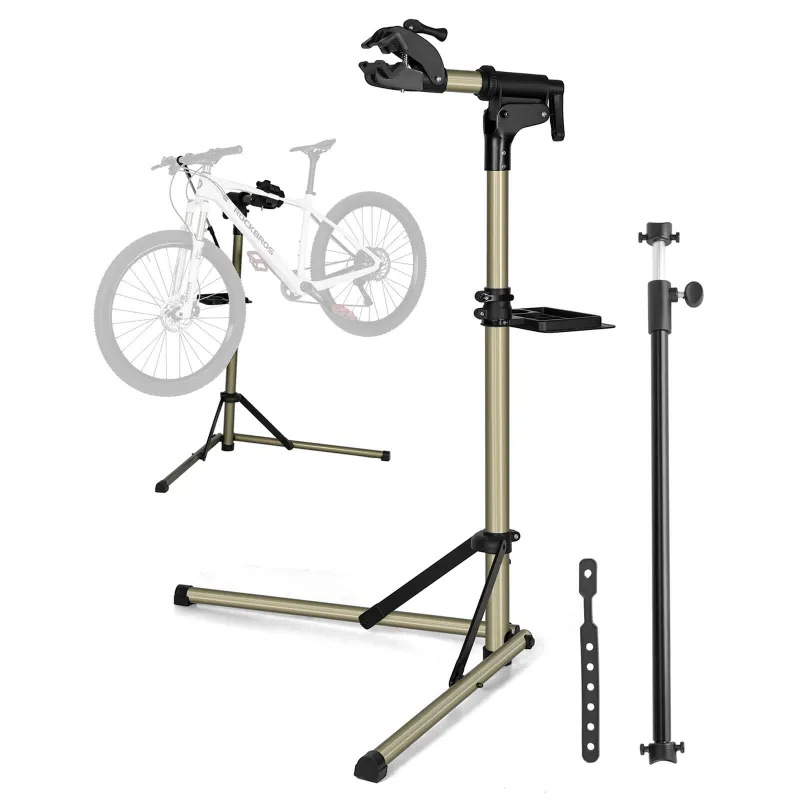
Hitch racks excel for families, bike parks, and multi-day tours. If you’re hauling bikes weekly or own an e-bike over 20 kg, the upfront tow bar cost pays off in convenience and safety. Pair your gear with a bicycle stand holder at home for maintenance between trips.
Safety Checklist Before Every Journey
Whether you choose suction or hitch, follow this pre-drive routine to avoid roadside disasters:
- Inspect mounting points: Wipe suction cups and car surfaces with isopropyl alcohol; check hitch pin locks for wear.
- Test the hold: For suction racks, pull each cup firmly (it should not budge). For hitches, verify zero wobble in the receiver tube.
- Secure the bike: Use frame clamps or wheel trays as designed. Never rely on bungee cords alone.
- Check clearance: Ensure suction-mounted bikes don’t block sunroofs or antennas; confirm hitch racks don’t obscure number plates or lights.
- Recheck after 15 minutes: Stop shortly into your drive to tighten straps and verify suction pressure.
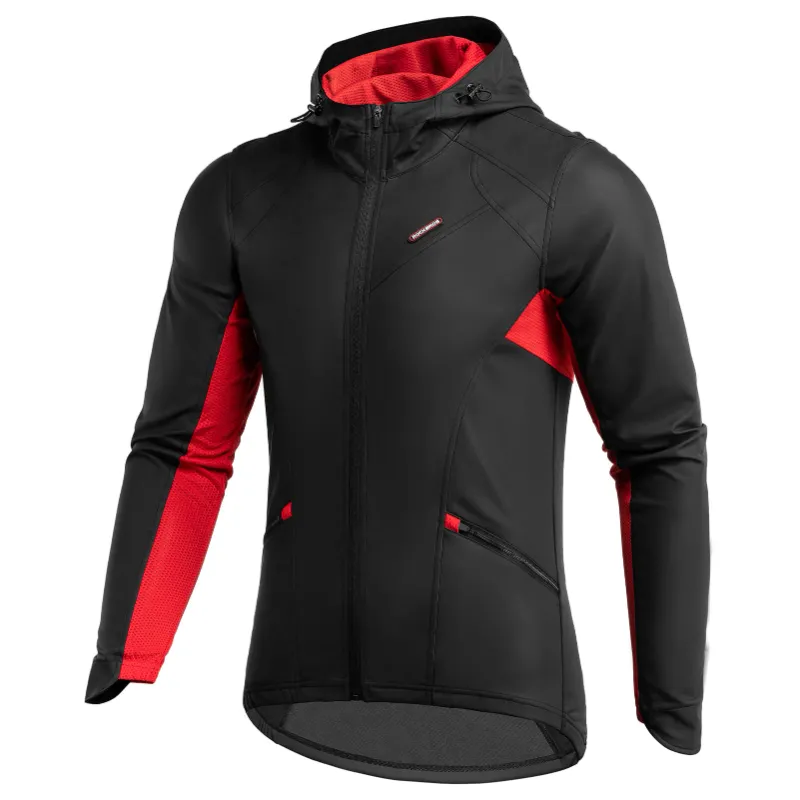
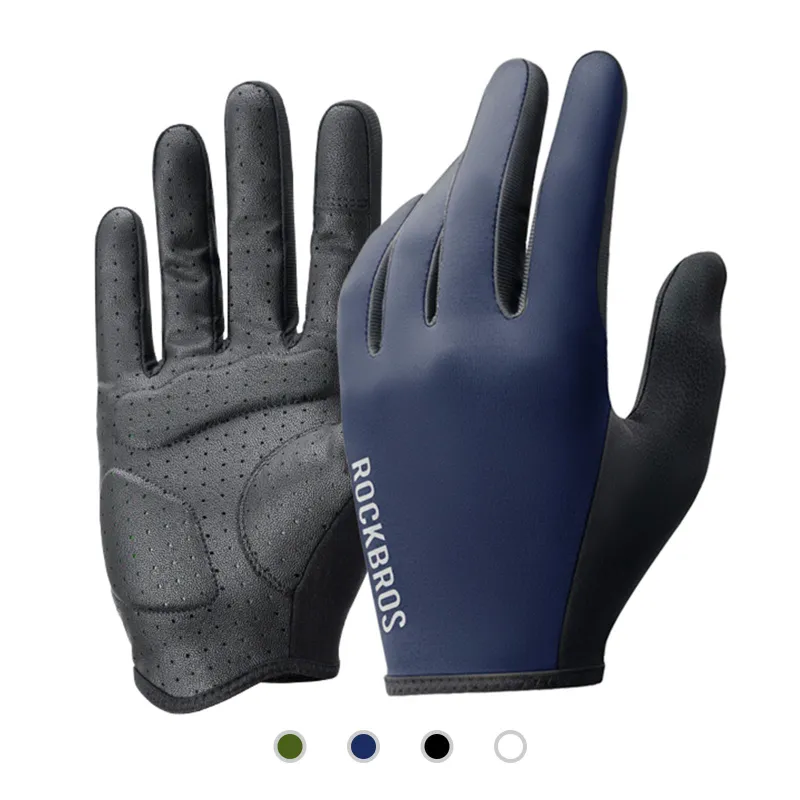
If you’re cycling in varied weather, layer up with a bicycle winter jacket and bicycle full finger gloves so you’re comfortable unloading at trailheads.
Roof-Mounted Suction Racks for Lightweight Bikes
Roof suction systems shine for road bikes, gravel bikes, and kids’ bikes under 15 kg. They keep your rear access clear and work on vehicles without tow bars or roof rails. The SeaSucker Talon is a popular example that uses fork-mount or frame-grip attachments with vacuum cups rated for highway speeds.
Best practices:
- Mount bikes with front wheel removed for lower wind resistance and better stability
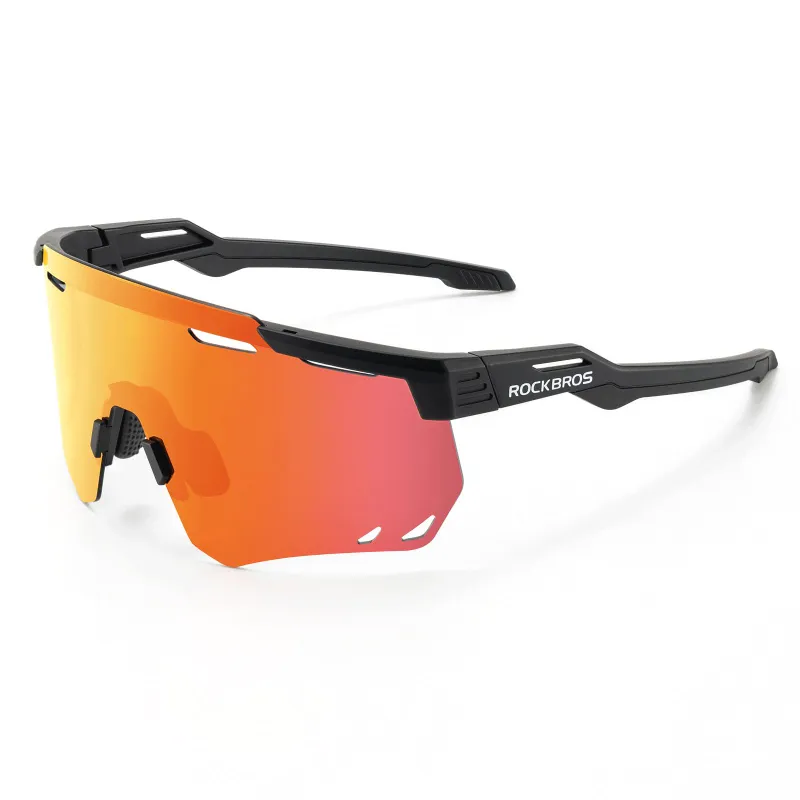
- Store your uv400 glasses inside the car (roof-mounted bikes create turbulence)
- Avoid automated car washes (high-pressure jets can break the seal)
- Park in shade when possible (extreme heat softens rubber)
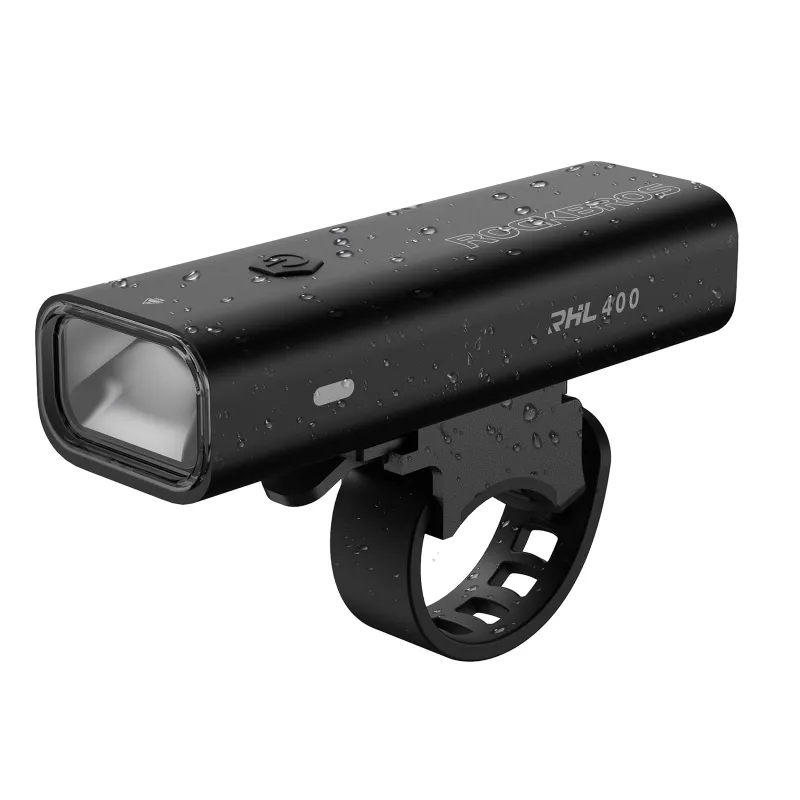
For night rides after arriving, a rockbros bike light or light 700 lumens rockbros keeps you visible on unlit trails.
Who Should Choose Each Rack Type
Go with a bike rack suction system if you:
- Own one or two non-electric bikes under 15 kg
- Rent cars or switch vehicles frequently
- Live in an apartment with limited storage
- Drive a car without a tow bar and don’t want to install roof bars
- Make occasional weekend trips rather than daily commutes
Pick a hitch mount rack if you:
- Transport e-bikes, cargo bikes, or multiple bikes regularly
- Drive long distances or on motorways above 70 mph
- Need quick, repeated bike loading for race or park days
- Own a vehicle with a factory or aftermarket tow bar already fitted
- Value maximum security and weight capacity
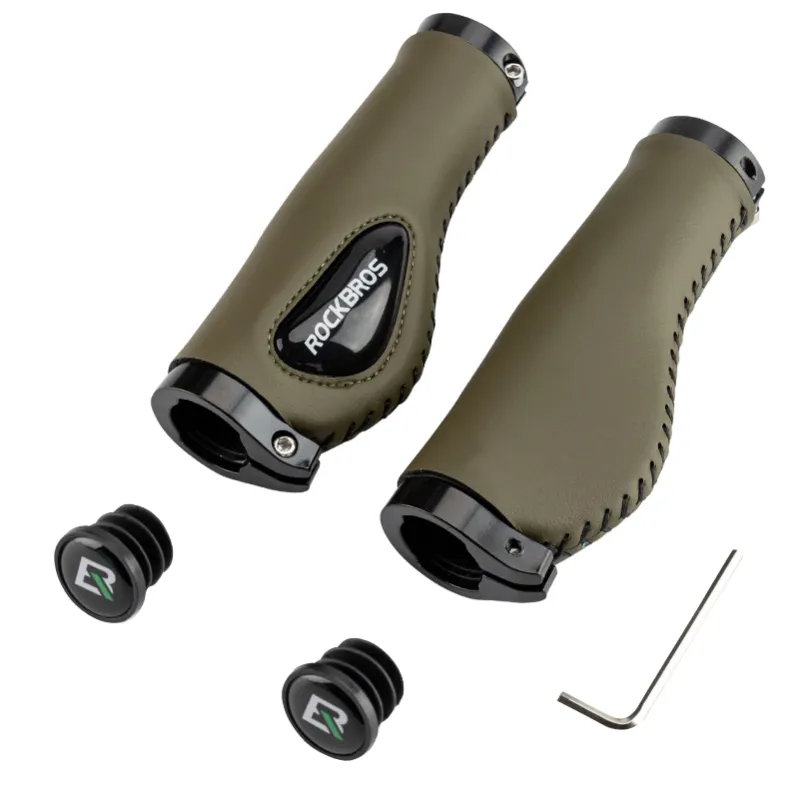
Both systems benefit from quality bike prep. Upgrade to a grip handle bike setup for easier maneuvering during loading, and check the latest pricing on accessories to complete your transport kit.
Maintenance and Longevity Tips
Suction rack care:
- Rinse cups with warm water after every trip to remove road salt and grime
- Store in a cool, dark place (UV exposure degrades rubber over 18-24 months)
- Replace vacuum cups annually if you drive in extreme climates
- Carry a spare pump or digital gauge for long tours
Hitch rack care:
- Spray pivot points with silicone lubricant every three months
- Remove the rack during winter if you live in snow-belt areas (road salt corrodes steel)
- Check cradle straps and ratchets for fraying before each season
- Tighten hitch bolts to manufacturer torque specs twice a year
For cold-weather riding after transport, layer windproof cycling trousers and a waterproof ski mask to handle changing conditions at mountain trailheads.
Final Verdict: Match the Rack to Your Ride Style
Neither system is universally better. A bike rack suction mount delivers unmatched flexibility and zero installation hassle for solo cyclists with lightweight bikes and sedans. Hitch racks dominate for families, e-bike owners, and anyone who prioritizes load capacity and highway confidence. Evaluate your vehicle, bike weight, trip frequency, and budget, then choose accordingly. Both options keep your bikes secure when installed correctly and maintained with care.
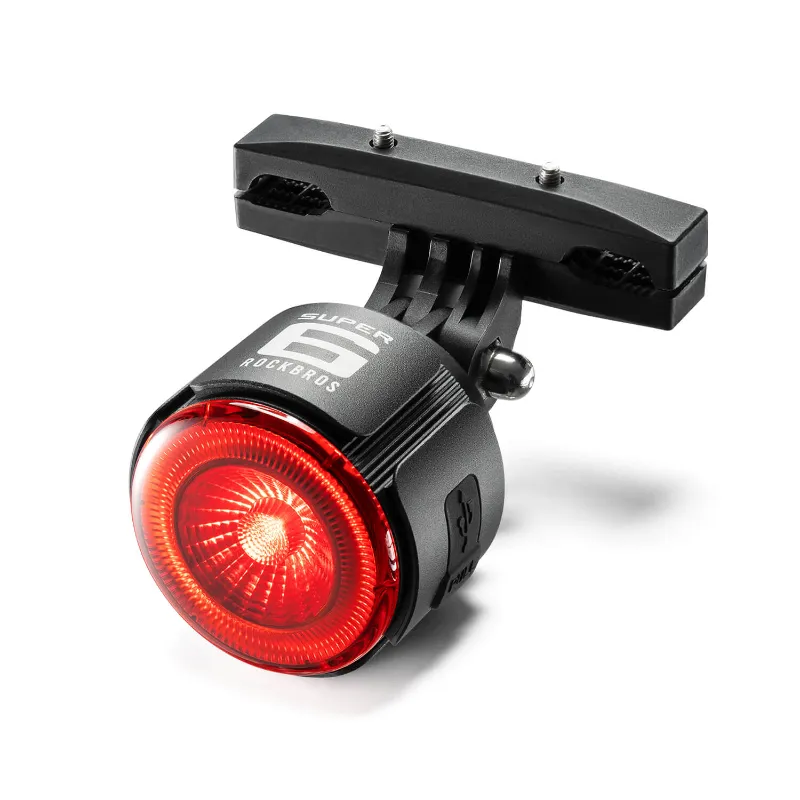
Grab your bicycle light usb 600lm for post-drive evening rides, and don’t forget to apply our code for 10% off your entire Rockbros UK order.
Questions
Can I use a bike rack suction mount on a textured or matte car roof?
No, suction racks require smooth, non-porous surfaces like gloss paint or glass. Textured, matte, or vinyl-wrapped finishes prevent an airtight seal and will cause the rack to fail.
How much weight can a typical suction bike rack hold?
Most suction systems are rated for 15 to 18 kg per bike, with a total load limit of 30 to 35 kg for dual-bike models. Always check your specific rack's manual, as exceeding the limit risks seal failure.
Do I need a number plate extension with a hitch-mounted bike rack?
Yes, if the rack obscures your rear number plate or lights. UK and EU regulations require a visible plate and functional lighting, so add a legal plate board or lighting kit to stay compliant.
How often should I replace suction cups on my bike rack?
Inspect cups every six months and replace them annually if you drive frequently or in extreme heat. Cracks, hardening, or loss of flexibility signal it's time for new cups.
Can I leave a hitch bike rack attached when not carrying bikes?
You can, but it adds weight, reduces fuel economy, and blocks rear access. Most users remove the rack between trips to avoid unnecessary wear and improve aerodynamics.
Are rockbros ergonomic double lock rubber handlebar grips compatible with all bike rack clamps?
Yes, handlebar grips don't interfere with standard frame or fork clamps. Just ensure your rack's cradle or strap doesn't pinch cables or brake lines during transport.
Products in this guide
 Shopping at Rockbros UK? See the discount code
10% OFF Sitewide
Shopping at Rockbros UK? See the discount code
10% OFF Sitewide
More in this series
What Makes UV400 Cycling Glasses Worth the Investment?31 Jul 20265 minElectric Bike Bell vs Traditional Bell: Which Works Better in Traffic?31 Jul 20264 min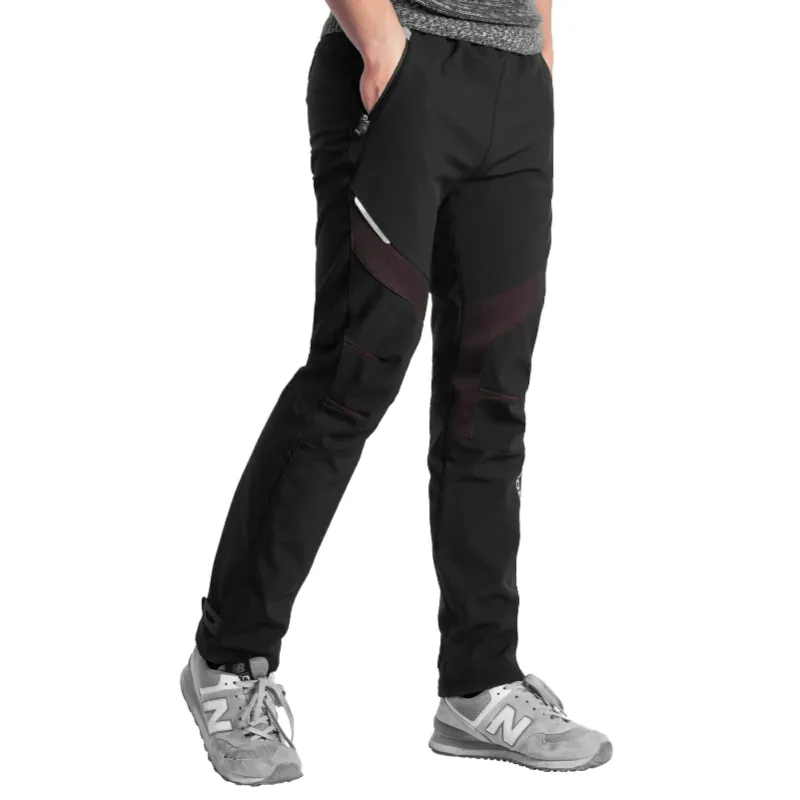 Rockbros Winter Cycling Kit: Trousers, Jacket, and Gloves31 Jul 20264 minDo Ergonomic Handlebar Grips Actually Reduce Hand Numbness on Long Rides?31 Jul 20264 minHow to Choose the Right Lumen Output for Your Rockbros Bike Light31 Jul 20265 min