 A Rockbros UK guide
What Makes UV400 Cycling Glasses Worth the Investment?
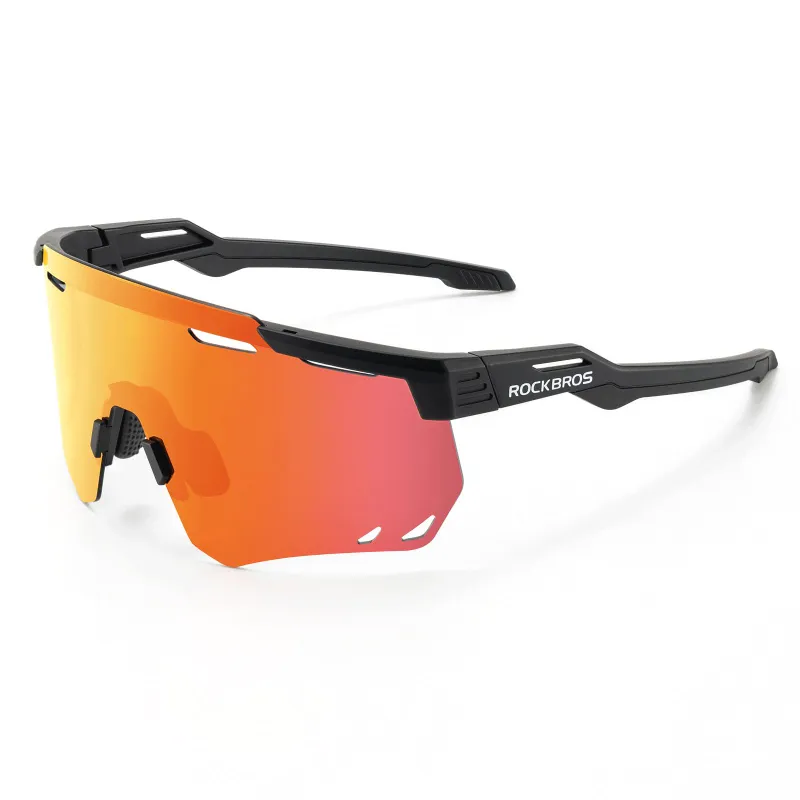
Investing in 2020 cycling glasses uv400 protects your vision from harmful rays while improving clarity and comfort on every ride.
Why 2020 Cycling Glasses UV400 Deliver Real Eye Protection
The short answer is yes: 2020 cycling glasses uv400 are worth every penny because they block 100% of UVA and UVB rays up to 400 nanometers, preventing long-term retinal damage and short-term glare that slows your reaction time on the road. UV400-rated lenses meet the standard that ophthalmologists recommend for outdoor athletes, and when you pair that protection with a wraparound fit and shatter-resistant polycarbonate, you get eyewear that keeps pace with your training and commuting demands.
The difference shows up in lens clarity, frame durability, and whether the glasses stay put during climbs or sprints. If you ride more than a few times a week, proper UV protection is not optional.
What UV400 Actually Means for Cyclists
UV400 refers to lenses that filter all ultraviolet light with wavelengths up to 400 nanometers. That covers the entire UVA and UVB spectrum, which is critical because both types penetrate the atmosphere and can cause cataracts, macular degeneration, and photokeratitis (essentially sunburn of the cornea).
Standard sunglasses often block only UVB or offer partial UVA protection, leaving gaps that add up over years of outdoor riding. UV400-rated cycling glasses close that gap completely. The American Academy of Ophthalmology confirms that 400 nm is the threshold where UV transitions to visible light, so this rating gives you true full-spectrum protection.
Beyond the health angle, UV400 lenses reduce glare from wet roads, car windshields, and low-angle sun. That translates to faster recognition of potholes, debris, and traffic signals, especially during dawn or dusk rides when visibility is already compromised.
Frame Design and Fit: Why They Matter as Much as the Lens
Even the best UV400 lens fails if the frame lets light leak in from the sides or top. Wraparound designs seal off peripheral rays and block wind that causes your eyes to water at speed. Look for frames with adjustable nose pads and temple grips, so the glasses stay secure whether you are climbing out of the saddle or descending a technical section.
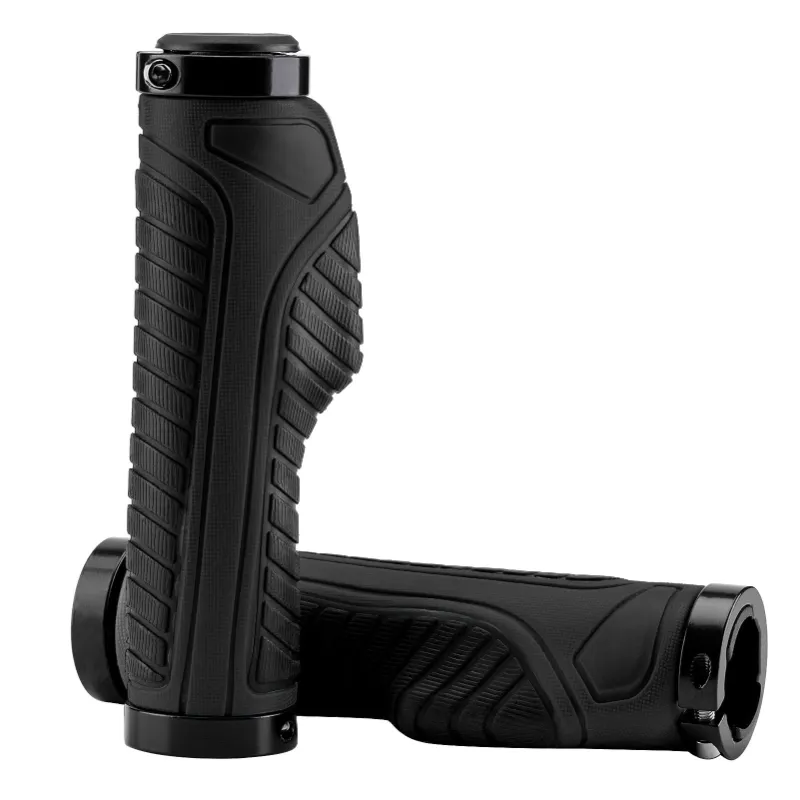
Polycarbonate frames offer impact resistance without adding weight. If you have ever taken a stone chip to the face at 40 km/h, you know why shatter-proof materials matter. Lightweight frames also reduce pressure points during multi-hour rides, which is why many cyclists pair quality eyewear with other comfort upgrades like rockbros ergonomic double lock rubber handlebar grips to minimize hand fatigue.
Ventilation channels or vented lens designs prevent fogging when you slow down or stop at a light. Fogged lenses force you to remove your glasses mid-ride, exposing your eyes exactly when you need protection most.
Lens Coatings and Tints for Different Riding Conditions
UV400 protection is standard, but coatings and tints differentiate good glasses from great ones. Here is what to consider:
- Anti-scratch coating extends lens life, especially if you store glasses in a jersey pocket or bag.
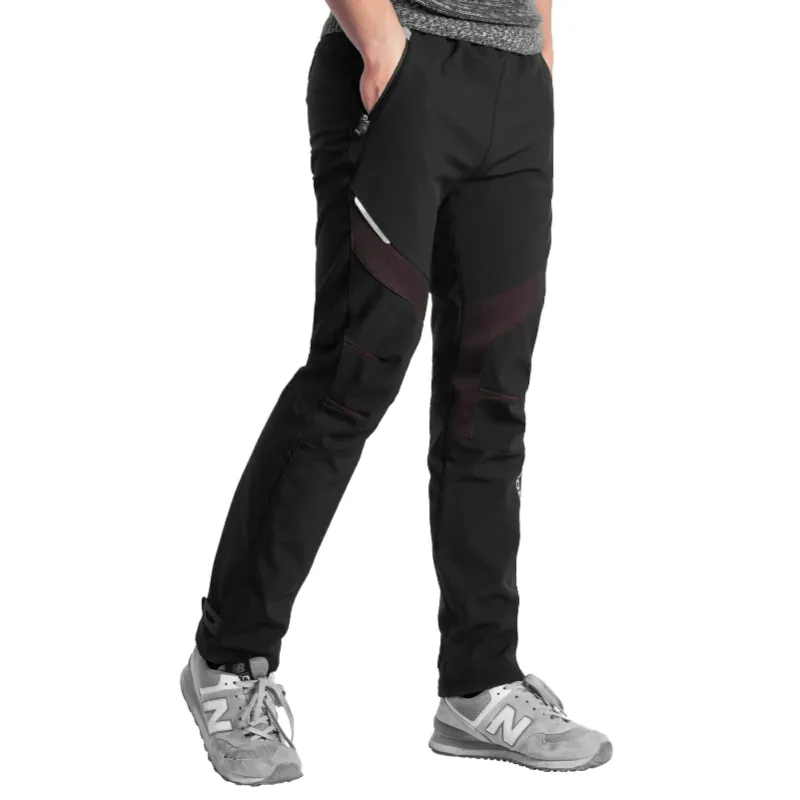
- Hydrophobic coating sheds rain and sweat, keeping your view clear in wet conditions. Pair this with windproof cycling trousers for head-to-toe weather defense.
- Polarized lenses cut glare from reflective surfaces like puddles and car hoods, though they can make it harder to read LCD bike computers.
- Photochromic (transition) lenses adjust tint based on light intensity, useful if you start rides before sunrise and finish after dawn.
Tint choice depends on your typical riding environment. Yellow or amber boosts contrast on overcast days and shaded trails. Gray or smoke tints work best in bright sun without distorting color perception. Mirrored coatings reflect additional light and reduce eye strain during long summer rides.
| Tint Color | Best Conditions | Contrast Boost |
|---|---|---|
| Gray/Smoke | Bright sun, road | Neutral |
| Yellow/Amber | Overcast, trails | High |
| Clear | Night, low light | None |
Durability and Maintenance: Making Your Investment Last
Quality cycling glasses with UV400 lenses should last multiple seasons if you treat them properly. Polycarbonate resists impact but scratches easily, so always store glasses in a hard case. Microfiber cleaning cloths remove smudges without abrading coatings; paper towels and shirt hems will scratch lenses over time.
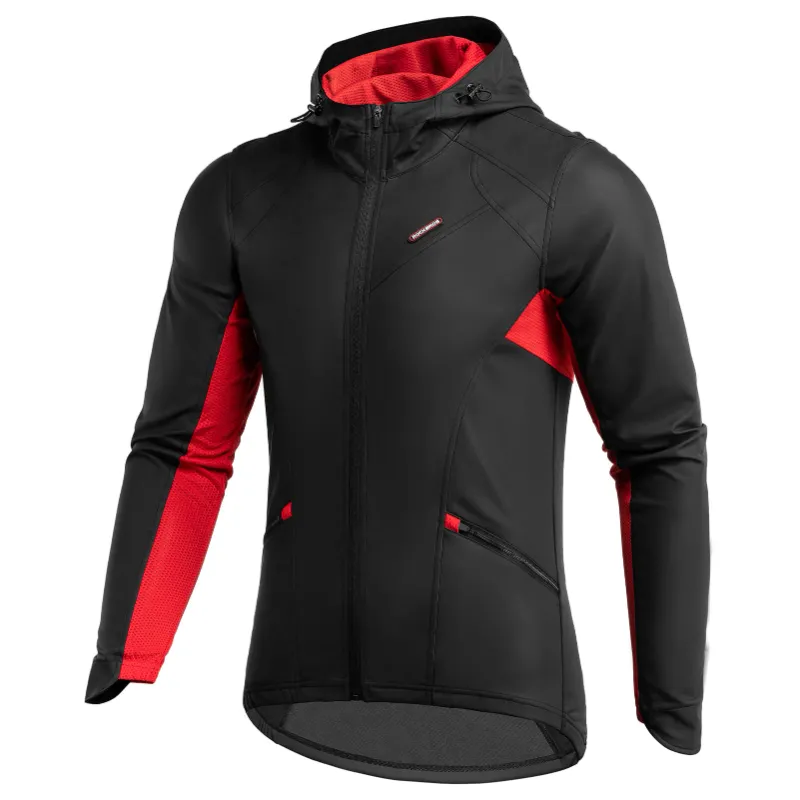
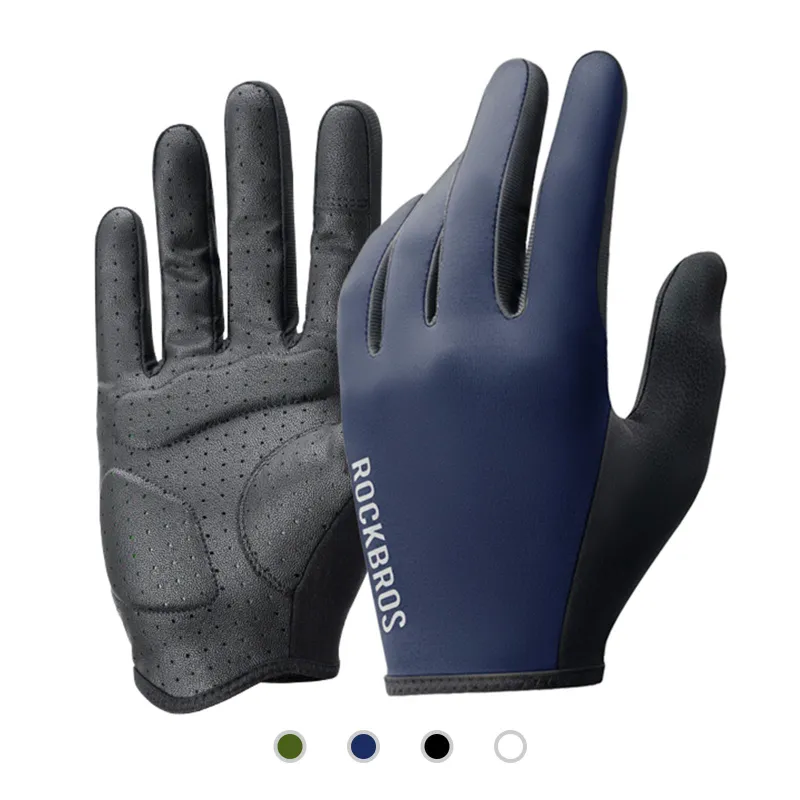
Rinse glasses under lukewarm water after rides to remove road grit, salt, and sweat before wiping. Avoid ammonia-based cleaners, which degrade anti-reflective and hydrophobic coatings. If you ride in winter, a bicycle winter jacket and bicycle full finger gloves keep you warm, but remember that temperature swings between indoor storage and cold rides can stress frame joints, so let glasses acclimate before putting them on.
Check hinge screws and nose pad mounts every few weeks. Loose components let the frame flex, which can pop lenses out mid-ride. Most cycling glasses use standard micro screws that tighten with a jeweler’s screwdriver.
Who Should Prioritize UV400 Cycling Eyewear
Anyone who rides outdoors for more than 30 minutes at a time benefits from UV400 protection, but certain riders see the biggest gains:
- Commuters who ride during sunrise or sunset face concentrated low-angle UV exposure that standard tinted glasses miss.
- Endurance and touring cyclists accumulate hours of UV exposure per week, multiplying long-term risk.
- Mountain bikers need impact protection as much as UV defense, since trail debris and branches threaten eyes constantly.
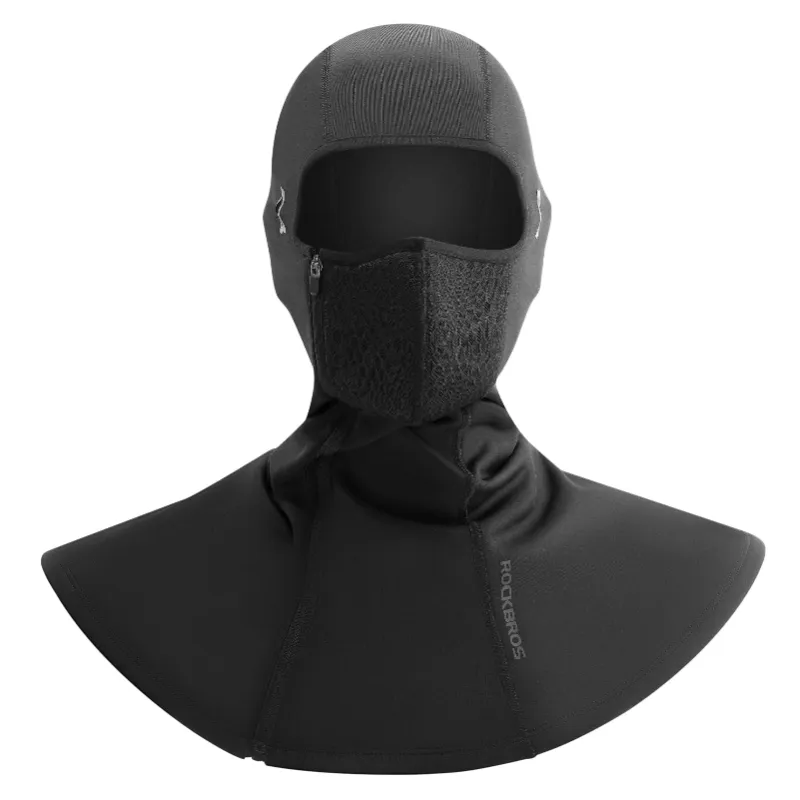
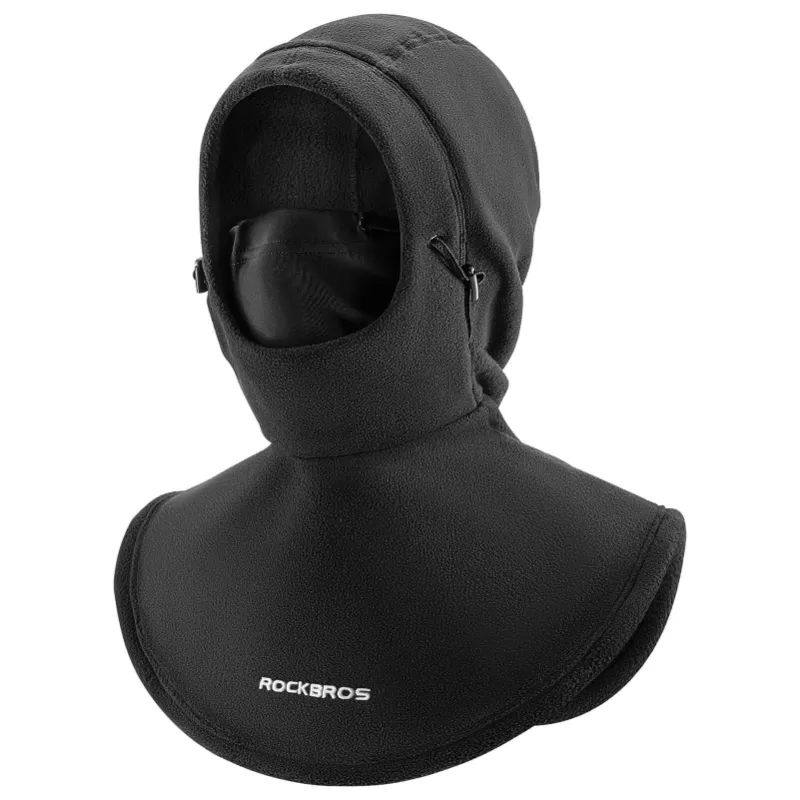
- Winter riders often overlook UV risk because cold weather feels less intense, but snow and ice reflect up to 80% of UV radiation back toward your face. Combine UV400 glasses with a waterproof ski mask or masks for winter for full facial coverage in freezing conditions.
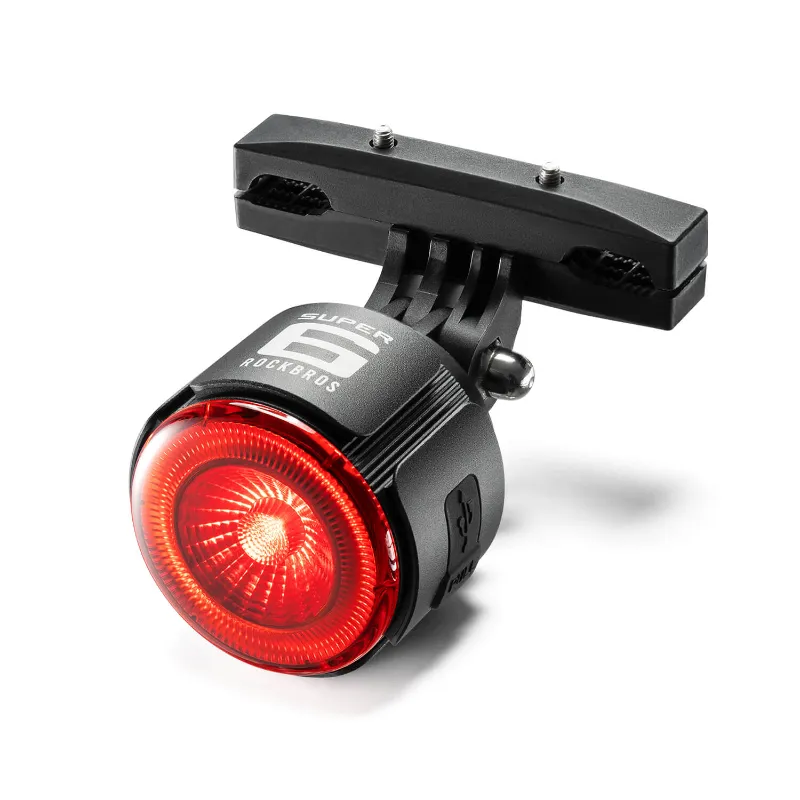
If you already invest in safety gear like a rockbros bike light or bicycle light usb 600lm for visibility, treating your eyes with the same priority makes sense. Vision damage from UV is cumulative and irreversible, so early protection pays off decades later.
Where to Find Quality UV400 Glasses and Save
Rockbros UK stocks a solid range of cycling eyewear with genuine UV400 certification, and you can grab the code for 10% off sitewide to bring the cost down without compromising on protection.
When you shop, verify that the product listing explicitly states UV400 or 100% UV protection. Terms like “UV protected” or “blocks harmful rays” are vague and may indicate only partial coverage. Look for brands that publish test certifications or meet ANSI Z87.1 or EN ISO 12312-1 standards for impact and optical quality.
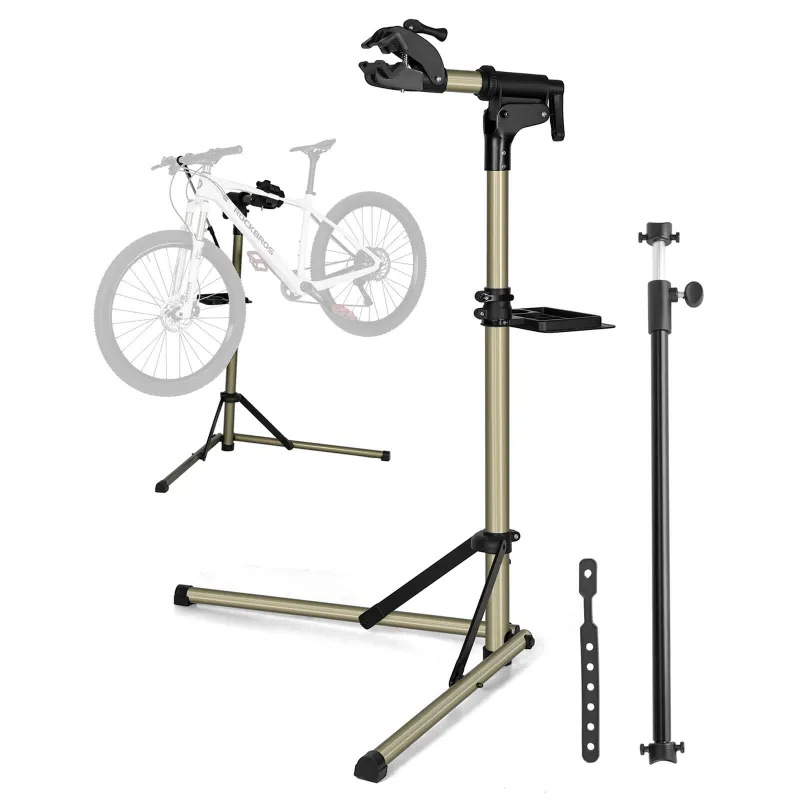
Bundling eyewear with other upgrades during a sale maximizes value. If you are already picking up a bicycle stand holder for workshop storage or a light 700 lumens rockbros for night rides, adding UV400 glasses to the same order often qualifies for free shipping or deeper discounts. Check the latest price before you commit to see what offers are live.
Making the Investment Work for You
The return on UV400 cycling glasses is measured in clarity, comfort, and long-term eye health. Spend a bit more upfront for genuine UV400 rating, durable polycarbonate construction, and a fit that stays secure across varied terrain. Pair them with proper maintenance, and a single pair will cover thousands of kilometers before you need a replacement.
Protection, performance, and peace of mind make quality cycling eyewear one of the simplest upgrades you can make to your kit.
Questions
Do UV400 cycling glasses really block more UV than regular sunglasses?
Yes. UV400 lenses block 100% of UVA and UVB rays up to 400 nanometers, while many standard sunglasses only filter UVB or offer partial UVA protection, leaving gaps that increase long-term eye damage risk.
Can I wear UV400 glasses in low light or at night?
UV400 refers to the protective coating, not the tint. Clear or yellow-tinted UV400 lenses work well in low light and still block harmful rays. Dark tints reduce visibility at night, so swap to a lighter lens if your frames allow it.
How do I know if my cycling glasses are actually UV400 rated?
Check the product label or packaging for explicit UV400 or 100% UV protection claims. Reputable brands publish certifications like ANSI Z87.1 or EN ISO 12312-1. Vague terms like UV protected do not guarantee full-spectrum coverage.
Will polarized lenses affect my ability to read my bike computer?
Polarized lenses can make LCD screens appear dim or distorted because they filter light waves in a specific orientation. If you rely heavily on a bike computer, test polarized glasses before committing or choose non-polarized UV400 lenses.
How often should I replace my UV400 cycling glasses?
Replace them when lenses develop deep scratches that impair vision, when frame integrity weakens, or when coatings degrade visibly. With proper care, quality UV400 glasses last two to four years of regular riding.
Do I still need UV400 glasses on cloudy days?
Absolutely. Up to 80% of UV rays penetrate cloud cover, so overcast conditions still expose your eyes to significant UV radiation. Wearing UV400 glasses on cloudy rides protects against cumulative damage.
Products in this guide
 Shopping at Rockbros UK? See the discount code
10% OFF Sitewide
Shopping at Rockbros UK? See the discount code
10% OFF Sitewide
More in this series
Suction Bike Rack or Hitch Mount: How to Transport Your Bike Safely31 Jul 20264 minElectric Bike Bell vs Traditional Bell: Which Works Better in Traffic?31 Jul 20264 minRockbros Winter Cycling Kit: Trousers, Jacket, and Gloves31 Jul 20264 minDo Ergonomic Handlebar Grips Actually Reduce Hand Numbness on Long Rides?31 Jul 20264 min How to Choose the Right Lumen Output for Your Rockbros Bike Light31 Jul 20265 min