 A Rockbros UK guide
Electric Bike Bell vs Traditional Bell: Which Works Better in Traffic?
An electric bike bell delivers louder, more consistent alerts than traditional bells, making it the safer choice for heavy traffic and fast commutes.
An electric bike bell delivers louder, more consistent alerts than traditional bells, making it the safer choice for heavy traffic and fast commutes. Traditional bells rely on manual actuation and mechanical resonance, while electric models use battery-powered speakers to project sound at higher decibels with less effort.
How Electric Bike Bells Work Compared to Traditional Models
Traditional bike bells use a spring-loaded striker against a metal dome. Sound quality depends on thumb pressure, bell material, and mounting tension. A high-quality option like the spurcycle bike bell produces a clear, resonant ring that carries well in quiet environments, but volume peaks around 80-85 dB and fades quickly.
Electric bike horns and bells use small amplified speakers powered by coin-cell or rechargeable batteries. Most models mount to handlebars with a thumb trigger or button, similar to mechanical bells. The key difference is consistent output: electric versions deliver 90-100 dB every time you press the button, regardless of how hard you push. That extra 10-15 dB translates to roughly double the perceived loudness, which matters when you are competing with engine noise, open windows, and earbuds.
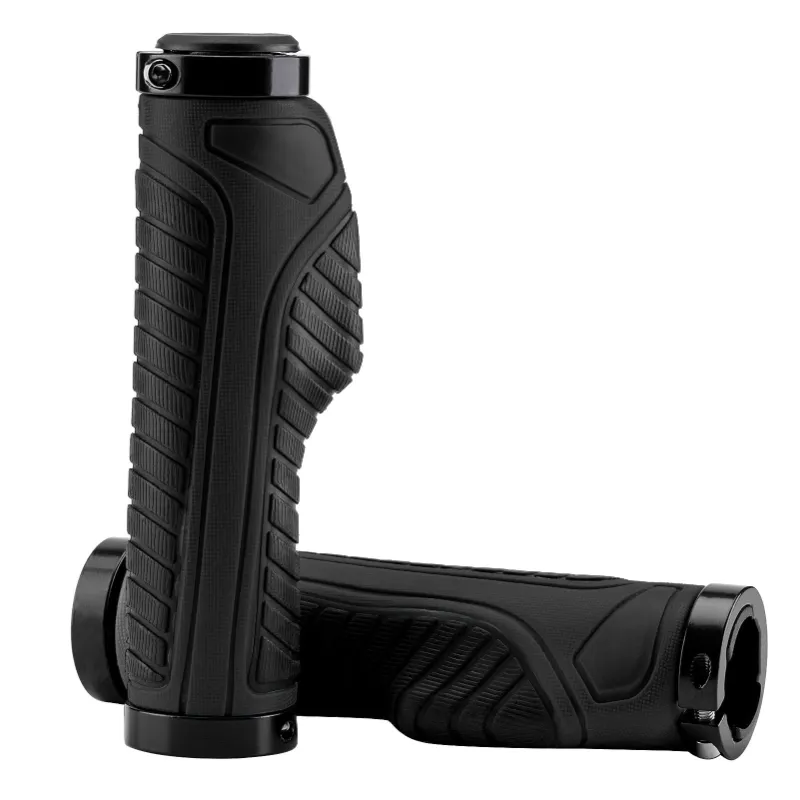
If you are also changing grips, such as the rockbros ergonomic double lock rubber handlebar grips, check that the bell trigger stays within reach.
Which Alert Gets Drivers’ Attention Faster in Traffic
The Cycling Weekly roundup highlights that mechanical bells still excel in quiet settings where a musical tone feels less aggressive. For dense urban traffic, though, volume wins.
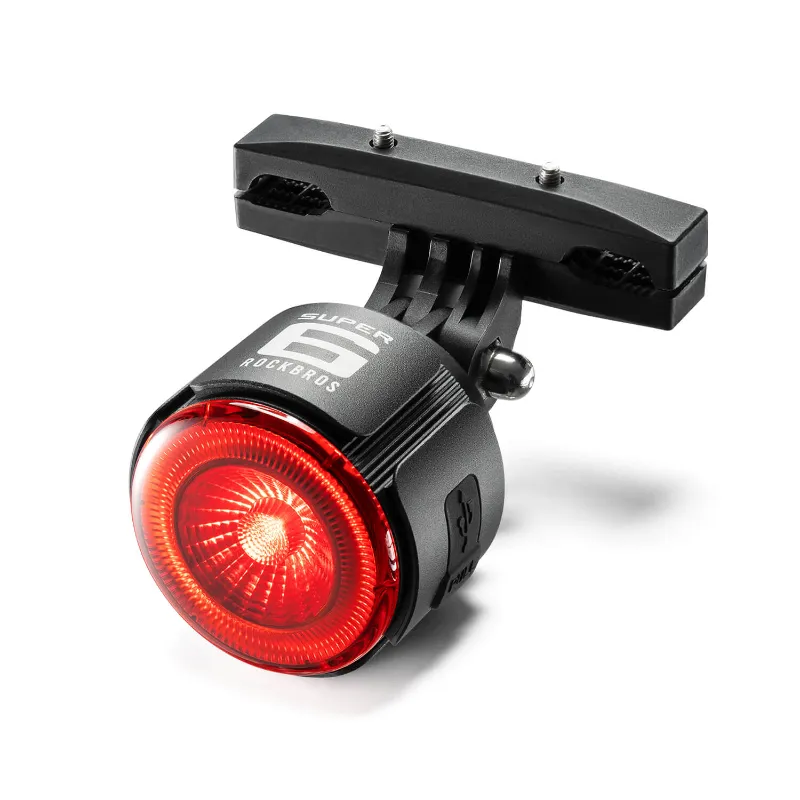
One limitation: electric models require battery management. We recommend checking charge weekly if you commute daily. If you run lights like the rockbros bike light or bicycle light usb 600lm, you are already in the habit of topping up USB devices, so adding a bell to that routine is straightforward.
Installation and Handlebar Compatibility
Most electric bike bells clamp onto 22.2 mm or 31.8 mm bars using a silicone strap or thumbscrew mount. Check your handlebar diameter before ordering. If you have already installed grip handle bike accessories or bar-end mirrors, measure remaining real estate. Electric units typically need 3-4 cm of clear space.

Traditional bells mount the same way but tend to be slightly smaller. If your bars are crowded with a computer mount, light bracket, and bicycle full finger gloves in a bar bag, a compact mechanical bell may be easier to fit.
For winter riders wearing thick gloves, electric buttons require less dexterity than a mechanical striker. Pair your bell with bicycle winter jacket and masks for winter layers, and you will appreciate the large push-button design when your hands are cold.
Grab the latest pricing and our exclusive code to save on handlebar accessories and lighting that pair well with either bell type.
Rockbros Bike Bell and Horn Options
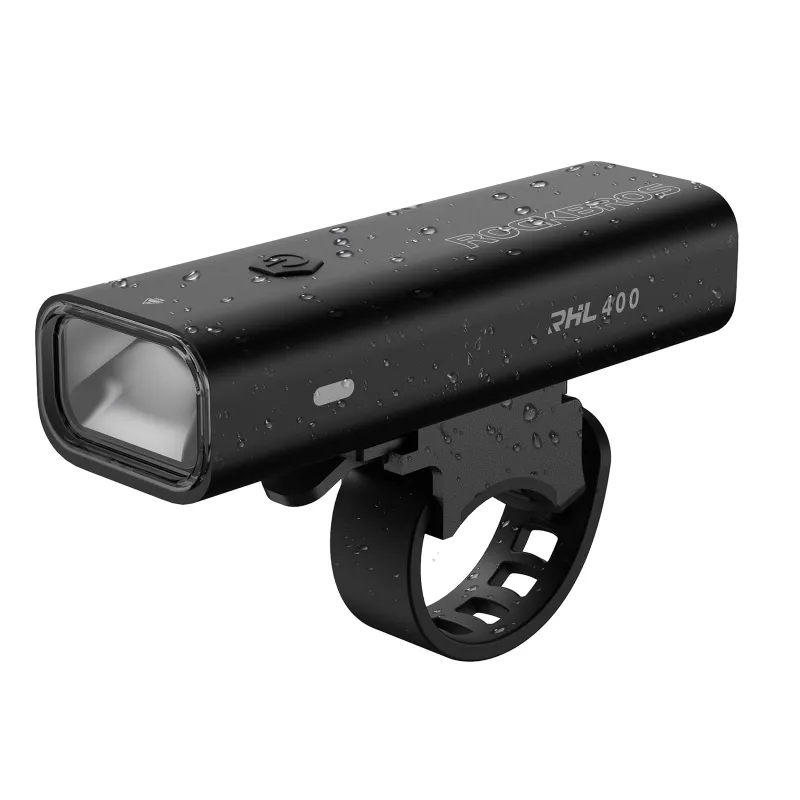
Rockbros offers both mechanical and electronic alert products. Their electronic horn models deliver 100+ dB and recharge via USB-C, matching the charge ecosystem of the light 700 lumens rockbros. The mechanical Rockbros bike bell uses a brass striker and aluminium dome, producing a classic two-tone ring at around 85 dB.
Which Rockbros option suits your commute depends on environment:
| Scenario | Best Choice | Reason |
|---|---|---|
| City traffic, fast roads | Electric horn | Higher volume, consistent output |
| Bike paths, residential streets | Mechanical bell | Pleasant tone, no charging |
| Mixed: urban + trails | Electric with low/high modes | Flexibility for different contexts |
Trek also produces hybrid models like the BellBeats Digital Bike Bell and Speaker, which combine a traditional ringer with Bluetooth audio. That design suits leisure riders who want music on rail trails, but adds weight and complexity most commuters do not need.
Durability, Weather Resistance, and Maintenance

Electric bike bells expose electronics to rain, mud, and temperature swings. Look for an IPX4 rating or higher. If you ride in full winter conditions with waterproof ski mask and windproof cycling trousers, choose a bell with a sealed battery compartment.
Traditional bells require almost no maintenance. Wipe the dome occasionally to prevent corrosion, and check that the mounting screw stays snug. Mechanical strikers last years without replacement.
Electric units need battery swaps or recharging every 2-4 weeks depending on use. Coin-cell models are cheaper upfront but create ongoing waste; rechargeable versions cost more initially yet pay for themselves after six months of commuting. Check current offers and codes if you are upgrading multiple accessories at once.
Who Should Choose Each Type
Choose an electric bike bell if you:
- Commute in heavy traffic or on roads with speed limits above 30 mph
- Ride an e-bike or cargo bike where higher speeds require earlier alerts
- Want consistent volume regardless of hand position or glove thickness
- Already carry USB charging gear for lights and computers
Stick with a traditional bell if you:
- Ride primarily on quiet paths, rail trails, or residential streets
- Prefer the classic two-tone ring and find electronic tones harsh
- Want zero maintenance and no battery anxiety
- Have limited handlebar space (mechanical bells are often more compact)
For all-weather riders, pairing either bell type with visibility essentials like uv400 glasses and bright lights keeps you noticed from every angle. A loud alert only works if drivers see you in time to react.
Final Verdict: Which Works Better in Traffic
The best electric bike bell outperforms traditional ringers in urban traffic by delivering 10-15 dB more volume with zero effort. That difference turns near-misses into safe passes when you alert a driver pulling out or a pedestrian stepping into the bike lane. Traditional bells still shine on shared paths and in quiet neighborhoods where a musical tone feels appropriate and battery-free operation matters.
We recommend mounting an electric horn for daily city commutes and keeping a small mechanical bell as a backup. Store your traditional bell in a saddle bag alongside a multi-tool and spare tube. If your electronic unit dies mid-ride, you still have an audible alert until you recharge.
Visit our Rockbros discount page to save on handlebar accessories, grips, and lighting that complete your commuter cockpit. Pair your new alert system with a bicycle stand holder for easy maintenance access at home, and you will have a safer, more organized ride year-round.
Questions
How loud is an electric bike bell compared to a traditional bell?
Electric bike bells typically produce 90-100 dB, while traditional mechanical bells reach 80-85 dB. That 10-15 dB difference makes electric models roughly twice as loud in perceived volume, which significantly improves audibility in traffic.
Do electric bike horns work in the rain?
Most electric bike bells rated IPX4 or higher resist rain and splashes. Look for models with sealed battery compartments and silicone button covers to prevent water damage during wet rides.
Can I mount an electric bell on any handlebar size?
Electric bells fit standard 22.2 mm and 31.8 mm handlebars using adjustable straps or clamps. Measure your bar diameter and check that you have 3-4 cm of clear space before the grips or other accessories.
How often do I need to charge an electric bike bell?
Rechargeable electric bells last 2-4 weeks of daily commuting per charge, depending on use frequency. Coin-cell battery models require replacement every few months. USB rechargeable versions are more cost-effective and environmentally friendly long term.
Are Rockbros bike bells compatible with thick winter gloves?
Yes, Rockbros electric horns feature large push-buttons that work well with thick gloves. Traditional mechanical bells require more finger dexterity to strike cleanly, making electric models easier to use in cold weather.
Which is better for bike paths: electric or traditional bell?
Traditional bells work better on shared paths and quiet trails because their musical two-tone ring is less jarring to pedestrians and other cyclists. Electric horns are best reserved for road traffic where maximum volume is necessary for safety.
Products in this guide

 Shopping at Rockbros UK? See the discount code
10% OFF Sitewide
Shopping at Rockbros UK? See the discount code
10% OFF Sitewide
More in this series
Suction Bike Rack or Hitch Mount: How to Transport Your Bike Safely31 Jul 20264 min What Makes UV400 Cycling Glasses Worth the Investment?31 Jul 20265 min
 Rockbros Winter Cycling Kit: Trousers, Jacket, and Gloves31 Jul 20264 minDo Ergonomic Handlebar Grips Actually Reduce Hand Numbness on Long Rides?31 Jul 20264 minHow to Choose the Right Lumen Output for Your Rockbros Bike Light31 Jul 20265 min