 A Signstek guide
Does a Signstek Wood Stove Fan Really Work Without Electricity?
A wood stove fan powered by heat alone can circulate warm air through your room without needing electricity or batteries.
A wood stove fan powered by heat alone can circulate warm air through your room without needing electricity or batteries, and yes, they genuinely work. These heat powered fan models sit on top of your stove and start spinning when temperatures reach around 50°C (122°F), pushing heated air out into your space.
How a heat powered wood stove fan actually works
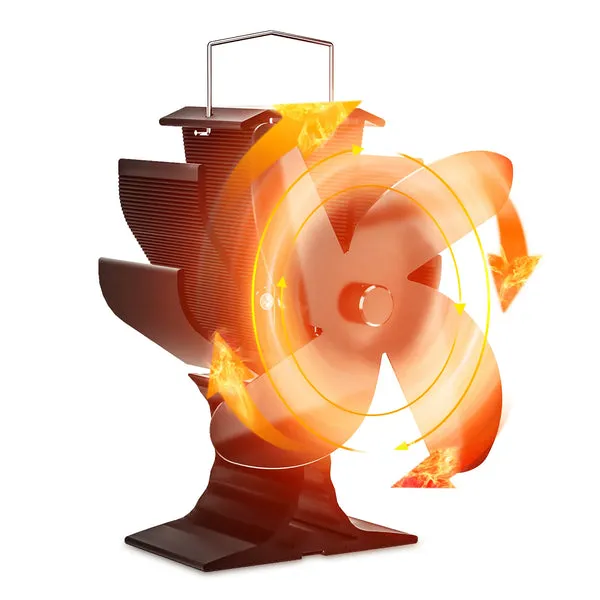
The magic behind a wood stove fan lies in thermoelectric technology. Inside the base of the fan sits a thermoelectric module (Peltier device) that converts heat directly into electricity when one side gets hot and the other stays cool. The hot side touches your stove; the cool side faces the room. That temperature difference generates just enough power to spin the motor.
No plug required. No batteries to replace. The hotter your stove burns, the faster the fan spins. This self-regulating design means you get more air circulation when you need it most.
Do Signstek wood stove fans actually spin without power?
Yes. The wood burning stove fan models from Signstek start moving around 50-60°C on the stove surface and reach steady speeds by 100°C.
The key is placement. Your stove needs to reach adequate heat for the thermoelectric module to generate voltage. Cold stoves or slow burns won’t spin the fan. But during normal wood burning, especially in the evening hours when you’re getting a good fire going, these fans perform reliably.
Signstek’s stove fan models are built with efficient thermoelectric elements that require less temperature differential than older designs. Check the latest price to see current options and grab the 5% discount on all orders.
Heat powered vs. battery powered: which makes sense?
| Feature | Heat Powered Fan | Battery Fan |
|---|---|---|
| Power source | Stove temperature | AA/AAA batteries |
| Runtime | Continuous when stove is hot | 6-12 months typical |
| Maintenance | None | Battery replacement |
| Upfront cost | Higher | Lower |
| Best for | Full-time wood burners | Occasional use |
A heat powered fan costs more upfront but eliminates battery hassles. If you burn wood daily during winter, the no-maintenance angle wins. Battery models suit backup or occasional heating. Signstek focuses on the heat-powered category because customers prefer “set it and forget it” operation.
Real heat distribution benefits
Wood stove fans aren’t hype. According to Bob Vila’s stove fan guide, these units improve room heating efficiency by 15-20% by pushing warm air away from the stove instead of letting it rise straight to the ceiling. That means more comfortable heat where people actually sit.
For a wood stove fan to deliver real value, your room should be at least 150 square feet.
Materials and durability
Signstek’s models use aluminum and stainless steel where they contact heat. The thermoelectric module and motor are sealed inside, protected from direct flame. Fan blades typically last 3-5 years of regular use before bearing wear slows them noticeably.
The log burning fans line uses similar components across models, with minor differences in blade count and motor torque. Heat powered designs have fewer parts that wear compared to battery fans, which makes them inherently more durable.
Who benefits most from a wood stove fan
A heat powered fan makes the most sense if you:
- Burn wood as primary or secondary heating in winter
- Have a living space larger than 200 square feet
- Want to reduce ceiling heat waste
- Prefer maintenance-free operation
- Already have a stove that reaches 100°C during normal burning
Signstek’s wood burning stove fan sits at the practical middle ground: affordable enough that the utility pays back within one season, yet engineered well enough to last years. Grab the code to lock in 5% off your order.
If you only use your stove occasionally or heat smaller spaces, a battery-powered model might serve you better. But for steady winter heating, a heat powered wood stove fan from Signstek handles the job reliably without electricity or fussing.
Final verdict
Yes, a wood stove fan really does work without electricity. The thermoelectric technology is proven, Signstek’s execution is solid, and the efficiency gains are measurable. Heat powered designs require no batteries, no cords, and no ongoing maintenance. They’re simple tools that do one job well: moving warm air where you need it.
Test one during your next heating season and you’ll likely keep it running year after year.
Questions
At what temperature does a wood stove fan start spinning?
Most heat powered wood stove fans, including Signstek models, begin spinning around 50-60°C (122-140°F) on the stove surface. They reach full speed by 100°C (212°F), which is typical for an active wood fire.
Do I need to replace batteries in a heat powered wood stove fan?
No. Heat powered fans generate electricity from the temperature difference between the stove and room air, so they need no batteries, plugs, or external power source.
How much will a wood stove fan improve my heating?
A heat powered fan typically improves room heating efficiency by 15-20% by circulating warm air away from the stove into living spaces. Results depend on room size, stove temperature, and fire intensity.
Can I use a wood stove fan on any wood burning stove?
Heat powered wood stove fans work on any wood stove that reaches 100°C during normal burning. Check that your stove surface is flat enough for stable placement and that the fan sits safely away from the chimney pipe.
What makes Signstek's wood stove fan different from other brands?
Signstek focuses on efficient thermoelectric modules that require less temperature differential to start, sealed motor designs for durability, and competitive pricing. Many users report reliable multi-year operation.
Is a heat powered fan or battery-powered fan better for occasional use?
Battery fans suit occasional heating because they don't depend on stove temperature. Heat powered fans excel for daily winter burning, where they run continuously without battery replacement costs.
Products in this guide
Shopping at Signstek? See the discount code
5% OFF All Orders
More in this series
 Troubleshooting Your Signstek Smart Lock: Common Keypad Problems and Fixes26 Aug 20264 minSignstek Heat Powered Fan for Wood Burning Stoves: What to Know Before You Buy26 Aug 20264 minSignstek Keypad Door Lock vs Traditional Keys: Which is Right for Your Home?26 Aug 20264 min
 How to Install Signstek Barn Door Hardware: A Step-by-Step Guide26 Aug 20264 min