 A EMIAH Store guide
Do You Really Need a Chair Mat for Carpet?
A carpet chair mat can protect high-traffic areas under your desk chair, but the wrong type may crush fibers or trap moisture.
A chair mat for carpet protects the fibers under your office chair from compression and wear, but only when the thickness and cleat length match your carpet’s pile. On the wrong carpet, or left unchecked for too long, the same mat can trap moisture or crush the pile it was meant to protect.
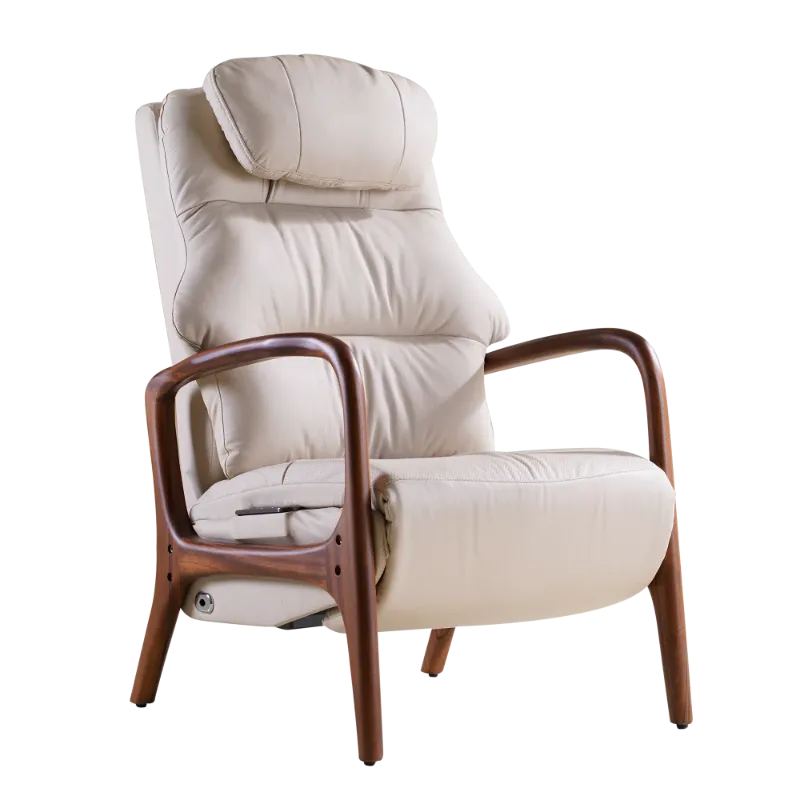
Most home offices sit on carpet, and rolling a chair across the same path every day flattens fibers and eventually wears through to the backing. A carpet chair mat spreads that weight over a larger area and lets the chair glide more smoothly, but a mat with the wrong cleat length can rock and buckle on thicker carpet instead of helping.
When a chair mat actually protects carpet
Chair mats work best on low-pile carpet, generally under half an inch, in rooms where you roll the chair frequently. Spreading the chair’s weight over a larger surface helps prevent the compression lines that come from rolling the same path day after day.
Situations where a mat is worth adding:
- You use a chair with hard casters that dig into carpet
- Your carpet already shows visible wheel tracks or flattened areas
- You roll your chair often, for example between monitors or during calls
- The room has builder-grade loop carpet that snags easily on wheels
If you spend most of the day at your desk and your carpet is already showing wear, check the latest price on a mat before you end up needing to replace the whole carpet.
Materials for thick carpet versus thin
Not every mat suits every carpet. Vinyl mats with cleats, small spikes on the underside, grip carpet well but can crush a thick pile, while a flat, cleat-free mat can slide around on plush carpet with no grip at all.
| Material | Best for | Drawback |
|---|---|---|
| Vinyl with cleats | Low-pile carpet, berber | Heavier, can crack in cold rooms |
| Polycarbonate | Medium-pile carpet, hardwood | Slips on thick carpet without cleats |
| Bamboo | Decorative look, low-pile carpet | No cleats, limited grip on carpet |
Vinyl mats are the traditional choice, with grip cleats built for daily rolling. Look for at least a quarter-inch thickness to resist cracking. Bamboo mats look more decorative but generally lack cleats and work better on hard floors than on carpet with any real pile. Wood mats offer a similar look with the same limited traction on carpet, unless paired with a rug pad underneath.
For carpet thicker than three-quarters of an inch, cleats longer than the standard quarter-inch are usually necessary, or the mat will sink and rock. The Carpet Chair Mats buyer’s guide from Uline covers cleat-length recommendations by pile depth in more detail.
When a mat causes more damage than it prevents
Mats can trap moisture, mold spores and dirt between the plastic and the carpet, particularly in humid climates or basements. Thin vinyl mats can also crack under a heavy chair frame over time, leaving sharp edges that snag carpet and catch wheels.
Signs a mat may be doing more harm than good:
- A musty smell when you lift the mat
- Discoloration or mildew underneath after a few months
- Carpet fibers matted flat in the exact shape of the mat
- Cracked edges cutting into the pile or catching your chair wheels
If your room runs humid, or your carpet pad is memory foam, a mat can end up doing more harm than good. In those cases, switching to soft casters or adding a breathable rug under your desk is a safer bet than a solid plastic barrier.
Sizing and placement
A standard mat measures 36 by 48 inches, which fits a compact desk. If you use a wide chair or roll side to side between dual monitors, a larger mat prevents you from rolling off the edge and gouging the carpet border.
General sizing rules:
- Measure your chair’s full swivel radius and add extra space in every direction
- Rectangular mats suit corner desks; T-shapes fit under a keyboard tray
- If your chair has armrests, add a bit more width so they clear the mat edge
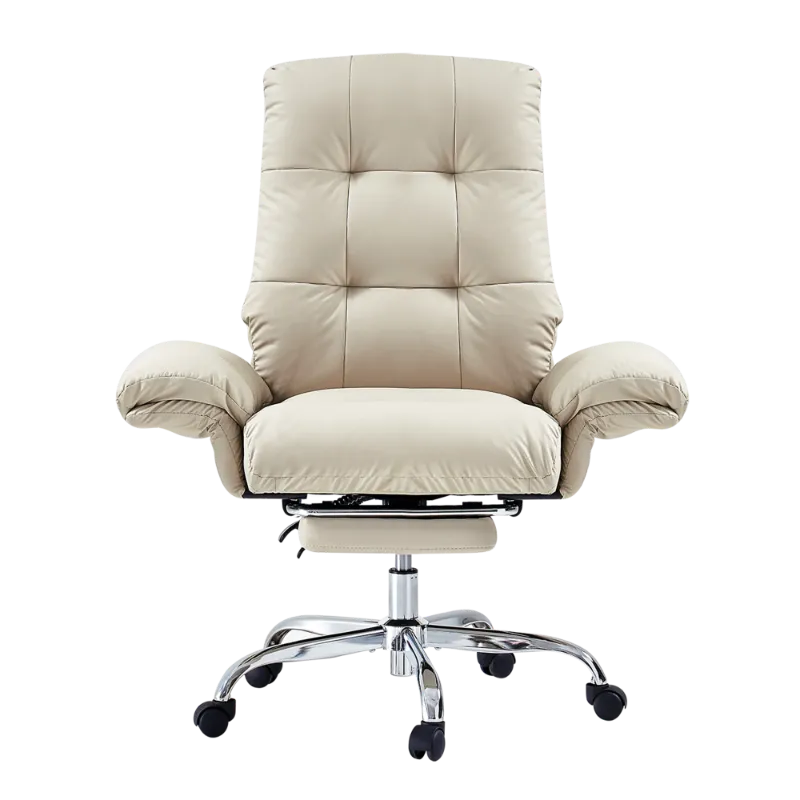
An office chair mat that is too small forces you to roll on and off it repeatedly, which creates a lip that catches wheels and works against the protection it is meant to offer. Check the current code from EMIAH Store if you need a larger size.
Alternatives when you do not need a mat
Not every home office needs a mat. If you have plush carpet, work from a mostly stationary position, or prefer the feel of carpet underfoot, a few alternatives protect carpet without plastic.
- Soft rubber casters: Rollerblade-style wheels distribute weight and glide smoothly on carpet without a mat underneath
- An area rug: A low-pile rug over your carpet adds a layer of protection and helps define your workspace
- A stationary chair: If you rarely roll, a glider or fixed-leg chair removes the need for a mat entirely
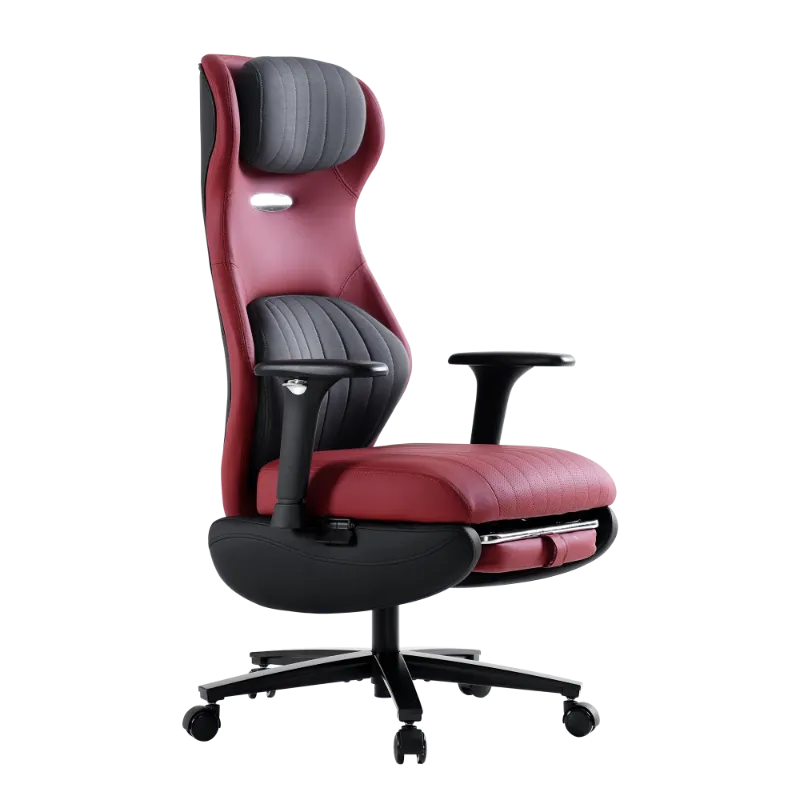
If you are furnishing a living-room workspace and want a cohesive look, a set of modern accent chairs paired with a decorative rug can work better visually than a plastic mat. The chair mat guide from Office Depot covers other scenarios where skipping a mat makes sense. For hardwood or laminate rooms, look specifically for a mat with a smooth underside meant for hard floors, since a carpet mat’s cleats will scratch a hard surface.
Our take on protection versus damage
A carpet chair mat can prevent wear and make rolling easier on low- to medium-pile carpet, as long as the cleat length matches your pile depth and you check occasionally for moisture buildup underneath. If your carpet is plush, thicker than three-quarters of an inch, or in a humid room, the risks can outweigh the benefits.
A mat generally makes sense for builder-grade loop carpet, frequent rolling and dry climates. For thick or luxury pile, or a humid space, soft casters or an area rug are often the safer choice. Check current pricing and the code at EMIAH Store to compare mat options for your specific carpet.
Questions
Will a carpet chair mat damage my thick carpet?
It can, if the cleats are too short or moisture gets trapped underneath. For carpet thicker than three-quarters of an inch, look for longer cleats or consider soft casters instead of a mat.
What is the best chair mat for carpet in a home office?
Vinyl mats with quarter-inch cleats generally work well for low- to medium-pile carpet. Bamboo and wood mats offer a more decorative look but tend to lack the grip needed on thicker pile.
Do I need a mat if my office chair has soft casters?
Soft rollerblade-style casters already distribute weight and glide well on carpet, so a mat becomes optional unless you want faster rolling or already see wear tracks.
How do I stop my chair mat from sliding on carpet?
Choose a mat with cleats on the underside sized for your carpet's pile depth. A mat without cleats is likely to slide on anything thicker than a low pile.
Can I use the same mat on carpet and hardwood floors?
No. Carpet mats have cleats that will scratch hardwood, and hardwood mats have a smooth underside that slips on carpet. Match the mat type to your actual flooring.
How often should I lift my carpet mat to check for damage?
Checking every few months for moisture, mildew or crushed fibers is a reasonable habit. In humid climates or basements, checking monthly is safer.
Products in this guide
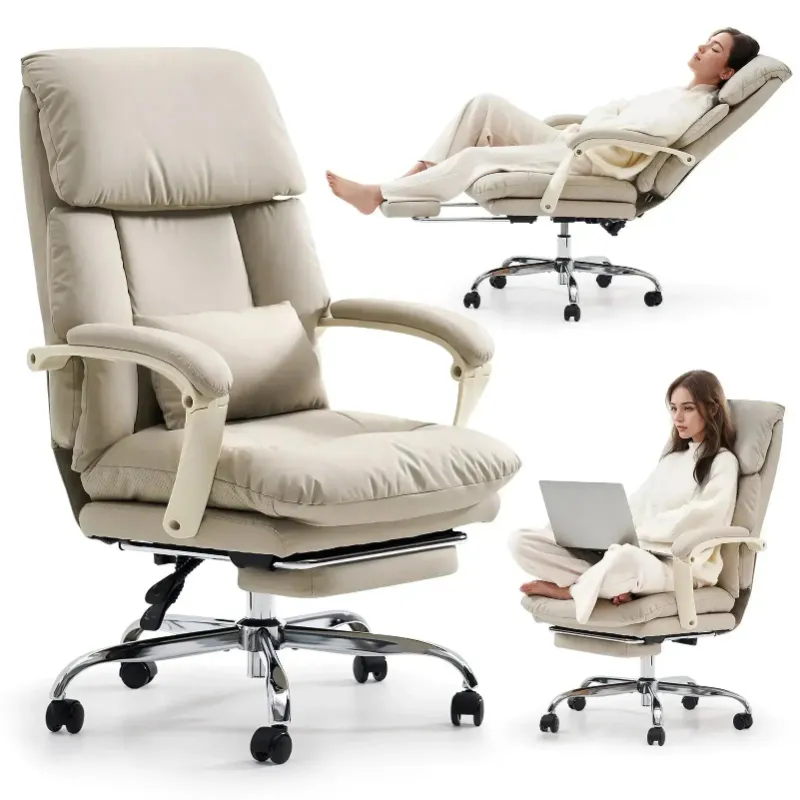
 Shopping at EMIAH Store? See the discount code
10% OFF All Orders
Shopping at EMIAH Store? See the discount code
10% OFF All Orders
More in this series
What to Look for in an Ergonomic Office Chair for Lower Back Pain10 Aug 20265 minHow Long Do Modern Accent Chairs Last? Durability by Material and Brand10 Aug 20265 minOffice Chair Mat vs Carpet Chair Mat: Which One Should You Buy?10 Aug 20266 minHow to Choose Between Leather and Fabric Recliners for Your Living Room10 Aug 20265 minHow to Choose the Best Office Chair for Back Pain10 Aug 20264 min