 A EMIAH Store guide
Office Chair Mat vs Carpet Chair Mat: Which One Should You Buy?
An office chair mat protects your floor and makes rolling easier, but choosing between a standard mat and a carpet chair mat depends on your floor type and office setup.
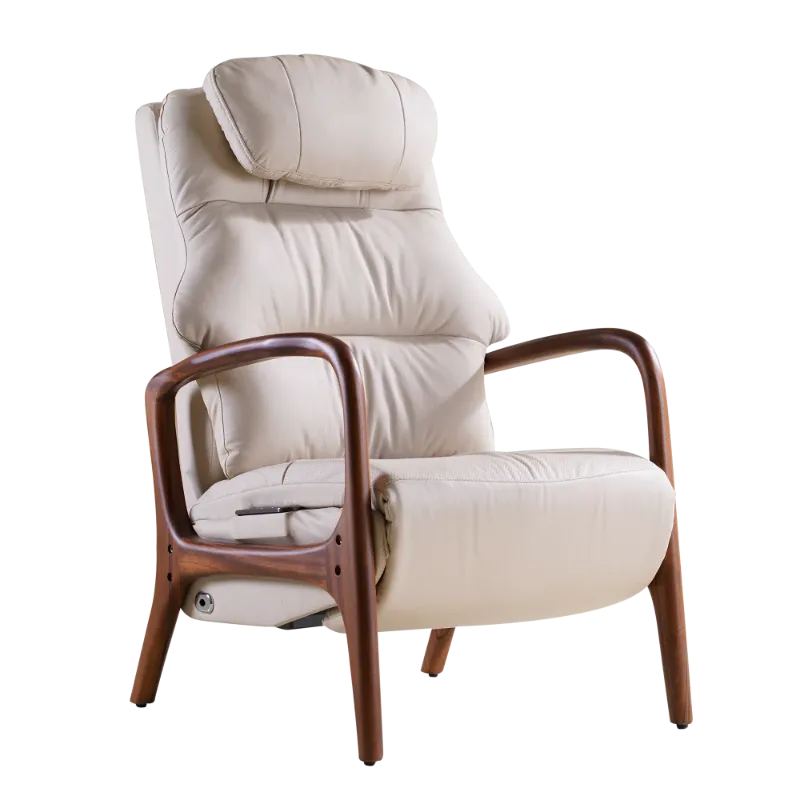
An office chair mat protects floors from scratches and makes chair movement smoother, but the right choice depends entirely on your floor type. Standard mats work best on hard surfaces like hardwood, tile, and laminate, while a carpet chair mat features cleats or grips designed to anchor into carpet fibers. Picking the wrong type leads to sliding, bunching, or even floor damage.
Whether you’re pairing it with an office chair mat for tile or hardwood, or need something that grips thick carpet pile, this guide breaks down materials, sizing, and where each type shines.
Understanding the Two Main Types
The core difference lies in how each mat interacts with your floor. Standard office chair mats feature a smooth bottom surface designed for hard floors like hardwood, tile, laminate, and vinyl. They glide easily and protect against scratches, dents, and scuff marks from caster wheels.
Carpet chair mats flip that design with cleats, spikes, or textured grips on the underside that dig into carpet fibers. This anchoring system prevents the mat from sliding around as you roll your chair. The top surface remains smooth for easy movement, but the bottom locks into place.
Key distinctions:
- Hard floor mats: smooth back, often thinner (2mm to 3mm), protect against scratches
- Carpet mats: cleated back, thicker build (2.5mm to 4mm+), prevent bunching and sinking
- Hybrid options: reversible designs exist but rarely perform as well as dedicated types
Chair Mats at Office Depot OfficeMax outlines industry standards for thickness and cleat design, which helps when comparing specs across brands.
Office Chair Mat for Hardwood Floor and Tile
Hard surface mats prioritize scratch prevention and smooth rolling. If you have hardwood, laminate, tile, or vinyl plank flooring, you need a mat without cleats. Cleats on hard floors create pressure points that can scratch or crack the surface.
What works best on hard floors:
- Polycarbonate mats: ultra-durable, crystal-clear, resist cracking in cold rooms
- PVC mats: budget-friendly, slight texture, can yellow over time
- Glass mats: premium option, tempered for strength, modern aesthetic
- Thickness: 2mm to 3mm is ideal; thicker versions add unnecessary bulk
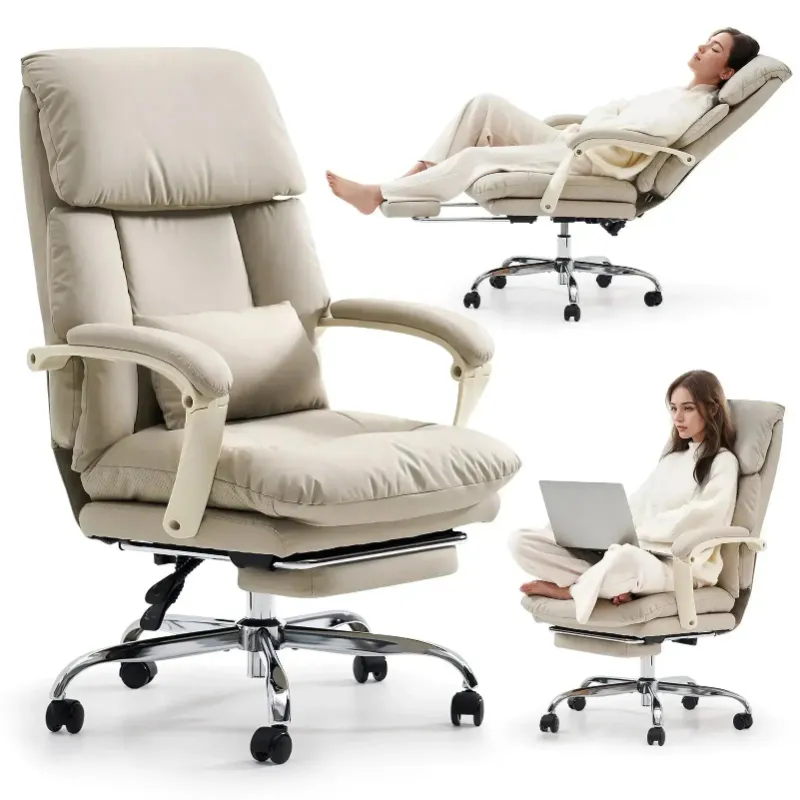
An office chair mat for tile floor should include a non-slip backing or gripper tape to prevent sliding on smooth surfaces. Hardwood floors benefit from felt pads or rubber corners that won’t mar the finish. Pairing your mat with the best office chair 2026 ensures both comfort and floor protection work in tandem.
If you’re shopping for your setup, grab the code to save 10% on mats designed for hard surfaces.
Office Chair Mat for Thick Carpet
Carpet presents unique challenges. Standard mats slide, bunch, or sink into plush pile, creating an unstable rolling surface. A dedicated carpet chair mat solves this with longer cleats that penetrate deep enough to anchor securely.
Carpet thickness guide:
| Carpet Type | Recommended Cleat Length | Mat Thickness |
|---|---|---|
| Low pile (< 0.5″) | Short cleats (0.25″ to 0.375″) | 2.5mm to 3mm |
| Medium pile (0.5″ to 0.75″) | Medium cleats (0.375″ to 0.5″) | 3mm to 3.5mm |
| Thick/plush pile (> 0.75″) | Long cleats (0.5″+) | 3.5mm to 4mm+ |
For office chair mat for thick carpet installations, measure your carpet pile height before buying. Cleats that are too short won’t anchor properly, while excessively long cleats can damage carpet backing over time. Chair Mats, Office Chair Mats in Stock provides detailed cleat specifications for industrial-grade options.
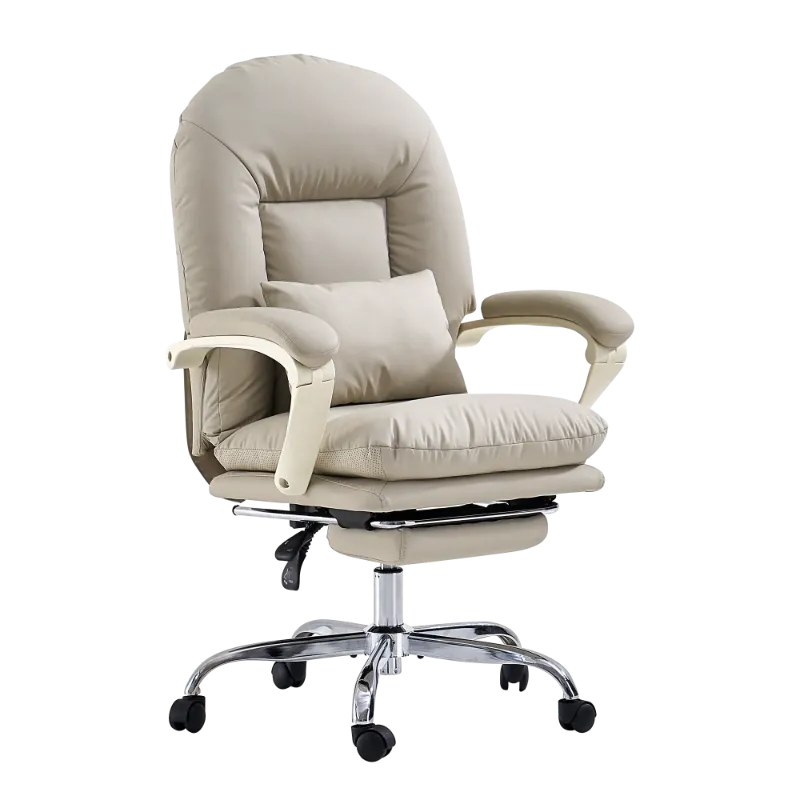
The material still matters. Polycarbonate holds up better under repeated stress than PVC, especially in high-traffic home offices. If your workspace includes a best office chair for back pain, a stable mat foundation prevents tipping and maintains proper ergonomic positioning.
Material Comparison: Glass, Polycarbonate, and PVC
Each material brings trade-offs in durability, cost, and aesthetics.
Polycarbonate:
- Most durable for daily rolling and chair weight
- Resists cracking in temperature extremes
- Can scratch over years but remains functional
- Mid to high price range
PVC:
- Budget-friendly entry point
- Softens in heat, can warp near windows
- May contain phthalates (check certifications)
- Prone to yellowing after 1 to 2 years
Office chair mat glass:
- Premium aesthetic, tempered for safety
- Easiest to clean, resists stains completely
- Heaviest option, requires careful installation
- Higher upfront cost but long lifespan
Glass works beautifully on hard floors but isn’t manufactured with cleats for carpet. If you want a glass mat, you’re committed to hard surface use. For carpet, polycarbonate remains the gold standard. Check the latest price to compare material costs across our tested models.
Sizing and Shape: Rectangle vs Contour
Most mats come in rectangular or contoured (chairmat with lip) shapes. Rectangles offer maximum coverage and work well under desks with side returns. Contoured mats include a lip extension that reaches under the desk, protecting the area where you rest your feet.
Standard sizes:
- 36″ x 48″: compact home office, small desks
- 45″ x 53″: most common, fits standard desks
- 48″ x 60″: executive desks, L-shaped workstations
- Custom cuts: available from specialty suppliers
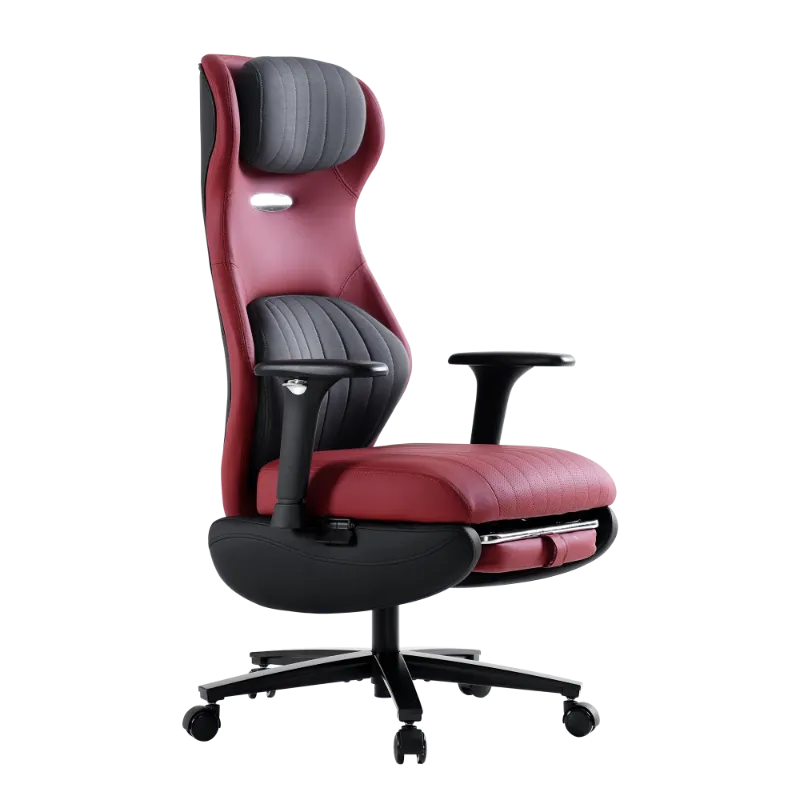
Measure your chair’s roll radius by sitting at your desk and reaching as far as you comfortably move in all directions. Add 6 to 12 inches to that measurement for safety margin. If your desk setup includes modern accent chairs for guests, consider a larger mat that accommodates extra seating movement.
Office Chair Mats offers a size calculator tool that factors in desk dimensions and chair caster width.
Who Should Choose Which Type
Your floor type makes the decision straightforward, but usage patterns matter too. High-traffic offices with multiple users benefit from thicker, more durable materials even if initial cost is higher. Home offices with light use can opt for budget PVC without sacrificing function.
Choose a standard hard floor mat if:
- You have hardwood, laminate, tile, or vinyl flooring
- You want to prevent scratches and dents from casters
- You prefer a sleek, barely-there appearance
- Your office stays climate-controlled year-round
Choose a carpet chair mat if:
- Your workspace has any carpet pile depth
- Your current mat slides or bunches when you roll
- You need stability for ergonomic chair adjustments
- You’re placing the mat over carpet pad or underlayment
If you’re outfitting a home office from scratch, pairing the right mat with a quality chair makes the biggest difference. A leather recliner for break time and proper floor protection create a workspace that’s both comfortable and professional.
Maintenance and Longevity
All mats require periodic cleaning to maintain smooth rolling. Dust, hair, and debris create friction that makes chairs harder to move and accelerates wear on both mat and casters.
Care tips by material:
- Polycarbonate and PVC: wipe with damp microfiber cloth weekly, avoid ammonia-based cleaners
- Glass: use standard glass cleaner, no special treatment needed
- Carpet mats: vacuum underside quarterly to remove carpet fibers stuck in cleats
Expect 3 to 5 years from quality polycarbonate mats with daily use, 2 to 3 years from PVC, and 7+ years from tempered glass. Carpet mats wear faster because cleats gradually compress carpet fibers, reducing grip over time.
For the best value, visit our store page to apply the current 10% discount on all chair mats. We update deals monthly based on manufacturer promotions and seasonal inventory.
Making Your Final Decision
Start with your floor type, then filter by budget and aesthetic preference. An office chair mat for hardwood floor or tile requires zero cleats, while carpet demands proper cleat length for your specific pile depth. Material choice comes down to how much you’re willing to invest upfront versus replace later.
We recommend polycarbonate for most users because it balances cost, durability, and performance across both hard floors and carpet. Glass suits design-focused offices with hard floors, while PVC works for temporary setups or rental spaces where longevity isn’t critical.
Pair your mat choice with the right chair and you’ll have a workspace that protects your floors, supports your posture, and rolls smoothly for years. Whether you’re setting up a home office or upgrading corporate furniture, the right foundation makes every workday more comfortable.
Questions
Can I use an office chair mat on both carpet and hardwood?
No, you need different mats for each surface. Carpet chair mats have cleats that anchor into fibers but will scratch hard floors, while smooth-backed mats for hardwood will slide on carpet. Reversible mats exist but perform poorly on both surfaces.
How thick should a chair mat be for plush carpet?
For plush or thick pile carpet over 0.75 inches, choose a mat that's at least 3.5mm to 4mm thick with cleats longer than 0.5 inches. Thinner mats will sink and create an unstable rolling surface.
Do glass chair mats work better than plastic?
Glass mats are more durable and easier to clean than plastic, but they only work on hard floors since they can't be made with carpet cleats. They cost more upfront but typically last 7+ years versus 3 to 5 years for polycarbonate.
Will a chair mat damage my hardwood floor?
A proper hard floor mat without cleats protects hardwood from scratches and dents. Choose one with a smooth back and add felt pads or gripper corners to prevent sliding. Avoid using carpet mats on hardwood as the cleats will cause damage.
What size chair mat do I need for a standard desk?
A 45 by 53 inch mat fits most standard desks. Measure your chair's full roll radius in all directions and add 6 to 12 inches. L-shaped or executive desks typically need 48 by 60 inches or larger.
How often should I replace my office chair mat?
Quality polycarbonate mats last 3 to 5 years with daily use, PVC mats last 2 to 3 years, and glass mats last 7+ years. Replace sooner if you notice cracking, warping, or if carpet mat cleats no longer grip properly.
Products in this guide
 Shopping at EMIAH Store? See the discount code
10% OFF All Orders
Shopping at EMIAH Store? See the discount code
10% OFF All Orders
More in this series
What to Look for in an Ergonomic Office Chair for Lower Back Pain10 Aug 20265 minHow Long Do Modern Accent Chairs Last? Durability by Material and Brand10 Aug 20265 minHow to Choose Between Leather and Fabric Recliners for Your Living Room10 Aug 20265 minDo You Really Need a Chair Mat for Carpet?10 Aug 20264 minHow to Choose the Best Office Chair for Back Pain10 Aug 20264 min