 A Fosi Audio guide
How Long Should an RCA to RCA Cable Be for Home Audio?
The ideal rca to rca cable length balances reach and signal integrity, so measure the path and buy the shortest length that reaches with some slack.
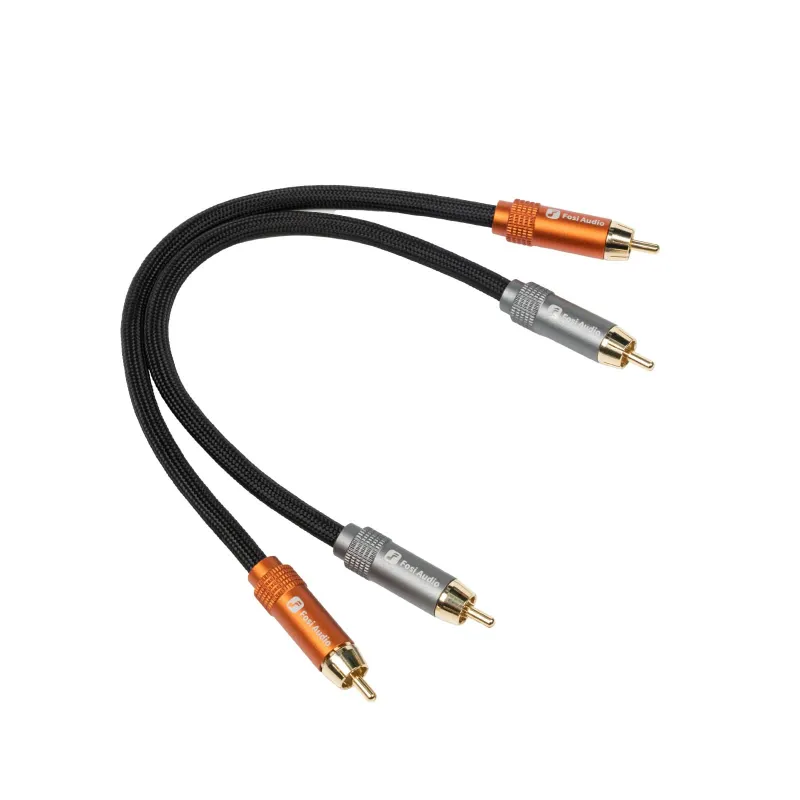
An rca to rca cable should be the shortest length that reaches between your components with a little slack, so measure first and check whether 3 or 6 feet covers it. Shorter cables minimize resistance and interference, while longer runs risk audible signal degradation, especially in unbalanced connections common in turntables, phono preamps, and subwoofers. Our Fosi Audio discount code page lists the current code and how to use it.
How Cable Length Affects RCA Audio Quality
Every foot of cable adds capacitance and resistance. In an unbalanced RCA connection, the signal travels through a center conductor surrounded by a ground shield. Longer cables pick up more electromagnetic interference from power cables, Wi-Fi routers, and other electronics, which manifests as hum or reduced high-frequency clarity.
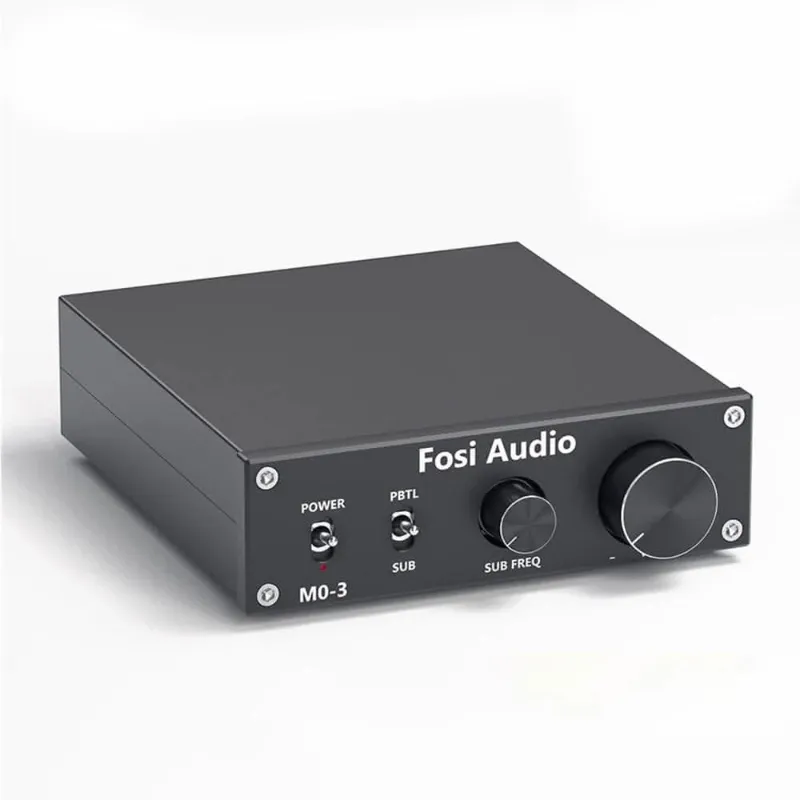
For subwoofer applications, bass frequencies tolerate longer runs better than mids and highs. A 10 to 15-foot rca to rca subwoofer cable between a sub amp and receiver works well because low frequencies are less susceptible to capacitance-related rolloff. If your subwoofer sits across the room from your main system, you will need a longer cable.
RCA to RCA Cable Lengths by Component
Different components demand different approaches. Here are starting points to measure against:
| Component Connection | Starting Length | Why |
|---|---|---|
| Turntable to phono preamp | 3 feet | Minimizes noise in the weakest signal stage |
| Preamp to amplifier | 3 to 6 feet | Balances desktop and rack spacing |
| Receiver to subwoofer | 10 to 15 feet | Allows flexible sub placement for room acoustics |
| DAC to powered monitors | 3 to 6 feet | Keeps desktop clutter minimal |
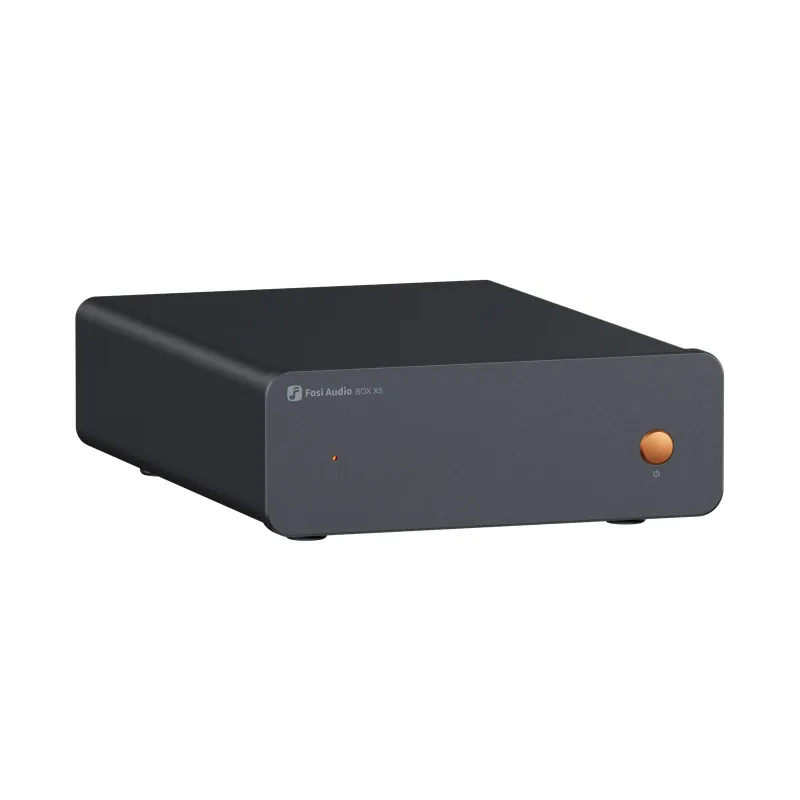
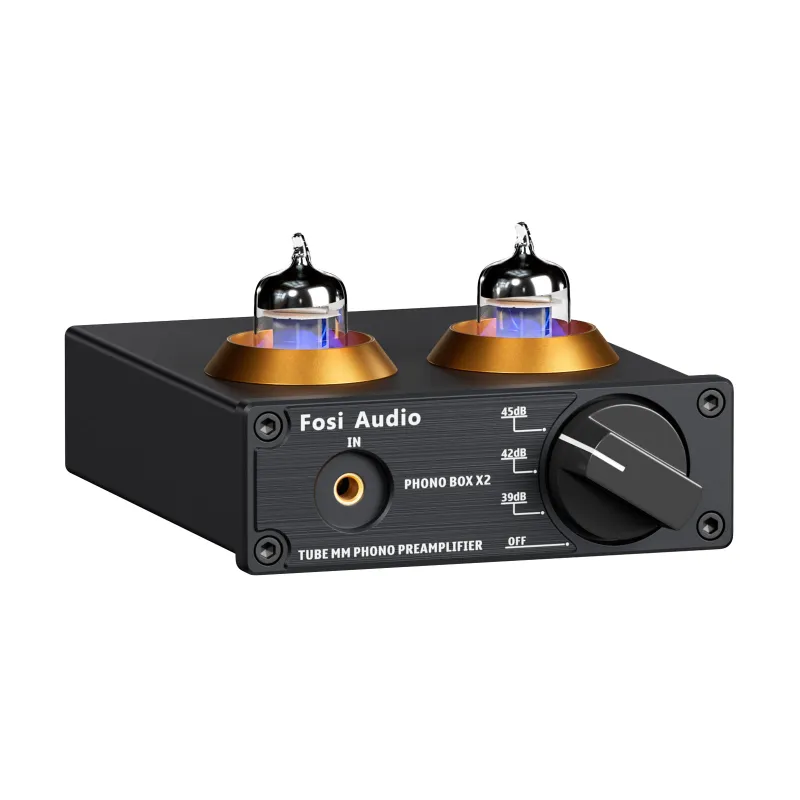
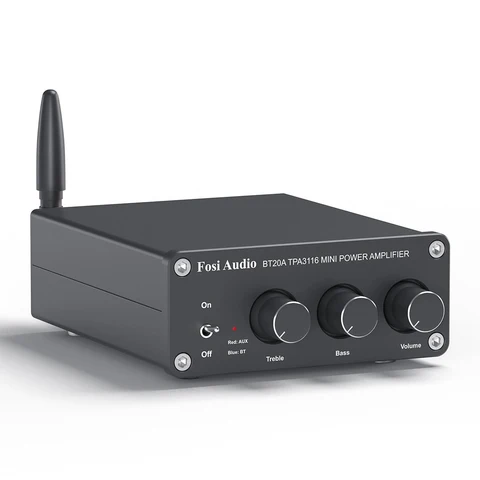
When connecting a phono preamp to a Fosi Audio BT20A Bluetooth stereo receiver, keep the cable as short as practical to preserve the delicate RIAA-equalized signal. Phono-level signals are much weaker than line-level, so every inch of unnecessary cable invites hum.
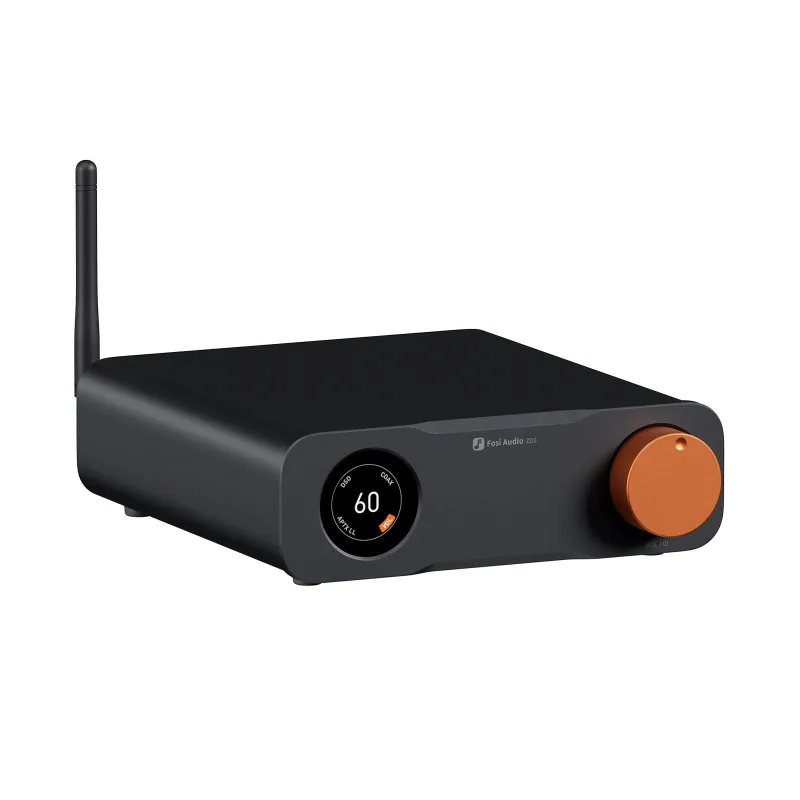
For desktop setups pairing a Fosi Audio ZD3 desktop DAC or FiiO K7 with powered speakers, measure first; 3 feet covers components that sit on the same surface, and shorter cables reduce clutter.
Choosing the Right RCA to RCA Cable for Your Setup
Check material and shielding as well as length. Look for oxygen-free copper conductors and dual-layer shielding (braided plus foil) to reject interference. Gold-plated connectors resist oxidation.
Look for cables with molded strain reliefs rather than bare solder joints. The Well-built rca to rca cable designs protect the weakest mechanical point where the plug meets the wire.
Spend your money on amplifier and subwoofer upgrades before chasing exotic cable geometries.
Avoid coiling excess cable behind your rack. Coils create inductance that can interact with the signal, especially at longer lengths. If you must use a 10-foot cable in a 6-foot space, route it in a loose S-shape rather than a tight loop.
When to Use Longer RCA Cables
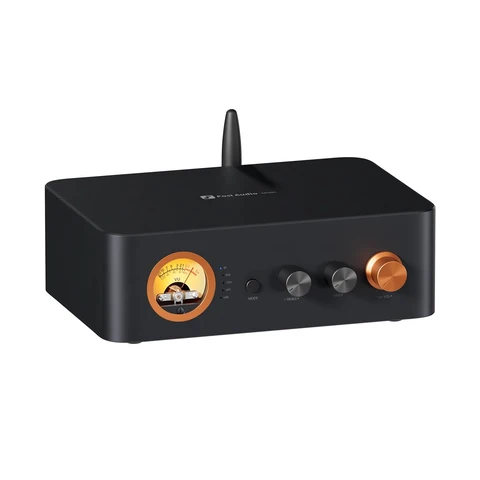
Some situations demand longer runs despite the tradeoffs. If your Fosi Audio MC351 2.1 channel integrated amplifier sits in an equipment closet across the room from the subwoofer, prioritize well-shielded cables and route them away from AC power lines.
If you’re running cables across a room, keep them perpendicular to power cables where they must cross. Parallel runs create the most opportunity for interference. Secure cables to baseboards with adhesive clips to prevent accidental tugs that stress the solder joints.
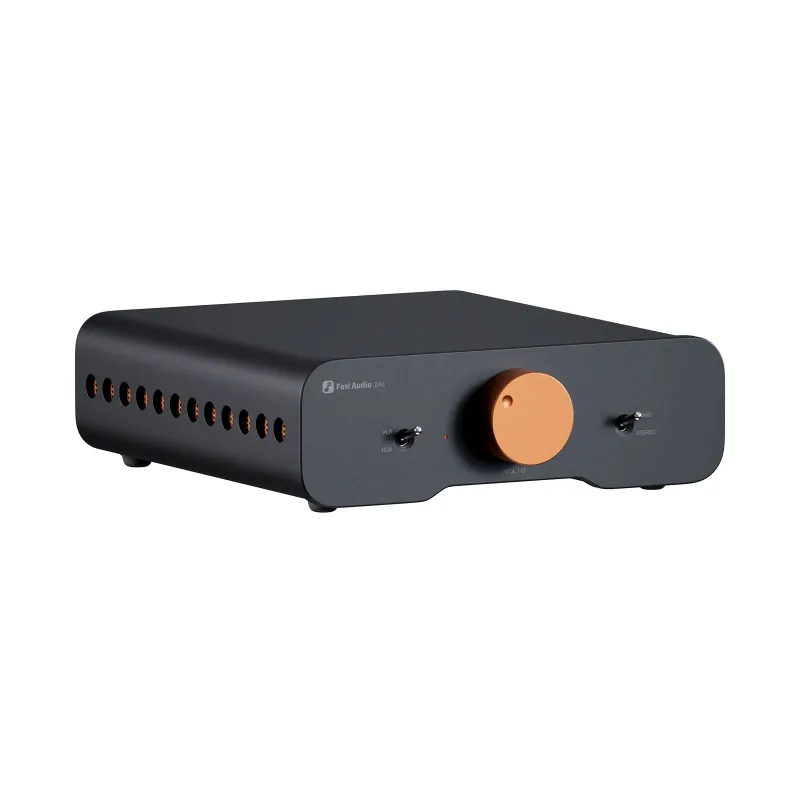
For systems using an audio amp in a separate room, consider balanced XLR connections instead of RCA if your gear supports them. Balanced lines reject noise far better over long distances, and Fosi’s ZA3 amplifier, for example, has a balanced XLR input.
Measuring Your Space Before You Buy
Measure the actual path your cable will travel, not just the straight-line distance between components. Add 12 to 18 inches for slack so connectors don’t sit under tension. A cable pulled taut wears faster and risks pulling loose during cleaning or rearrangement.
Sketch your equipment layout and note obstacles like furniture legs or wall outlets. A 6-foot cable might reach in a straight line but fall short when routed around a cabinet.
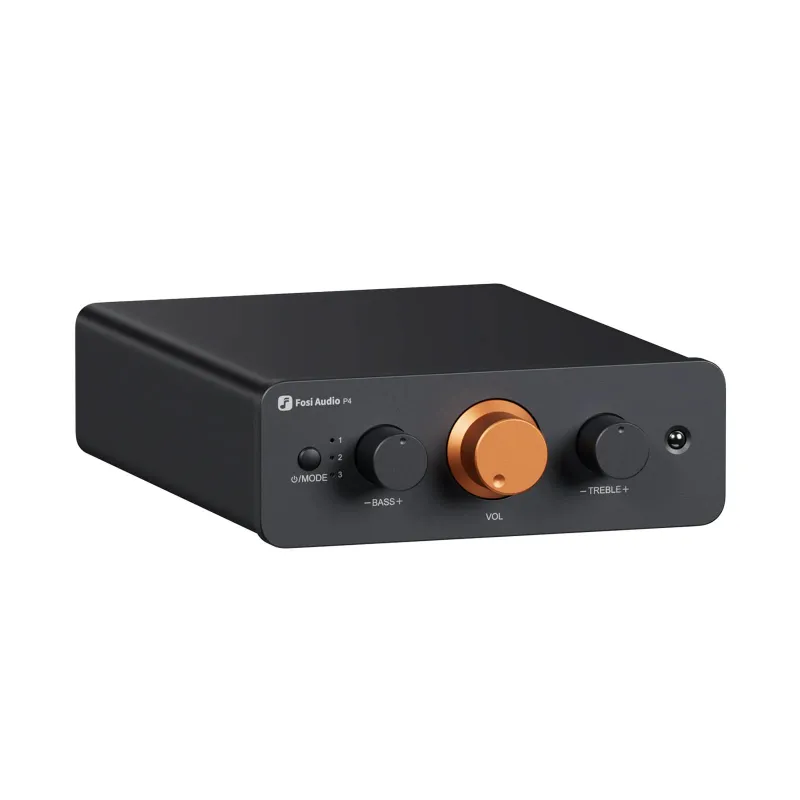
For turntable setups, place your P4 preamp or receiver within 3 feet of the turntable if possible. This minimizes both the tonearm ground wire run and the RCA signal path, reducing hum from ground loops.
For a DAC and powered monitors, measure from the DAC’s rear panel to each speaker’s input, then add slack. RCA audio cables are sold in set lengths, so round up to the next size.
Cable Management Tips for Clean Signal Paths
Once you’ve chosen the right length, proper routing preserves signal quality. Separate RCA cables from power cables by at least 6 inches wherever possible. If they must cross, do so at a 90-degree angle to minimize the length of parallel run.
Use Velcro ties instead of plastic zip ties behind your equipment rack. Velcro allows easy adjustments without cutting and re-tying, and it doesn’t compress the cable shield as aggressively. Over-tightened zip ties can deform the dielectric and alter capacitance.
Label both ends of each cable with tape or heat-shrink marked “L” and “R” for stereo pairs. This saves troubleshooting time when you add components or rearrange your system. Unlabeled cables can cost you hours of tracing through crowded equipment racks.
Keep spare cables in common lengths. A 3-foot and a 6-foot spare let you test whether a suspected cable fault is causing hum or dropouts. Connectors wear with repeated plugging, and having a backup on hand beats waiting for shipping when you want to listen.
Questions
How long should an rca to rca cable be between a turntable and amplifier?
Keep the cable as short as your layout allows for turntable connections. Phono signals are extremely weak and vulnerable to interference, so shorter cables deliver cleaner sound with less hum.
Can I use a 15-foot RCA cable for my subwoofer without losing bass quality?
Yes, bass frequencies tolerate longer cable runs much better than mids and highs. A well-shielded 10 to 15-foot cable works fine for subwoofer placement, though you should still avoid running it parallel to power cables.
Does cable length affect Fosi Audio amplifiers differently than other brands?
No, cable length impacts all amplifiers the same way because the physics of signal transmission don't change by brand. Fosi Audio gear uses standard RCA inputs, so the same measuring advice applies.
Should I buy the exact cable length I need or go longer for flexibility?
Add 12 to 18 inches to your measured distance for slack and routing around obstacles. A cable under tension wears faster and risks pulling loose, but avoid excess length that must be coiled tightly.
Will a cheap RCA cable work as well as an expensive one for short runs?
For short runs, look for solid shielding and build quality rather than a boutique price. Spend your budget on better amplifiers or speakers instead.
How do I reduce hum when I need a longer RCA cable run?
Choose cables with dual-layer shielding (braided plus foil), route them perpendicular to power cables where they cross, and keep at least 6 inches of separation along parallel runs. If your gear supports balanced XLR connections, use them for long runs.
Products in this guide
 Shopping at Fosi Audio? See the discount code
10% OFF Sitewide
More in this series
The Complete Guide to Setting Up a 2.1 System With the Fosi Audio MC35130 Jul 20266 minFosi Audio P4 Preamp: What It Does and Who It Suits30 Jul 20263 minDo You Need a Separate DAC With the Fosi Audio ZA3 Amplifier?30 Jul 20264 minHow to Connect a Turntable Preamp to Your Fosi Audio Amplifier30 Jul 20263 minFosi Audio BT20A vs FiiO K5 Pro: Which Budget Audio Solution Is Right for Your Setup?30 Jul 20264 min