 A Fosi Audio guide
Do You Need a Separate DAC With the Fosi Audio ZA3 Amplifier?
The fosi audio za3 balanced stereo amplifier does not require a separate DAC if your source already outputs analog audio, but adding one significantly improves digital playback quality.
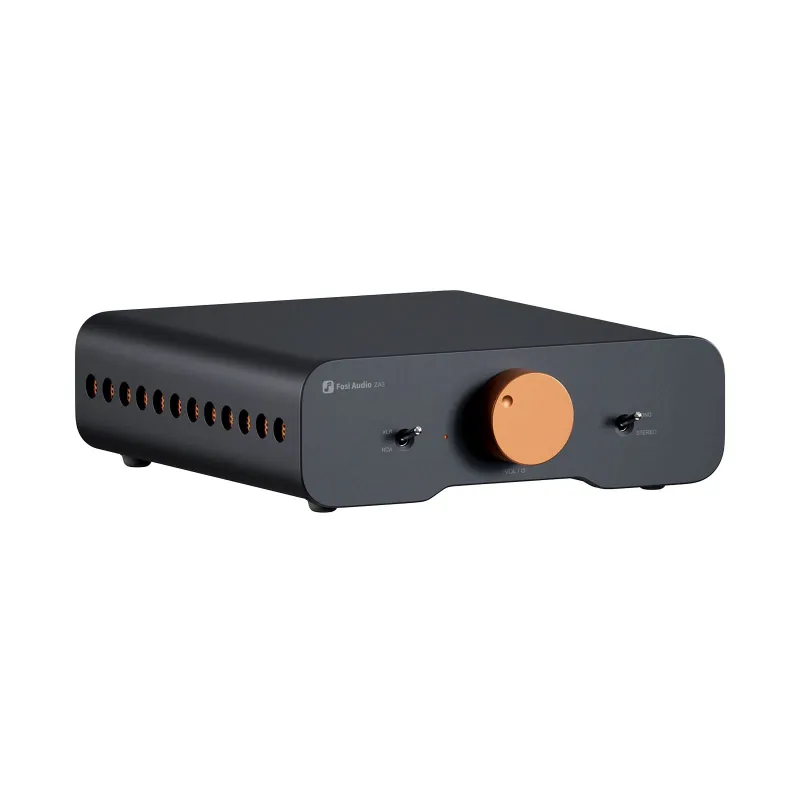
The fosi audio za3 balanced stereo amplifier does not require a separate DAC if your source already outputs analog audio, but adding one significantly improves digital playback quality. Whether you need a DAC depends entirely on what you’re connecting and how much detail you want from your music.
What the Fosi Audio ZA3 Actually Does
The ZA3 is a pure power amplifier. It takes an analog audio signal and amplifies it to drive passive speakers. The fosi audio za3 48v power supply pushes up to 160 watts per channel into 4-ohm speakers, giving you serious volume and control. But the ZA3 has no digital inputs and no built-in DAC chip. It accepts RCA or XLR balanced analog signals only.
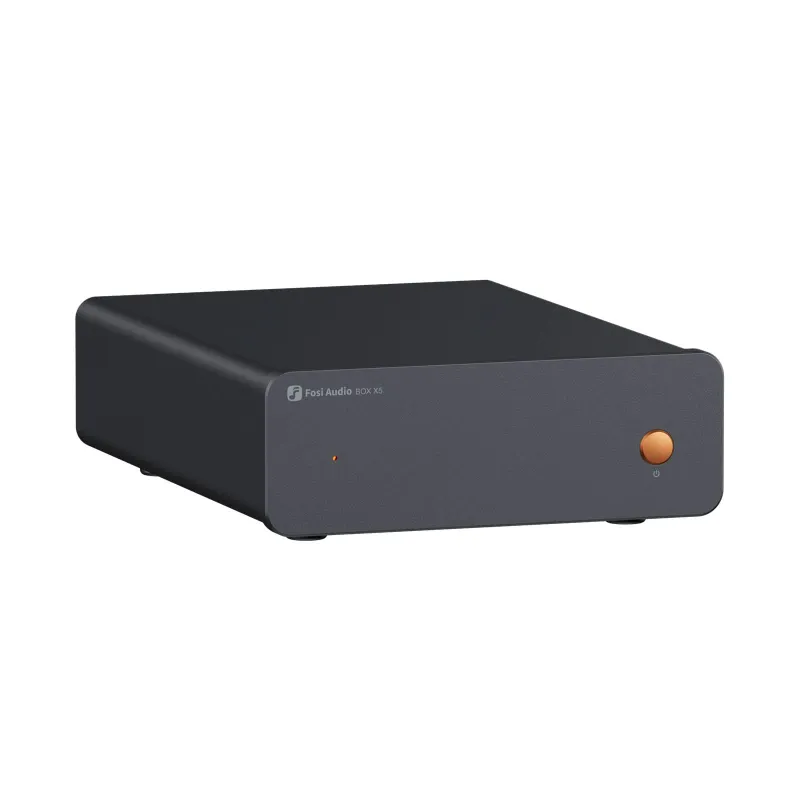
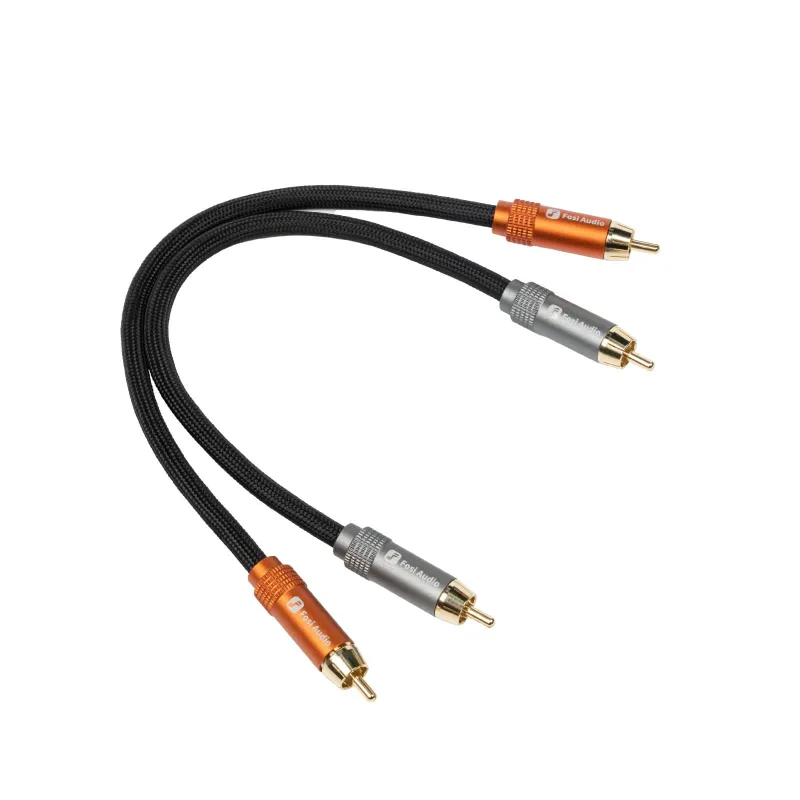
If your source is already analog, like a turntable with a phono preamp or a CD player with line-level outputs, you can connect straight to the ZA3 using an rca to rca cable. No DAC needed. The amplifier will simply boost that signal and send it to your speakers.
When You Absolutely Need a DAC With the ZA3
You need a dedicated DAC when your audio source is digital. That includes:
- Computers and laptops streaming Spotify, Tidal, or local FLAC files
- Smartphones and tablets playing music via USB or wireless
- Digital streamers without analog outputs
- Game consoles or TVs if you want higher fidelity than their built-in converters offer
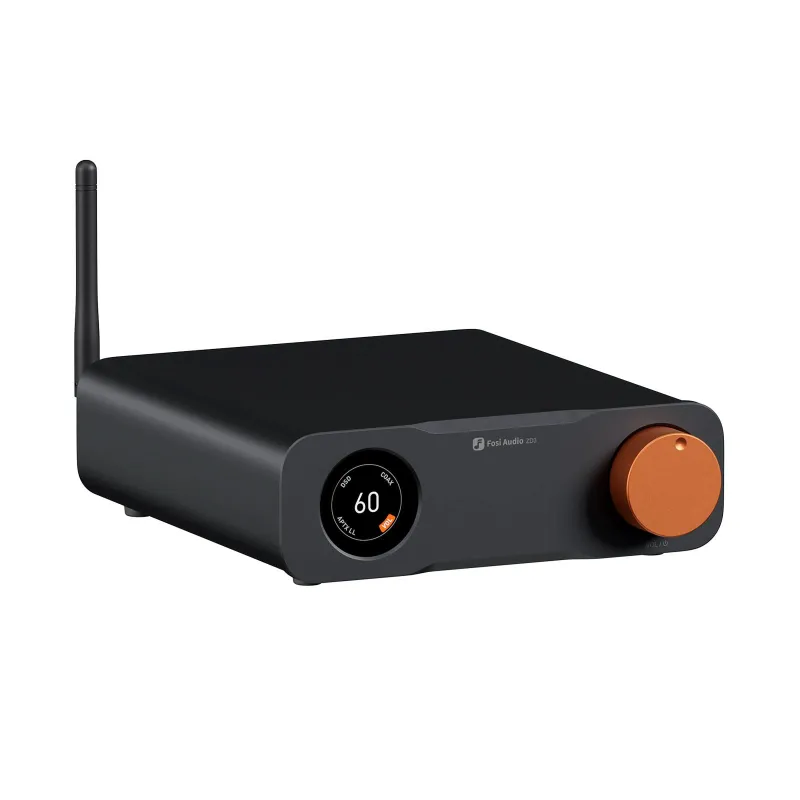
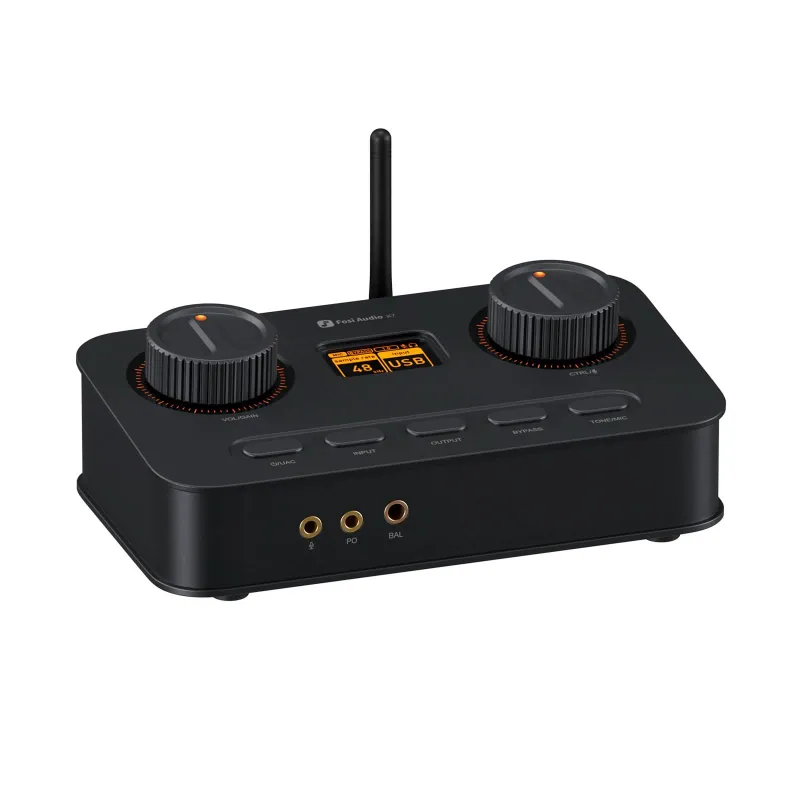
Your computer or phone technically has a DAC inside, but those cheap internal converters produce noisy, flat audio. A dedicated external DAC like the fosi audio zd3 desktop dac decodes digital files with better precision, lower distortion, and a wider soundstage. The difference is especially clear on higher-resolution tracks and when using the ZA3’s balanced XLR inputs, which the fosi audio za3 specs highlight as a key feature.
Expert reviewers confirm the ZA3 responds well to upstream quality, so pairing it with a capable DAC unlocks its full potential.
Best DAC Options for the Fosi Audio ZA3 Balanced Stereo Amplifier
Here’s how the most popular options compare:
| DAC Model | Connection Type | Best For |
|---|---|---|
| Fosi Audio ZD3 | USB, Optical, Coaxial | Budget desktop setups, compact systems |
| FiiO K7 | USB, Balanced XLR out | Headphone + speaker hybrid rigs, detail seekers |
| P4 Preamp with external DAC | RCA inputs, volume control | Multi-source systems needing a hub |
The ZD3 desktop DAC is our top pick for most ZA3 owners. It handles up to 32-bit/384kHz PCM and DSD256, connects via USB from your computer, and outputs clean RCA to the ZA3. At under $100, it’s a natural pairing that doesn’t bottleneck the amplifier. Check the latest price to see current bundle deals.
The FiiO K7 steps up if you also use headphones or want balanced XLR output. It decodes MQA for Tidal users and includes a high-quality volume pot, so you can skip a separate preamp. It costs more, but the sonic improvements are measurable with demanding speakers.
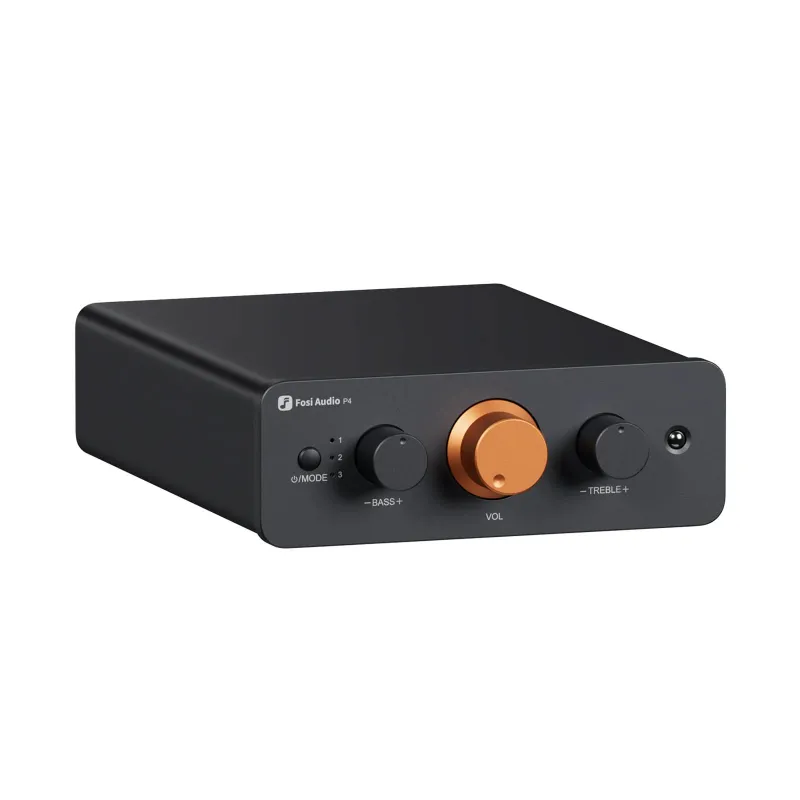
The P4 preamp doesn’t include a DAC itself, but it’s useful if you’re connecting multiple analog sources (like a turntable, CD player, and a separate USB DAC) and need input switching plus volume control in one box. Fosi Audio even sells a bundle with the ZA3 and P4 for exactly this scenario.
Can You Use a Bluetooth Receiver Instead of a DAC?
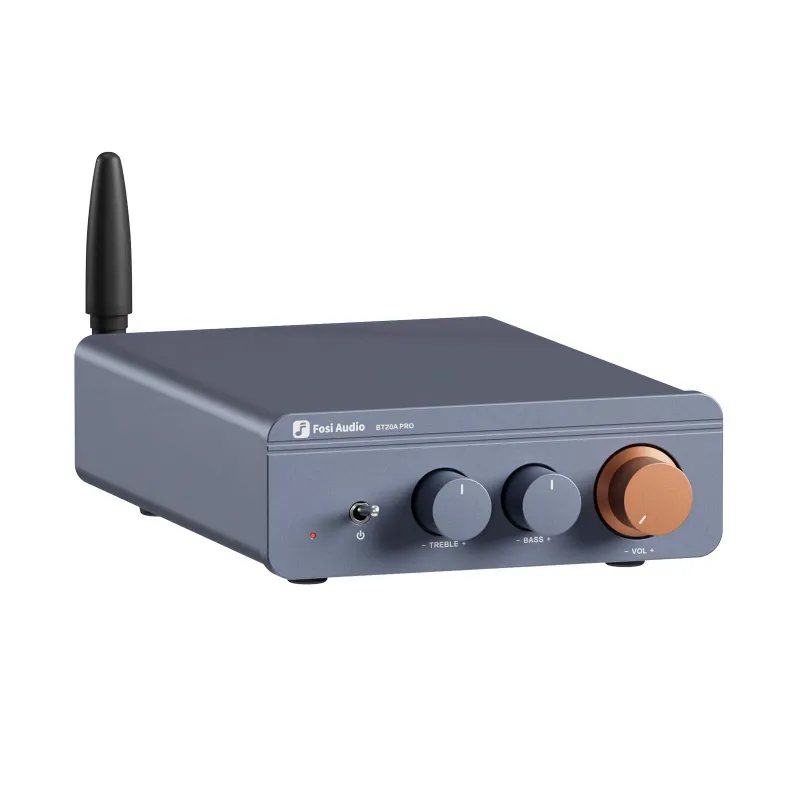
Yes, but with tradeoffs. The fosi audio bt20a bluetooth stereo receiver converts wireless audio from your phone into an analog RCA signal that plugs straight into the ZA3. It’s convenient for casual listening and eliminates cables, but Bluetooth compresses audio even with aptX. You lose detail compared to a wired DAC fed lossless files over USB.
We recommend the BT20A for background music, podcasts, or multi-room setups where convenience beats critical listening. For serious playback of high-resolution tracks, stick with a wired DAC.
How to Connect a DAC to the ZA3 for Best Results
Follow these steps for clean signal flow:
- Connect your digital source to the DAC via USB (from computer) or optical/coaxial (from streamer or CD transport).
- Run RCA or XLR cables from the DAC to the ZA3 inputs. Use balanced XLR if your DAC supports it; the ZA3’s differential input circuit rejects noise better in balanced mode.
- Add a preamp like the p4 between the DAC and ZA3 if you need volume control at your desk. The ZA3 has no volume knob, so you’ll control level either in software, on the DAC, or via a preamp.
- Power the ZA3 with its 48V supply. The fosi audio za3 48v adapter is mandatory for full output; don’t substitute a lower-voltage brick.
Keep cables short and away from power cords to minimize interference. The ZA3 is extremely revealing, so poor shielding or ground loops will show up as hum.
When You Can Skip the DAC and Save Money
Skip the external DAC if you’re using:
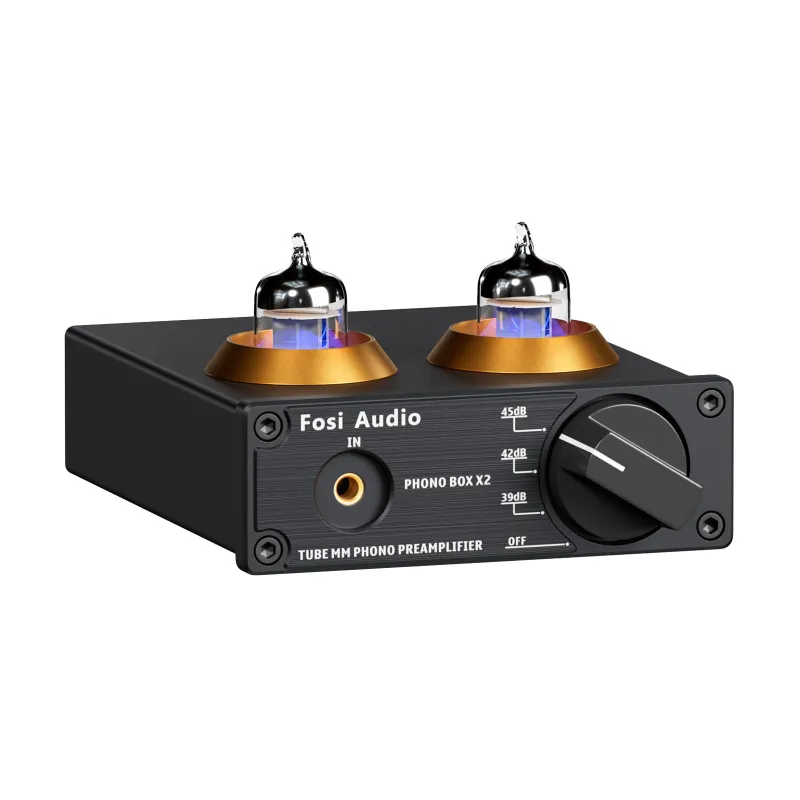
- A turntable with a built-in or external turntable preamp that outputs line-level RCA
- A CD player or streamer with analog outputs that you’re happy with
- A combo unit like the fosi audio mc351 2.1 channel integrated amplifier, which includes a DAC, preamp, and amplifier in one chassis (though that’s a different product line entirely)
You can always grab the code and add a DAC later if you decide your source needs an upgrade. The ZA3 will work fine with whatever analog signal you feed it. Adding a quality DAC just raises the ceiling on how good that signal can be.
Our Recommendation
Most ZA3 buyers streaming from a computer or phone should budget for a dedicated DAC. The fosi audio zd3 desktop dac offers the best balance of performance and price, and it pairs perfectly with the fosi audio za3 balanced stereo amplifier in a compact desktop system. If you’re plugging in a turntable or vintage tape deck, you’re already set, just connect and enjoy. Either way, the ZA3 will amplify exactly what you give it, so your upstream choices matter more than with forgiving Class D amps.
Questions
Does the Fosi Audio ZA3 have a built-in DAC?
No, the ZA3 is a pure analog amplifier with only RCA and XLR inputs. It has no digital inputs or DAC chip, so you need an external DAC to connect digital sources like computers or streamers.
Can I connect my phone directly to the ZA3?
Not directly. Your phone outputs digital audio, so you'll need either a USB DAC with a phone adapter or a Bluetooth receiver like the Fosi Audio BT20A to convert the signal to analog RCA first.
Will a cheap DAC bottleneck the ZA3's performance?
Yes. The ZA3 is highly resolving, so a noisy or low-quality DAC will limit detail and soundstage. Budget at least $80 for a capable DAC like the Fosi Audio ZD3 to match the amplifier's fidelity.
Do I need balanced XLR cables or will RCA work?
RCA works fine, but balanced XLR cables reduce noise and interference, especially in longer cable runs. If your DAC has XLR outputs, use them with the ZA3's balanced inputs for best results.
Can I use the ZA3 with a turntable?
Yes, as long as your turntable has a phono preamp (built-in or external) to boost the signal to line level. Connect the preamp's RCA output to the ZA3, and you're set, no DAC needed for vinyl.
What's better for the ZA3, the Fosi ZD3 or FiiO K7?
The ZD3 is the better value for desktop speaker setups and handles all common file formats. The FiiO K7 adds MQA decoding, balanced outputs, and a headphone amp, so choose it if you need those extras or want the absolute best DAC performance.
Products in this guide
 Shopping at Fosi Audio? See the discount code
10% OFF Sitewide
Shopping at Fosi Audio? See the discount code
10% OFF Sitewide
More in this series
What Cable Length Works Best for RCA to RCA Connections in Home Audio?30 Jul 20264 min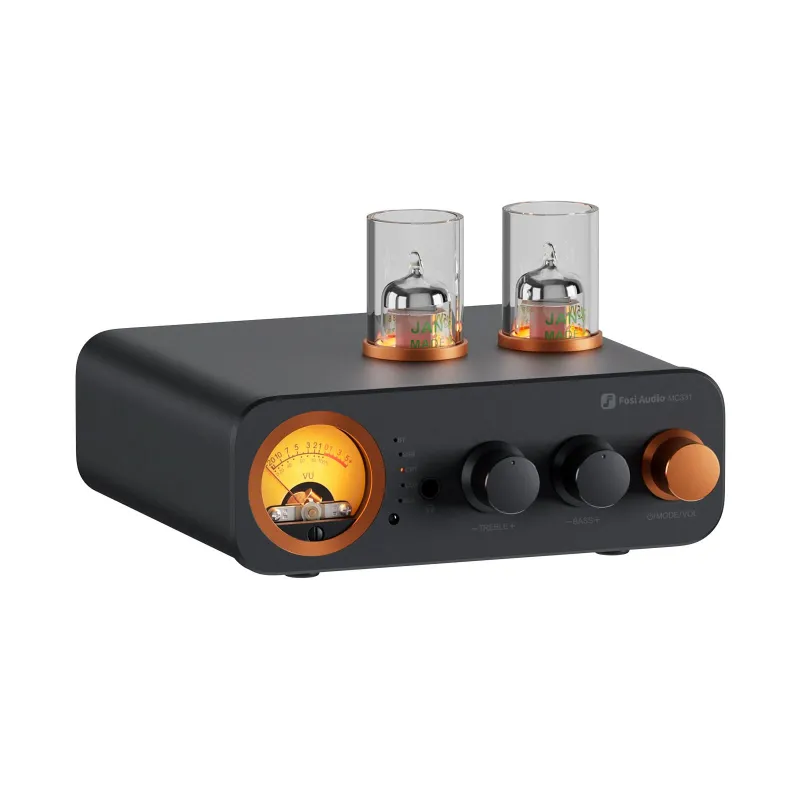 The Complete Guide to Setting Up a 2.1 System With the Fosi Audio MC35130 Jul 20267 minFosi Audio P4 Preamp: What It Does and Who It Suits30 Jul 20263 minHow to Connect a Turntable Preamp to Your Fosi Audio Amplifier30 Jul 20265 minFosi Audio BT20A vs FiiO K5 Pro: Which Budget Audio Solution Is Right for Your Setup?30 Jul 20264 min