 A JiaroPack guide
Do Padded Mailers Protect Fragile Items Better Than Bubble Mailers?
Bubble mailers and padded mailers offer different levels of protection depending on construction quality, cushioning thickness, and what you're shipping.
Are Bubble Mailers and Padded Mailers the Same Thing?
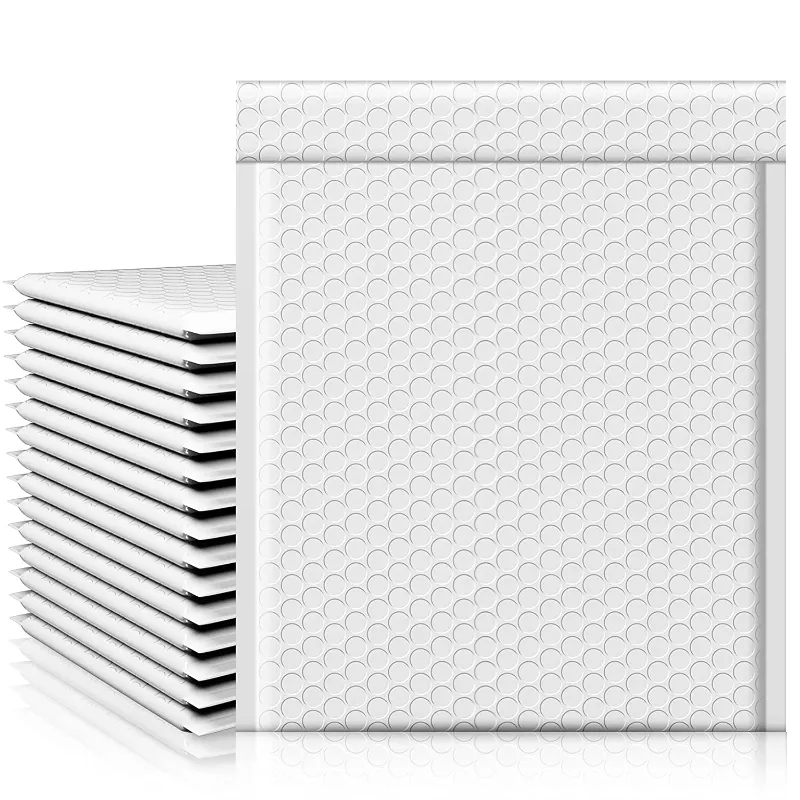
Bubble mailers and padded mailers both provide cushioned protection for shipped items, but they’re not identical. The terms often overlap because most padded mailers use bubble wrap as their cushioning layer, making them a type of bubble mailer. However, some padded mailers use foam, recycled paper, or other materials instead of air-filled bubbles. For fragile items like glassware, electronics, or ceramics, understanding which construction offers better drop protection helps you choose the right option and avoid damaged deliveries.
The real question isn’t whether one category beats the other, it’s about matching the mailer’s construction and thickness to your item’s fragility and shipping conditions.
What Makes a Mailer “Padded” vs “Bubble”
The industry uses these terms inconsistently, but here’s how we see them differentiated in practice:
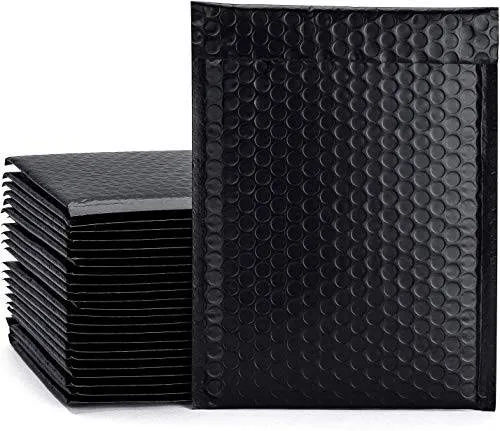
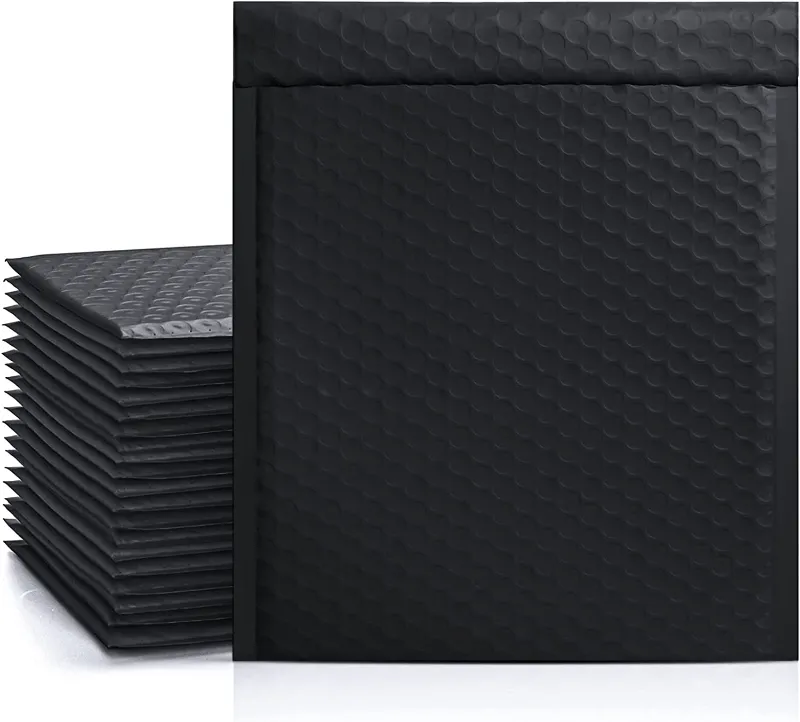
- Bubble mailers: feature a polyethylene outer layer bonded to bubble wrap cushioning, with air pockets typically 3/16″ to 5/16″ diameter. Most bubble mailer usps options fall into this category.
- Padded mailers: a broader term that includes bubble-lined envelopes plus alternatives like foam-lined, paper-padded, or honeycomb-padded mailers.
- Kraft bubble mailers: combine a paper exterior (often recycled kraft) with bubble lining, offering a more eco-conscious look while maintaining cushioning.
When shoppers search for bubble mailers on Uline or Value Mailers, they’ll find options labeled as both “bubble” and “padded.” The key difference is the cushioning material, not the name.
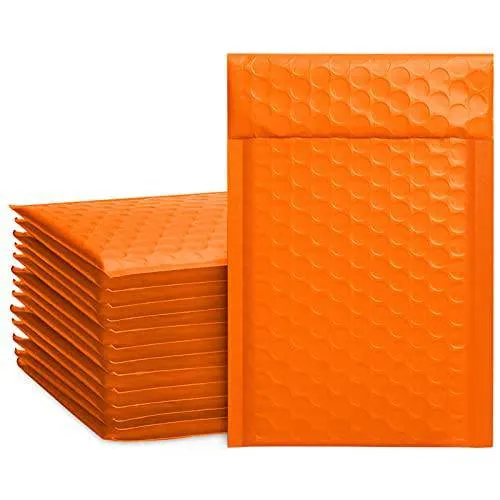
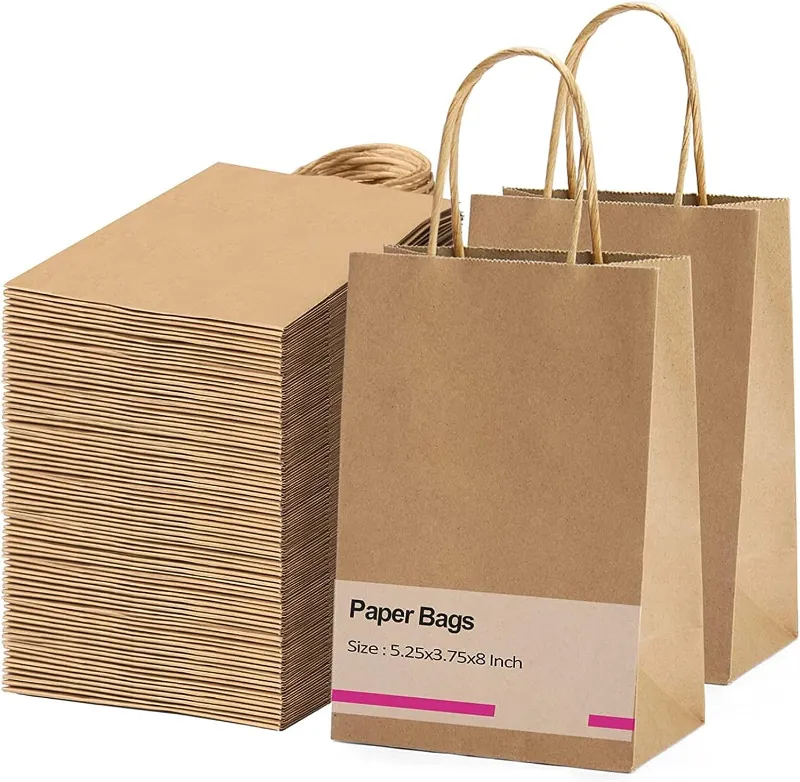
If you’re shipping items that need minimal impact protection (like clothing, soft goods, or documents) you might even skip padded options entirely and use orange mailing envelopes or white paper bags to save on cost and weight.
Which Construction Protects Fragile Items Better
Protection depends on three factors: cushioning thickness, outer-layer durability, and how well the mailer fits your item.
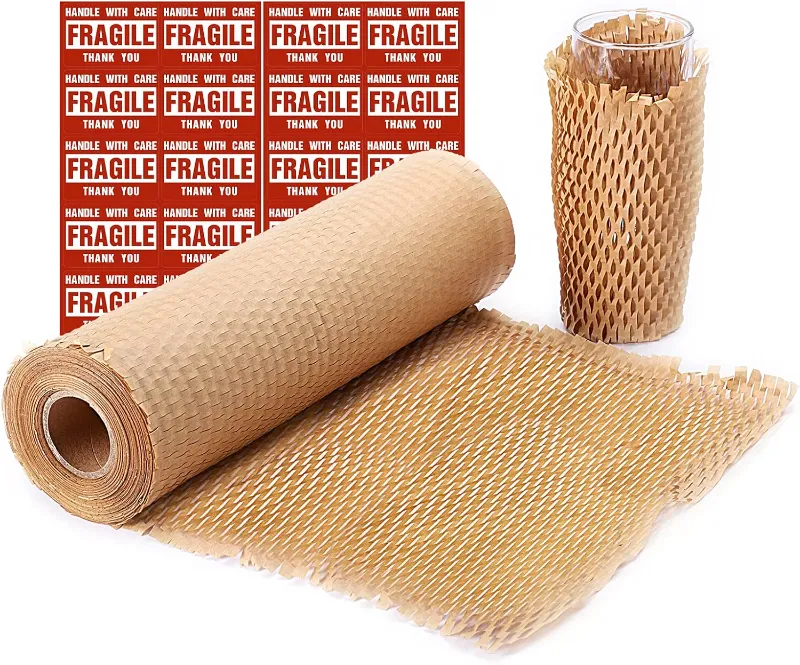
Cushioning thickness: Standard bubble mailers use 3/16″ bubbles, which handle books, cosmetics, and small electronics well. For truly fragile items (glass ornaments, delicate jewelry, vintage collectibles) look for 5/16″ bubbles or add a layer of honeycomb packing paper inside the mailer for extra shock absorption.
Outer-layer strength: Polyethylene (plastic) exteriors resist tearing and moisture better than kraft paper. Paper-backed mailers look better for branded unboxing experiences but can puncture more easily during rough handling. If you’re shipping via USPS, UPS, or other carriers known for tossing packages, prioritize tear-resistant poly.
Fit matters: A 4×8 bubble mailer works great for a small phone case, but a fragile item rattling around in an oversized envelope will still break. Check the latest prices on multiple sizes so you can match the mailer snugly to each product.
| Feature | Standard Bubble (3/16″) | Heavy-Duty Bubble (5/16″) | Paper-Padded |
|---|---|---|---|
| Drop protection | Moderate | High | Low to moderate |
| Moisture resistance | High (poly exterior) | High (poly exterior) | Low |
| Eco-appeal | Low | Low | High |
| Best for | Books, soft goods, cosmetics | Electronics, glassware, ceramics | Non-fragile retail items |
When to Upgrade or Downgrade Your Mailer Choice
Not every shipment needs maximum cushioning. We adjust mailer type based on the item’s value, fragility, and shipping distance:
- Use standard bubble mailers for: paperback books, clothing accessories, makeup palettes, phone cases, non-glass home goods.
- Upgrade to heavy-duty or double-layer for: anything glass, electronics with screens, handmade ceramics, vintage items, international shipments (more handling = more risk).
- Downgrade to plain poly mailers or paper envelopes for: T-shirts, fabric items, stickers, printed materials that won’t break.
Wholesale suppliers and Amazon both carry bubble mailers in bulk, but ordering direct from a dedicated packaging retailer often gives you better per-unit pricing on larger quantities. If you’re a small business shipping dozens of orders weekly, grab the code for 10% off and stock multiple sizes.
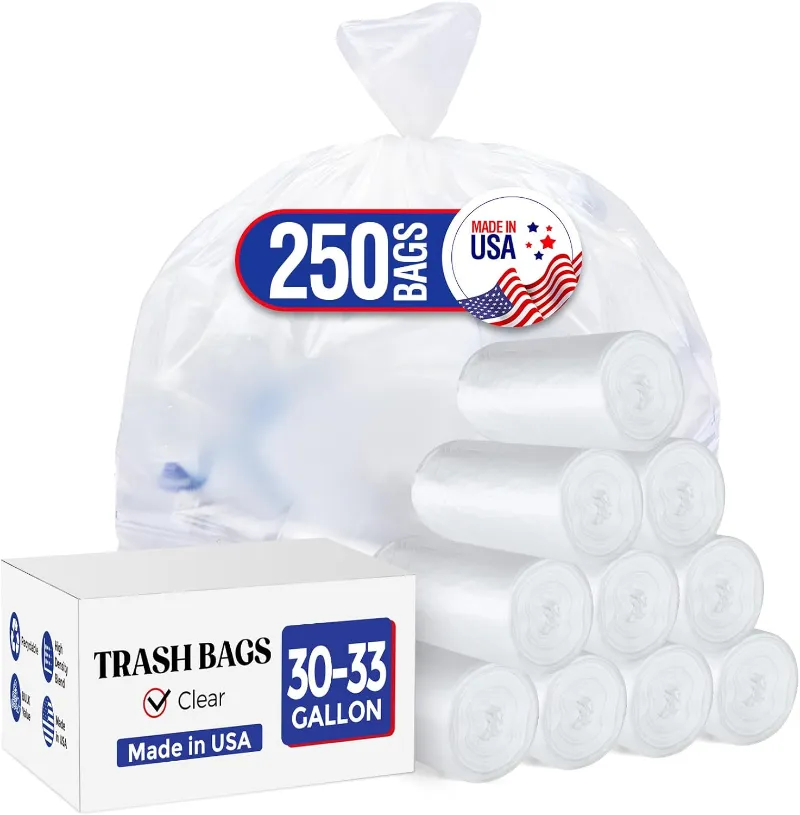
For truly heavy-duty needs outside of mailers (like construction debris or shop cleanup) you’d switch to entirely different products like contractor bags or 13 gallon trash bags, which aren’t designed for shipping fragile items but handle bulk and weight.
Bubble Mailers for Specific Shipping Carriers
Carrier requirements and handling differences affect which padded mailer performs best:
USPS: accepts bubble mailers as packages (not letters) if they exceed 3/4″ thickness. Most standard mailers qualify.
UPS and FedEx: both use automated conveyor sorting. If you’re shipping via UPS, choose mailers with reinforced seams and thicker bubble layers. UPS also charges by dimensional weight, so an oversized puffy mailer can cost more than a snug-fit option.
Custom bubble mailers: if you’re building a brand, custom-printed mailers create an unboxing experience while still protecting contents. Most wholesalers offer custom printing on poly or kraft bubble mailers with minimum order quantities around 500 to 1,000 units.
Cost vs Protection Trade-Offs
Bubble mailers cost more per unit than plain poly mailers but far less than rigid boxes. Here’s how we balance protection and budget:
- Standard poly bubble mailers (bought in bulk): best cost-per-protection ratio for everyday fragile items.
- Kraft paper bubble mailers: 20 to 40% more expensive but appeal to eco-conscious customers and gift buyers.
- Foam-padded or alternative cushioning: often pricier and harder to find.
Buying in bulk from Value Mailers or similar wholesalers drops per-unit cost significantly. A case of 250 bubble mailers typically costs 30 to 50% less per mailer than buying 25-packs at a retail store.
If you’re near a local supplier, searching “bubble mailers nearby” can save on shipping costs for your packaging supplies, an ironic but real consideration when your mailers themselves add shipping weight.
Our Bottom-Line Recommendation
For most fragile items, quality bubble mailers with 3/16″ to 5/16″ bubbles and a durable poly or reinforced kraft exterior offer the best protection without the bulk and cost of boxes. “Padded mailers” is a broader umbrella term, and when the padding is bubble wrap, the two categories converge.
The key is matching mailer thickness to item fragility, choosing the right size to prevent shifting, and buying from a supplier that offers bulk pricing so you’re not overpaying per unit. For non-fragile shipments, step down to plain mailers or paper options. For truly delicate or high-value items, consider layering honeycomb paper inside your bubble mailer or upgrading to a box with internal cushioning.
Test your packaging before scaling, ship yourself a sample in the mailer you plan to use, and see how it arrives. That real-world drop test tells you more than any spec sheet.
Questions
Can I reuse bubble mailers for shipping?
Yes, as long as the bubbles aren't popped and the adhesive strip still seals properly. Remove or cover old labels completely, and inspect for tears or weak spots before reusing.
Do padded mailers count as packages or envelopes with USPS?
USPS treats mailers thicker than 3/4 inch as packages, not letters. Most bubble mailers qualify as packages, which means you'll pay package rates but get better tracking and handling.
What size bubble mailer do I need for a smartphone case?
A 4x8 bubble mailer fits most standard smartphone cases snugly. If the case is bulky or you're adding extra padding, step up to a 6x9 size to prevent overstuffing and seal failure.
Are kraft paper bubble mailers as strong as poly bubble mailers?
Kraft mailers cushion just as well if they use the same bubble thickness, but the paper exterior tears more easily than poly when snagged or exposed to moisture. They're ideal for dry conditions and customer appeal.
Where can I buy bubble mailers in bulk for the best price?
Wholesale packaging suppliers and direct-from-manufacturer sites typically offer the lowest per-unit cost on case quantities of 100 to 500 mailers. Retail stores charge more for smaller packs.
Should I use bubble mailers for shipping clothes?
Bubble mailers work fine for clothing, but they're often overkill. Plain poly mailers are lighter, cheaper, and sufficient for non-fragile fabric items, saving you money on both materials and postage.
Products in this guide
 Shopping at JiaroPack? See the discount code
10% OFF Sitewide
Shopping at JiaroPack? See the discount code
10% OFF Sitewide
More in this series
Will Orange Mailing Envelopes Pass Through USPS Sorting Machines Without Damage?31 Jul 20264 minThe Best Way to Pack Moving Boxes with Honeycomb Paper and Bubble Wrap31 Jul 20264 minHow Long Do Honeycomb Packing Paper Rolls Last for Small Business Shipping?31 Jul 20264 minContractor Bags vs 13 Gallon Trash Bags: Which Should You Use for Heavy Debris?31 Jul 20265 minHow to Choose the Right Bubble Mailer Size for USPS Shipping31 Jul 20266 min