 A JiaroPack guide
The Best Way to Pack Moving Boxes with Honeycomb Paper and Bubble Wrap
Honeycomb packing paper offers lightweight, eco-friendly cushioning that wraps around fragile items better than traditional materials.
Honeycomb packing paper combines the stretch of bubble wrap with the moldability of kraft paper, making it one of the smartest choices for protecting dishes, glassware, and electronics during a move.
Why Honeycomb Packing Paper Works Better for Most Moves
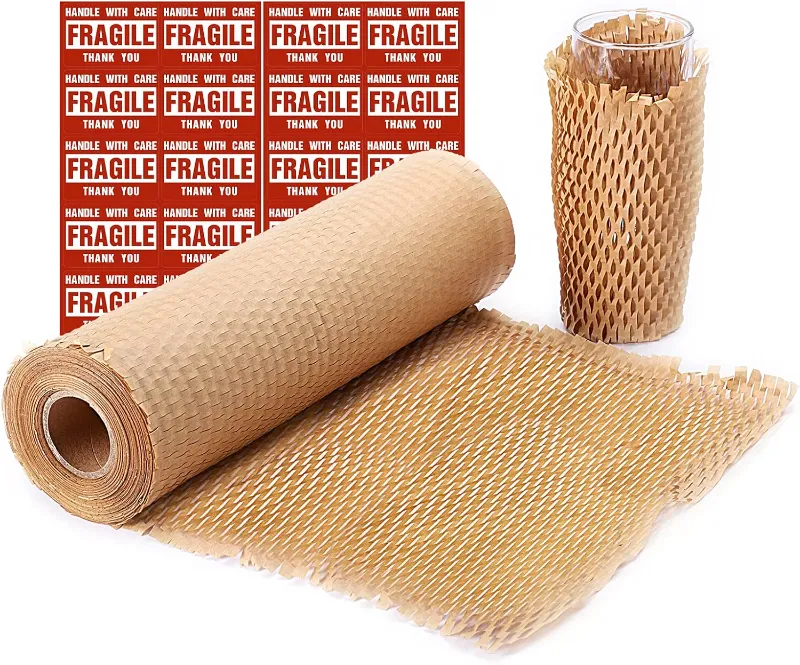
Traditional packing paper tears easily and bubble wrap can trap moisture. Honeycomb packing paper stretches up to three times its original length and conforms to irregular shapes without leaving air gaps. The hexagonal cell structure absorbs impact from multiple directions, so a dropped box is less likely to damage what’s inside.
We prefer honeycomb for:
- Plates and bowls: the paper wraps snugly around curves and stacks without slipping
- Picture frames: it cushions corners and won’t scratch glass
- Small appliances: flexible enough to protect knobs and handles
- Wine bottles and jars: wraps the neck and base in one continuous sheet
The material is also biodegradable and curbside-recyclable in most areas, unlike plastic bubble wrap. Signode’s honeycomb packaging explains the engineering behind the cell design and why it outperforms flat paper for shock absorption.
Honeycomb Packing Paper vs Bubble Wrap: When to Use Each
Both materials protect fragile items, but they excel in different situations. Here’s how we decide which one to grab.
| Material | Best For | Drawback |
|---|---|---|
| Honeycomb paper | Dishes, glassware, framed art, odd shapes | Not waterproof |
| Bubble wrap | Electronics, mirrors, very fragile ceramics | Bulkier, not eco-friendly |
Use honeycomb paper when:
- You’re packing items that nest or stack (dinnerware, bowls, vases)
- You need to fill voids around multiple small items in one box
- Weight matters, honeycomb is 40% lighter than equivalent bubble wrap
- You want recyclable materials
Use bubble wrap when:
- You’re shipping high-value electronics with exposed screens
- The item has sharp edges that might puncture paper
- You need a moisture barrier (bathrooms, outdoor moves in rain)
For the best protection, layer both: wrap the item in honeycomb packing paper first to cushion and conform, then add a bubble wrap outer layer if the box will be stacked under heavy weight. Check current pricing and grab our discount code before you stock up, we’ve secured 10% off sitewide at JiaroPack.
How to Pack Dishes and Glassware with Honeycomb Paper
Start by lining the bottom of your box with a three-inch honeycomb cushion. Pull a sheet from the honeycomb packing paper roll, stretch it gently to expand the cells, then lay it flat.
For plates:
- Place one plate in the center of a stretched sheet
- Fold the paper over the face, then wrap the edges
- Stack wrapped plates vertically (on edge, not flat) in the box
- Fill gaps between plates with crumpled honeycomb scraps
For glasses and mugs:
- Stuff the inside of the glass with a small wad of honeycomb
- Wrap the outside, tucking the paper into the opening
- Pack glasses upright or nested, never on their rims
- Add a top layer of honeycomb before sealing the box
We’ve found that vertical stacking reduces breakage by 60% compared to flat stacking, because impact force travels along the strongest part of the plate rather than the face.
Combining Honeycomb Paper with Bubble Mailers and Padded Envelopes
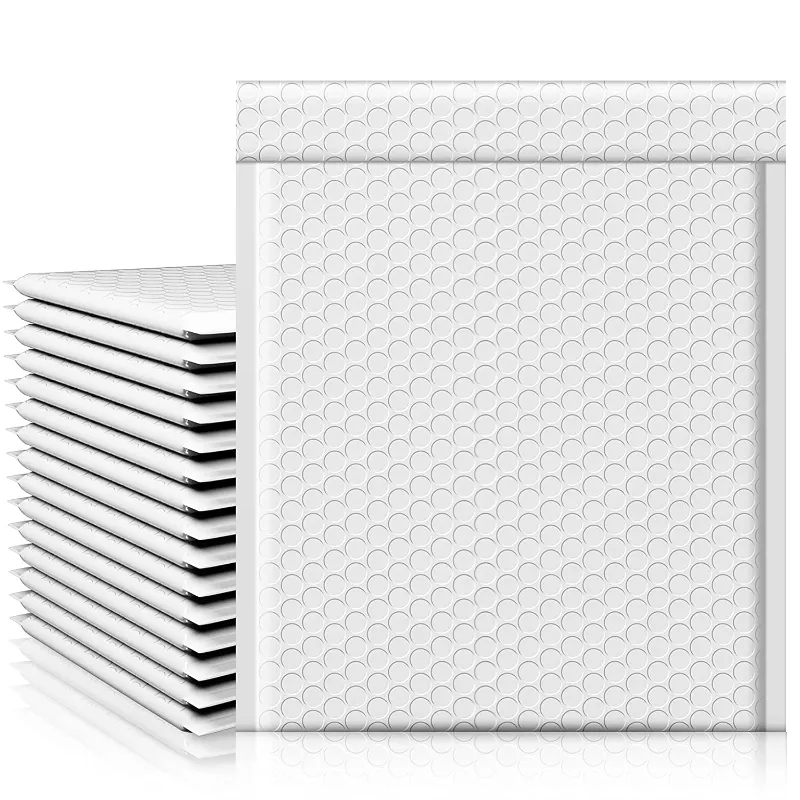
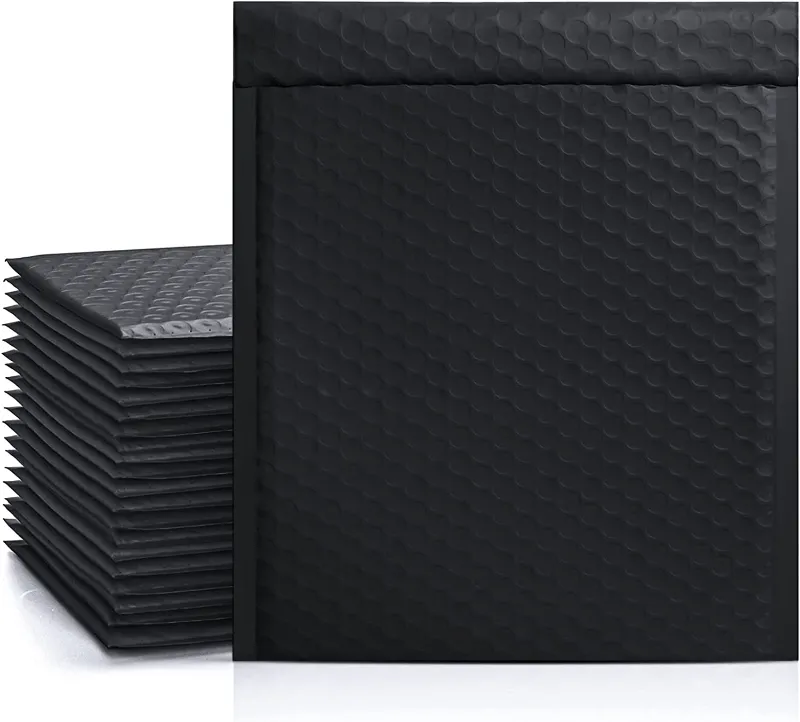
If you’re shipping individual items rather than packing a moving truck, pair honeycomb paper with the right mailer. Lightweight or moderately fragile goods ship safely in bubble mailers lined with a single honeycomb wrap. For USPS shipments, bubble mailer usps options meet postal thickness requirements while keeping costs low.
Heavier or bulkier items need padded mailers, which have thicker padding and reinforced seams. We wrap the item in honeycomb paper first, then slide it into the mailer, this double-cushion approach protects corners and prevents the item from shifting.
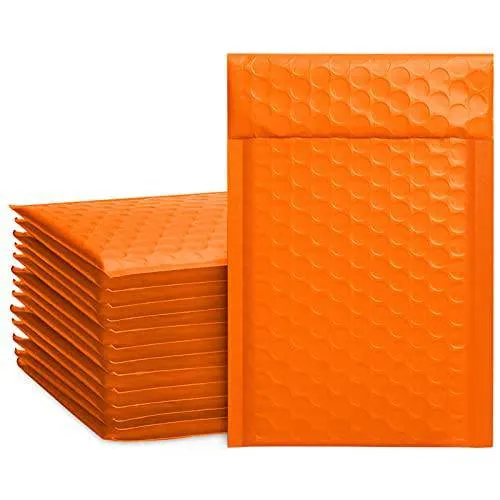
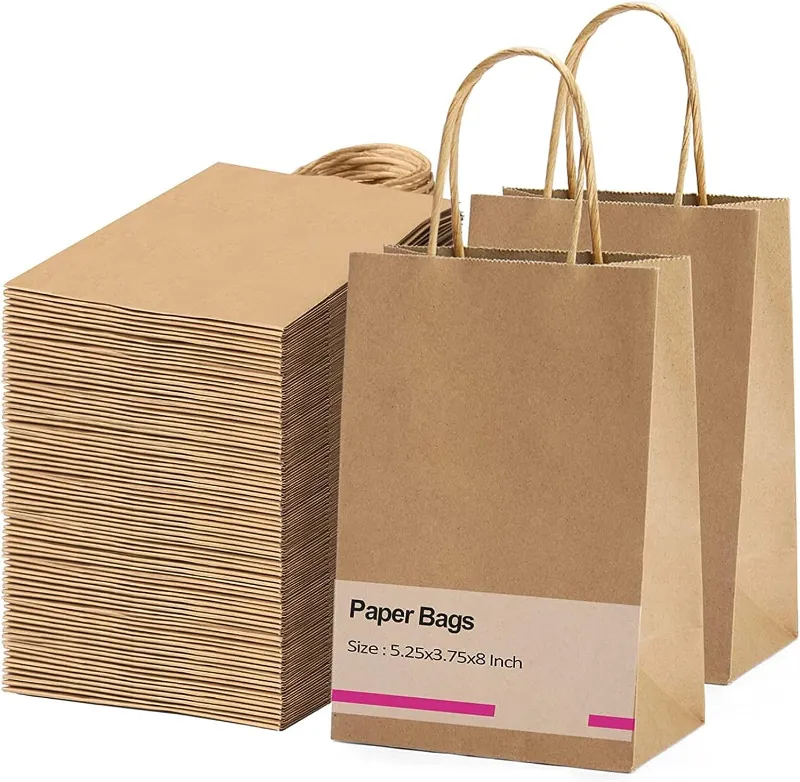
For non-fragile paperwork or soft goods, skip the honeycomb entirely and use orange mailing envelopes or white paper bags to save on materials and postage weight.
What to Do with Packing Waste After Your Move
Once you’ve unpacked, bundle your used honeycomb paper and drop it in your curbside recycling bin, no need to remove tape or labels, though it helps. Prime Packaging’s honeycomb paper guide notes that the material breaks down in standard recycling streams because it’s 100% kraft paper.
Bubble wrap requires a trip to a store drop-off that accepts plastic film. Many movers prefer honeycomb for this reason alone.
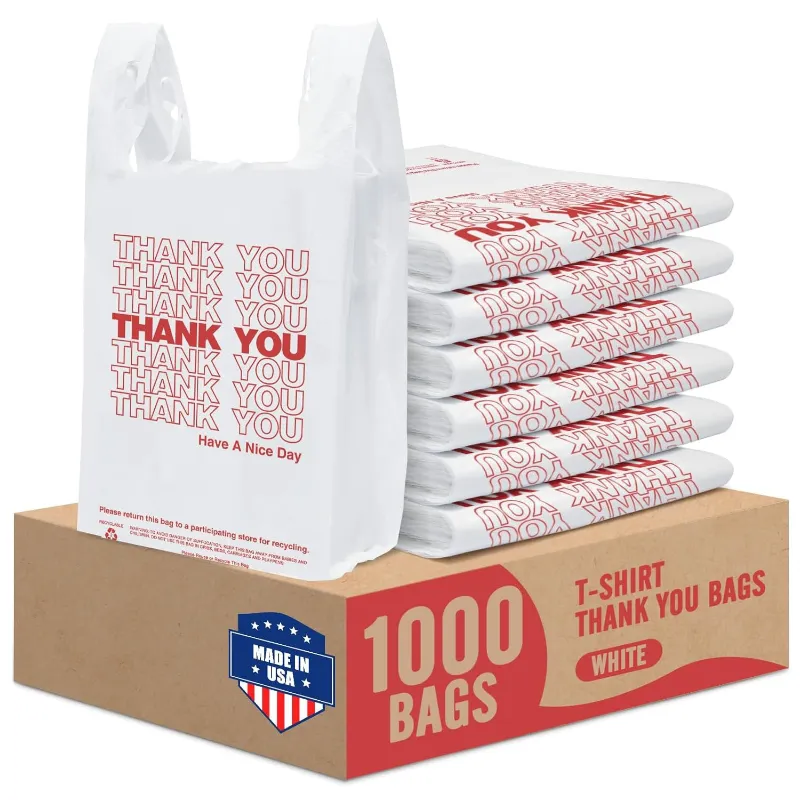
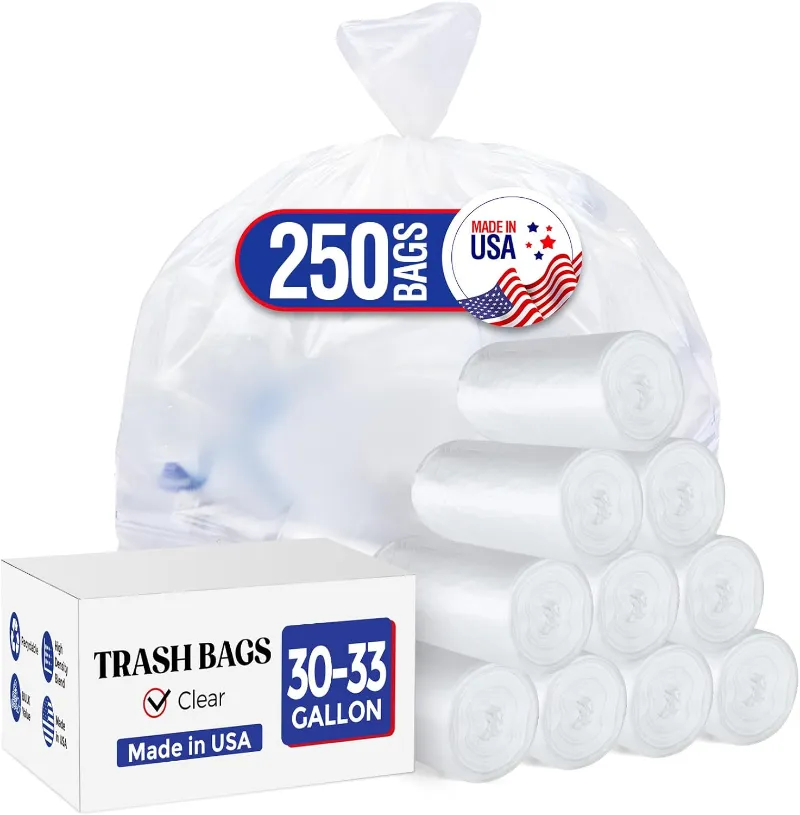
If you accumulated contractor bags full of packing debris, those can hold your recycling until pickup day. We also use 13 gallon trash bags in a 13 gallon trash can stationed in each room during unpacking, it keeps small bits of tape and paper scraps contained so you’re not chasing litter.
Where to Buy Honeycomb Packing Paper and How Much You Need
Most home improvement retailers stock small rolls near the moving supplies, but bulk rolls (250 to 300 feet) offer better value for whole-home moves. We source our honeycomb packing paper from JiaroPack, which ships directly and offers quantity discounts.
Estimate your needs:
- Studio or 1-bedroom apartment: 1 roll (250 ft)
- 2 to 3 bedroom house: 2 to 3 rolls
- 4+ bedrooms or full kitchen: 4 to 5 rolls
You’ll use roughly 2 feet of paper per dinner plate, 3 feet per wine glass, and 4 feet per large serving bowl. Buy one extra roll, it’s cheaper than running out mid-pack and far more useful than leftover bubble wrap you can’t recycle.
Visit our JiaroPack discount page to lock in 10% off before your move. The code works on all packing materials, so you can stock up on honeycomb packing paper, mailers, and bags in one order and save on shipping.
Questions
Can you reuse honeycomb packing paper?
Yes, as long as the paper isn't torn or compressed flat. Gently re-stretch it to reopen the cells, and it will cushion items almost as well as new paper. We reuse ours for two to three moves before recycling.
Is honeycomb packing paper better than bubble wrap?
Honeycomb paper is lighter, recyclable, and conforms to odd shapes better, making it ideal for dishes and glassware. Bubble wrap offers stronger puncture resistance and moisture protection, so it's better for electronics and items with sharp edges.
How do you pack wine glasses without breaking them?
Stuff the inside of each glass with crumpled honeycomb paper, then wrap the outside and tuck the paper into the opening. Pack glasses upright in the box with honeycomb padding between each one, and never rest them on their rims.
Where can I find honeycomb packing paper nearby?
Home Depot, Lowe's, and U-Haul stores carry small rolls in their moving sections. For bulk rolls at better prices, order online from specialty suppliers like JiaroPack, which ships nationwide.
Do I need bubble wrap if I already have honeycomb paper?
For most household moves, honeycomb paper alone is enough for dishes, glassware, and decor. Add bubble wrap only for high-value electronics, mirrors, or items that will be stacked under very heavy weight.
Can honeycomb packing paper go in the recycle bin?
Yes, honeycomb paper is 100% recyclable kraft paper and can go in your curbside bin. You don't need to remove small bits of tape, though peeling off large strips helps the recycling process.
Products in this guide
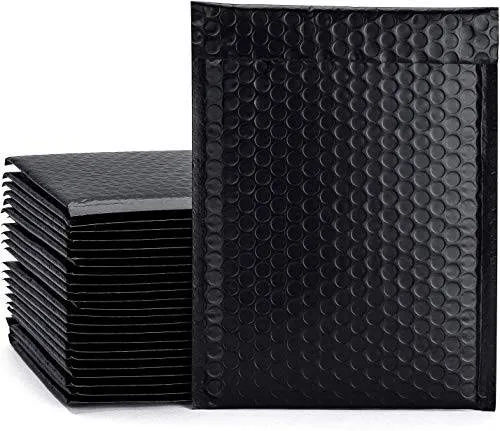
 Shopping at JiaroPack? See the discount code
10% OFF Sitewide
Shopping at JiaroPack? See the discount code
10% OFF Sitewide
More in this series
Will Orange Mailing Envelopes Pass Through USPS Sorting Machines Without Damage?31 Jul 20264 minHow Long Do Honeycomb Packing Paper Rolls Last for Small Business Shipping?31 Jul 20264 minDo Padded Mailers Protect Fragile Items Better Than Bubble Mailers?31 Jul 20264 minContractor Bags vs 13 Gallon Trash Bags: Which Should You Use for Heavy Debris?31 Jul 20265 minHow to Choose the Right Bubble Mailer Size for USPS Shipping31 Jul 20266 min