 A JiaroPack guide
Contractor Bags vs 13 Gallon Trash Bags: Which Should You Use for Heavy Debris?
We compare 13 gallon trash bags and contractor bags to help you pick the right option for heavy debris, construction waste, and everyday cleanup.
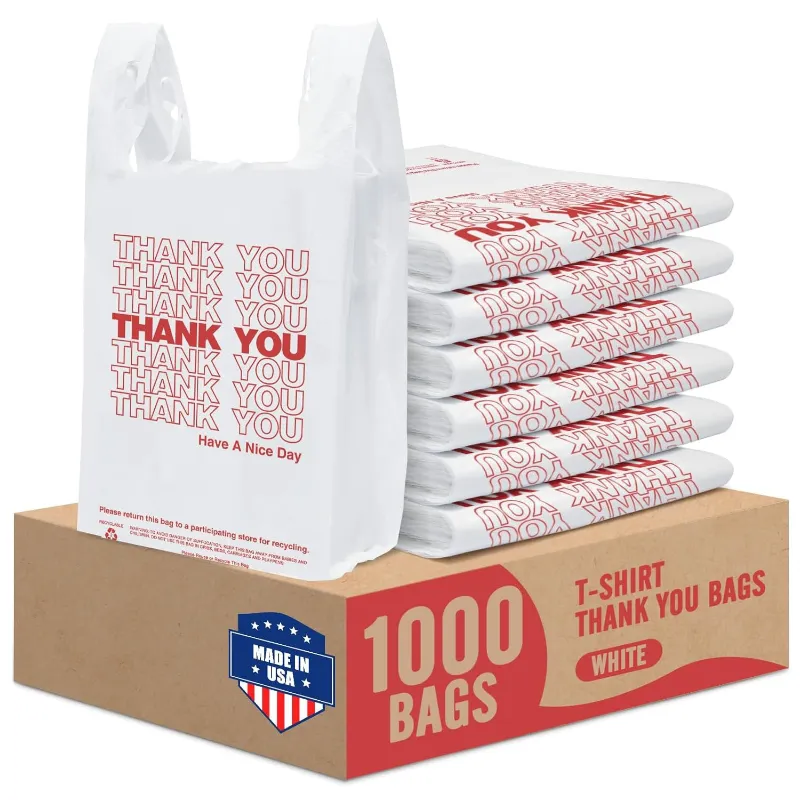
For heavy debris, contractor bags outperform 13 gallon trash bags in thickness and capacity, but standard kitchen bags work fine for light construction scraps and daily household waste. The choice depends on your project scope, waste type, and whether you need the extra durability that contractor-grade bags deliver.
What Makes Contractor Bags Different from 13 Gallon Trash Bags
Contractor bags are purpose-built for jobsite conditions. Most run 3 mil thick or more and hold 30 to 55 gallons, compared to the 0.9 to 1.2 mil thickness and 13-gallon capacity of standard kitchen bags. That difference matters when you’re bagging broken drywall, landscaping debris, or roofing shingles that would puncture thinner plastic.
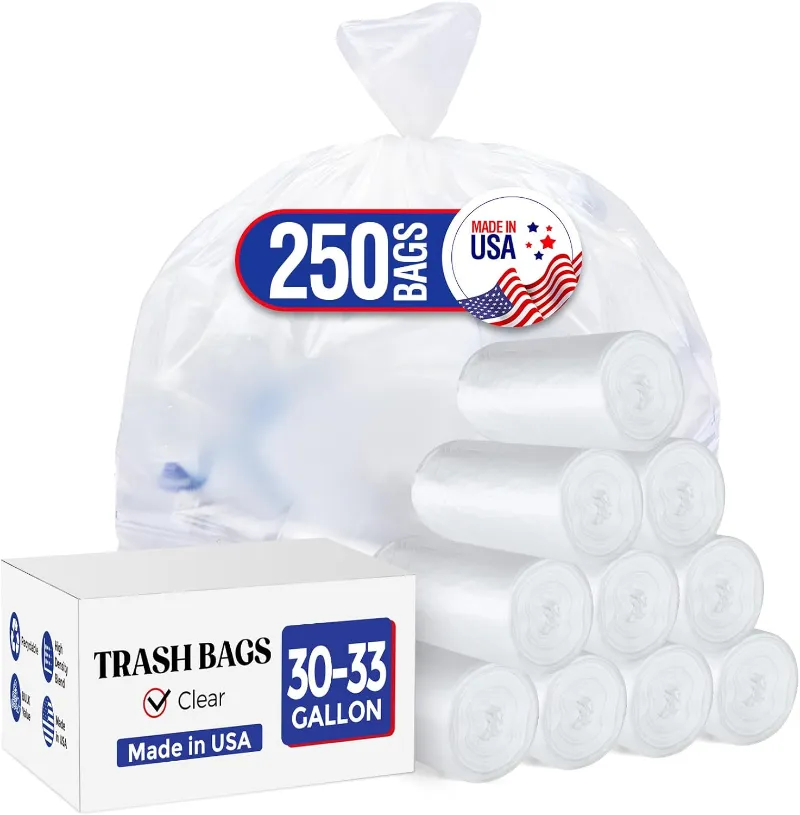
Standard 13 gallon trash bags fit a 13 gallon trash can perfectly and handle everyday kitchen waste, paper, light cardboard, and small office cleanup. They’re also widely available in black, white, and clear finishes, with drawstring or tie closures. If you’re working through a home cleanout or light renovation, you can check the latest price on both types to see which delivers the best value for your specific job.
Key differences at a glance:
- Capacity: Contractor bags hold 30-55 gallons; 13 gallon bags hold exactly what their name suggests
- Thickness: Contractor grade starts at 3 mil; kitchen bags run 0.9-1.2 mil
- Material: Contractor bags use low-density polyethylene for flexibility; kitchen bags may use high-density for lighter loads
- Cost per bag: Contractor bags cost more upfront but reduce the risk of double-bagging
When to Choose Contractor Bags for Heavy Debris
Reach for contractor bags whenever your debris includes sharp edges, rough textures, or weights above 30 pounds per bag. We recommend them for:
- Demolition projects: Drywall chunks, broken tile, wood with nails, and plaster all demand heavy-duty plastic
- Roofing tear-offs: Shingles and underlayment are abrasive and dense
- Yard waste cleanups: Branches, wet leaves, and soil loads quickly exceed the burst strength of kitchen bags
- Construction site cleanup: Scraps of lumber, insulation, packaging, and metal offcuts need the extra mil thickness
Contractor bags also shine when you’re filling them outdoors or dragging them across rough surfaces. The thicker plastic resists punctures from gravel, concrete, and splintered wood. If you’re buying in bulk for a multi-day project, grab the code to save 10% sitewide on contractor-grade options.
When Standard 13 Gallon Trash Bags Are Enough
You don’t always need contractor-grade thickness. Standard 13 gallon trash bags handle most indoor and light-duty jobs without issue:
- Kitchen and bathroom waste: Food scraps, paper towels, packaging, and personal care items
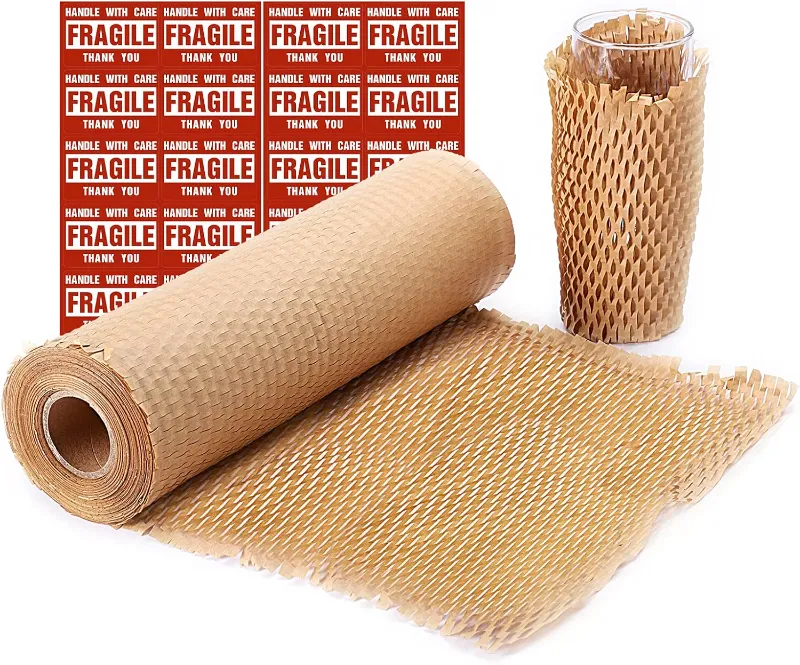
- Office cleanout: Paper, cardboard boxes (broken down), and packing materials like honeycomb packing paper
- Light renovation scraps: Trim pieces, small amounts of drywall dust, and non-sharp debris
- Everyday household tasks: Seasonal closet cleanouts, toy purges, and donation sorting
Many shoppers search for 13 gallon trash bags in liters (roughly 49 liters) to match international can sizes, or look for bulk packs like 13 gallon trash bags 200-count for cost efficiency. If you’re simply replacing your weekly kitchen liner, a standard mil thickness and drawstring closure will do the job without the added expense of contractor plastic.
Sizing and Fit: Matching Bag to Container
A 13 gallon trash bag is designed to fit standard tall kitchen cans, which measure roughly 15 inches in diameter and 26 inches tall. If you try to use a 13 gallon bag in a larger outdoor bin or contractor-size can, it won’t cover the rim and will slip down as you fill it.
Contractor bags, on the other hand, are sold in a range of gallon capacities, typically 30, 33, 42, or 55 gallons. Measure your container’s gallon rating (often printed on the base or listed in the product manual) before ordering. Oversizing by 3 to 5 gallons ensures the bag drapes over the rim and stays secure with a tie or drawstring.
Quick sizing guide:
| Container Type | Recommended Bag Size | Typical Mil Thickness |
|---|---|---|
| Kitchen trash can | 13 gallon | 0.9-1.2 mil |
| Outdoor rolling bin | 30-33 gallon | 1.5-2 mil |
| Contractor jobsite can | 42-55 gallon | 3+ mil |
If you’re working on a project that generates mixed waste (some heavy, some light) consider keeping both sizes on hand and switching as needed.
Cost Comparison and Bulk Buying Tips
Contractor bags cost more per unit, but they reduce waste from torn bags and the need to double-bag heavy loads. We’ve seen contractor-grade 3 mil bags run $0.40 to $0.70 each in a 32-count box, while standard 13 gallon trash bags black or clear options sell for $0.10 to $0.20 each in larger packs.
For ongoing projects or commercial use, bulk options like 13 gallon trash bags 1000 count or garbage bags 13-gallon Costco packs lower the per-bag price significantly. When you check the latest price on JiaroPack, compare the per-bag cost across pack sizes and factor in whether the job justifies the premium thickness.
Bulk buying checklist:
- Calculate bags per day based on your project timeline
- Compare per-bag cost across 50, 100, 200, and 1000-count packs
- Check if your storage space can accommodate larger boxes
- Apply discount codes (currently 10% off sitewide) to maximize savings
Material and Closure Features That Matter
Most 13 gallon trash bags use high-density polyethylene (HDPE) for a crisp, crinkly feel and lighter weight, while contractor bags rely on low-density polyethylene (LDPE) for stretch and tear resistance. LDPE bags flex around sharp objects instead of splitting on contact, which is why they’re preferred for construction debris.
Closure type also affects usability. Drawstring bags let you cinch and carry without tying knots, which speeds up workflow on jobsites. Tie-top or flat-top bags are cheaper but require manual knotting, and they’re harder to remove from a full can without spilling.
Look for reinforced gussets if you’re bagging angular or heavy items. Gussets distribute weight across the bottom seam, reducing the chance of a blowout when you lift a full bag. Many premium 13 gallon trash bags glad and similar brands include this feature even at standard thickness.
Which One Should You Choose?
Choose contractor bags if your project involves demolition, roofing, landscaping, or any debris with sharp edges and weights over 30 pounds per bag. Their 3+ mil thickness and larger capacity justify the higher per-bag cost by preventing mid-job failures and double-bagging.
Stick with 13 gallon trash bags for everyday kitchen waste, office cleanouts, light renovation scraps, and any indoor task where puncture risk is low. They fit standard cans perfectly, cost less per bag, and are available in convenient multi-packs at retailers nationwide.
For mixed-use scenarios (like a garage cleanout with both household items and old tools) buy a small box of each and switch as your debris changes. That flexibility keeps costs down while ensuring you always have the right bag for the job.
Questions
Can I use 13 gallon trash bags for construction debris?
You can use them for light construction scraps like trim pieces and small amounts of drywall dust, but anything sharp, heavy, or abrasive will puncture standard kitchen bags. Contractor bags are a safer choice for most jobsite waste.
How thick should a trash bag be for heavy debris?
Look for at least 3 mil thickness for heavy debris like broken tile, roofing shingles, or landscaping waste. Standard 13 gallon bags run 0.9 to 1.2 mil and work best for everyday household trash.
What size trash bag fits a 13 gallon can?
A 13 gallon trash bag is designed to fit standard tall kitchen cans, which are roughly 15 inches in diameter and 26 inches tall. Bags labeled 13 gallon will drape over the rim and secure with a drawstring or tie.
Are contractor bags worth the extra cost?
Yes, if your project involves sharp or heavy debris. Contractor bags prevent mid-job tears and eliminate the need to double-bag, which often makes them more cost-effective than buying and wasting multiple kitchen bags.
Can I buy 13 gallon trash bags in bulk to save money?
Absolutely. Bulk packs like 200-count or 1000-count options lower the per-bag cost significantly, especially when you apply discount codes. Compare per-bag pricing across pack sizes to find the best value.
Do contractor bags come with drawstring closures?
Many do, but not all. Check the product listing before buying if you prefer drawstring convenience over tie-top closures, especially for jobsites where speed matters.
Products in this guide
Shopping at JiaroPack? See the discount code
10% OFF Sitewide
More in this series
 Will Orange Mailing Envelopes Pass Through USPS Sorting Machines Without Damage?31 Jul 20264 minThe Best Way to Pack Moving Boxes with Honeycomb Paper and Bubble Wrap31 Jul 20264 minHow Long Do Honeycomb Packing Paper Rolls Last for Small Business Shipping?31 Jul 20264 min
 Do Padded Mailers Protect Fragile Items Better Than Bubble Mailers?31 Jul 20264 minHow to Choose the Right Bubble Mailer Size for USPS Shipping31 Jul 20266 min