 A MustartPower guide
NEMA 14-50 vs 6-50 Outlets: What’s the Difference for Your Tesla?
A NEMA 14-50 outlet delivers 240 volts at 50 amps, while a 6-50 is 240 volts at 60 amps, but the key difference for your tesla level 2 charger is compatibility, amperage capacity, and which one your home's electrical panel can support.
A NEMA 14-50 outlet delivers 240 volts at 50 amps, while a 6-50 is 240 volts at 60 amps, but the key difference for your tesla level 2 charger is compatibility, amperage capacity, and which one your home’s electrical panel can support. Both are viable for charging at home, but the choice depends on your specific equipment, electrical infrastructure, and charging speed needs.
NEMA 14-50 vs 6-50: The Core Electrical Difference
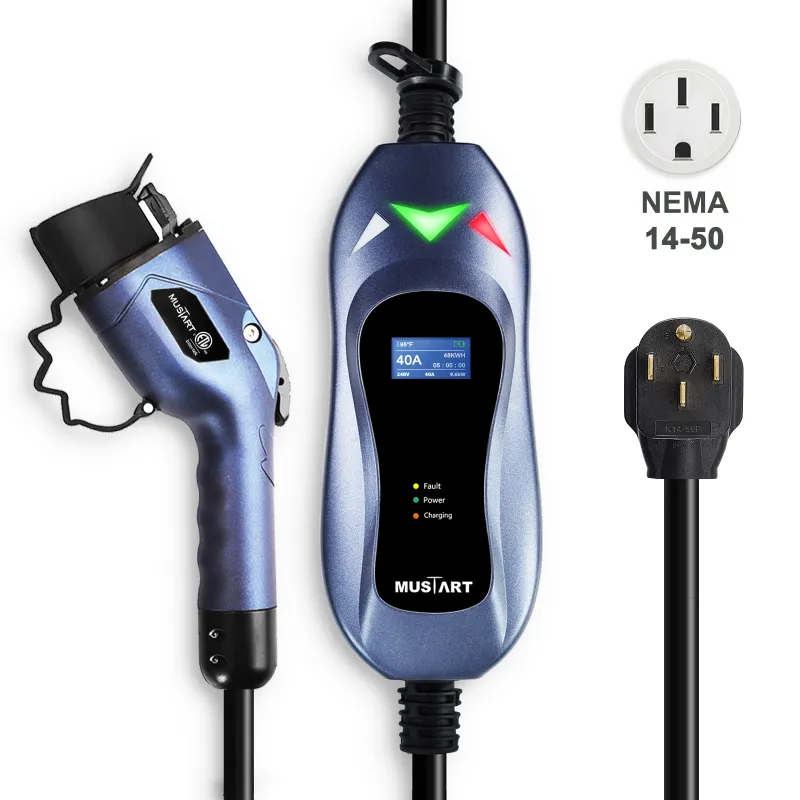
The NEMA naming system tells you the voltage, amperage, and pin configuration. A plug nema 14-50 has four pins and accepts 50 amps at 240 volts. A 6-50, by contrast, has only three pins (no neutral wire) and is rated for 60 amps at 240 volts. This difference matters because most residential tesla level 2 charger equipment is designed for 14-50 outlets, not 6-50. The extra pin on the 14-50 provides a neutral wire, which many chargers and appliances require for safety and compatibility.
If you’re installing a dedicated circuit for EV charging, a 14-50 is the safer, more widely supported choice. The 6-50 is typically reserved for specialized applications like welder outlets or older dryer connections. Attempting to force a 14-50 rated charger into a 6-50 circuit is not only unsafe but won’t work mechanically.
Which Outlet Does Your tesla level 2 charger Actually Need?
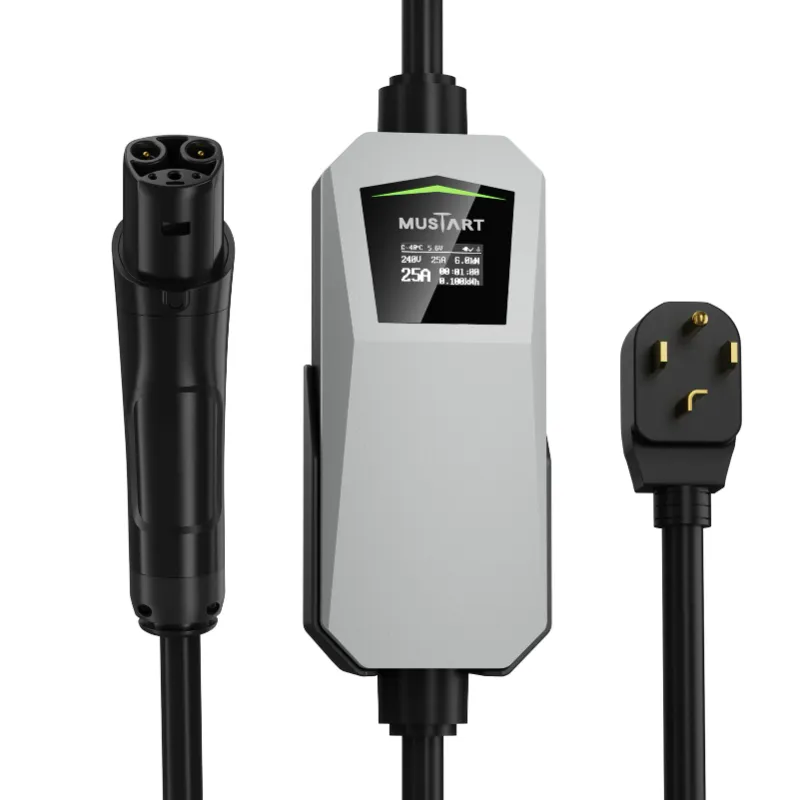
Most modern home charging setups, including options like the schumacher 240v 50a nema 14-50 level 2 ev wall charger, are built around the 14-50 standard. This is the de facto standard for residential EV charging in North America. If you’re shopping for a level 2 tesla charger or a 240v tesla charger, check the product specs, the manufacturer will specify which outlet type it requires.
For most homeowners, you won’t face a real choice between these two. Your electrician will recommend a 14-50 installation because it’s the industry standard for Level 2 home charging. If your home already has a 6-50 outlet (perhaps from a previous dryer or welding setup), you’d need to install a new 14-50 circuit for EV charging compatibility. The cost of running a new circuit is relatively straightforward, and grab the code when you’re ready to purchase your charger to save $10 on your order.
Amperage, Power Delivery, and Charging Speed
The amperage difference between 50 amps (14-50) and 60 amps (6-50) sounds significant, but in practice it rarely matters for EV charging. Most residential tesla level 2 charger models, including the dewalt level 2 40amp smart ev charger, are designed to max out at 40 to 50 amps anyway. Your home’s electrical panel, breaker size, and wire gauge are the real constraints.
A 50-amp 14-50 circuit typically pairs with a 50-amp breaker and 8-gauge wire. If you installed a 6-50 circuit at 60 amps, you’d need heavier 6-gauge wire and a 60-amp breaker, adding cost and complexity for minimal real-world benefit. Most chargers won’t draw more than 50 amps regardless, so the extra capacity goes unused.
For charging speed, what matters is the total kW your charger delivers. A tesla level 2 charger pulling 50 amps at 240 volts gives you roughly 12 kW of power. A 6-50 at 60 amps theoretically offers 14.4 kW, but you’d need a charger specifically rated for that draw and homeowner approval from your utility. In practice, stick with a 14-50 unless your charger manufacturer explicitly requires otherwise.
Installation Considerations and Electrical Code
Both outlets require a dedicated circuit installed by a licensed electrician. Your electrician will run wire from your main breaker panel to the outlet location, which typically involves tesla level 2 charger installation costs ranging based on distance, existing infrastructure, and local permitting. Neither outlet is inherently easier or harder to install, the real work is the wiring and breaker setup.
For safety, the National Electrical Code (NEC) mandates specific wire gauges based on amperage. A 50-amp circuit requires 8-gauge wire minimum; a 60-amp circuit requires 6-gauge. Thicker wire costs more and is harder to route, making 14-50 the more practical choice for most homes. Check Tesla’s home charging guidance for official recommendations on setup and safety standards.
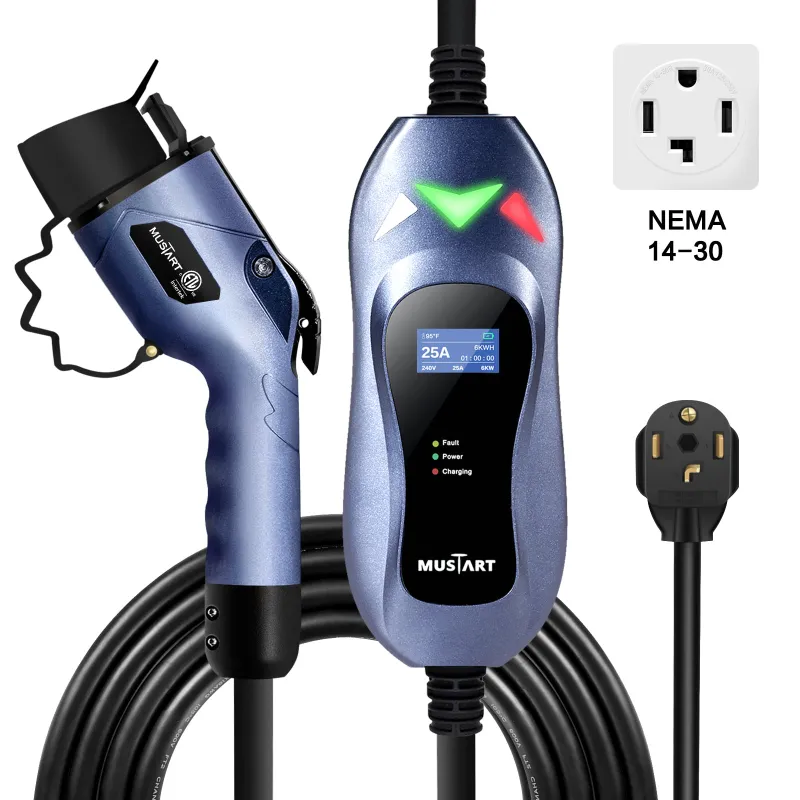
The outlet itself is a small part of the total cost. Whether you choose 14-50 or 6-50, plan to budget for the full circuit installation, permits, and the charger unit itself. If you’re comparing models like the 14/30 for a smaller setup or the lvl 2 tesla charger for standard home use, confirm the required outlet before calling your electrician.
Real-World Scenarios: When Each Makes Sense
A 14-50 outlet is the right choice if you’re setting up home charging for a Tesla or any other EV, running a level 2 tesla charger or similar dedicated unit. It’s the standard, parts are widely available, and electricians are familiar with the installation.
A 6-50 outlet might already exist in your home if you’ve had a high-amp appliance like an old electric dryer or workshop welder. If that’s the case, don’t repurpose it for EV charging. Instead, run a new 14-50 circuit for your charger. The cost difference is minimal compared to the safety and compatibility gains, especially if you plan to keep your EV for years.
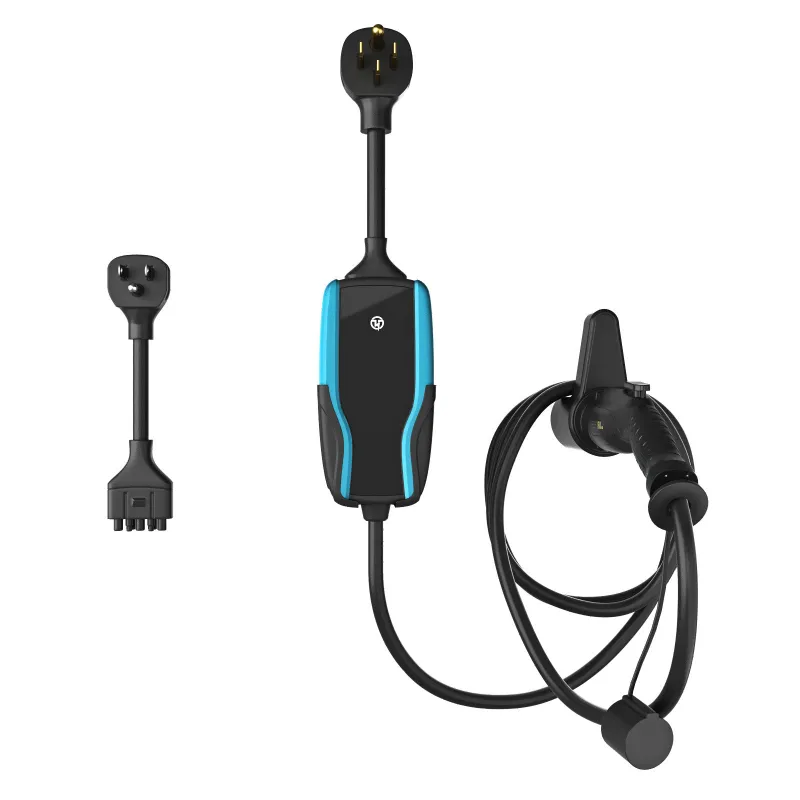
For apartment dwellers or those without dedicated parking, a portable j1772 charger or tesla level 1 charger may be more practical than worrying about outlet types. Level 1 chargers work from any standard 120-volt outlet and charge more slowly, but they’re portable and require no installation. If you need faster home charging and have the option to install infrastructure, that’s when outlet type becomes critical.
Upgrading or Troubleshooting Your Setup
If you’re not sure what outlet you have, an electrician can tell you in seconds. If you’re moving to a new home or evaluating an existing setup, have a pro inspect before you buy a charger. This ensures you won’t face compatibility headaches later.
Upgrading from a 6-50 (if you somehow have one) to a 14-50 is straightforward: new breaker, new wire, new outlet. It’s a weekend project for a licensed electrician. Once installed, you can confidently choose from any mainstream 240v tesla charger or similar Level 2 unit, knowing the infrastructure supports it.
Ready to set up or upgrade your home charging? Check the latest price on the chargers and accessories you need, and use our $10 off code on your order.
Questions
Can I use a NEMA 6-50 outlet for my tesla level 2 charger?
No. Most Tesla Level 2 chargers require a NEMA 14-50 outlet, not a 6-50. The 6-50 lacks the neutral pin and is typically reserved for welders or older appliances. If you have a 6-50, you'd need to install a new 14-50 circuit for EV charging compatibility.
What's the difference in charging speed between 14-50 and 6-50?
A 14-50 at 50 amps provides roughly 12 kW of power. A 6-50 at 60 amps theoretically offers more, but most home chargers max out at 50 amps anyway, so real-world charging speed is similar. The infrastructure cost of upgrading to support 60 amps rarely justifies the marginal speed gain.
Do I need a new circuit if I already have a 6-50 outlet?
Yes. You should have a licensed electrician run a new dedicated 14-50 circuit from your breaker panel to your charging location. Repurposing a 6-50 outlet for EV charging is not safe or compatible with standard chargers.
What wire gauge do I need for a NEMA 14-50 outlet?
A 50-amp 14-50 circuit requires 8-gauge copper wire (or 6-gauge aluminum) run from your main panel with a 50-amp breaker. Your electrician will handle this during installation and ensure it meets local electrical code.
How much does it cost to install a NEMA 14-50 outlet for a tesla level 2 charger?
Costs vary based on distance from your breaker panel, existing electrical infrastructure, local permitting, and labor rates. Installation alone typically ranges from a few hundred to over a thousand dollars. Your electrician can provide a quote after assessing your home.
Products in this guide
Shopping at MustartPower? See the discount code
$10 OFF All Orders
More in this series
 Can You Use a Level 1 Charger Long-Term? Pros and Cons Explained27 Aug 20264 minPortable J1772 EV Chargers: Are They Worth the Convenience?27 Aug 20265 minHow to Install a 240V Tesla Charger at Home: A Step-by-Step Guide27 Aug 20266 minLevel 1 vs Level 2 Tesla Chargers: Which One Do You Actually Need?27 Aug 20264 min