 A MustartPower guide
Can You Use a Level 1 Charger Long-Term? Pros and Cons Explained
A level 1 tesla charger handles daily commutes for low-mileage drivers, but most EV owners upgrade to a tesla level 2 charger within months for practical charging speeds.
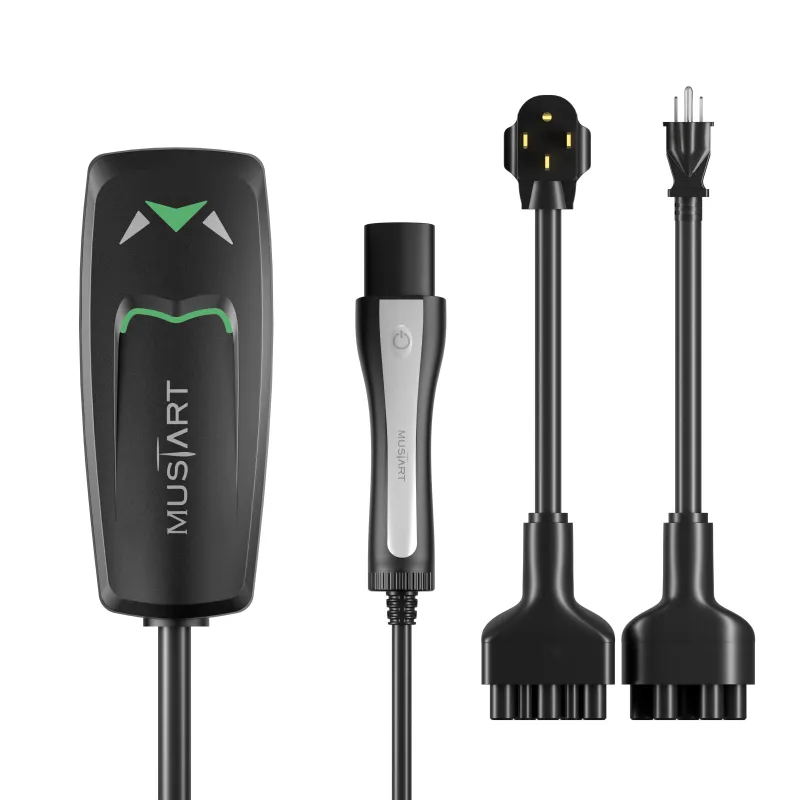
A level 1 tesla charger handles daily commutes for low-mileage drivers, but most EV owners upgrade to a tesla level 2 charger within months. Whether you can stick with level 1 depends on your driving habits, schedule, and patience. We’ll walk you through the real tradeoffs so you can decide what works for your situation.
What Level 1 and Level 2 Actually Deliver
A tesla level 1 charger plugs into a standard 120-volt outlet and adds about 2-3 miles of range per hour of charging. That means a full charge from empty takes 24-48 hours. A tesla level 2 charger uses 240 volts, delivering 25-30 miles of range per hour, cutting full-charge time to 4-10 hours depending on your battery size.
The difference matters when you’re living with the charger every day. Level 1 works if you rarely drive or have a predictable routine. Level 2 becomes essential if you use your EV as your primary vehicle or want flexibility.
Who Can Actually Live With Level 1 Long-Term
Level 1 works best for specific situations:
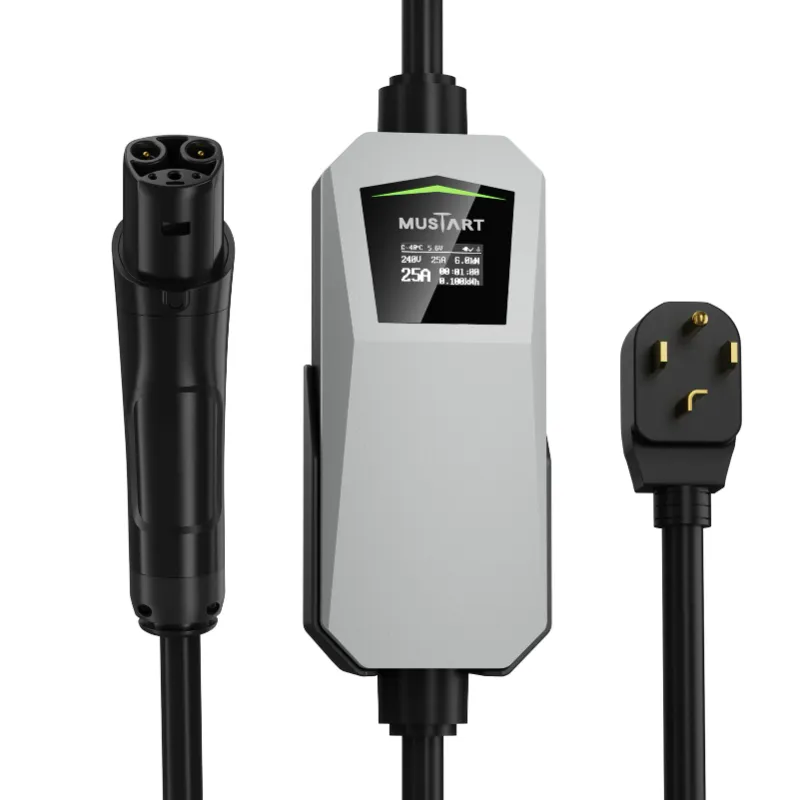
- You drive fewer than 50 miles per week and charge overnight several times weekly
- Your workplace or regular stops have level 2 access, so you only use level 1 at home for maintenance charging
- You own a second vehicle and use your EV only for short, predictable trips
- You live in a rental or temporary housing where installing a dedicated 240v tesla charger isn’t an option
- You have a high-capacity battery and rarely deplete it between charges
Beyond these scenarios, level 1 frustration builds fast. Missing a charge window costs you a full day of driving. Weekend plans get complicated when you can’t top up overnight. Road trips require careful planning around charging time.
The Real Pain Points of Level 1 Long-Term Use
Relying on a level 1 tesla charger introduces practical friction:
- You can’t recover from a depleted battery quickly. Forgetting to plug in means waiting days to resume full driving capability.
- Inconsistent charging windows mean planning errands around charger availability instead of driving when you need to.
- Cold weather reduces level 1 charging efficiency by 20-30%, stretching charging time further.
- You’re anchored to a single outlet, limiting flexibility if you move or need to relocate your vehicle.
- Overnight charging ties up your only 120-volt outlet, which matters in smaller homes or apartments.
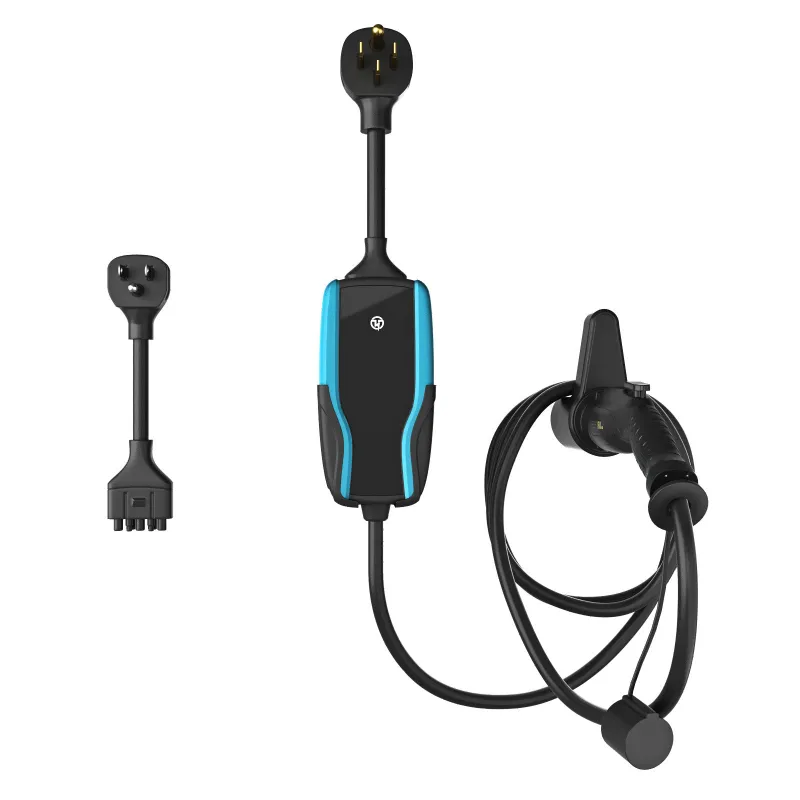
Most owners who start with level 1 for cost reasons end up investing in a level 2 tesla charger or a portable j1772 charger within the first year.
When You Should Upgrade to Level 2
Make the jump to a tesla level 2 charger if any of these apply:
- You drive your EV more than 50 miles per week
- You’ve missed charging windows and had to delay trips because of level 1 speed
- You want the flexibility to charge to full capacity in one overnight window
- You’re planning road trips and need faster top-ups at home between drives
- Your driving mix includes variable daily mileage that makes level 1 unpredictable
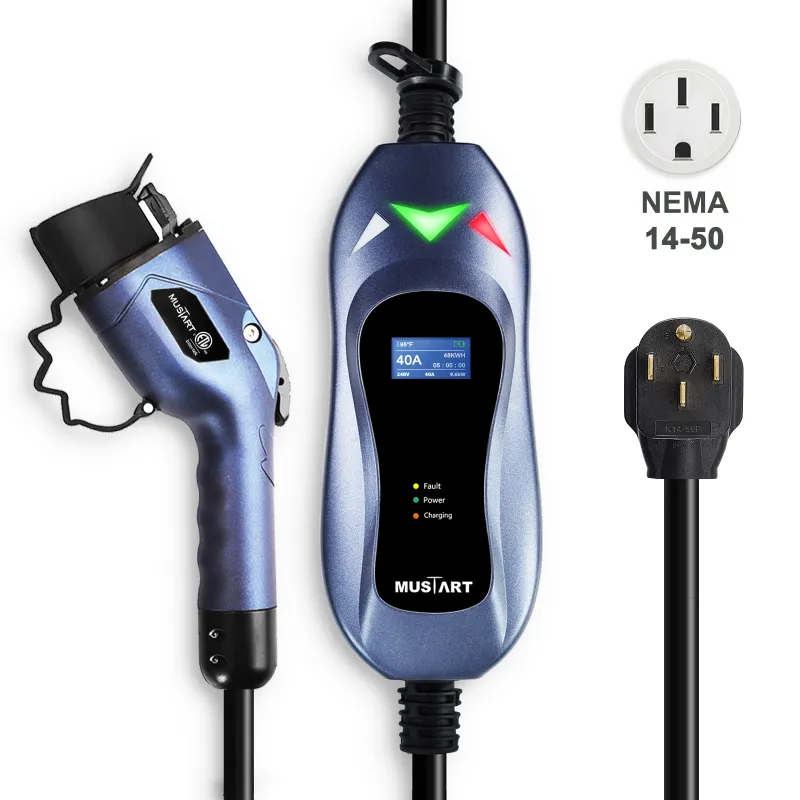
Options like the dewalt level 2 40amp smart ev charger, lvl 2 tesla charger, or schumacher 240v 50a nema 14-50 level 2 ev wall charger offer faster charging without the hassle. Installation typically requires a dedicated 240-volt circuit; costs and timelines depend on your home’s electrical panel and distance to the charging location. Check current pricing and installation details to budget accurately.
Installation and Wire Size Considerations
Level 2 setup depends on your home’s electrical capacity. Most level 2 chargers use a plug nema 14-50 connector and require specific wire sizes based on amperage and distance from your panel. A 40-amp charger typically needs 8-gauge wire; a 50-amp setup needs 6-gauge. Running conduit and upgrading your service panel can range widely in cost depending on your home’s age and electrical infrastructure.
If you’re renting or unsure about permanent installation, a portable j1772 charger gives you level 2 speed without hardwiring. You can take it with you if you move or use it for backup charging on trips.
For detailed guidance on setup and to see what fits your home, check Home Charging options at Tesla or read more about charger comparisons and community recommendations.
Level 2 Charger Options for Different Needs
If you decide level 2 is right for you, several products handle different budgets and scenarios:
| Product | Best For | Key Feature |
|---|---|---|
| 14/30 | Budget-conscious installers | Compact, reliable 30-amp delivery |
| 240 / 15 | Light users wanting 240v | Fits tighter budgets than 40-50 amp models |
| level 2 tesla charger | Tesla-specific optimization | Native compatibility, proven reliability |
| schumacher 240v 50a nema 14-50 level 2 ev wall charger | Maximum speed, permanent install | 50-amp power, hardwired wall mount |
Most owners see faster charging times and fewer planning headaches as worth the upgrade cost. Grab the code for $10 off to lower your entry point.
The Verdict: Level 1 Is Temporary, Not Permanent
Using a level 1 charger long-term is technically possible but impractical for most EV owners. It works as a stopgap if you have limited driving, predictable routines, or access to faster charging elsewhere. For anyone driving 50+ miles per week or valuing flexibility, upgrading to a tesla level 2 charger within your first few months of EV ownership pays for itself in time and stress.
The real question isn’t whether you can survive on level 1, but whether the daily friction is worth the cost savings. Most drivers find that level 2 charging becomes non-negotiable once they experience the difference.
Questions
How much faster is a tesla level 2 charger than level 1?
A tesla level 2 charger adds 25-30 miles of range per hour versus 2-3 miles per hour with level 1. That means a full charge takes 4-10 hours with level 2 instead of 24-48 hours with level 1, depending on battery size.
Can I use a level 1 tesla charger if I only drive short distances?
Yes, if you drive fewer than 50 miles per week and charge consistently overnight, level 1 works fine. But most people find the slow speeds inconvenient after a few months and upgrade to level 2.
What is the difference between a portable j1772 charger and a wall-mounted level 2 charger?
A portable j1772 charger plugs into standard outlets and gives you flexibility to move it, while wall-mounted chargers like the schumacher 240v 50a nema 14-50 level 2 ev wall charger are hardwired for faster, permanent charging at home.
Do I need special electrical work to install a tesla level 2 charger?
Most level 2 chargers require a dedicated 240-volt circuit and specific wire size based on amperage. Installation cost depends on your home's existing electrical panel and distance to the charger location.
Is the dewalt level 2 40amp smart ev charger worth it over cheaper level 2 options?
The dewalt level 2 40amp smart ev charger offers 40-amp power and smart features, making it faster than lower-amp models. The choice depends on your budget and whether you want app connectivity and scheduling.
What size wire do I need for a level 2 charger?
Wire size depends on amperage and distance from your electrical panel. A 40-amp charger typically needs 8-gauge wire, while a 50-amp setup needs 6-gauge. Consult a licensed electrician for your specific setup.
Products in this guide
Shopping at MustartPower? See the discount code
$10 OFF All Orders
More in this series
NEMA 14-50 vs 6-50 Outlets: What’s the Difference for Your Tesla?27 Aug 20265 minPortable J1772 EV Chargers: Are They Worth the Convenience?27 Aug 20265 minHow to Install a 240V Tesla Charger at Home: A Step-by-Step Guide27 Aug 20266 minLevel 1 vs Level 2 Tesla Chargers: Which One Do You Actually Need?27 Aug 20264 min