 A Fosi Audio guide
What Cable Length Works Best for RCA to RCA Connections in Home Audio?
The ideal rca to rca cable length balances reach and signal integrity, with 3 to 6 feet working best for most home audio connections.
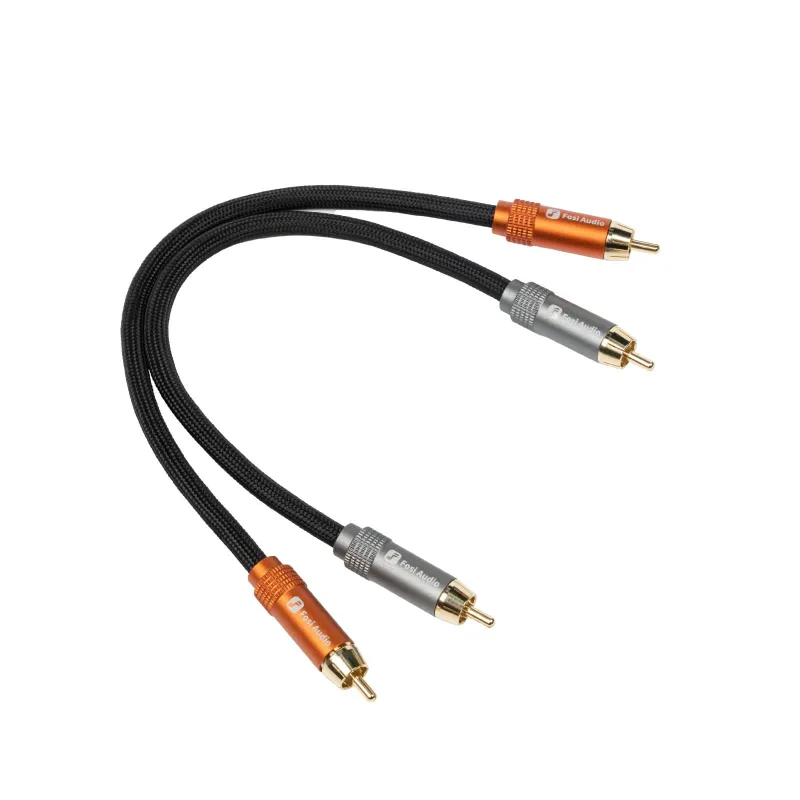
An rca to rca cable between 3 and 6 feet delivers the best balance of signal integrity and practical reach for most home audio setups. Shorter cables minimize resistance and interference, while longer runs risk audible signal degradation, especially in unbalanced connections common in turntables, phono preamps, and subwoofers.
How Cable Length Affects RCA Audio Quality
Every foot of cable adds capacitance and resistance. In an unbalanced RCA connection, the signal travels through a center conductor surrounded by a ground shield. Longer cables pick up more electromagnetic interference from power cables, Wi-Fi routers, and other electronics, which manifests as hum or reduced high-frequency clarity.
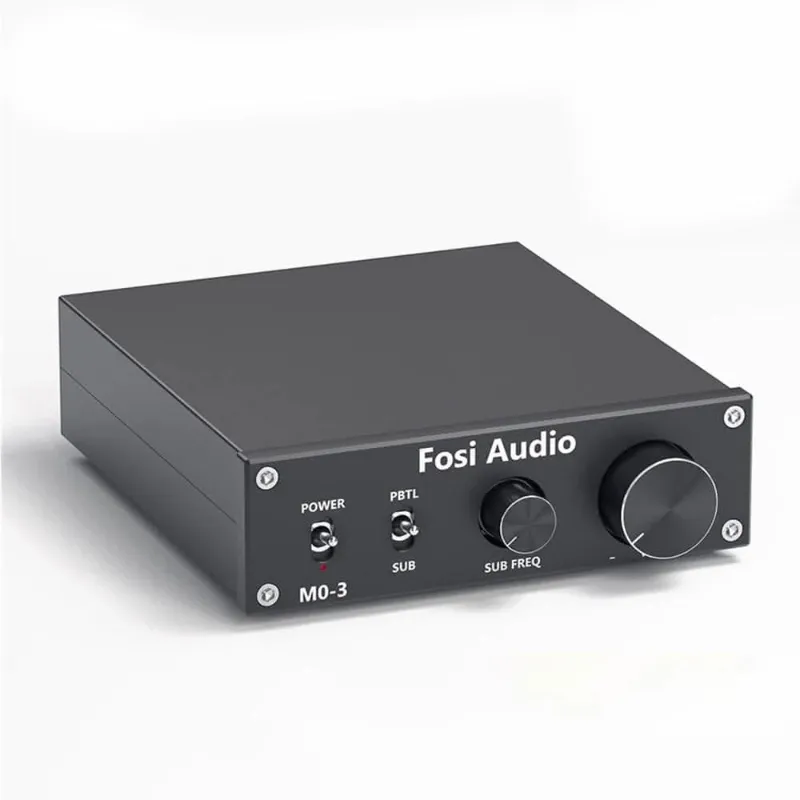
For subwoofer applications, bass frequencies tolerate longer runs better than mids and highs. A 10 to 15-foot rca to rca subwoofer cable between a sub amp and receiver works well because low frequencies are less susceptible to capacitance-related rolloff. Many users place subwoofers across the room from their main system, so a longer cable becomes necessary.
Best RCA to RCA Cable Lengths by Component
Different components demand different approaches. Here’s what we recommend:
| Component Connection | Ideal Length | Why |
|---|---|---|
| Turntable to phono preamp | 3 feet | Minimizes noise in the weakest signal stage |
| Preamp to amplifier | 3 to 6 feet | Balances desktop and rack spacing |
| Receiver to subwoofer | 10 to 15 feet | Allows flexible sub placement for room acoustics |
| DAC to powered monitors | 3 to 6 feet | Keeps desktop clutter minimal |
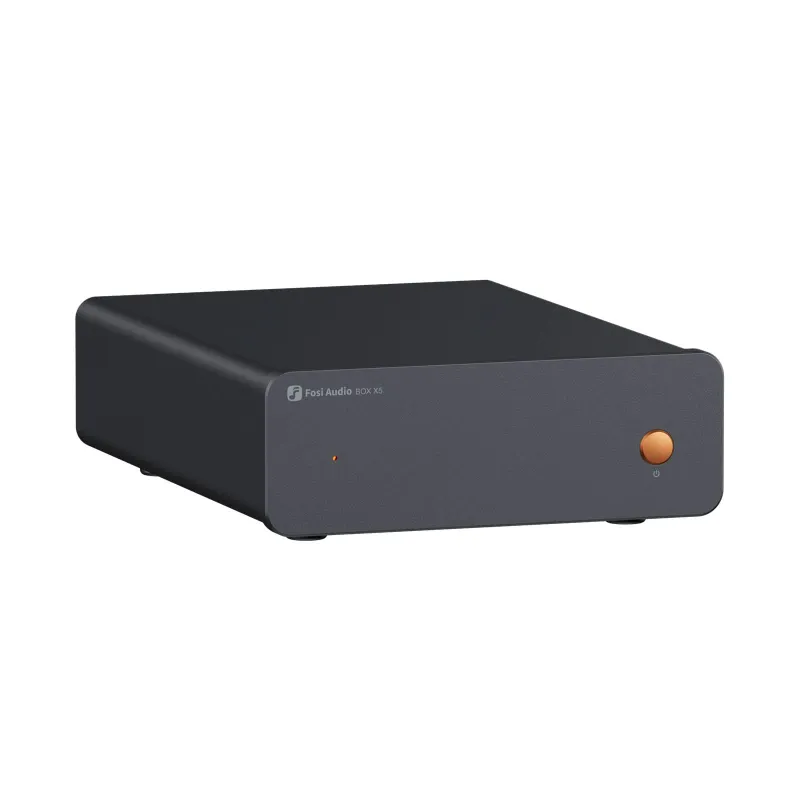
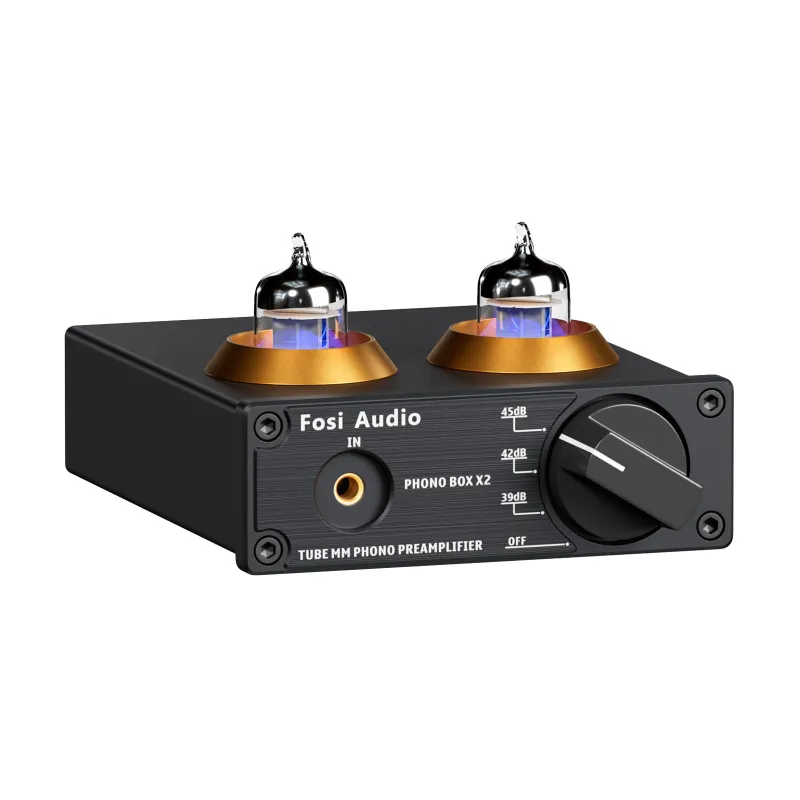
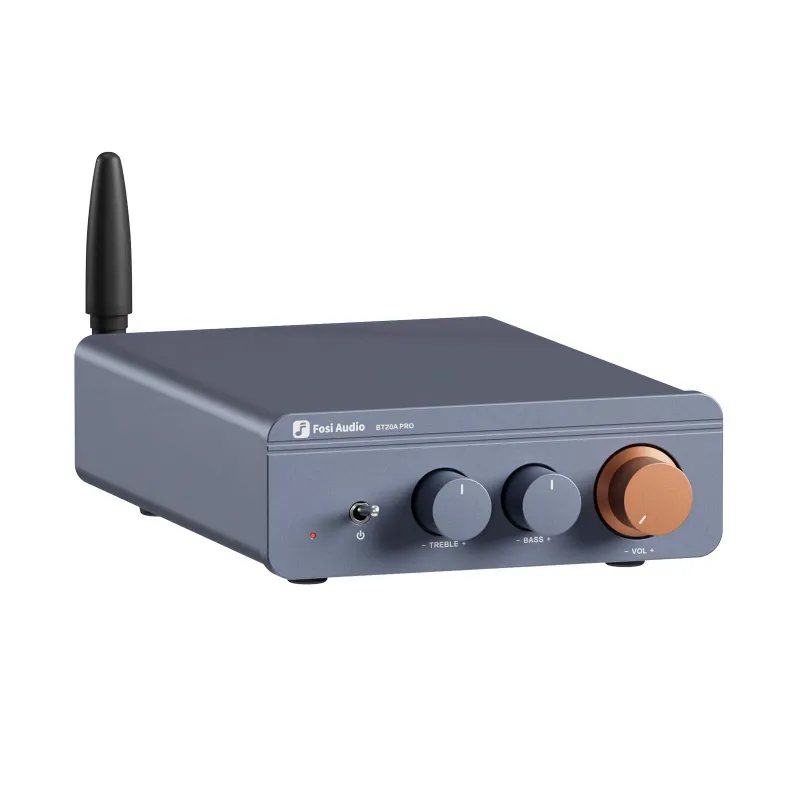
When connecting a phono preamp to a Fosi Audio BT20A Bluetooth stereo receiver, keep the cable as short as practical to preserve the delicate RIAA-equalized signal. Phono-level signals are roughly 1,000 times weaker than line-level, so every inch of unnecessary cable invites hum.
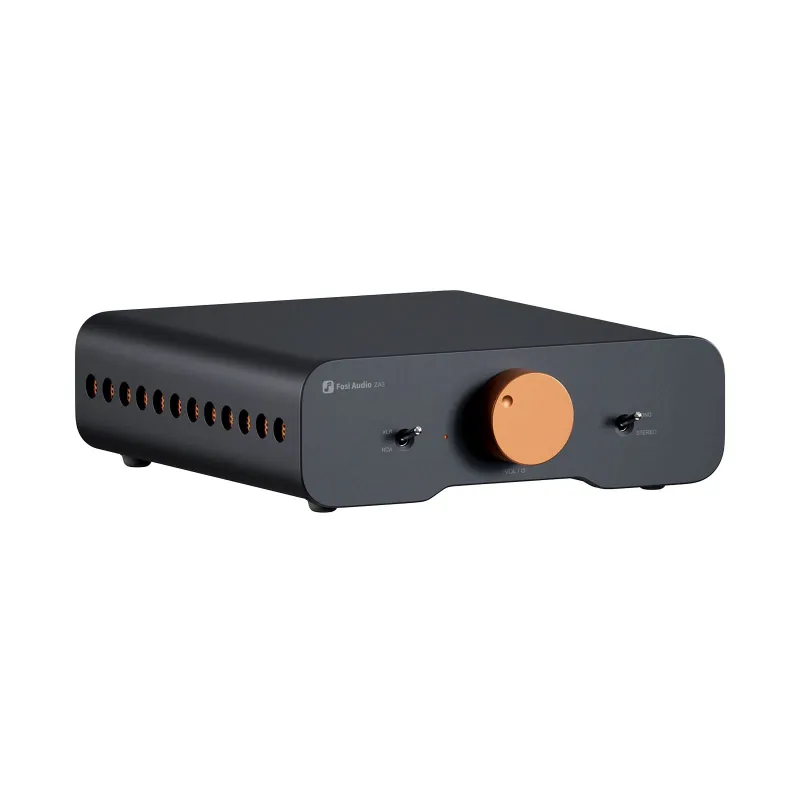
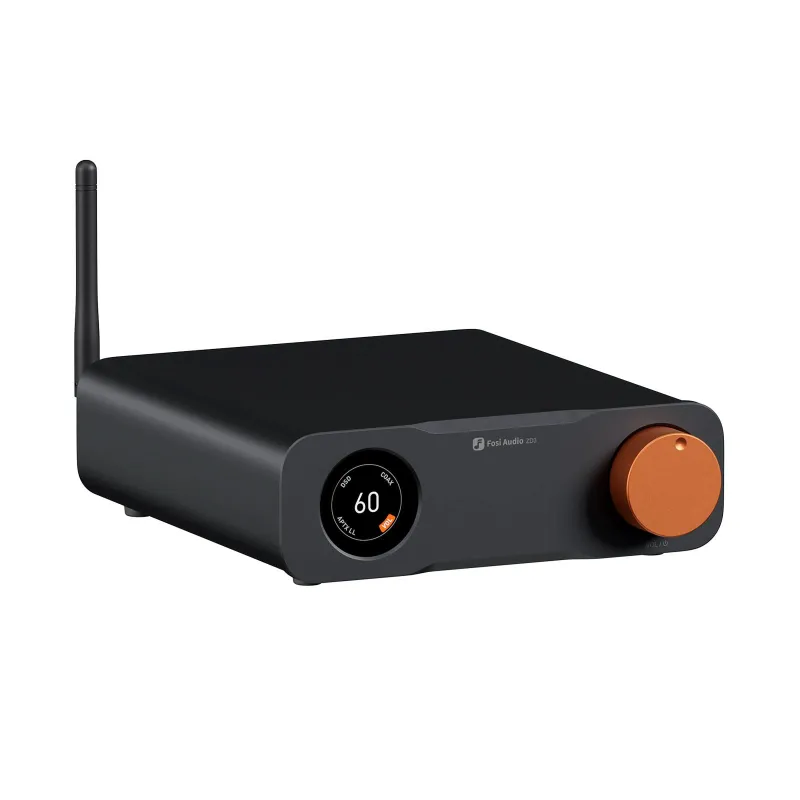
For desktop setups pairing a Fosi Audio ZD3 desktop DAC or FiiO K7 with powered speakers, 3 feet works perfectly. These compact systems sit on the same surface, so shorter cables reduce clutter and improve sound.
Choosing the Right RCA to RCA Cable for Your Setup
Material and shielding matter as much as length. Look for oxygen-free copper conductors and dual-layer shielding (braided plus foil) to reject interference. Gold-plated connectors resist oxidation and maintain consistent contact over years of plugging and unplugging.
We prefer cables with molded strain reliefs rather than bare solder joints. The best rca to rca cable designs protect the weakest mechanical point where the plug meets the wire.
Budget matters, but diminishing returns hit fast. Spend your money on amplifier and subwoofer upgrades before chasing exotic cable geometries.
Avoid coiling excess cable behind your rack. Coils create inductance that can interact with the signal, especially at longer lengths. If you must use a 10-foot cable in a 6-foot space, route it in a loose S-shape rather than a tight loop.
When to Use Longer RCA Cables
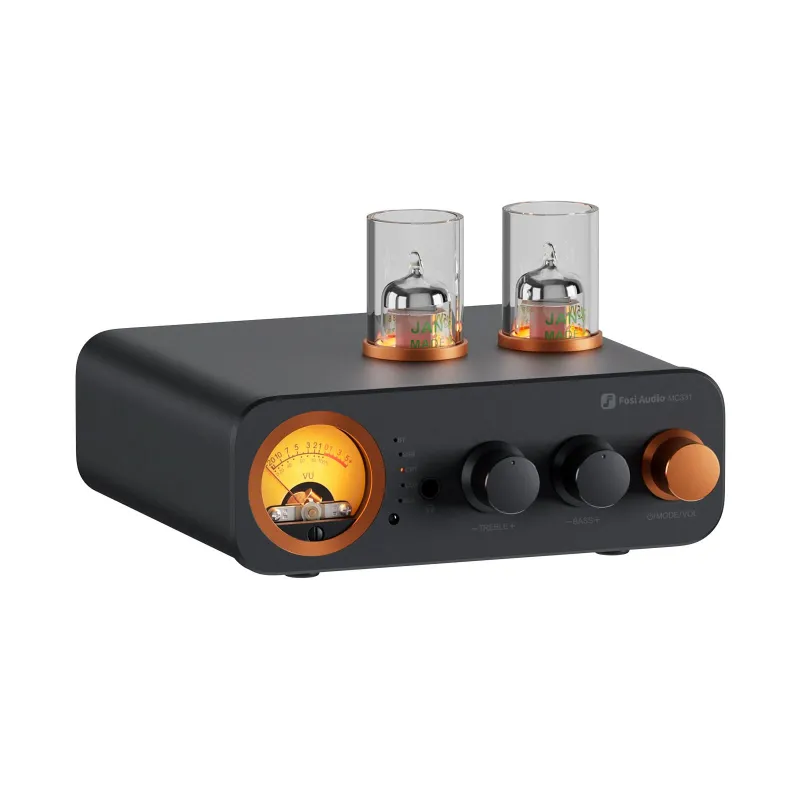
Some situations demand longer runs despite the tradeoffs. Home theater systems often place the Fosi Audio MC351 2.1 channel integrated amplifier in an equipment closet 15 to 20 feet from the subwoofer. In these cases, prioritize well-shielded cables and route them away from AC power lines.
If you’re running cables across a room, keep them perpendicular to power cables where they must cross. Parallel runs create the most opportunity for interference. Secure cables to baseboards with adhesive clips to prevent accidental tugs that stress the solder joints.
For systems using an audio amp in a separate room, consider balanced XLR connections instead of RCA if your gear supports them. Balanced lines reject noise far better over long distances, though most consumer Fosi Audio components use RCA exclusively.
Check the latest pricing on quality shielded cables when you’re ready to upgrade.
Measuring Your Space Before You Buy
Measure the actual path your cable will travel, not just the straight-line distance between components. Add 12 to 18 inches for slack so connectors don’t sit under tension. A cable pulled taut wears faster and risks pulling loose during cleaning or rearrangement.
Sketch your equipment layout and note obstacles like furniture legs or wall outlets. A 6-foot cable might reach in a straight line but fall short when routed around a cabinet.
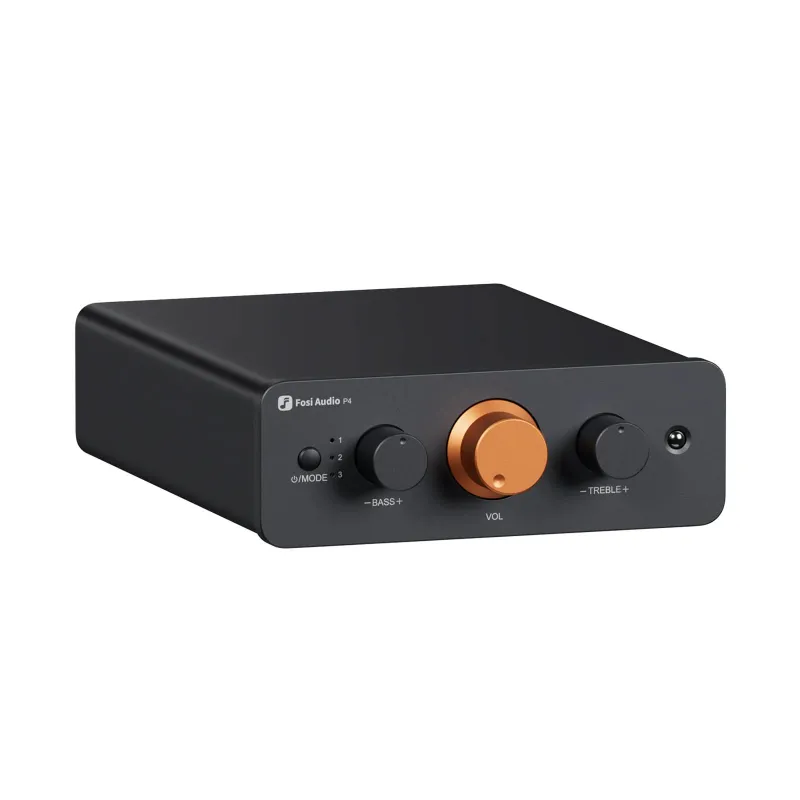
For turntable setups, place your P4 amplifier or receiver within 3 feet of the turntable if possible. This minimizes both the tonearm ground wire run and the RCA signal path, reducing hum from ground loops.
Desktop users with a DAC and powered monitors rarely need more than 3 feet per channel. Measure from the DAC’s rear panel to each speaker’s input, then add slack. Most RCA audio cables come in 3-foot, 6-foot, and 10-foot standard lengths, so round up to the next size.
Before finalizing your order, grab the code for an additional discount on your entire Fosi Audio setup. Pairing quality cables with solid amplification makes a measurable difference in any system, whether you’re streaming Bluetooth to a compact receiver or spinning vinyl through a dedicated phono stage.
Cable Management Tips for Clean Signal Paths
Once you’ve chosen the right length, proper routing preserves signal quality. Separate RCA cables from power cables by at least 6 inches wherever possible. If they must cross, do so at a 90-degree angle to minimize the length of parallel run.
Use Velcro ties instead of plastic zip ties behind your equipment rack. Velcro allows easy adjustments without cutting and re-tying, and it doesn’t compress the cable shield as aggressively. Over-tightened zip ties can deform the dielectric and alter capacitance.
Label both ends of each cable with tape or heat-shrink marked “L” and “R” for stereo pairs. This saves troubleshooting time when you add components or rearrange your system. Unlabeled cables can cost you hours of tracing through crowded equipment racks.
Keep spare cables in common lengths. A 3-foot and a 6-foot spare let you test whether a suspected cable fault is causing hum or dropouts. Cables fail rarely, but connectors wear out after hundreds of insertions, and having a backup on hand beats waiting for shipping when you want to listen.
Questions
What is the best length for an rca to rca cable between a turntable and amplifier?
Keep the cable between 3 and 6 feet for turntable connections. Phono signals are extremely weak and vulnerable to interference, so shorter cables deliver cleaner sound with less hum.
Can I use a 15-foot RCA cable for my subwoofer without losing bass quality?
Yes, bass frequencies tolerate longer cable runs much better than mids and highs. A well-shielded 10 to 15-foot cable works fine for subwoofer placement, though you should still avoid running it parallel to power cables.
Does cable length affect Fosi Audio amplifiers differently than other brands?
No, cable length impacts all amplifiers the same way because the physics of signal transmission don't change by brand. Fosi Audio gear uses standard RCA inputs, so the 3 to 6-foot guideline applies equally.
Should I buy the exact cable length I need or go longer for flexibility?
Add 12 to 18 inches to your measured distance for slack and routing around obstacles. A cable under tension wears faster and risks pulling loose, but avoid excess length that must be coiled tightly.
Will a cheap RCA cable work as well as an expensive one for short runs?
For short runs, look for solid shielding and build quality rather than a boutique price. Spend your budget on better amplifiers or speakers instead.
How do I reduce hum when I need a longer RCA cable run?
Choose cables with dual-layer shielding (braided plus foil), route them perpendicular to power cables where they cross, and keep at least 6 inches of separation along parallel runs. Upgrading to balanced XLR connections eliminates most hum if your gear supports them.
Products in this guide
 Shopping at Fosi Audio? See the discount code
10% OFF Sitewide
Shopping at Fosi Audio? See the discount code
10% OFF Sitewide
More in this series
The Complete Guide to Setting Up a 2.1 System With the Fosi Audio MC35130 Jul 20267 minFosi Audio P4 Preamp: What It Does and Who It Suits30 Jul 20263 minDo You Need a Separate DAC With the Fosi Audio ZA3 Amplifier?30 Jul 20264 minHow to Connect a Turntable Preamp to Your Fosi Audio Amplifier30 Jul 20265 minFosi Audio BT20A vs FiiO K5 Pro: Which Budget Audio Solution Is Right for Your Setup?30 Jul 20264 min