 A MedAlert guide
Do Medical Alert Response Call Centres Work 24/7 in Australia?
A response call centre for medical alerts operates 24 hours a day, 7 days a week across Australia, ensuring trained operators answer emergency calls from devices like MedAlert watches any time help is needed.
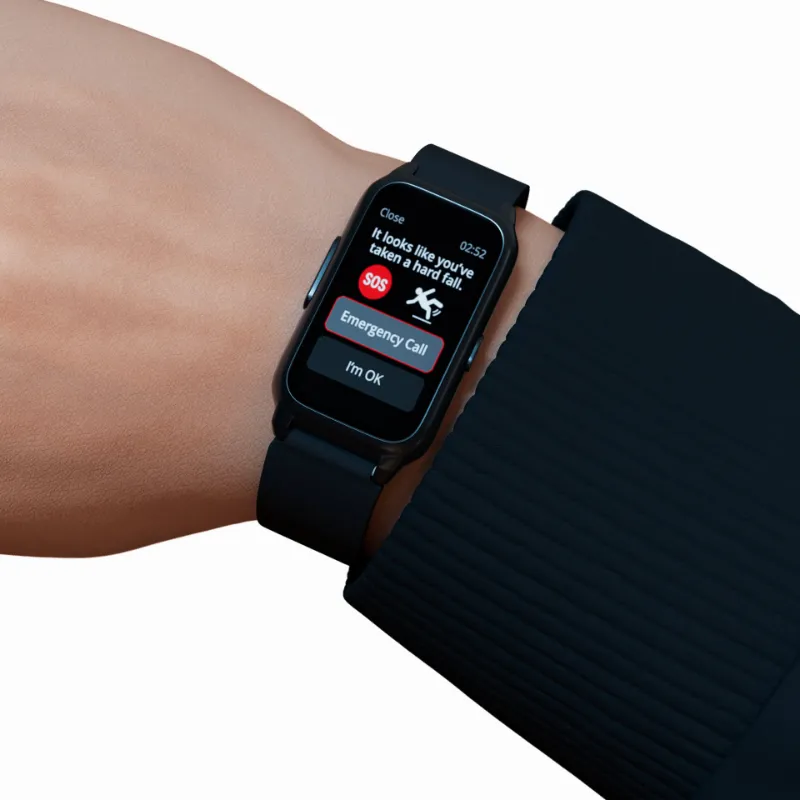
Yes, medical alert response call centres in Australia operate 24 hours a day, 7 days a week, 365 days a year. When you press the SOS button on a medalert device or medical alert smartwatch, trained operators answer within seconds, assess your situation, and dispatch help whether it’s 3 PM or 3 AM. This around-the-clock availability is the backbone of personal emergency response systems designed for elderly Australians and anyone living independently.
How a Response Call Centre Operates After Hours
Unlike standard call centres that close at 5 PM, medical monitoring hubs maintain full staffing around the clock. When you activate an sos watch for elderly australia, the signal reaches the response call centre immediately, triggering a two-way voice call through the device speaker or a connected base station. Operators access your pre-loaded medical profile, contact preferences, and emergency instructions instantly, so they know your allergies, medications, and whether to call your daughter or triple zero first.
Night-shift teams follow the same protocols as daytime staff. If you fall at 2 AM and trigger a fall detection watch, the operator will attempt to speak with you, confirm the emergency, and coordinate the appropriate response, whether that’s notifying a nearby family member with a spare key or dispatching an ambulance. The system never sleeps, which is critical when most falls and medical emergencies occur outside business hours.
What Happens When You Press the SOS Button
The moment you activate your medical watches emergency button, a cellular or Wi-Fi signal transmits to the monitoring centre. Within 30 to 60 seconds, a trained operator initiates two-way communication through your device. They’ll ask your name, confirm your location (many devices include GPS), and determine the nature of the emergency.
Here’s the typical response sequence:
- Initial contact: Operator speaks to you through the watch or pendant speaker
- Assessment: They evaluate whether you need ambulance, family assistance, or advice
- Action: Based on your response plan, they contact emergency services, nominated contacts, or both
- Follow-up: The operator stays on the line until help arrives or the situation is resolved
If you don’t respond verbally (perhaps because you’re unconscious or disoriented) the operator treats it as a priority emergency and dispatches help immediately. Your medical profile guides their decisions, which is why keeping that information current matters. Grab the code for 10% off when you set up your monitoring service and device together.
Which Devices Connect to 24/7 Monitoring

Not every wearable gadget connects to a live response call centre. Basic fitness trackers and some budget alert devices only notify family members via app or text, with no professional operator in the loop. True medical alert systems route to staffed centres where trained personnel coordinate help.
Devices that typically include professional monitoring:
- Pendant systems: Traditional neck-worn buttons with home base stations
- Wearable smartwatches: Modern medical alert smartwatch models with cellular connectivity
- Fall detection wearables: Automatic alert devices like a fall detection watch that trigger without button presses
- Mobile GPS units: Clip-on or pocket devices for active seniors who leave home
When comparing options, confirm the device fee versus the monthly monitoring subscription. Some providers bundle both, while others separate hardware and service costs. Always verify the monitoring centre is Australian-based or staffed by operators familiar with local emergency protocols, international call centres may struggle with Australian addresses and triple zero coordination. Check the latest price to see current bundles and monitoring plans.
Australian Standards and Operator Training
Healthcare BPO providers like Response Carenet illustrate the professional infrastructure behind medical monitoring. Australian operators typically complete training in emergency call handling, medical terminology, and crisis de-escalation. Many centres hold ISO certifications and comply with privacy regulations for handling sensitive health data.
Staff receive ongoing education about:
- Recognizing stroke, heart attack, and fall symptoms by voice
- Coordinating with ambulance dispatch and local emergency services
- Managing anxious or confused callers with empathy
- Updating care plans and incident reports in real time
Reputable providers audit calls regularly and maintain backup power systems so outages never interrupt service. When evaluating a monitoring plan, ask whether operators are based in Australia, what their average response time is, and how they handle situations where you can’t speak clearly.
Costs, Contracts, and What’s Included
Monthly monitoring fees for 24/7 response call centre access range from around 30 to 60 dollars in Australia, depending on the service tier and device type. Some plans include free equipment if you commit to 12 or 24 months, while others charge an upfront device fee plus lower monthly rates.
Standard inclusions:
- Unlimited emergency button presses (no per-call charges)
- Two-way voice communication
- Emergency contact coordination
- Medical profile storage and updates
- GPS location sharing (on compatible devices)
Optional add-ons may include automatic fall detection, medication reminders, or wellness check-in calls. Always confirm whether the plan covers calls to ambulance services or only to family contacts, some budget tiers notify relatives but don’t dispatch emergency responders directly.
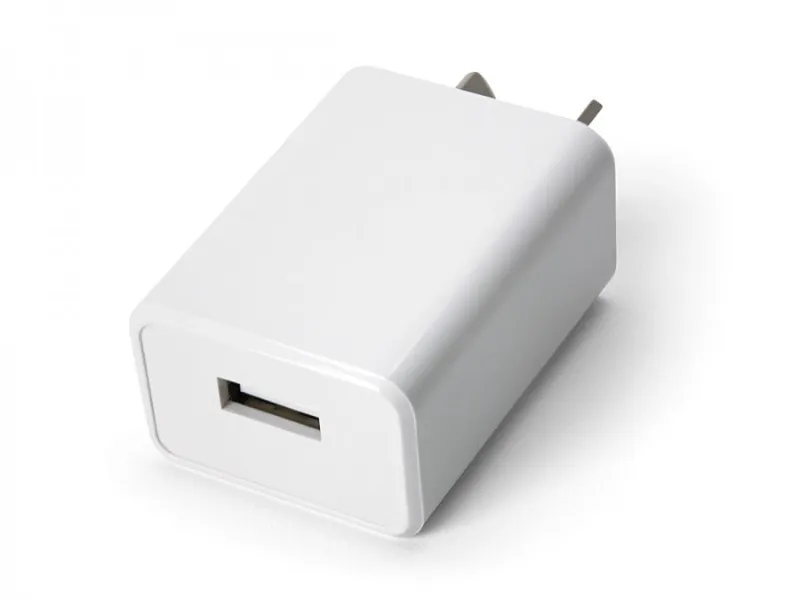
If you’re purchasing a usb wall chargers separately to keep your device powered, factor that into your total setup cost. Most watches need nightly charging, so a second charger for travel or a bedside backup prevents dead-battery gaps in coverage.
Who Benefits Most from 24/7 Monitoring
Around-the-clock response call centre access suits anyone who lives alone, has a history of falls, or manages chronic conditions that could require sudden help. Elderly Australians in remote or regional areas gain particular peace of mind, since neighbours and family may be hours away.
Ideal candidates include:
- Seniors living independently after a hospital discharge
- People with Parkinson’s, epilepsy, diabetes, or heart conditions
- Adults recovering from hip or knee surgery
- Anyone with a high fall risk or balance issues
Even active retirees who walk, garden, or travel locally benefit from having a wearable SOS device with professional backup. The cost is modest compared to the risk of lying injured for hours without help, and the psychological reassurance often encourages people to stay in their own homes longer instead of moving to assisted living prematurely.
For families spread across cities or states, knowing Mum or Dad has 24/7 access to trained operators reduces constant worry. You’ll receive notifications when the device is activated, so you stay informed without needing to be the first responder every time.
Questions
Do medical alert response call centres in Australia operate on public holidays?
Yes, medical alert monitoring centres staff operators every day of the year, including Christmas, Easter, and all public holidays. Emergency response doesn't take days off, so you receive the same 24/7 coverage regardless of the date.
Can I test my connection to the response call centre without triggering an emergency?
Most providers offer a test button or scheduled test-call feature so you can verify two-way communication and check your device battery without dispatching help. Contact your monitoring provider to arrange a non-emergency test.
What happens if my medical alert watch loses cellular signal?
If your device can't connect to the response call centre due to poor signal, it typically alerts you with a warning tone or notification. Many systems store your location and retry transmission once signal returns, but you should move to an area with better coverage when possible.
Are Australian response call centres staffed by registered nurses?
Some monitoring centres employ registered nurses or paramedics, while others train civilian operators in emergency protocols and medical terminology. Ask your provider about their staffing qualifications and whether nurses review your care plan.
How quickly does an operator answer after I press the SOS button?
Most Australian medical alert services connect you to an operator within 30 to 60 seconds of pressing the emergency button. Response times vary slightly by provider, so confirm their average during signup.
Can the response call centre contact my GP or specialist directly?
Operators typically contact emergency services and your nominated family or friends first. They can note your GP details in your profile, but direct GP contact during an active emergency is rare unless you've arranged it in advance with your doctor and monitoring provider.
Products in this guide
Shopping at MedAlert? See the discount code
10% OFF All Orders
More in this series
Can You Use Any USB Wall Charger with Your Medical Alert Watch?16 Sep 20264 minWhat to Look for When Choosing an SOS Watch for Elderly Parents16 Sep 20265 minHow Long Does a Fall Detection Watch Battery Last Between Charges?16 Sep 20265 minFall Detection Watch vs Traditional Medical Alert: Which Offers Better Protection?16 Sep 20266 minHow to Set Up Your Medical Alert Smartwatch for the First Time16 Sep 20265 min