 A MedAlert guide
Fall Detection Watch vs Traditional Medical Alert: Which Offers Better Protection?
A fall detection watch delivers automatic fall alerts with wearable convenience, while traditional medical alert systems offer proven reliability with 24/7 monitoring.
A fall detection watch delivers automatic fall alerts directly from your wrist, while traditional medical alert systems rely on you pressing a button to call for help. Both protect seniors who live independently, but they work in fundamentally different ways and suit different lifestyles.
Here’s what matters most when comparing these two approaches to emergency response.
How Fall Detection Watches Work vs Traditional Systems
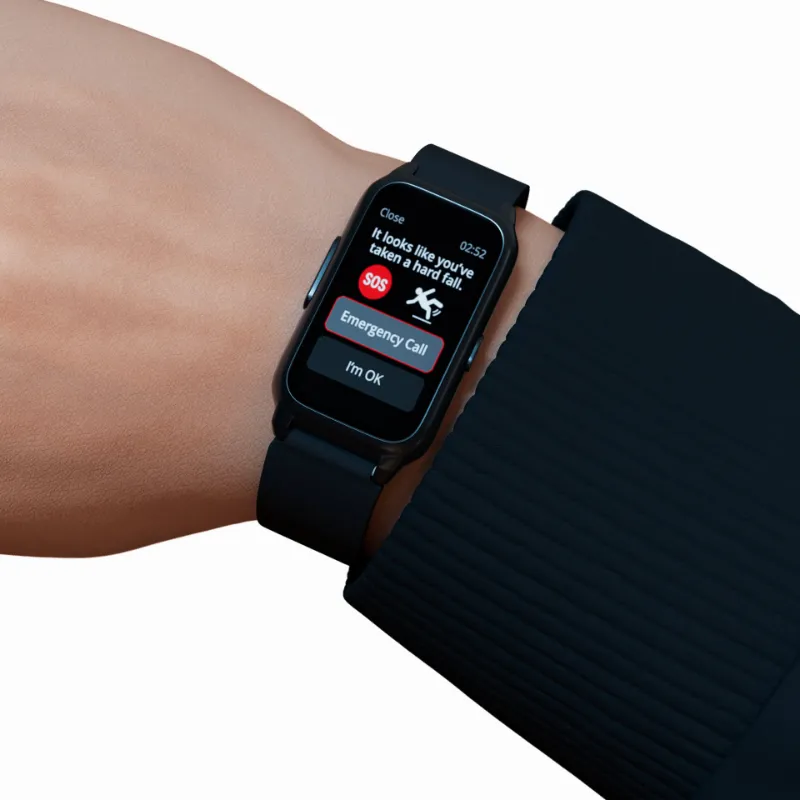
Traditional medical alert systems like medalert use a base station connected to your home phone line or cellular network. You wear a pendant or wristband with a button that, when pressed, connects you to a response call centre staffed 24/7. An operator assesses your situation and dispatches help if needed.
A fall detection watch combines this alert function with automatic fall detection technology. Built-in accelerometers and gyroscopes detect sudden impacts and changes in orientation that indicate a fall. If the watch senses a fall and you don’t respond to an on-screen prompt within 30-60 seconds, it automatically contacts emergency services or your designated contacts.
Key differences include:
- Activation: Traditional systems require you to press a button; watches detect falls automatically
- Portability: Watches work anywhere with cellular coverage; traditional systems typically work only within 300-600 feet of the base station
- Battery life: Traditional pendants last months on a single charge; smartwatches need charging every 1-3 days
- Monthly fees: Traditional systems always require monitoring subscriptions; some watches operate without ongoing fees
The medical alert smartwatch category bridges both worlds, offering button-activated alerts plus automatic fall detection in a single device.
Which Offers Faster Emergency Response
Response time depends on whether you can activate the alert yourself. Traditional systems shine when you’re conscious and able to press the help button. The moment you press it, you’re connected to trained operators who stay on the line, assess your condition, and coordinate with emergency services or family members. This human-in-the-loop approach typically results in help arriving within 5-15 minutes for true emergencies.
Fall detection watches excel when you’re unconscious, disoriented, or unable to reach a button. According to research, approximately 30% of falls render the person temporarily unable to call for help. Automatic detection fills this critical gap. However, the technology isn’t perfect. False positives occur when you sit down hard or knock your wrist against something. False negatives happen with slow falls or slides.
For the fastest response in any scenario, we recommend devices that combine both features. The sos watch for elderly australia offers manual SOS buttons alongside automatic fall detection, giving you redundancy when it matters most.
One important consideration: some fall detection watches contact emergency services directly, while others alert your personal contacts first. Check which model suits your living situation. If you live alone, direct 911 dialing may be preferable. If family is nearby, you might prefer they’re notified first to avoid unnecessary ambulance calls.
Smart Watch for Seniors With Fall Detection: Features That Matter
When evaluating the best fall detection watch for your needs, prioritize these features:
Detection accuracy: Look for devices with adjustable sensitivity settings. Some users need high sensitivity due to balance issues; others prefer fewer false alarms. Medical watches designed specifically for seniors typically offer better fall algorithms than general-purpose fitness trackers.
Battery life: Daily charging is manageable for tech-savvy seniors, but can be a dealbreaker for those with memory issues or arthritis. Some fall detection watches last 2-3 days, while others need nightly charging. Budget devices often sacrifice battery life for lower cost.
Water resistance: Falls frequently happen in bathrooms. IP67 or IP68 water resistance lets you wear the device in the shower, where many falls occur.
Display readability: Large, high-contrast screens with simple interfaces work best for seniors with vision challenges. Some watches offer voice feedback for menu navigation.
Connection method: Fall detection watches with no monthly fee typically contact your personal emergency contacts via cellular connection. Subscription models usually include professional monitoring similar to traditional systems. Check the latest pricing to compare ongoing costs.
GPS tracking: Essential if the wearer has dementia or wanders. GPS lets family members locate them and helps emergency services find them quickly if a fall occurs away from home.
The National Council on Aging maintains expert reviews of medical alert watches that evaluate these features across dozens of models.
Cost Comparison: Upfront vs Ongoing Expenses
Traditional medical alert systems typically cost $25-$50 per month for basic monitoring, plus $50-$100 for equipment if you buy rather than rent. Add $10-$15 monthly for fall detection as an upgrade feature. Over three years, expect to spend $1,000-$2,000 total.
Fall detection watches for seniors range from $150 for basic models to $400+ for feature-rich smartwatches. Models with professional monitoring add $20-$40 monthly. Watches without monthly fees rely on your smartphone’s cellular connection and contact your designated emergency contacts rather than a call center.
Budget breakdown for three-year ownership:
| System Type | Upfront Cost | Monthly Fee | 3-Year Total |
|---|---|---|---|
| Traditional with fall detection | $100 | $35-50 | $1,360-1,900 |
| Smartwatch + monitoring | $250-400 | $25-40 | $1,150-1,840 |
| Smartwatch, no subscription | $200-400 | $0 | $200-400 |
Don’t forget to factor in replacement costs. Traditional pendants last 5-7 years, while smartwatches typically need replacing every 3-4 years as batteries degrade and technology advances.
Grab our discount code for 10% off MedAlert systems, which can offset the first year’s cost significantly.
Who Should Choose Each Option
Choose a traditional medical alert system if you:
- Spend most time at home within range of the base station
- Have reliable access to a landline or strong cellular signal at home
- Prefer speaking with trained operators during emergencies
- Want maximum battery life with minimal charging hassle
- Have limited comfort with technology or small touchscreens
- Need the most proven, established emergency response infrastructure
Choose a fall detection watch for seniors if you:
- Maintain an active lifestyle with frequent outings
- Travel regularly or spend time away from home
- Already use and feel comfortable with smartphone technology
- Want fitness tracking, medication reminders, and other smart features
- Live alone and worry about being unable to press a button after a fall
- Prefer a less visible, more socially acceptable device than a medical pendant
Consider both if your budget allows. This redundant approach offers maximum safety, though it does mean managing two devices and potentially two subscriptions.
For seniors transitioning from independent living to needing monitoring, we often recommend starting with a fall detection watch. It’s less stigmatizing than a visible medical pendant and builds good habits around emergency preparedness. As needs increase, you can always add a traditional system for home use.
Fall Detection Accuracy: What to Check
Check whether a brand publishes detection accuracy figures, and read independent reviews before you buy.
Features to look for:
- Customizable impact thresholds and sensitivity
- 30-60 second confirmation period to cancel false alarms
- Multiple sensor inputs (accelerometer, gyroscope, barometer)
- Machine learning algorithms that improve over time
- User feedback loops to train the system
Senior Living maintains comprehensive testing data on fall detection accuracy across different brands and price points.
Wear the watch on the wrist as the manufacturer’s guidelines describe, and follow their fit instructions.
Making Your Decision
The right choice depends on your specific situation, not abstract “better” or “worse” comparisons. We recommend starting with these questions:
- Where do falls most concern you? At home only, or during activities outside?
- How comfortable are you with technology? Can you manage daily charging and touchscreen menus?
- What’s your budget for ongoing monitoring? Can you afford monthly subscriptions, or do you need a one-time purchase?
- Do you need professional monitoring, or are family contacts sufficient? This determines whether you need a subscription service.
For most active seniors who leave home regularly, a medical alert smartwatch offers the best balance of protection and lifestyle flexibility. For seniors who rarely leave home or struggle with technology, traditional systems remain the gold standard.
You can also phase your approach. Start with whichever system addresses your most immediate concern, then add the other if your needs evolve. Many families find that combining both technologies provides peace of mind worth the additional investment.
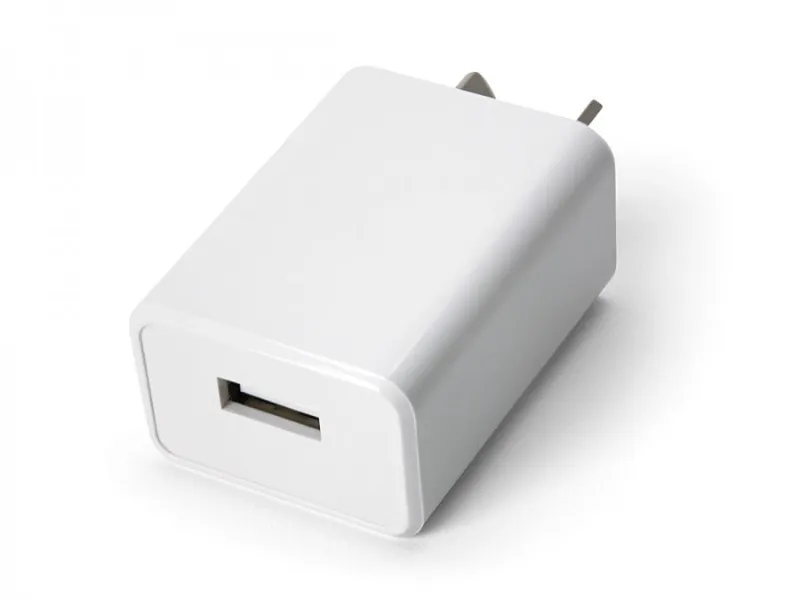
Power accessories like USB wall chargers with multiple ports make it easier to maintain charging routines for smartwatches alongside phones and tablets.
Whatever you choose, the most important step is choosing something. Falls are the leading cause of injury-related death for seniors over 65, and having any alert system dramatically improves outcomes compared to no protection at all.
Questions
Does a fall detection watch work without a smartphone?
Some fall detection watches operate independently with built-in cellular connectivity, while others require pairing with a smartphone to send alerts. Check the product specifications before purchasing if smartphone-free operation is important to you.
How accurate are fall detection watches for seniors?
Accuracy varies by device, and no watch detects every fall. Check whether the brand publishes accuracy figures. All devices occasionally generate false positives from sudden movements like sitting down hard or bumping the watch.
Can I use a fall detection watch with no monthly fee?
Yes, several fall detection watches contact your designated emergency contacts via cellular connection without requiring a monitoring subscription. However, these lack professional call center support and may not automatically contact 911 unless you configure that specifically.
What happens if the battery dies during a fall?
If your fall detection watch battery dies, it cannot send alerts. This is why traditional medical alert pendants with month-long battery life are often recommended for seniors who struggle with daily charging routines. Some watches send low-battery alerts to caregivers.
Will Medicare cover a medical alert smartwatch?
Medicare typically does not cover medical alert systems or fall detection watches, as they're considered preventive rather than treatment devices. However, some Medicare Advantage plans offer limited coverage or discounts. Check with your specific plan provider.
Can traditional medical alert systems detect falls automatically?
Yes, most traditional medical alert companies now offer automatic fall detection as an add-on feature for an extra monthly fee, typically $10-15 above the base monitoring cost. This combines the reliability of professional monitoring with automatic detection.
Products in this guide
 Shopping at MedAlert? See the discount code
10% OFF All Orders
Shopping at MedAlert? See the discount code
10% OFF All Orders
More in this series
Can You Use Any USB Wall Charger with Your Medical Alert Watch?16 Sep 20264 minWhat to Look for When Choosing an SOS Watch for Elderly Parents16 Sep 20265 minHow Long Does a Fall Detection Watch Battery Last Between Charges?16 Sep 20265 minDo Medical Alert Response Call Centres Work 24/7 in Australia?16 Sep 20264 minHow to Set Up Your Medical Alert Smartwatch for the First Time16 Sep 20265 min