 A Rich and Pour guide
Matcha Whisk Alternatives: Can a Regular Ceremony Matcha Set Replace Traditional Tools?
A japanese matcha set doesn't always need traditional bamboo tools—we tested what actually works as alternatives and which setups deliver ceremony-grade results.
A japanese matcha set doesn’t require a handmade ceramic whisk to produce smooth, frothy matcha.
The rise of casual matcha drinking has sparked debate about whether you need an authentic matcha whisk set or if everyday tools work just as well. The answer depends on what you’re after: speed, texture, or ritual.
Modern Alternatives to Traditional Matcha Whisks
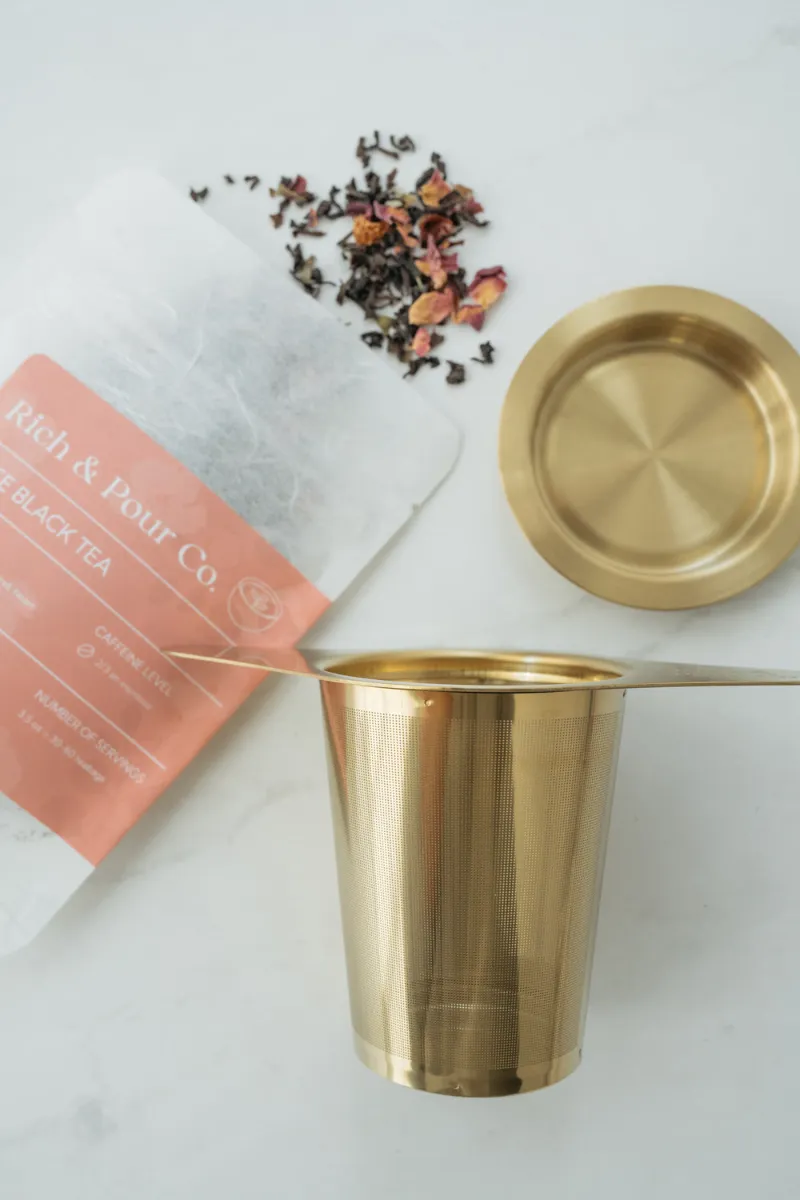
A stainless steel tea infuser is not a matcha whisk, but it can work in a pinch for blending powder into hot water. The flat mesh design creates some agitation, though you won’t get the signature frothy layer you’d see with a traditional tool.
A mesh infuser works the same way: move it in quick circles to blend the powder.
Electric milk frothers designed for coffee can also be used for matcha. The trade-off is loss of control over temperature and a less meditative preparation.
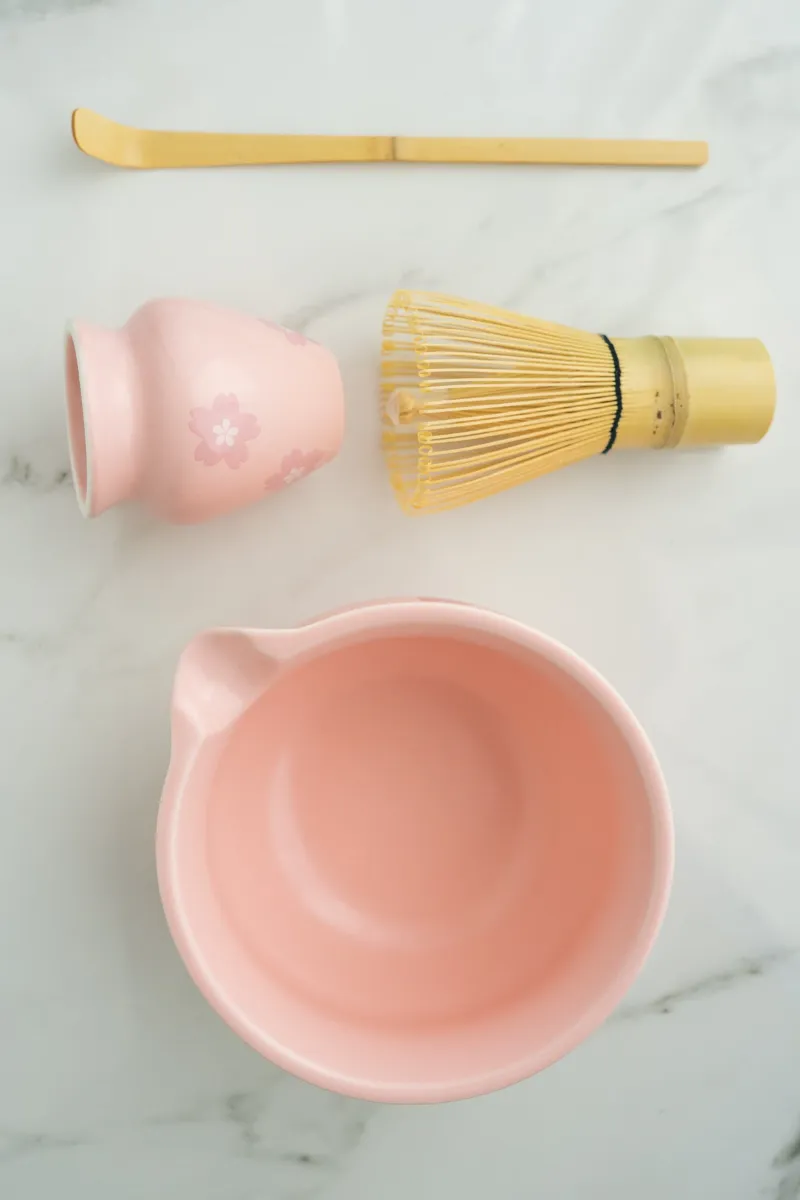
The real difference between these alternatives and a ceremonial matcha set is consistency and speed. Traditional bamboo whisks are engineered to suspend powder evenly and create air pockets in one fluid motion. Modern tools do the job, just not always with the same grace.
Does a Japanese Matcha Set Price Matter for Alternatives?
When you’re choosing between a handmade ceramic matcha set and modern tools, budget shapes the decision. Authentic Matcha Set Kits from Japan range widely in price and craftsmanship.
If you’re serious about ceremony matcha, investing in a proper set pays off in texture and ritual. If you’re drinking matcha casually, a stainless steel infuser or mesh infuser will get matcha powder into your cup without requiring new gear.
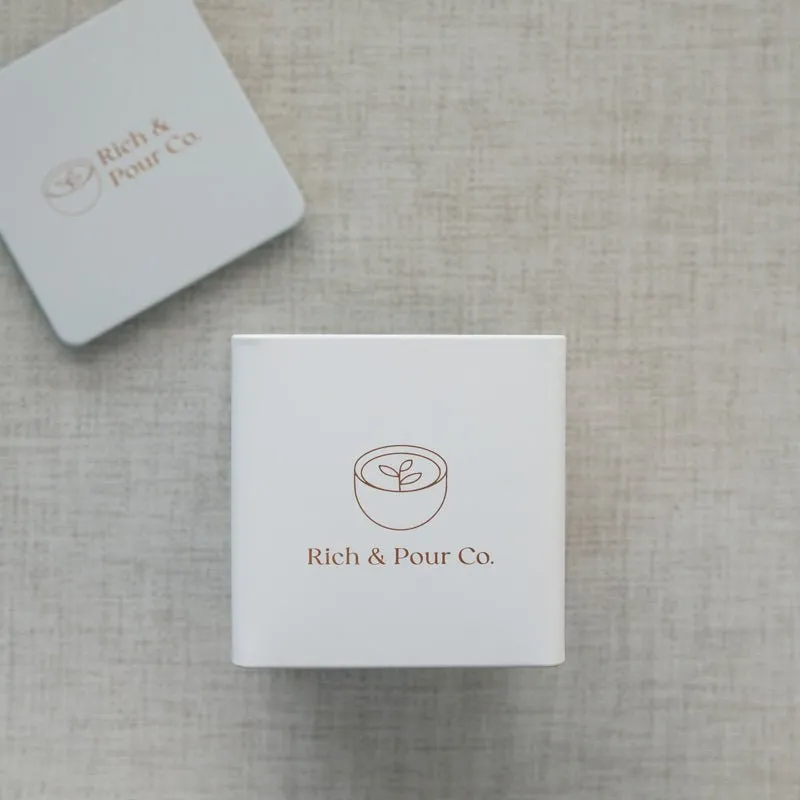
Storage also matters. A sealed tea tin keeps matcha fresh and potent, which directly affects how well any whisk tool works. Stale powder never froths as well, regardless of your equipment. Store your ceremonial matcha set components properly, and your results improve across the board.
Building a Functional Japanese Matcha Set on Any Budget
You don’t need traditional ceramic to have a functional japanese matcha set. Here’s what actually matters:
- A vessel or bowl that holds heat (any cup or small bowl works, though ceramic is traditional)
- A tool that agitates the powder (whisk, electric frother, or fine mesh infuser)
- A way to store matcha that keeps it cool and dry
- Hot water at the right temperature (not boiling)
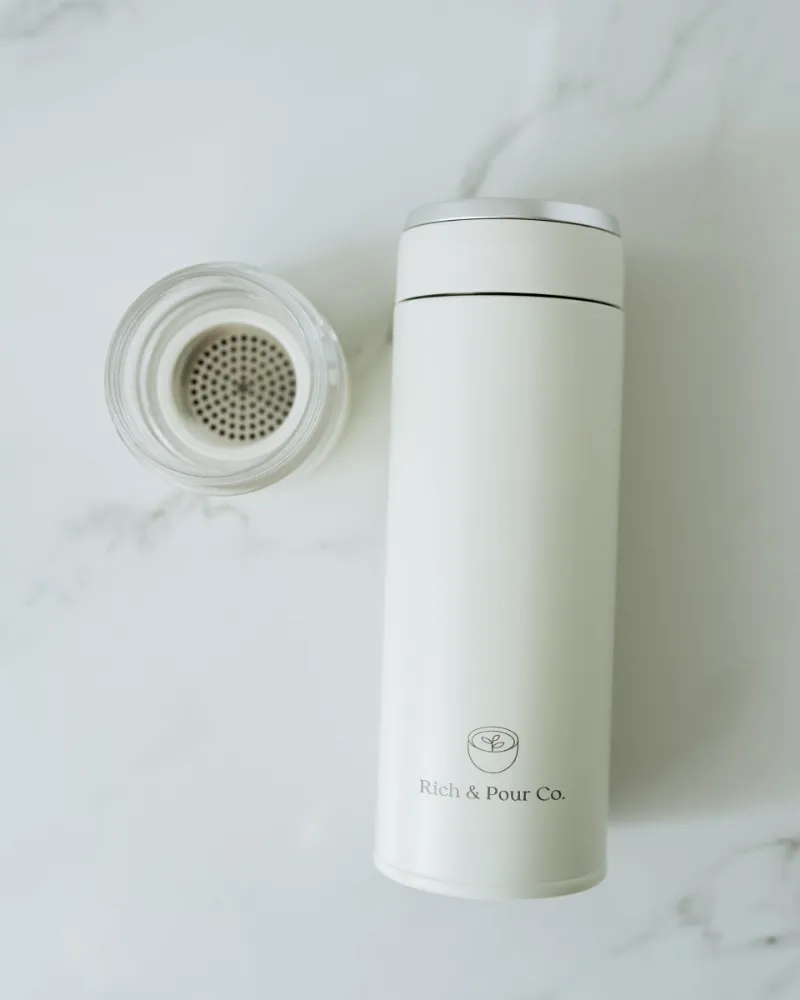
If you’re building a setup from scratch, pair a mesh infuser with a tea tin to store your matcha, and you’ve got the essentials. Add a tea tumbler if you want to drink matcha on the go.
The ceremonial matcha set exists partly for ritual, not just function. If that ritual matters to you, the investment is worth it. If you just want good matcha in your cup, modern alternatives work fine.
Texture and Taste: Where Alternatives Fall Short
Whichever tool you use, keep your water below boiling, since water that is too hot can make matcha taste bitter.
When to Invest in a Ceremonial Matcha Set
You should consider a handmade ceramic matcha set if:
- You drink matcha multiple times a week and value the ritual
- You want consistent, beautiful texture every time
- You’re willing to learn a specific technique and maintain the tools
- You appreciate traditional Japanese craftsmanship
You can skip it if:
- You drink matcha occasionally or casually
- Speed and convenience matter more than ceremony
- You prefer electric frothers or don’t mind loose foam
- You’re testing matcha before committing to the habit
Either way, grab the code at Rich and Pour for 10% off stainless steel infusers, tea tins, tumblers, and other matcha accessories. The savings apply whether you’re building a casual setup or starting your journey toward traditional ceremony.
Making Modern Tools Work for Matcha
If you choose to use a stainless steel infuser or electric frother instead of a traditional whisk, a few tweaks improve results significantly.
Use the finest powder you can find. Ceremonial-grade matcha whisks easier and froths better than culinary grades, so start there.
Heat your bowl or cup before adding matcha and water. This stabilizes temperature and helps the whisk or infuser work more effectively.
Add just enough hot water to form a paste first, then whisk, then add the rest. This prevents lumps and gives your tool room to work.
Move deliberately. Whether you’re using a mesh infuser or bamboo whisk, slow, consistent circles produce better foam than frantic stirring.
A tea tumbler is worth grabbing if you want to prepare matcha at home and drink it during your commute. The insulated walls keep it warm, and the design prevents spills better than a traditional bowl would.
The bottom line: a japanese matcha set ceremony is beautiful and produces excellent results, but modern tools work if you adjust your expectations and technique. Choose based on your habits, not tradition alone.
Questions
Can a stainless steel infuser replace a matcha whisk in a japanese matcha set?
A stainless steel infuser can blend matcha powder into water, but it won't produce the fine, even foam a traditional whisk creates. It works for casual drinking if you're patient and use quick circular motions, though you'll sacrifice some of the ceremonial texture.
What's the best alternative to a traditional bamboo whisk?
Common alternatives are an electric milk frother or a mesh infuser. Which one is 'best' depends on whether you prioritize convenience or ceremony-grade quality.
Do I need a handmade ceramic matcha set to get good matcha?
No. A proper japanese matcha set enhances the ritual and consistency, but high-quality matcha powder, the right water temperature, and a functional whisking tool (even a mesh infuser) will produce a good cup. The difference is refinement, not necessity.
How do I store matcha if I'm using modern tools instead of a ceremonial set?
Use a sealed tea tin kept away from heat and light. Matcha degrades quickly when exposed to air and warmth, so proper storage matters more than your whisking tool. Stale matcha won't froth or taste well no matter what you whisk with.
Is electric frothing better than whisking matcha by hand?
Electric frothing is faster and requires no technique. Hand whisking is slower but gives you more control over the process.
Where can I find and buy a japanese matcha set?
Check the Rich and Pour matcha accessories section, or [grab the code](/rich-and-pour-discount-code/) for 10% off infusers, tins, and tumblers to build your own functional setup.
Products in this guide
 Shopping at Rich and Pour? See the discount code
10% OFF Sitewide
Shopping at Rich and Pour? See the discount code
10% OFF Sitewide
More in this series
Tea Tumbler with Infuser: Brewing on the Go Without the Mess8 Sep 20266 minJapanese Matcha Set vs Pink Matcha Set: Which Starter Kit Is Right for You?8 Sep 20263 minTea Tins vs Open Packaging: How to Keep Your Tea Leaves Fresh8 Sep 20264 min How to Use a Jade Roller and Gua Sha Stone for Maximum Skin Benefits8 Sep 20264 minBest Stainless Steel Tea Infusers: Loose Leaf vs Mesh vs Diffuser Styles8 Sep 20265 min