 A Rich and Pour guide
Best Stainless Steel Tea Infusers: Loose Leaf vs Mesh vs Diffuser Styles
A quality stainless steel tea diffuser is the fastest way to brew loose leaf tea without sediment, and the right style depends on your cup size and brewing preference.
A quality stainless steel tea diffuser is the fastest way to brew loose leaf tea without sediment, and choosing between loose leaf infusers, mesh styles, and diffuser designs comes down to what fits your routine.
What makes a stainless steel tea diffuser the best choice
Stainless steel beats plastic and silicone for durability and heat retention. It doesn’t absorb odors, doesn’t leach chemicals, and cleans easily. A good stainless steel infuser sits directly in your cup or pot, suspending loose leaves so they steep evenly without falling into your drink. The mesh or perforations are tight enough to catch sediment but wide enough to let water circulate freely around the leaves.
Look for food-grade stainless steel (typically 304 or 18/8 grade) that won’t rust or discolor after repeated hot water exposure. Many budget infusers use thin steel that warps or develops spots. The hinge and clasp matter too, since a weak closure can pop open mid-brew.
Loose leaf infuser vs mesh infuser: which infuses better
Both styles use stainless steel and work in cups, but they handle loose leaves differently.
| Style | Best for | Drain method | Cleanup |
|---|---|---|---|
| Loose leaf infuser (ball or basket) | 1-2 cups, delicate leaves | Hinged or screwed base | Rinse immediately |
| Mesh infuser (flat or tube) | Larger pots, multiple steeps | Lift out or hang on rim | Quick rinse, dishwasher safe |
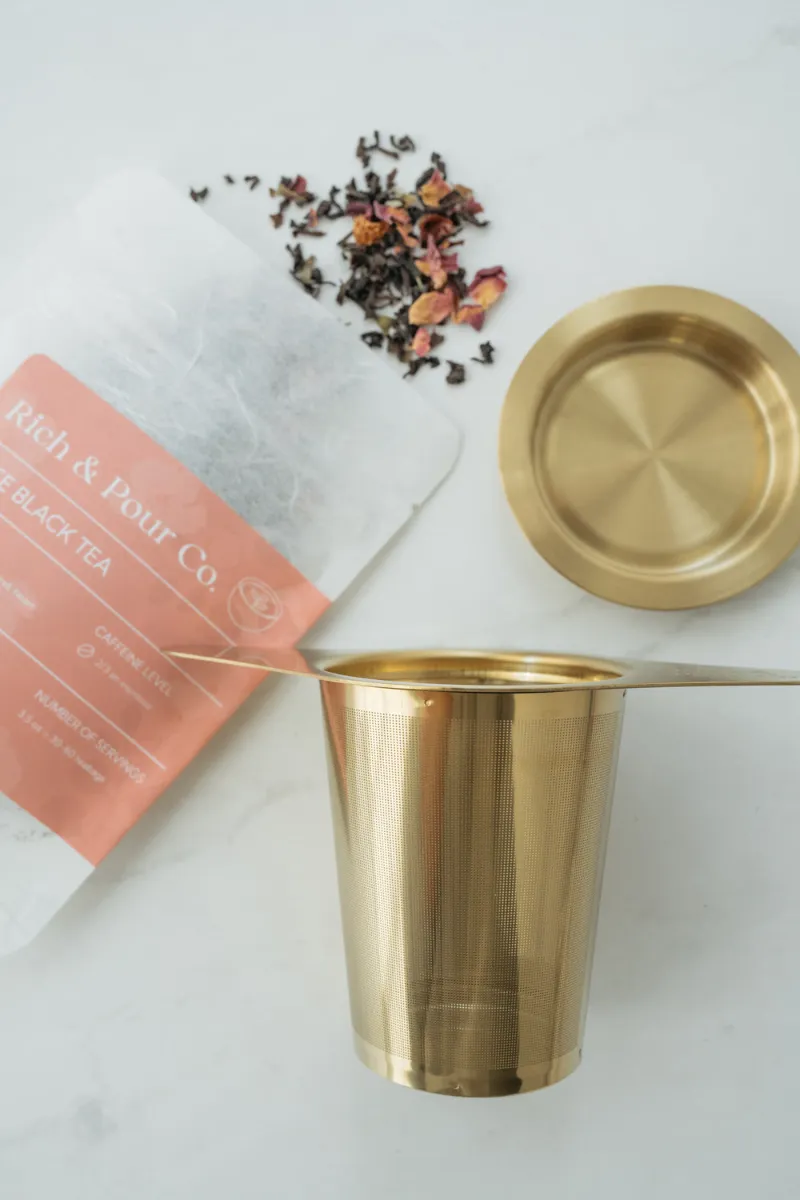
The stainless steel tea infuser ball style is ideal if you’re brewing one cup at a time. It opens wide, lets you pack leaves loosely, and closes into a sphere that suspends in hot water. The hinge allows you to open it and remove spent leaves without fishing around the cup.
A mesh infuser works better for pots or if you steep often. The flat or cylindrical mesh catches more sediment than larger perforations and handles a higher volume of tea. It sits on the rim of your cup or floats in a teapot, so you can lift it out cleanly when the brew is done.
Both drain tea reliably. The difference is how you prefer to handle it: compact and contained, or sitting visibly in the water.
Stainless steel tea infuser durability and care
Stainless steel doesn’t need much maintenance. Rinse your stainless steel infuser under hot water right after brewing, while any leaf residue is soft. For stubborn buildup, soak it in warm water with a pinch of baking soda for 10 minutes, then scrub with an old toothbrush.
Most stainless steel infusers are dishwasher safe, but hand washing extends the life of hinges and latches. Air dry completely before storing to prevent water spots. If you store it in a tea tin or drawer, make sure it’s fully dry first.
After months of use, hinges may loosen slightly. A tiny drop of food-safe mineral oil on the hinge keeps it smooth. Replace your infuser if the mesh tears or if it no longer closes tightly, since loose leaves will end up in your cup.
When to use a stainless steel tea diffuser vs other styles
A stainless steel tea diffuser is your go-to for everyday loose leaf brewing. It’s faster than waiting for leaves to settle, more convenient than pour-over strainers, and more durable than paper filters.
Choose it if you:
- Brew loose leaf tea 2 or more times per week
- Want to reuse the infuser hundreds of times (eco-friendly alternative to disposable filters)
- Prefer leaves to steep fully surrounded by water rather than compressed in a basket
- Value an infuser that won’t stain or absorb tea flavor
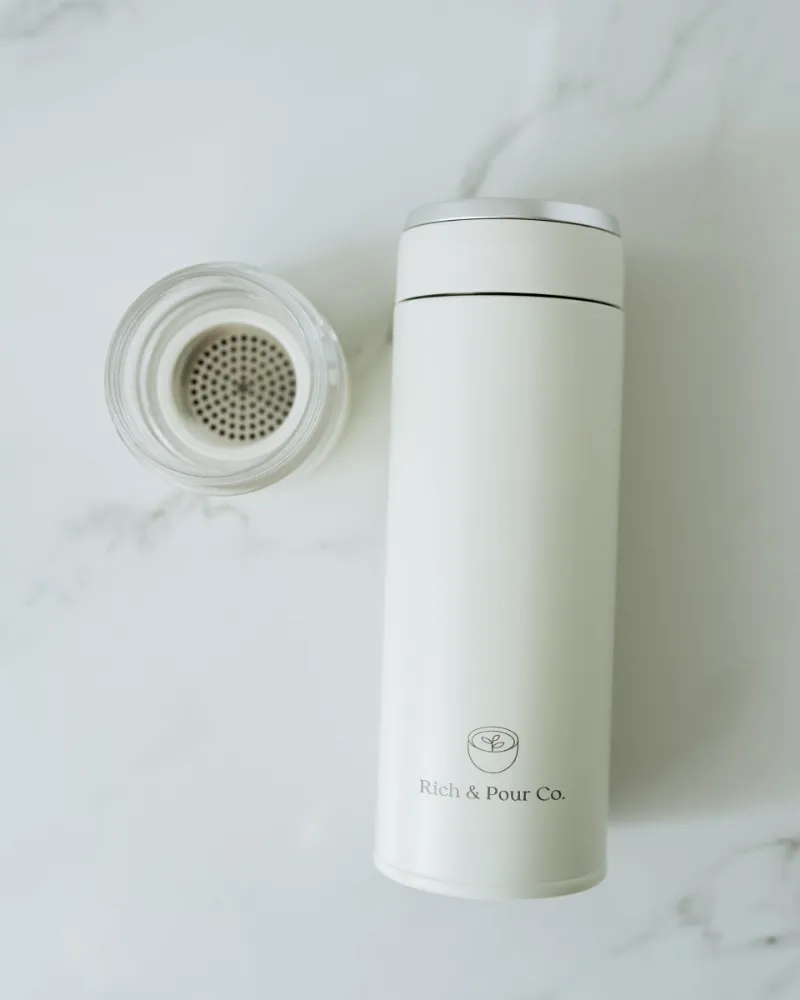
For one-off brewing or travel, a tea tumbler with a built-in infuser combines a stainless steel diffuser and cup in one. If you steep multiple cups throughout the day, store your tea tin nearby for quick access to your favorite leaves, and keep your infuser rinsed and dry between uses.
Sizing your stainless steel tea diffuser to your cup
Infuser size matters. A ball infuser that’s too large won’t fit into standard mugs. A mesh infuser that’s too small won’t hold enough leaves for a full cup.
Most ball-style stainless steel tea diffusers are 1.5 to 2 inches in diameter, fitting comfortably in any mug. Mesh infusers come in two main sizes: small (sits in a cup) and large (for teapots). Measure your favorite mug’s opening and the depth you’re comfortable with. If the infuser bumps the rim or bottom, you’ll struggle to move it while it’s hot.
Test fit before buying if possible. At Rich and Pour, you can grab the code for 10% off, which brings many of their stainless steel infusers to a budget-friendly price point.
Building a loose leaf tea setup
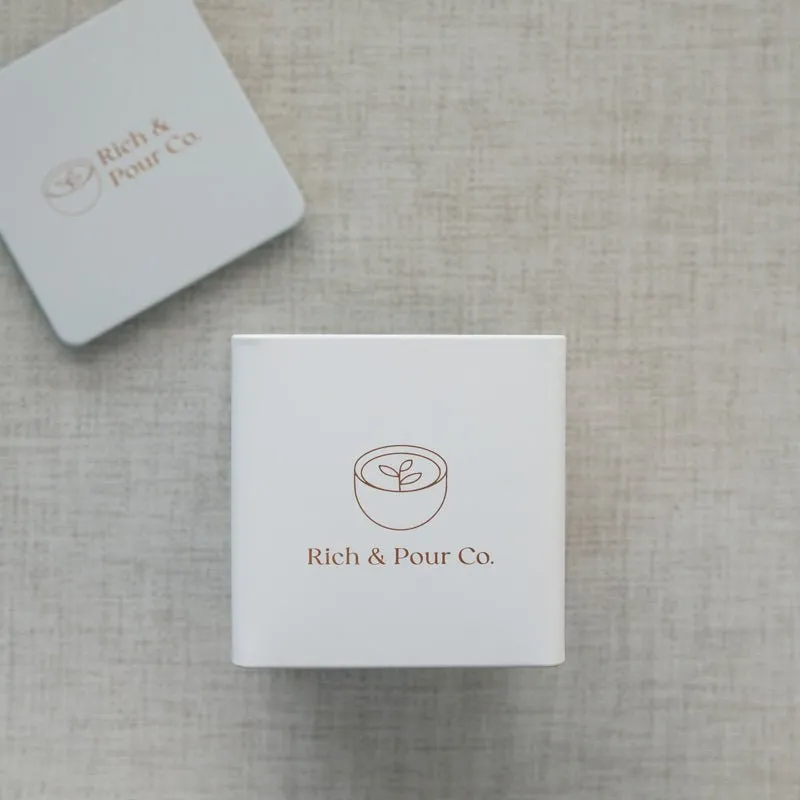
A stainless steel tea diffuser works best alongside a few complementary pieces. Store your leaves in a tea tin that keeps air and light out, preserving flavor and freshness. If you’re brewing multiple cups, a tea tumbler with an integrated infuser eliminates extra cleanup.
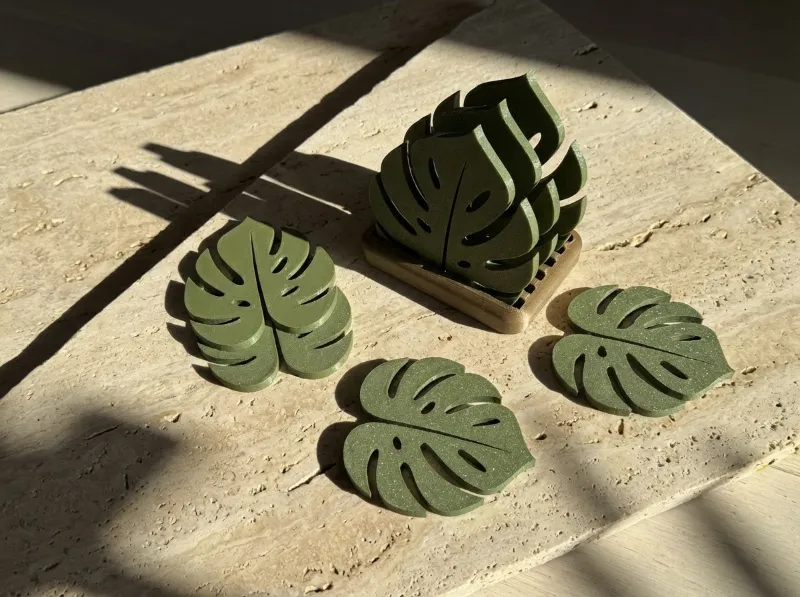
Some tea lovers pair their infuser setup with tea accessories like a ceremony match for matcha brewing if they also enjoy powdered teas, or set their cup on plant coasters to protect their desk or table from heat rings.
The key is consistency. Pick an infuser that fits your actual routine, keep it clean, and it’ll brew better tea than any shortcut method.
Why stainless steel beats other infuser materials
According to tested reviews of the best tea infusers, stainless steel ranks highest for durability and performance. It heats evenly, doesn’t retain flavors between uses, and lasts years. Silicone infusers are cheaper but absorb tea stains and odors. Plastic warps at high temperatures. Bamboo or ceramic look nice but chip easily and can’t steep as long without degrading.
Food-grade stainless steel (18/8 or 304 grade) is the standard for tea infusers because it resists corrosion and doesn’t react with acidic or tannic tea compounds. This is why professional tea shops and specialty retailers stock stainless steel almost exclusively.
Finding the best stainless steel tea diffuser for your budget
Quality stainless steel tea infusers range from $10 to $40 depending on design and features. A basic ball infuser costs less but may have a weaker hinge. A premium mesh infuser with a sturdy rim and fine mesh runs higher but handles heavier use and larger batches.
For most home brewers, mid-range options around $15 to $25 offer the best value. They use solid stainless steel, have reliable hinges, and come with a warranty. Check the latest price at Rich and Pour, where the current offer brings many styles down further with sitewide savings.
Questions
Can I use a stainless steel tea diffuser in a teapot?
Yes. Ball infusers work in any teapot with an opening large enough to fit them, and mesh infusers hang on the rim or float freely. Just make sure the infuser size matches your pot's interior.
How long does a stainless steel tea infuser last?
With regular rinsing and air drying, a quality stainless steel infuser lasts 3 to 5 years or longer. The hinge may loosen over time, but the steel itself won't rust or degrade.
Is a stainless steel tea diffuser dishwasher safe?
Most are, but hand washing extends the life of hinges and latches. Check the product details before your first wash, since some budget models have non-dishwasher-safe components.
What's the difference between a mesh infuser and a loose leaf infuser?
A mesh infuser has a flat or cylindrical design and sits on the cup rim or floats; a loose leaf infuser is usually ball-shaped and opens completely. Mesh is better for larger volumes, while loose leaf balls are more compact for single cups.
Do stainless steel infusers work for all tea types?
Yes. Stainless steel infusers work equally well for black, green, white, oolong, and herbal teas. The mesh or perforations are sized to contain even fine leaves without blocking water flow.
Will my stainless steel tea infuser stain or rust?
Food-grade stainless steel (18/8 grade) won't rust under normal conditions. Tea staining can occur on the surface, but it cleans off with a rinse and baking soda paste.
Products in this guide
 Shopping at Rich and Pour? See the discount code
10% OFF Sitewide
Shopping at Rich and Pour? See the discount code
10% OFF Sitewide
More in this series
Tea Tumbler with Infuser: Brewing on the Go Without the Mess8 Sep 20266 minJapanese Matcha Set vs Pink Matcha Set: Which Starter Kit Is Right for You?8 Sep 20263 minTea Tins vs Open Packaging: How to Keep Your Tea Leaves Fresh8 Sep 20264 minMatcha Whisk Alternatives: Can a Regular Ceremony Matcha Set Replace Traditional Tools?8 Sep 20264 min How to Use a Jade Roller and Gua Sha Stone for Maximum Skin Benefits8 Sep 20264 min