 A Rich and Pour guide
Japanese Matcha Set vs Pink Matcha Set: Which Starter Kit Is Right for You?
A japanese matcha set comes in traditional green or trendy pink, each designed for different brewing preferences and aesthetics.
A japanese matcha set comes in traditional green or trendy pink, each designed for different brewing preferences and aesthetics. Both styles can elevate your tea ritual, but they differ in functionality, materials, and who they suit best.
Traditional Japanese Matcha Set vs Pink: What’s the Real Difference
The core difference between a traditional japanese matcha set and a pink version lies in color and cultural roots, not performance. Traditional sets honor centuries of Japanese tea ceremony practice, using earthy greens and natural ceramics. Pink matcha sets embrace modern wellness trends, swapping convention for Instagram appeal while keeping the same core tools.
Both include a whisk, bowl, and scoop. Both can brew ceremonial-grade matcha. But traditional sets emphasize authenticity and craftsmanship, while pink sets prioritize aesthetics for casual tea drinkers who want something photogenic on their shelf. Your choice depends on whether you value ceremony or style.
Choosing the Right Japanese Matcha Set for Your Brewing Style
Before picking a color, ask yourself what you’ll actually do with it. A traditional japanese matcha set makes sense if you’re studying the ceremony itself or brewing daily with intention. You’ll appreciate the craftsmanship of a handmade ceramic matcha set and the ritual of each step.
Pink matcha sets suit casual enthusiasts who brew occasionally and want Instagram-worthy aesthetics. They’re forgiving, harder to stain, and feel fresh in modern kitchens. Neither is better, they serve different people.
Consider your space too. Pink pairs with minimalist, colorful, or eclectic decor. Traditional green blends into zen-inspired or Japanese-influenced rooms. Both work in contemporary kitchens if that’s your style.
Key Components Every Matcha Set Needs
Any quality japanese matcha set should include these essentials:
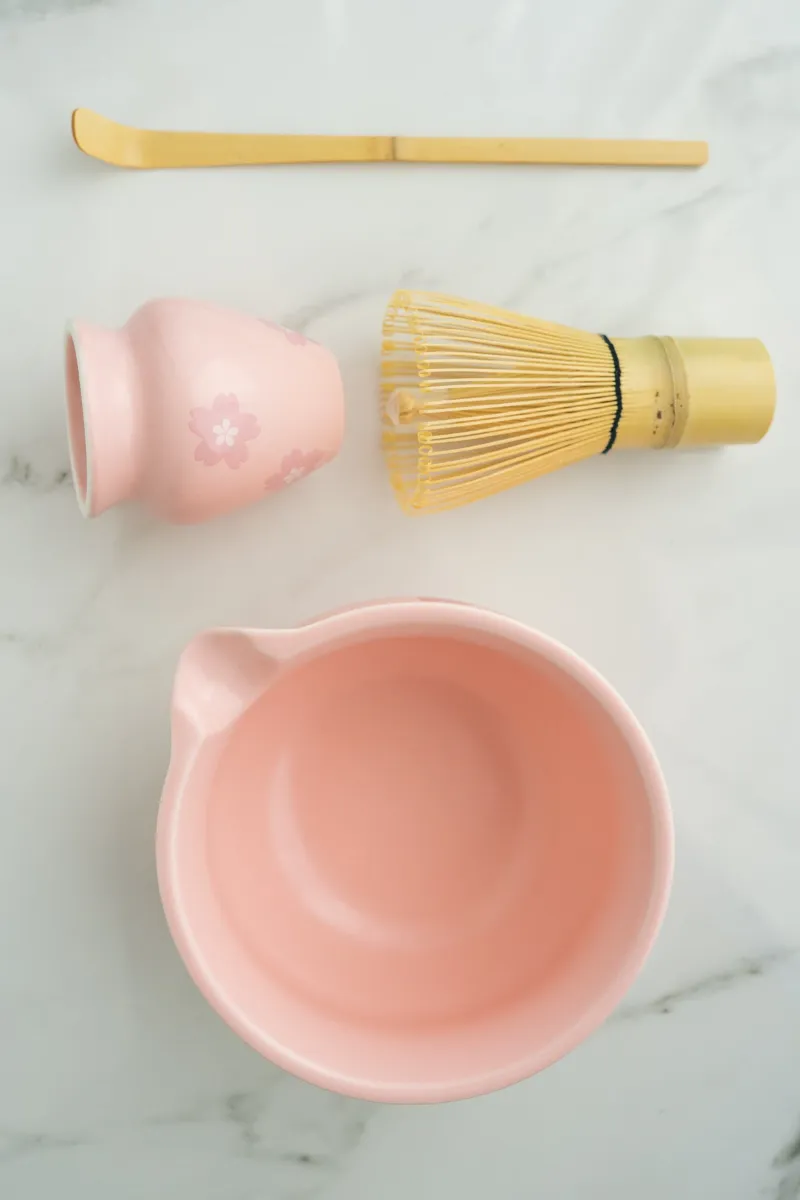
- Matcha whisk (chasen) – Traditionally bamboo, this creates the frothy texture. Both traditional and pink sets include one; quality varies.
- Tea bowl (chawan) – Holds your brewed matcha. Traditional versions are hand-thrown ceramic; pink sets often use glazed or dyed ceramics.
- Bamboo scoop (chashaku) – Measures about one teaspoon of powder. Nearly identical across both styles.
- Sifter – Breaks up lumps in matcha powder before whisking. Not always included but worth having.
Look for sets that bundle a tea tin or storage option. Matcha oxidizes quickly in light, so proper storage extends freshness. A stainless steel tea infuser can also work in a pinch if you prefer a less traditional approach.
Material Quality and Durability Breakdown
| Feature | Traditional Ceramic | Pink/Modern Ceramic |
|---|---|---|
| Heat retention | Excellent | Good |
| Durability | High if handmade | High, more chip-resistant |
| Aesthetics | Natural, earthy | Vibrant, trendy |
| Care | Hand wash recommended | Often dishwasher safe |
| Cost | $40 to $150+ | $25 to $80 |
Handmade ceramic matcha sets last decades if handled gently. Mass-produced pink versions prioritize durability over tradition, using stronger glazes that resist chipping. Both work fine; the difference is feel and longevity.
Material also affects heat. A thick ceramic bowl keeps water hot longer, crucial for proper whisking. Thinner modern versions cool faster, which some prefer for avoiding scalding. Neither is wrong, it’s personal preference.
Preparing Your Japanese Matcha Set Before First Use
New ceramic needs seasoning. Before your first brew, soak both traditional and pink matcha sets in warm water for 10 minutes to open the pores and remove dust. Gently scrub with a soft cloth, then air dry completely.
For the whisk, rinse with hot water and stand it upright to dry. Never soak bamboo long-term; it absorbs water and cracks. Store your whisk in a tea tin or dedicated holder to keep it clean and shaped.
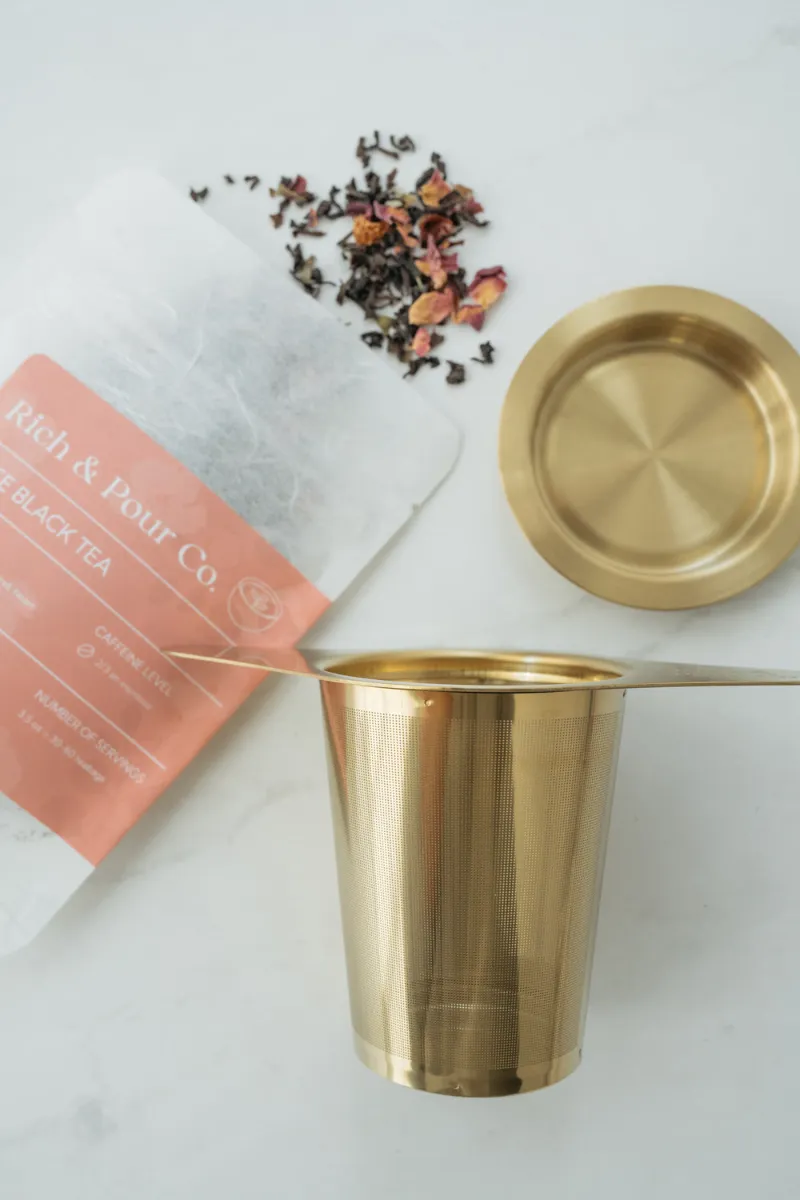
If your set didn’t come with storage, grab a stainless steel infuser or mesh infuser to keep loose matcha fresh. A tea tumbler also works for portable brewing if you’re on the go.
Who Should Choose Traditional vs Pink
Choose traditional if you:
- Want to learn authentic Japanese tea ceremony
- Appreciate handcrafted details and natural materials
- Brew matcha regularly and value ceremony
- Have a Japanese-inspired or minimalist home aesthetic
- Plan to use this for years and want heirloom quality
Choose pink if you:
- Are new to matcha and testing the waters
- Want something visually striking for social media or as decor
- Prefer low-maintenance, dishwasher-safe tools
- Have a modern, eclectic, or colorful home style
- Value trendiness and contemporary design over tradition
Neither choice is wrong. The real question is which matches your lifestyle and values.
Finding Quality and Getting a Deal
Check Rich and Pour’s matcha collection for current pricing and starter bundles. They stock both traditional and modern options, and you can grab a 10% discount sitewide to make either choice more affordable.
For deeper reading on authentic options, browse Authentic Matcha Set Kits to understand what makes a traditional japanese matcha set genuine.
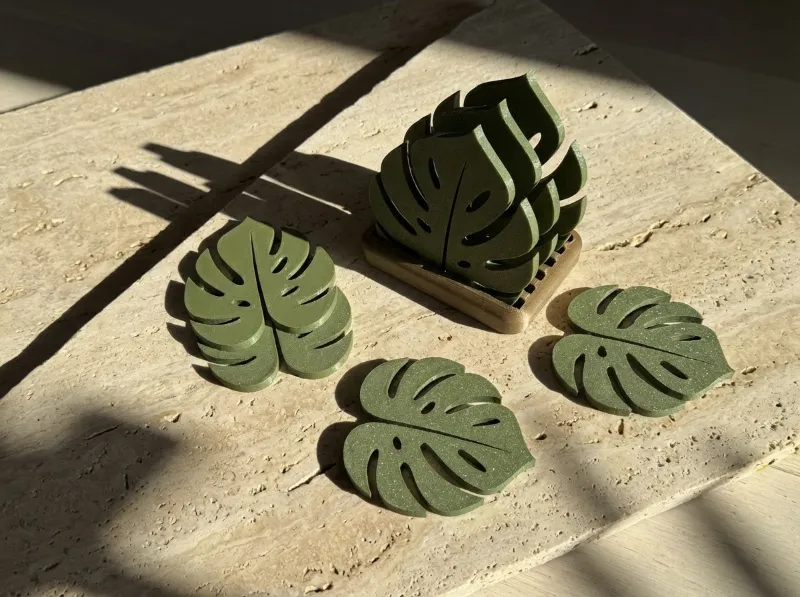
Invest in accessories like a ceremony match or complementary items like plant coasters to round out your setup. The full experience matters as much as the set itself.
Questions
What's included in a typical japanese matcha set?
Most sets include a whisk, bowl, scoop, and sometimes a sifter. Some bundles add a tea tin or storage container. Check what's in the box before buying; starter kits vary in completeness.
Can I use a pink matcha set for traditional Japanese tea ceremony?
Yes, but purists prefer traditional colors. Pink sets work functionally, but if you're studying ceremony formally, an authentic handmade ceramic matcha set follows cultural tradition more closely.
How do I care for a handmade ceramic matcha set?
Hand wash gently with warm water and a soft cloth. Avoid the dishwasher, extreme temperature changes, and soaking. Store the whisk upright to dry, and keep the bowl in a dry place between uses.
Is a japanese matcha set worth the cost, or can I use regular tools?
A proper set improves whisking and appearance, but you can brew matcha in any bowl with a fork in a pinch. A real set enhances ritual and results, so it's worth it if you'll use matcha regularly.
What size matcha set should I buy?
Standard bowls hold 6-8 ounces of water, which is typical for one serving. One set works for solo brewing; if you entertain, consider a larger bowl or buying two sets.
Products in this guide
 Shopping at Rich and Pour? See the discount code
10% OFF Sitewide
Shopping at Rich and Pour? See the discount code
10% OFF Sitewide
More in this series
Tea Tumbler with Infuser: Brewing on the Go Without the Mess8 Sep 20266 minTea Tins vs Open Packaging: How to Keep Your Tea Leaves Fresh8 Sep 20264 minMatcha Whisk Alternatives: Can a Regular Ceremony Matcha Set Replace Traditional Tools?8 Sep 20264 min How to Use a Jade Roller and Gua Sha Stone for Maximum Skin Benefits8 Sep 20264 minBest Stainless Steel Tea Infusers: Loose Leaf vs Mesh vs Diffuser Styles8 Sep 20265 min