 A Lumintop guide
What Makes LEP Flashlights Different? A Look at Lumintop’s Laser Technology
An LEP flashlight uses laser excited phosphor technology to project a tight, ultra-long-distance beam that outperforms traditional LED lights in throw distance.
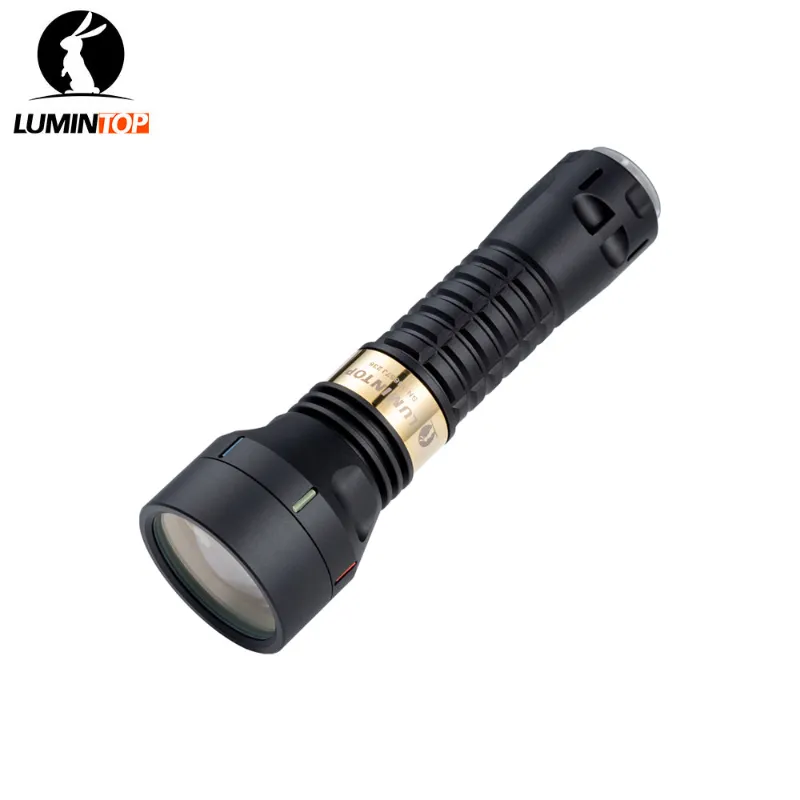
An lep flashlight uses laser excited phosphor technology to create an incredibly focused beam that can reach distances over a kilometer, far beyond what traditional LED flashlights achieve. Instead of a wide flood of light, LEP models like the thor 2.0 produce a narrow spotlight that cuts through darkness with laser-like precision.
The technology relies on a blue laser diode that excites a phosphor material, converting the laser energy into white light with extraordinary collimation. This guide breaks down how LEP technology works, what makes it different from LED, and which Lumintop models fit specific use cases.
How LEP Flashlight Technology Works
LEP stands for laser excited phosphor. The core mechanism uses a blue laser diode to excite a small phosphor chip, which then emits broad-spectrum white light. Because the laser itself is perfectly collimated and the phosphor target is tiny, the resulting beam stays tightly focused even at extreme distances.
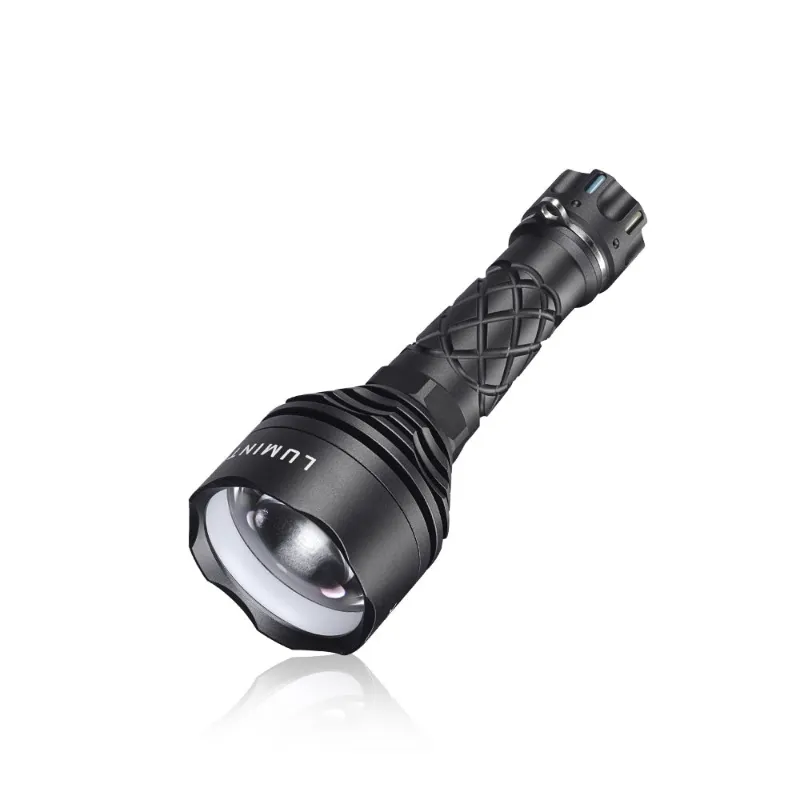
Traditional LED flashlights scatter light from a relatively large emitter surface. Even with deep reflectors, they produce both a central hotspot and significant spill. LEP eliminates nearly all spill, concentrating virtually every lumen into a pencil-thin beam. The lumintop thor 3 demonstrates this perfectly, you see a defined circle of light hundreds of meters away with almost no wasted illumination around it.
The trade-off is lower total output. Most LEP models produce 1,000 to 3,000 lumens, modest compared to high-performance LED throwers. But candela (the measure of beam intensity) tells the real story. LEP flashlights routinely exceed 1 million candela, delivering extreme throw that makes them ideal for search and rescue, marine navigation, and long-range identification.
Best LEP Flashlight Models from Lumintop
Lumintop offers several LEP options, each designed for different scenarios. We’ve compared the key models below to help you match technology to task.
| Model | Beam Distance | Best For |
|---|---|---|
| thor 2.0 | 1,350 meters | General LEP use, outdoor search |
| lumintop thor 3 | 1,500+ meters | Professional rescue, extreme distance |
The Thor 2.0 remains our top recommendation for most users exploring LEP technology. It balances throw, runtime, and portability without requiring exotic batteries. The interface is straightforward, and the build quality matches what we expect from Lumintop’s premium line. Grab the code to save 10% on your order.
For those who need absolute maximum range, the Thor 3 pushes beam distance even further. It’s heavier and pricier, but the gain in candela is measurable when you’re scanning across open water or searching vast wilderness areas. Both models accept rechargeable lithium cells, though the Thor 3 demands high-drain options to sustain peak output.
If you’re curious how these stack up against other brands, 1lumen.com maintains a comprehensive LEP flashlight list with throw measurements and runtime charts.
LEP vs LED: When to Choose Laser Technology
LEP flashlights excel in narrow, long-distance applications where you need to identify objects far away or signal across vast open spaces. LED throwers, even high-candela models, cannot match LEP beam coherence. The laser-derived beam maintains its intensity over distance with minimal bloom or scatter.
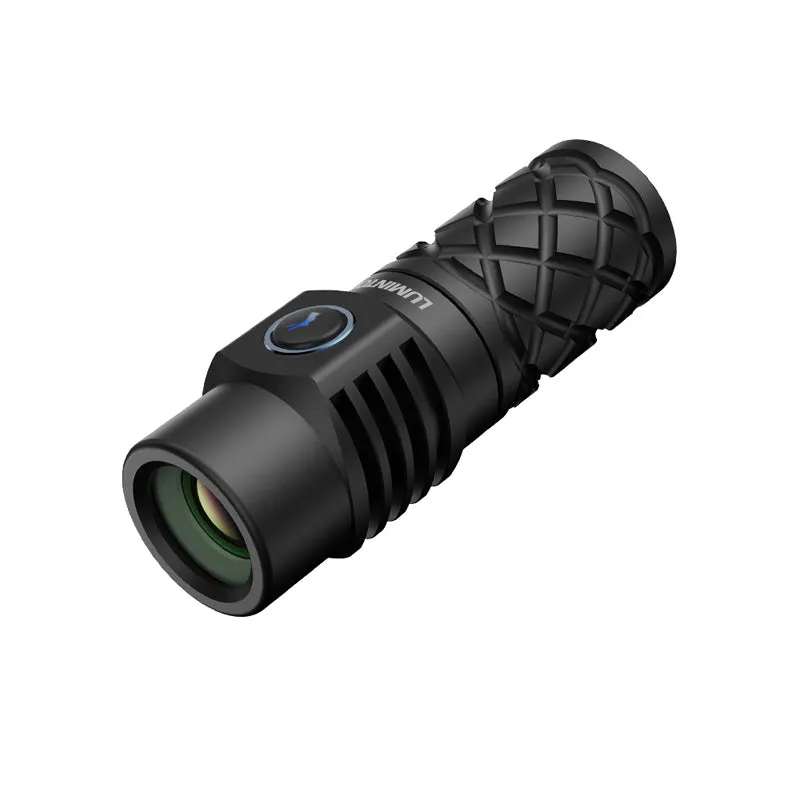
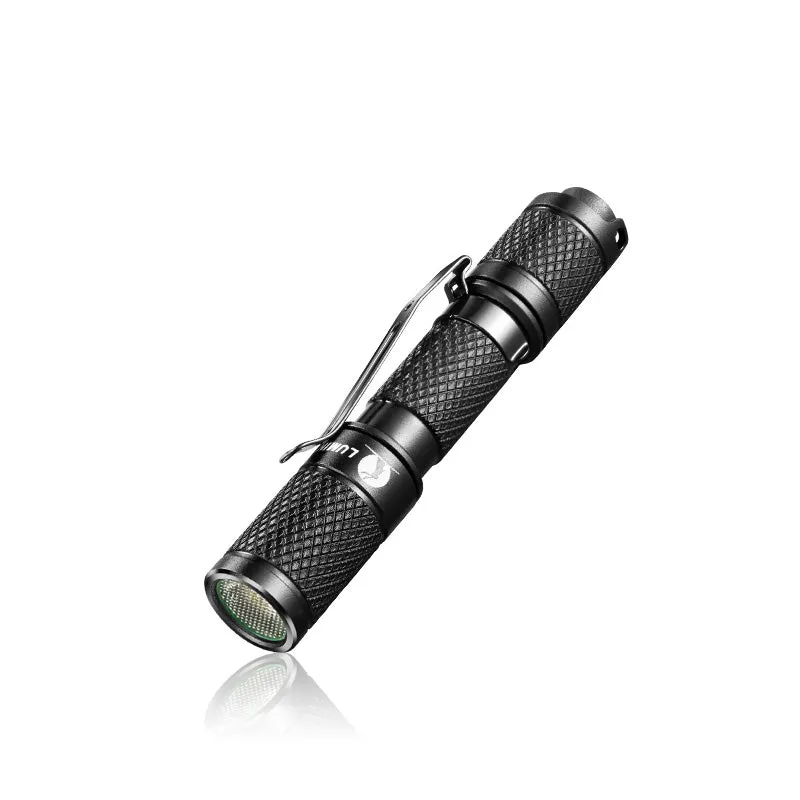
However, LEP is not ideal for close-range tasks. The tight beam creates a small hotspot that makes navigation, camp setup, or indoor use impractical. You’ll find yourself constantly sweeping the beam to see your immediate surroundings. For everyday carry, a traditional mini flashlight or aaa battery flashlight offers far better usability.
The concentrated beam produces noticeable backscatter in particles, reducing effective range and creating glare. High-CRI LED lights with warmer color temperatures penetrate atmospheric conditions more effectively. LEP shines (literally) in clear weather over open terrain.
Reddit discussions on edc lep flashlight use echo our findings: LEP is a specialist tool, not a general-purpose light. Pair it with a conventional EDC model rather than relying on LEP alone. The Lumintop gtmini makes an excellent compact backup with traditional LED output for close work.
Powering and Maintaining Your LEP Light
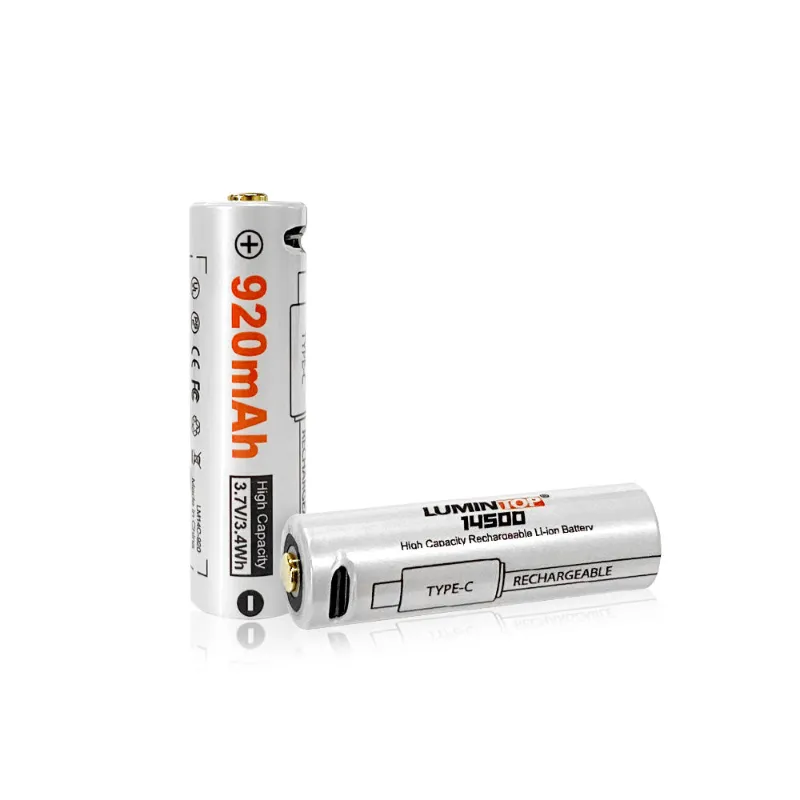
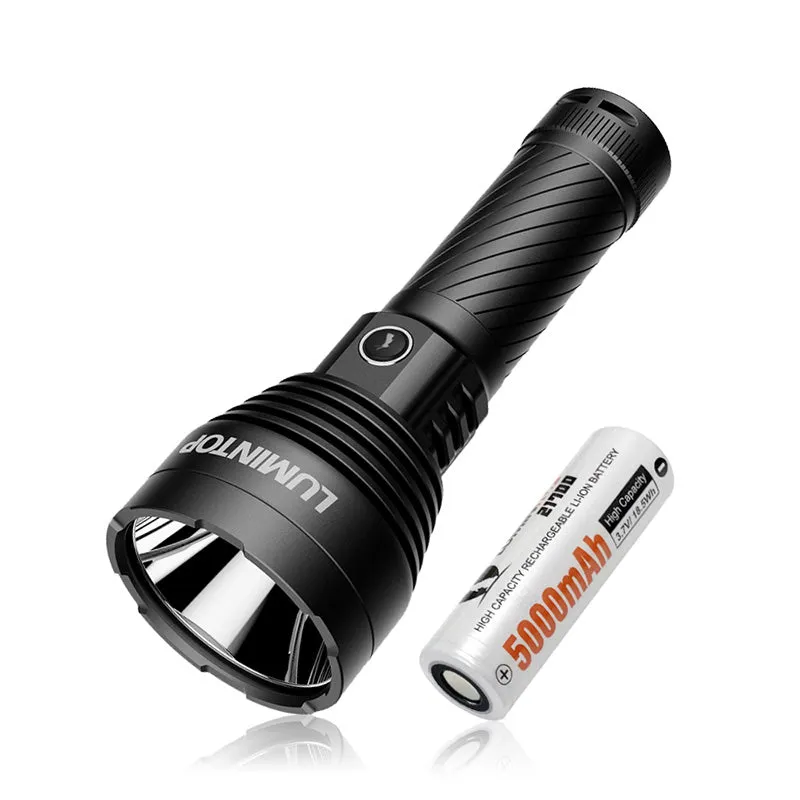
Most Lumintop LEP models run on 21700 or 18650 lithium-ion cells. These batteries deliver the high discharge rates LEP laser diodes demand, especially on turbo modes. We recommend keeping a spare 14500 li ion battery and 14500 charger in your kit if you’re using smaller Lumintop models, though the Thor series specifically requires larger formats.
Battery choice directly impacts performance. Low-quality cells with high internal resistance cause voltage sag under load, dimming the beam and shortening runtime. Stick with reputable brands rated for 10A or higher continuous discharge. Check the latest price on Lumintop’s site, where batteries are often bundled with LEP lights at a discount.
LEP optics are sensitive to contamination. The phosphor window and laser assembly should never be touched directly. Use a rocket blower to remove dust, and if smudges occur, use lens tissue with isopropyl alcohol. Avoid cotton swabs or abrasive cloths that can scratch the phosphor coating or front lens.
Thermal management matters less with LEP than with high-output LEDs, since total wattage is lower. Still, prolonged turbo use generates heat. Most Lumintop models step down automatically after a few minutes to protect the laser diode. Let the light cool between extended sessions to maximize diode lifespan.
Who Should Buy an LEP Flashlight
LEP technology suits search and rescue professionals, boaters, hunters, and outdoor enthusiasts who operate in open environments where long-range visibility is critical. If you’ve ever needed to spot trail markers a kilometer away, identify a distant landmark, or signal across a valley, LEP delivers capabilities no LED can match.
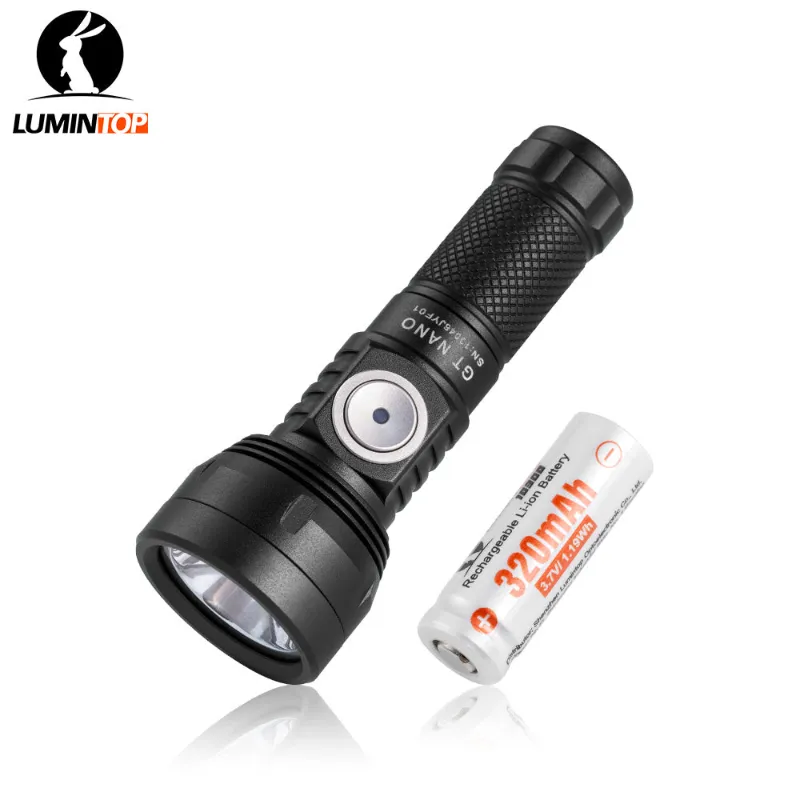
We don’t recommend LEP as a first or only flashlight. The beam characteristics are too specialized. But as a second light paired with a versatile EDC model like the lumintop gt nano, LEP adds a unique capability to your kit. The 1lumen is another solid LED option for general use, leaving the Thor series to handle extreme-distance tasks.
Security personnel and property managers also benefit from LEP’s intimidation factor and reach. The visible beam itself acts as a deterrent, and the throw distance lets you inspect perimeter fences or distant buildings without approaching. Just ensure local regulations permit high-intensity lights in your area.
For those interested in specialized lighting beyond LEP, the ultraviolet 2.0 offers UV capabilities for forensics or mineral hunting, while the moonbox provides area lighting for camp use. These round out Lumintop’s catalog for users who need purpose-built illumination tools.
Where to Find LEP Flashlights and Current Deals
Lumintop’s LEP models are available directly through their store, where you’ll find the most current pricing and bundle options. Visit our Lumintop discount code page to access the latest 10% sitewide offer before placing your order.
If you’re researching beyond Lumintop, expert reviews from Knivesandtools and LEPflashlight.com’s 2026 tested rankings provide independent beam shots and runtime data across multiple brands. We’ve found these resources helpful for comparing throw distance claims and verifying manufacturer specs.
LEP technology remains niche, so inventory can fluctuate. Popular models like the Thor 2.0 occasionally sell out during peak outdoor seasons. If you’re committed to adding LEP to your gear, bookmark the product pages and check back regularly or sign up for restock notifications.
Questions
What is an LEP flashlight and how does it differ from LED?
An LEP flashlight uses a laser to excite a phosphor material, creating an extremely focused beam with far greater throw distance than LED lights. LEP produces a narrow spotlight with minimal spill, while LED offers broader illumination and higher total lumens.
Can you use an LEP flashlight for everyday tasks?
LEP lights are too specialized for everyday use. The narrow beam makes close-range tasks difficult. Pair an LEP model with a traditional LED flashlight for general tasks and reserve the LEP for long-distance applications.
Which Lumintop LEP model is best for beginners?
The Thor 2.0 offers the best balance of performance, usability, and price for those new to LEP technology. It delivers impressive throw distance without the complexity or cost of more advanced models.
Do LEP flashlights work well in fog or rain?
LEP beams create noticeable backscatter in fog, rain, or dust, reducing visibility and causing glare. They perform best in clear weather over open terrain where the tight beam can reach its full distance potential.
What batteries do Lumintop LEP flashlights require?
Most Lumintop LEP models like the Thor series use 21700 or 18650 lithium-ion batteries. Choose high-drain cells rated for 10A or higher continuous discharge to maintain peak performance and avoid voltage sag.
Are LEP flashlights legal to own and use?
LEP flashlights are legal in most areas, but some jurisdictions restrict high-intensity lights. Check local regulations before using LEP models for security or in public spaces, especially where beam intensity might be considered a safety concern.
Products in this guide
 Shopping at Lumintop? See the discount code
10% OFF Sitewide
Shopping at Lumintop? See the discount code
10% OFF Sitewide
More in this series
Choosing Between the Lumintop GTmini and GT Nano for Long-Distance Lighting13 Aug 20265 minTroubleshooting Common Issues with Lumintop’s USB 14500 Battery Chargers13 Aug 20265 minLumintop GT Nano Review: Is This the Best Pocket Thrower Flashlight?13 Aug 20264 minHow to Charge and Maintain Your Lumintop 14500 Li-Ion Battery for Maximum Lifespan13 Aug 20264 minLumintop Thor 2.0 vs Thor 3: Which LEP Flashlight Is Worth the Upgrade?13 Aug 20264 min