 A Lumintop guide
How to Charge and Maintain Your Lumintop 14500 Li-Ion Battery for Maximum Lifespan
A 14500 li ion battery powers compact Lumintop flashlights and requires proper charging habits and storage techniques to deliver maximum cycle life.
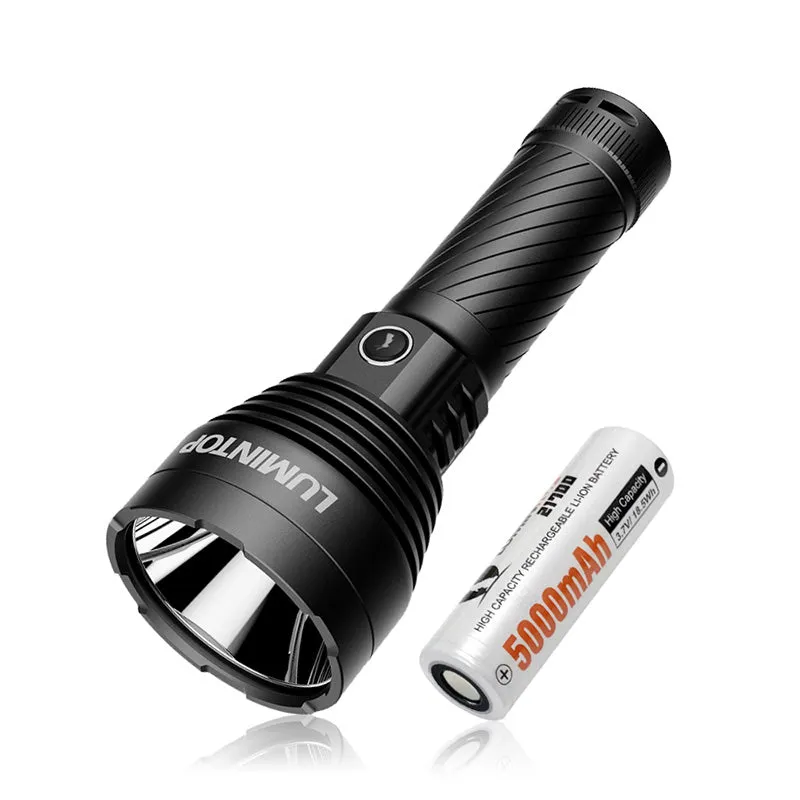
A 14500 li ion battery delivers reliable power for compact flashlights like the Lumintop gtmini and thor 2.0, but only if you charge and store it correctly.
What Makes the 14500 Battery 3.7V Li-Ion Rechargeable Different
The 14500 battery 3.7V li-ion rechargeable format matches AA size but operates at higher voltage, typically 3.6 to 3.7 volts nominal and 4.2 volts fully charged. This chemistry gives you more runtime in devices like the 1lumen and mini flashlight compared to disposable alkaline cells, but lithium-ion cells demand disciplined charging to avoid permanent damage. Unlike alkaline batteries, a 14500 can be recharged hundreds of times if you follow voltage limits and temperature guidelines.
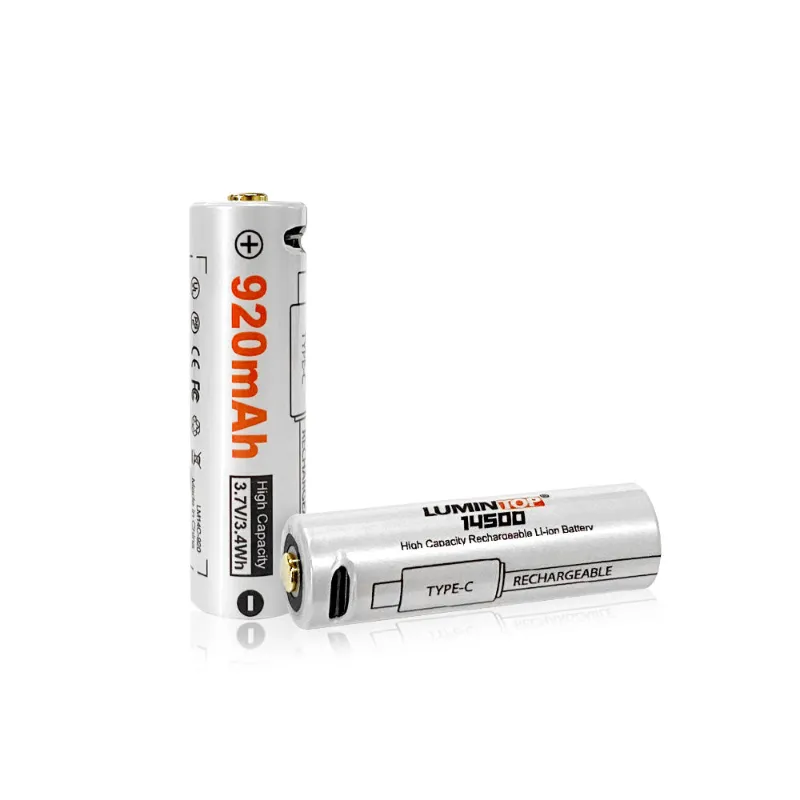
Lumintop flashlights designed for this format include built-in protection against over-discharge in most models, but the charging process itself remains your responsibility. Using a quality 14500 charger with automatic termination prevents overcharging, the leading cause of shortened cycle life.
How to Charge Your 14500 Li Ion Battery Safely
We recommend a dedicated lithium-ion smart charger that monitors voltage and terminates at 4.2 volts. These practices help extend usable cycles:
- Use a charger designed for lithium-ion cells with automatic cutoff. Generic USB chargers often lack voltage regulation and can push past safe limits.
- Charge at 0.5C to 1C current (typically 0.5 to 1 amp for a standard capacity cell). Slower charging generates less heat and reduces stress on the anode.
- Stop at 80 percent for storage if you will not use the flashlight within a week. Cells stored at full charge age faster.
- Never charge below freezing. Lithium plating occurs on the anode when you charge a cold cell, creating permanent capacity loss.
Check the latest price on Lumintop chargers that pair perfectly with their flashlight lineup. Our site’s discount code typically saves 10 percent on accessories.
Insert the 14500 li ion battery with correct polarity (flat negative end toward the spring in most Lumintop models) and confirm the charger’s LED indicator shows active charging. Most smart chargers turn green or switch off when the cell reaches 4.2 volts, signaling a full charge.
Storage Tips to Preserve Capacity Between Uses
Lithium-ion cells self-discharge slowly, but storage conditions affect how much capacity your battery keeps over time.
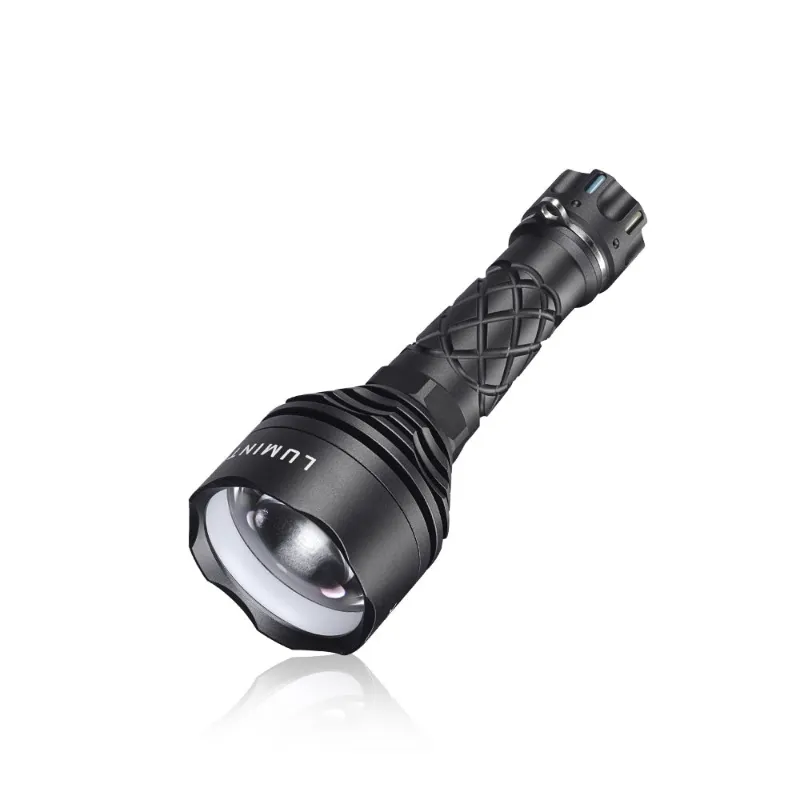
For flashlights like the lumintop thor 3 or ultraviolet 2.0 that you use occasionally, charge the cell to about half capacity and store it in a cool, dry place away from metal objects. Remove the battery from the flashlight if you will not use it for more than a month, since parasitic drain from the circuit slowly depletes the cell even when the light is off.
Understanding proper lithium-ion care prevents the gradual capacity fade that many users mistake for normal aging. Heat is the enemy: every 10°C increase in average storage temperature roughly doubles the rate of chemical degradation inside the cell.
Extending Cycle Life Through Smart Usage Habits
A quality 14500 cell typically delivers 300 to 500 full charge cycles before dropping to 80 percent of original capacity, but real-world lifespan varies based on how deeply you discharge each cycle:
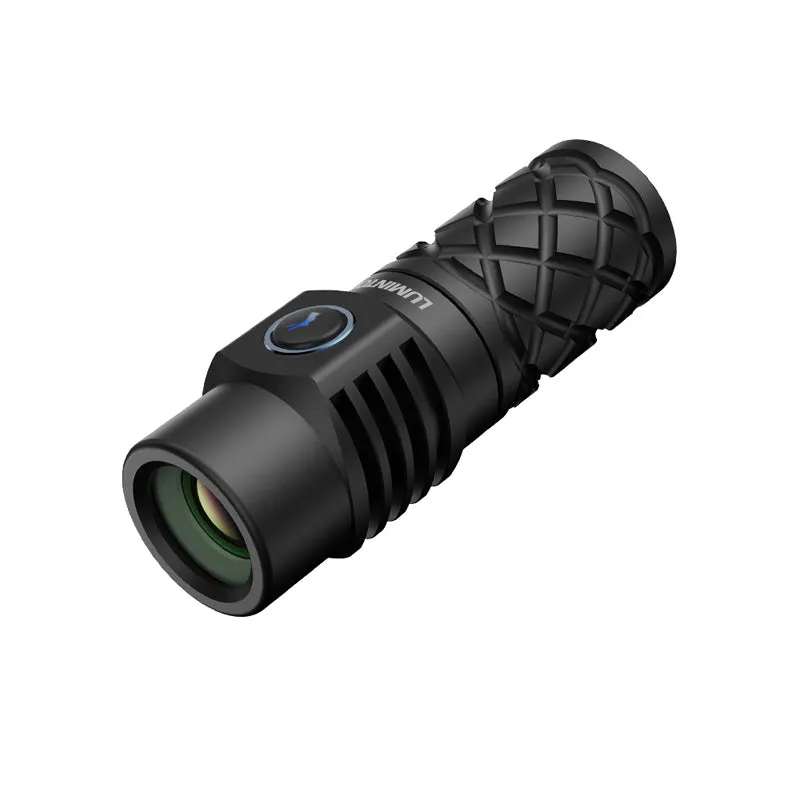
- Shallow cycles beat deep discharges. Draining from 100 percent to 50 percent counts as half a cycle and stresses the chemistry less than running all the way to the low-voltage cutoff.
- Avoid the extremes. Keeping charge between 20 and 80 percent during daily use can double your total cycle count compared to always charging to full and draining to empty.
- Let the cell cool after use. High-output modes in the Lumintop gtmini or lep flashlight generate significant heat. Wait 10 minutes before charging a warm battery.
Grab the code to stock up on spare cells so you can rotate them before hitting critically low voltage.
When to Replace Your 14500 Battery
Even with perfect care, lithium-ion chemistry ages. Replace your cell when you notice these signs:
- Runtime drops below 70 percent of what the flashlight delivered when new, measured on the same brightness setting.
- The cell feels unusually warm during charging or discharging, indicating rising internal resistance.
- Voltage sags quickly under load. If your mini flashlight dims noticeably within the first few minutes on a fresh charge, the cell has likely degraded.
- Physical damage appears, including dents, punctures, or swelling. Dispose of compromised cells immediately through a battery recycling program.
This detailed breakdown of lithium-ion failure modes explains the electrochemistry behind capacity fade.
Choosing the Right Charger for Lumintop Flashlights
The 14500 charger you select matters as much as your charging habits. We prefer models with these features:
- Independent channels that monitor each cell separately if you charge multiple batteries.
- Voltage and current display so you can verify the charge rate and termination point.
- Reverse-polarity protection to prevent damage if you insert a cell backward.
- Temperature monitoring that pauses charging if the cell overheats.
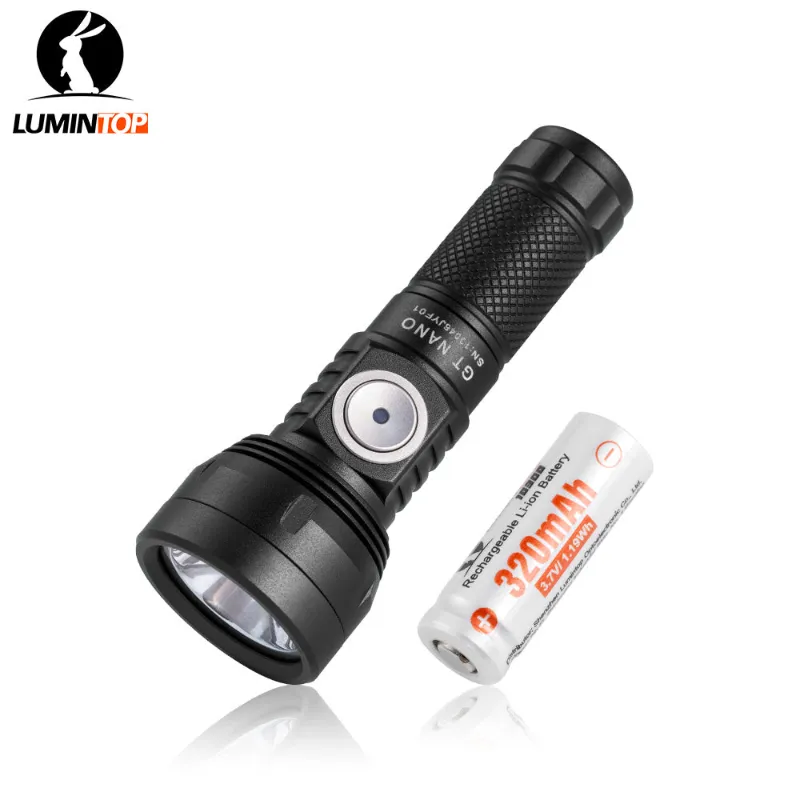
Lumintop’s dedicated chargers pair seamlessly with their flashlight ecosystem, including the lumintop gt nano and moonbox lantern. Many universal lithium-ion chargers also work well, but verify compatibility with 14500 format cells before use. Some chargers designed primarily for 18650 cells may not reliably detect the smaller 14500.
Check current pricing on Lumintop chargers to find a model that fits your battery rotation. Investing in a quality charger once protects every cell you own over years of use.
Quick Reference: Best Practices Summary
Follow these guidelines every time you charge or store your cells:
- Charge between 10°C and 30°C ambient temperature.
- Stop at 4.2 volts (or 4.1 volts for extended lifespan if your charger allows custom termination).
- Store at 40 to 60 percent charge when not in use for more than two weeks.
- Avoid full discharge. Swap cells when your flashlight signals low battery rather than waiting for automatic shutoff.
- Inspect regularly for swelling, corrosion on terminals, or wrapper damage.
These habits apply whether you power a high-output thor 2.0 or a compact aaa battery flashlight with adapter sleeves. Lithium-ion chemistry behaves consistently across form factors, so the same care routines protect every rechargeable cell in your gear collection.
By treating your 14500 cells as precision power sources rather than disposable consumables, you maximize both runtime per charge and total years of service.
Questions
How long does it take to fully charge a 14500 li ion battery?
A typical 14500 cell charges in 2 to 3 hours at 0.5 to 1 amp using a dedicated lithium-ion charger. Charging time varies based on remaining capacity and the charger's current output.
Can I use any charger for my Lumintop 14500 battery?
No, you need a charger specifically designed for lithium-ion cells that terminates at 4.2 volts. Generic USB chargers or NiMH chargers will damage the battery or create safety hazards.
What is the ideal storage charge level for 14500 batteries?
Store your 14500 cells at 40 to 60 percent charge (approximately 3.7 to 3.8 volts) in a cool, dry location. This voltage range minimizes chemical degradation during long-term storage.
How many times can I recharge a 14500 lithium-ion battery?
Quality 14500 cells typically deliver 300 to 500 full charge cycles before dropping to 80 percent capacity. Shallow discharge cycles and avoiding temperature extremes can extend this to 600 or more cycles.
Should I remove the 14500 battery from my flashlight when not in use?
Yes, remove the battery if you will not use the flashlight for more than a month. Parasitic drain from the circuit slowly depletes the cell even when the light is off, and stored batteries last longer outside the device.
What temperature is safe for charging 14500 batteries?
Charge between 10°C and 30°C ambient temperature. Never charge below freezing, as this causes lithium plating that permanently reduces capacity and creates safety risks.
Products in this guide
 Shopping at Lumintop? See the discount code
10% OFF Sitewide
Shopping at Lumintop? See the discount code
10% OFF Sitewide
More in this series
Choosing Between the Lumintop GTmini and GT Nano for Long-Distance Lighting13 Aug 20265 minTroubleshooting Common Issues with Lumintop’s USB 14500 Battery Chargers13 Aug 20265 minLumintop GT Nano Review: Is This the Best Pocket Thrower Flashlight?13 Aug 20264 minWhat Makes LEP Flashlights Different? A Look at Lumintop’s Laser Technology13 Aug 20265 minLumintop Thor 2.0 vs Thor 3: Which LEP Flashlight Is Worth the Upgrade?13 Aug 20264 min