 A Mellif Tools guide
How to Maintain Your Battery Powered Tiller for Peak Performance
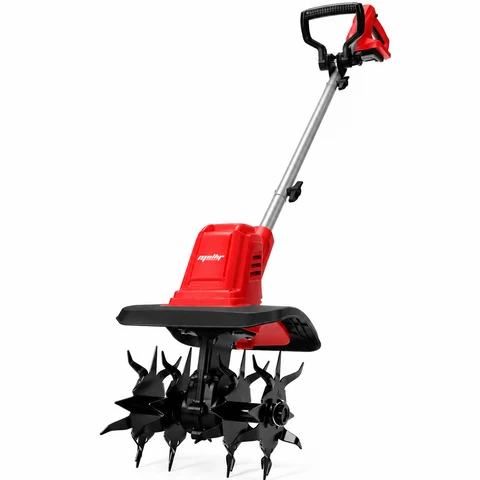
A battery powered tiller stays reliable and efficient when you follow a simple maintenance routine that covers cleaning, battery care, and blade inspection.
A battery powered tiller stays reliable when you maintain it properly. Regular cleaning, battery care, and blade inspection keep your cordless cultivator running at full power and prevent costly repairs down the line. You can find the current code on our Mellif Tools discount code page.
Whether you run a Mellif Tools tiller built to fit Milwaukee, DeWalt or Makita batteries or another cordless model, these steps cover the basics; check your manual for anything specific to your model.
Clean Your Tiller After Every Use
Soil, roots, and debris packed around tines reduce efficiency and accelerate wear. Follow a quick post-session cleaning routine:
- Disconnect the battery before any cleaning or inspection to prevent accidental starts
- Remove packed soil from tines with a stiff brush or wooden scraper while still slightly damp
- Wipe down the motor housing and ventilation slots with a dry cloth to prevent dust buildup
- Check for tangled roots or wire wrapped around the tine shaft and remove immediately
- Inspect fasteners and tighten any loose bolts on the tine assembly
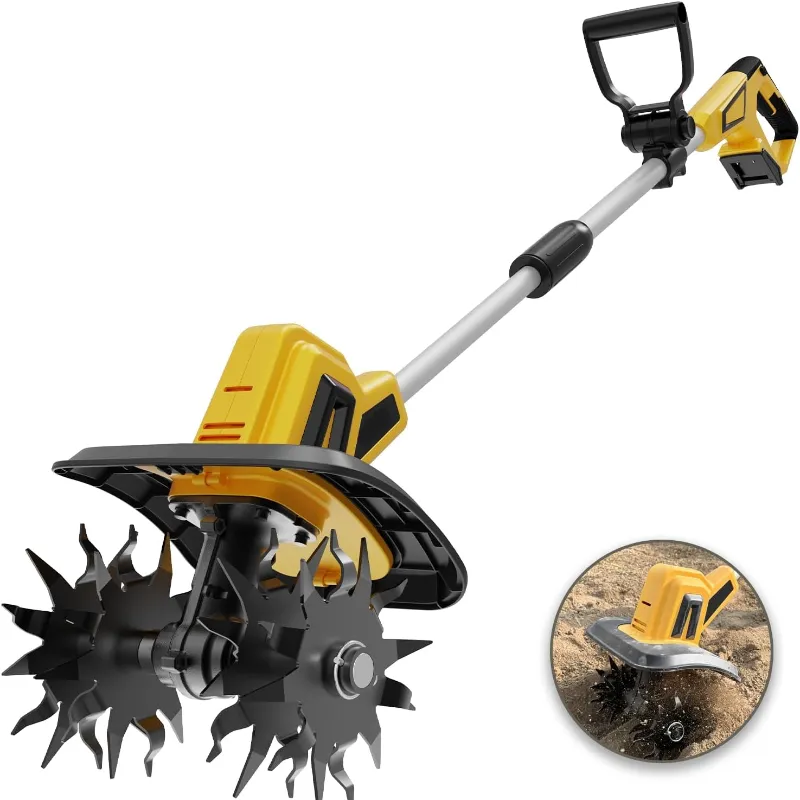
Heavy clay soil hardens quickly, so clean your battery powered tiller soon after you finish work. For stubborn buildup, use a garden hose on low pressure but avoid spraying directly into motor vents or the battery compartment.
Battery Care and Storage Best Practices
Battery health determines how long your tiller runs per charge and its overall lifespan. Lithium-ion cells in modern cordless tools require specific care:
- Store batteries partly charged for long-term storage, following the battery maker’s guidance
- Keep batteries in a cool, dry, climate-controlled space to prevent capacity loss
- Avoid deep discharge cycles by recharging when the tool signals low power rather than running until it dies
- Use the battery platform your tiller is built for (Mellif Tools sells tillers made to fit Milwaukee, DeWalt or Makita batteries) to ensure voltage compatibility
- Clean battery contacts regularly with a dry cloth to maintain good electrical connection
Charge batteries after heavy use, then store them at partial charge if you won’t till again for several weeks. Use our Mellif Tools discount code on replacement batteries and accessories.
Higher-capacity batteries run longer per charge but take longer to recharge. A second charged battery lets you keep working while the first one charges.
Inspect and Maintain Tines Regularly
Tines do the actual soil-breaking work, so blade condition directly affects performance. Dull or damaged tines force the motor to work harder and drain your battery faster.
| Inspection Point | Frequency | Action Needed |
|---|---|---|
| Sharpness check | Regularly during the season | Sharpen with a metal file or replace |
| Cracks or bends | Before each use | Replace damaged tines immediately |
| Mounting bolts | Monthly | Tighten to manufacturer torque spec |
| Tine orientation | After blade changes | Verify correct rotation direction |
Check whether your tiller’s tines are a replaceable set that bolts onto the shaft. When sharpening, maintain the original cutting angle and remove equal material from each tine to preserve balance. Unbalanced tines create vibration that wears bearings prematurely.
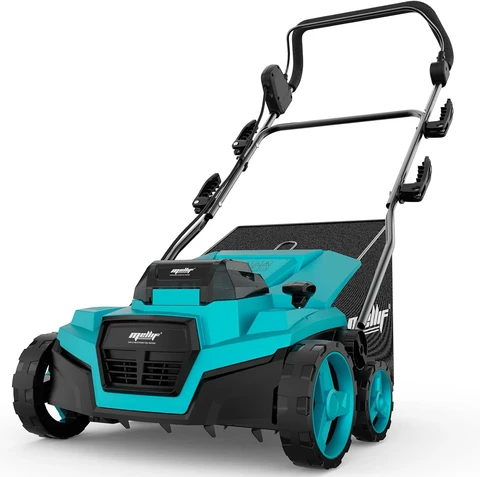
If you also own a cordless dethatcher, the same inspection routine applies to its tines and blades.
Seasonal Storage and Winterization
Proper off-season storage prevents corrosion and keeps seals supple. Before storing your battery powered tiller for winter:
- Clean thoroughly and allow all parts to dry completely
- Remove the battery and store it separately in a temperate location
- Apply light machine oil to exposed metal tine surfaces to prevent rust
- Store indoors in a shed, garage, or basement away from temperature extremes
- Elevate off concrete floors using plywood or a shelf to prevent moisture wicking
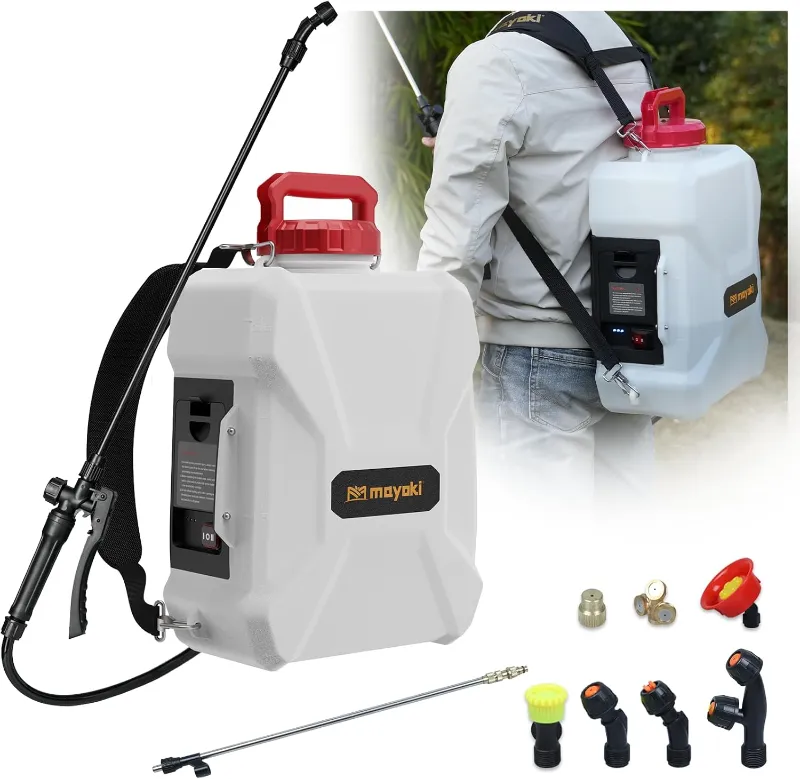
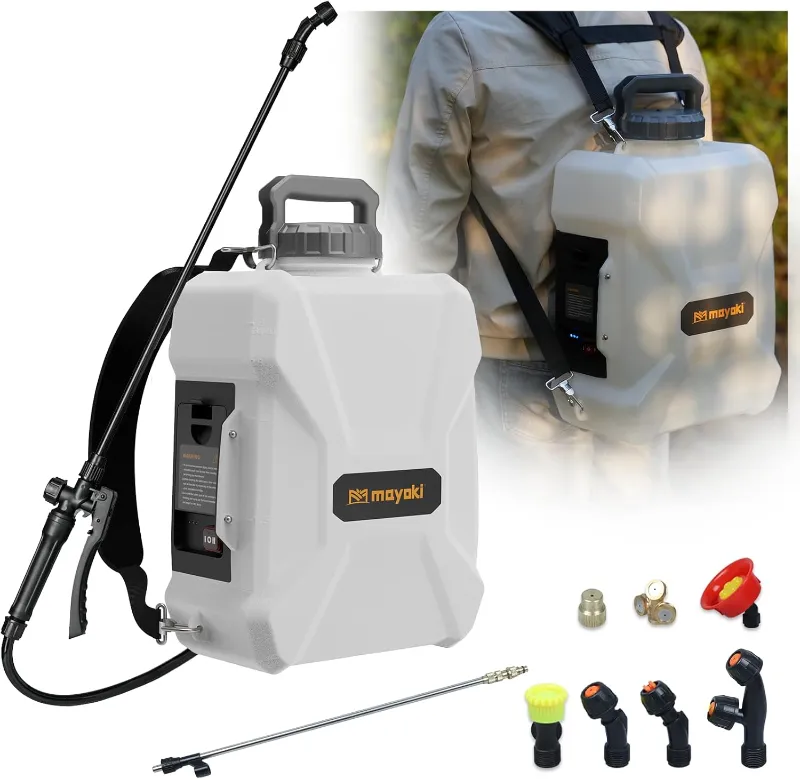
Check stored equipment monthly and look for signs of rodent damage to wiring or grips. Inspect other battery tools, such as a backpack sprayer for Milwaukee batteries or a backpack sprayer for DeWalt batteries, on the same schedule.
Troubleshoot Common Performance Issues
Even well-maintained tillers occasionally develop problems. Here’s how to diagnose and fix these issues:
Reduced runtime per charge: check for battery aging or a dirty motor. Try a different battery first, then inspect motor brushes if your model uses them (brushless motors skip this step).
Excessive vibration points to unbalanced or damaged tines, loose mounting bolts, or debris in the tine assembly. Stop immediately and inspect before continuing.
Motor starts then stops: check whether the battery contacts are dirty, the battery isn’t fully seated, or the thermal cutoff tripped from overheating. Let the tool cool down, clean the contacts, and retry.
Poor tilling depth suggests dull tines, incorrect tine installation, or attempting to work soil that’s too dry or compacted. Water very hard ground ahead of time, and make multiple shallow passes rather than forcing full depth.
When to Upgrade vs. Repair
Repair makes sense when components like tines or batteries wear out through normal use. However, replacement makes more sense if:
- The motor housing cracks or the tine shaft bends (structural damage)
- Replacement parts cost close to the price of a new tool
- The model is discontinued and parts are unavailable
- Battery technology has advanced significantly (voltage platforms have changed)
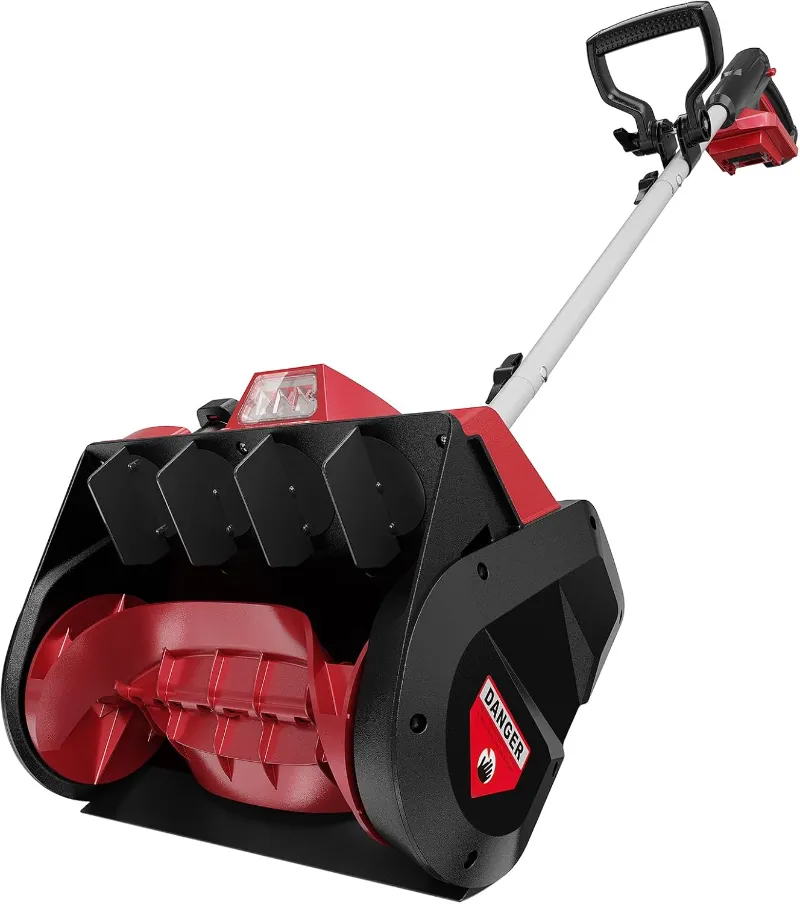
The same care applies to cordless snow tools like a snow shovel for Milwaukee batteries, which face even harsher conditions. Consistent care pays off in reliability and performance season after season.
Questions
How often should I charge my battery powered tiller battery?
Charge your battery after each use if you'll till again within a week. For longer breaks, store them partly charged and follow the battery maker's storage guidance to prevent deep discharge damage.
Can I use a pressure washer to clean my cordless tiller?
Avoid pressure washers because high-pressure water can force moisture into motor housings and battery compartments. Use a stiff brush and low-pressure garden hose, keeping water away from electrical components.
What causes my cordless tiller to lose power mid-session?
For mid-session power loss, check for a depleting battery, an overheating motor, or debris jamming the tines. Let the tool cool down, clear any obstructions, and swap in a fresh battery.
Do I need to oil my battery powered tiller motor?
Check your tiller's manual, and do not oil the motor unless the manual says to. Apply light machine oil only to exposed metal tine surfaces to prevent rust during storage.
How long do tines last before replacement?
Tine life depends on soil type and how often you till. Rocky or clay soil wears tines faster, so inspect them before each use and replace any that are cracked, bent or badly worn.
Should I remove tines for winter storage?
Removing tines isn't necessary for storage, but it does make cleaning easier and lets you inspect the shaft and bearings thoroughly. If you leave them attached, coat exposed metal surfaces with light oil to prevent corrosion.
Products in this guide
 Shopping at Mellif Tools? See the discount code
10% OFF Sitewide
More in this series
Mellif Backpack Sprayer for Milwaukee or DeWalt Batteries: Which?28 Jul 20263 minDo Cordless Dethatchers Really Work on Thick Lawns?28 Jul 20264 min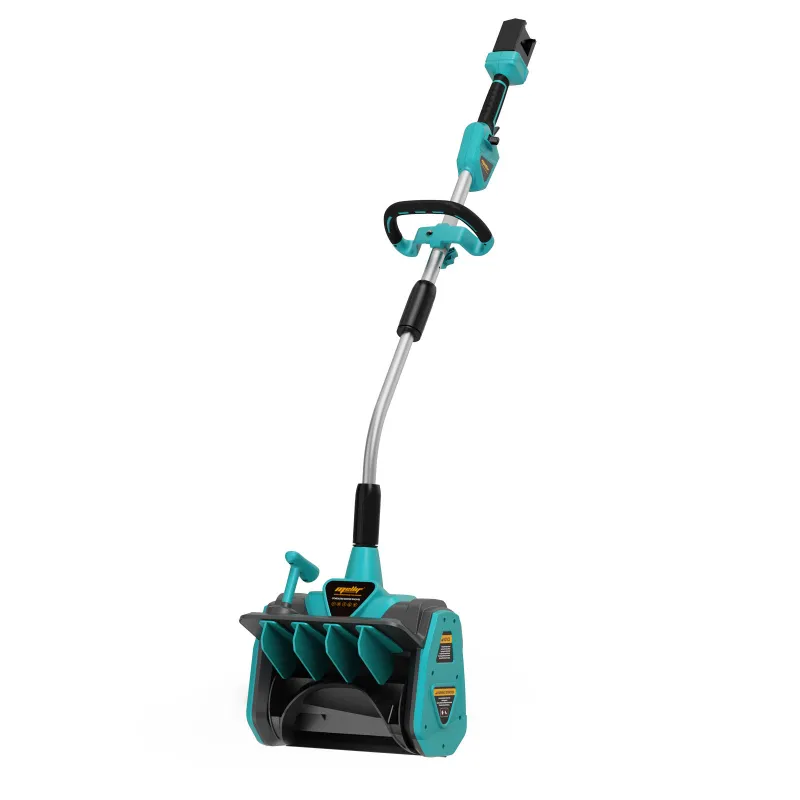 Which Mellif Snow Shovel Fits Your Batteries?28 Jul 20263 min
 What to Know About the Mellif Hot Glue Gun for Milwaukee Batteries28 Jul 20263 minBattery Dethatcher vs Cordless Dethatcher: Understanding the Difference28 Jul 20264 min