 A Mellif Tools guide
Battery Dethatcher vs Cordless Dethatcher: Understanding the Difference
A cordless dethatcher and battery dethatcher refer to the same tool, here's what you need to know before buying.
Are Battery and Cordless Dethatchers the Same Thing?
A cordless dethatcher and a battery dethatcher are exactly the same tool. Both terms describe a dethatcher powered by a rechargeable battery pack rather than a gas engine or corded electric motor. The confusion comes from marketing language, where “cordless” emphasizes freedom from outlets while “battery powered” highlights the rechargeable power source. When you see either term, you’re looking at the same category of lawn tool designed to pull thatch and debris from your grass without dragging a cord or mixing fuel. For the current code, see our Mellif Tools codes and deals.
Understanding this equivalence helps you cut through product listings and focus on what actually matters: voltage, working width, tine material, and whether the tool fits your lawn size.
Why the Two Names Exist
Manufacturers and retailers use both terms interchangeably because different shoppers search for different phrases. “Battery powered” appeals to buyers comparing gas versus electric, emphasizing the clean, quiet power source. You’ll also see “battery operated,” “rechargeable,” and “lithium ion” thrown into product titles for the same reason.
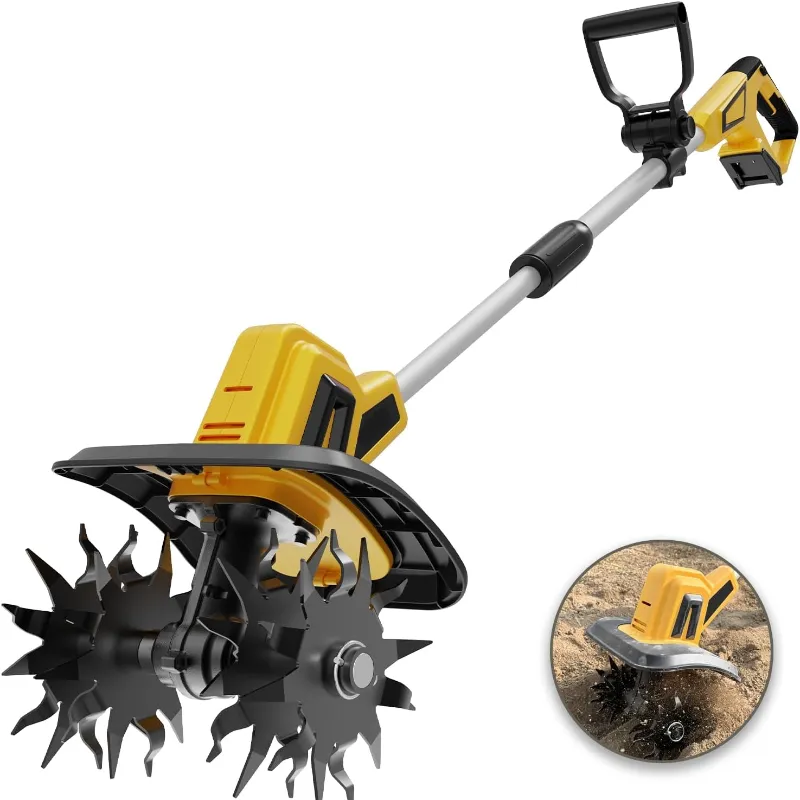
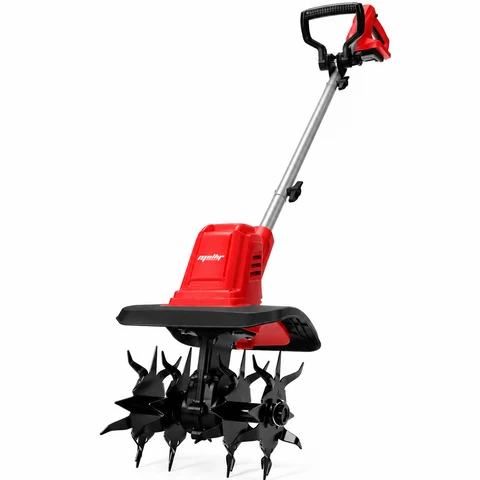
The naming overlap extends to related tools too. A battery powered tiller might also be listed as a cordless tiller, and a tiller for Milwaukee batteries or a tiller for DeWalt batteries may be called cordless or battery powered depending on the listing. The takeaway: search both phrases when shopping, and focus on specs rather than labels.
What to Look for in a Cordless Dethatcher
Once you know battery and cordless mean the same thing, your decision hinges on performance and compatibility. Compare these factors:
- Voltage: higher voltage gives more power for thick thatch; lower voltage models suit small lawns with light buildup.
- Working width: a wider head covers ground faster; narrower heads are easier to maneuver around landscaping.
- Tines and depth: check what the head uses and whether depth is adjustable, so you can match thatch thickness.
- Battery platform: Stick with a brand you already own so batteries and chargers work across your tools.
- Weight: a lighter tool reduces fatigue on bigger lawns; balance matters as much as raw weight.
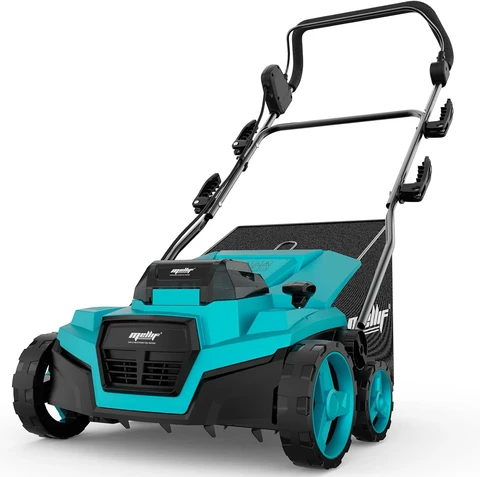
As an example, the Mellif Tools dethatcher and scarifier for Makita batteries lists a 36V dual-battery setup (two Makita 18V batteries), a 15 inch working width, 5 depth settings and a weight of 23 lbs on its product page. Mellif builds it to fit Makita batteries; it is not a Makita tool. Before you buy, check our Mellif Tools discount code.
Sticking With One Battery Platform
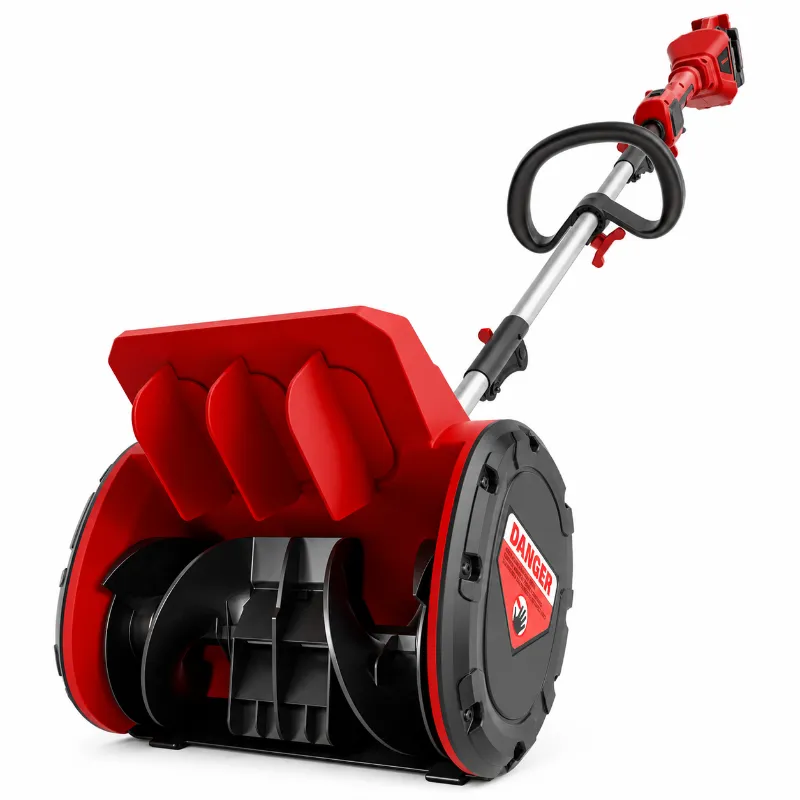
If you already own Milwaukee, DeWalt or Makita batteries, check which dethatchers are built to run on them. Mellif Tools sells its own garden and snow tools made to fit those batteries, such as a cultivator for DeWalt batteries or a snow shovel for Milwaukee batteries. Staying on one battery platform saves money and drawer space.
When Battery Power Makes Sense Over Gas or Corded
A cordless dethatcher shines when you need quiet operation, zero emissions, and freedom from extension cords. Consider a battery model if you:
- Dethatch a lawn small enough that runtime isn’t a concern.
- Work early mornings or evenings in neighborhoods with noise restrictions.
- Already own batteries the tool is built to fit.
- Store tools in a shed or garage without easy access to outlets.
Gas dethatchers deliver more raw power and unlimited runtime, but they weigh more and require engine maintenance. Corded electric models offer steady power without recharging, but the cord limits reach and creates a trip hazard.
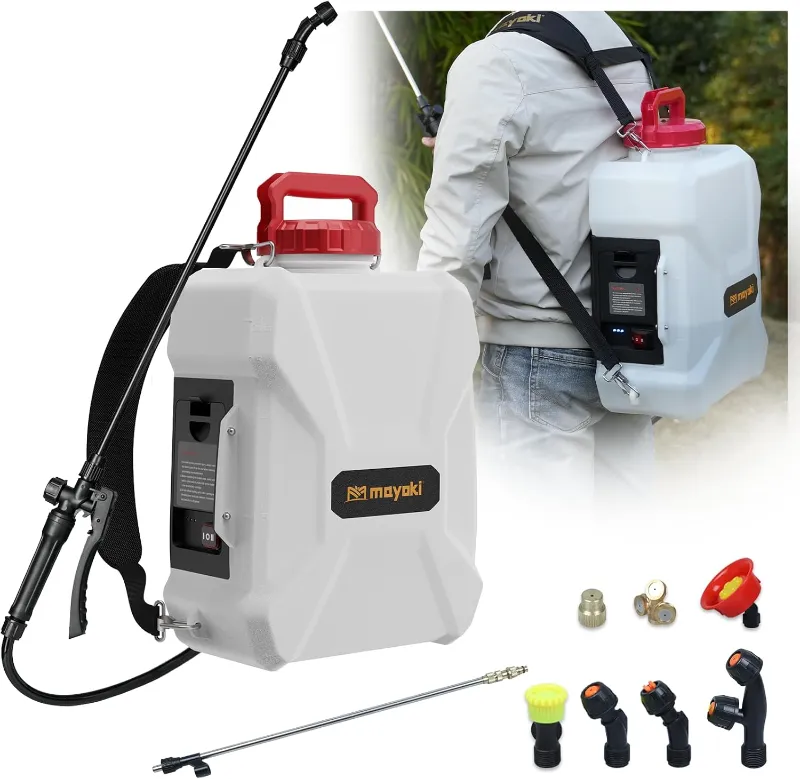
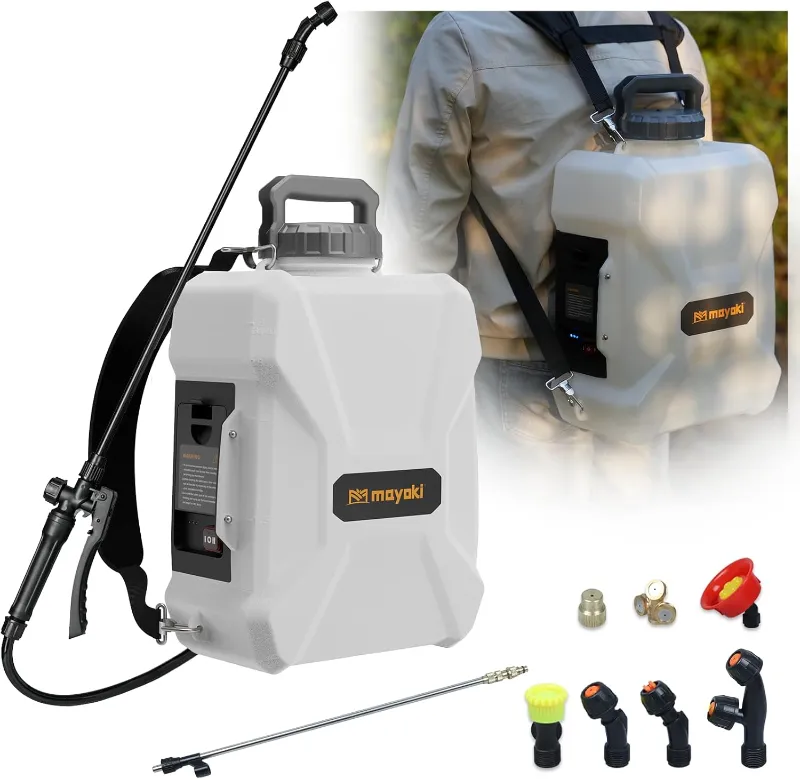
Pair your dethatcher with other cordless lawn tools to tackle spring and fall tasks without juggling fuel cans or cords. If your batteries are Milwaukee or DeWalt, a backpack sprayer for Milwaukee batteries or a backpack sprayer for DeWalt batteries lets you fertilize after dethatching with batteries you already own. In colder months, tools like a snow shovel for Milwaukee batteries or a snow shovel for Makita batteries keep your battery platform working year-round.
Rental vs Purchase: How to Decide
You’ll find dethatcher rental options at big-box stores and local equipment shops. Renting makes sense if you dethatch once a year and own no compatible batteries. Buying makes more sense if you dethatch often, especially when you already own batteries the tool fits. Compare local rental prices with the purchase price before you decide.
Before renting, check our Mellif Tools discount code to see what buying would cost you.
Choosing the Right Model for Your Lawn
Match the tool to your yard size and thatch severity:
- Small lawns: a narrower, lighter cordless dethatcher is easy to maneuver.
- Medium lawns: a wider head and a backup battery help you avoid mid-job charging.
- Large lawns: expect to swap or recharge batteries, or consider a corded or gas rental for dense thatch.
If you also cultivate garden beds, a battery powered tiller built for the batteries you already own, such as a tiller cultivator for DeWalt batteries, makes those batteries useful across seasons.
Check the listed weight and handle design before buying. A top-heavy dethatcher tires your forearms quickly, no matter how much power it packs. Look for rubberized handles and adjustable grips that let you shift hand position during long passes.
Questions
Is a cordless dethatcher the same as a battery dethatcher?
Yes, cordless dethatcher and battery dethatcher are two names for the same tool. Both refer to a dethatcher powered by a rechargeable battery pack rather than gas or a corded electric motor.
How long does a battery last when dethatching?
It depends on the battery capacity, the tool, thatch thickness and how wet the grass is, so we do not quote a runtime. Keep a backup battery charged for larger lawns.
Can I use my drill battery in a cordless dethatcher?
Only if the dethatcher is built for that battery platform and voltage. The Mellif Tools dethatcher, for example, is made to run on two Makita 18V batteries, so it takes Makita 18V packs, not DeWalt or Milwaukee ones.
Should I buy or rent a cordless dethatcher?
Buying makes more sense if you dethatch regularly, especially if you already own compatible batteries. If you dethatch rarely, compare local rental prices with the purchase price.
Do cordless dethatchers work as well as gas models?
Gas models still lead for commercial use or very thick thatch. Battery tools are quieter, produce no exhaust and need less maintenance.
Products in this guide
 Shopping at Mellif Tools? See the discount code
10% OFF Sitewide
More in this series
Mellif Backpack Sprayer for Milwaukee or DeWalt Batteries: Which?28 Jul 20263 minHow to Maintain Your Battery Powered Tiller for Peak Performance28 Jul 20264 minDo Cordless Dethatchers Really Work on Thick Lawns?28 Jul 20264 min Which Mellif Snow Shovel Fits Your Batteries?28 Jul 20263 min
 What to Know About the Mellif Hot Glue Gun for Milwaukee Batteries28 Jul 20263 min