 A Mellif Tools guide
Do Cordless Dethatchers Really Work on Thick Lawns?
A cordless dethatcher performs well on thick lawns when you match motor power and tine depth to your thatch layer, though very dense matting may need more than one pass.
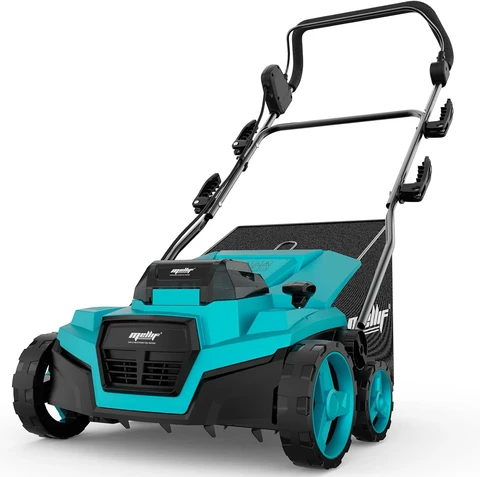
A cordless dethatcher performs well on thick lawns when you match motor power and tine depth to your thatch layer, though very dense matting may need more than one pass. Our Mellif Tools discount code page lists the current code and how to use it.
What Makes a Cordless Dethatcher Effective on Dense Thatch
Thick lawns accumulate a layer of dead grass, roots, and organic debris that blocks water and nutrients. A quality cordless dethatcher uses spring-steel tines or fixed blades that rake vertically through the turf to lift this mat. The tool’s effectiveness depends on three factors: motor torque, tine aggression, and battery reserve.
Brushless motors deliver the consistent power needed to pull tines through compacted layers without bogging down. Look for models that keep their speed under load and offer adjustable depth settings. As an example, the Mellif Tools 2 in 1 dethatcher and scarifier for Makita 18V batteries lists a brushless motor, a 15 inch working width and 5 depth settings on its product page.
Battery capacity matters as much as voltage. A higher amp-hour pack runs longer per charge, and a spare charged battery helps on a large or dense lawn. The Mellif Tools dethatcher uses two Makita 18V batteries for 36V, and its product page says it supports batteries up to 5.0Ah (tool only, batteries not included).
When Battery Power Handles Thick Lawns and When It Doesn’t
Cordless dethatchers do their best work when the lawn is dry. Wet or heavily compacted turf taxes the motor and drains batteries faster. For a large lawn with dense buildup, plan on spare batteries or extra time for recharging.
Cordless models excel at:
- Residential lawns with moderate thatch
- Spring and fall maintenance when grass is actively growing
- Properties without convenient outdoor outlets
- Spot dethatching high-traffic zones or shaded areas prone to moss
You’ll hit limits with:
- Very thick thatch layers (consider a corded or gas unit)
- Clay-heavy soil that resists tine penetration
- Continuous commercial use across multiple properties per day
- Lawns that haven’t been dethatched in several years
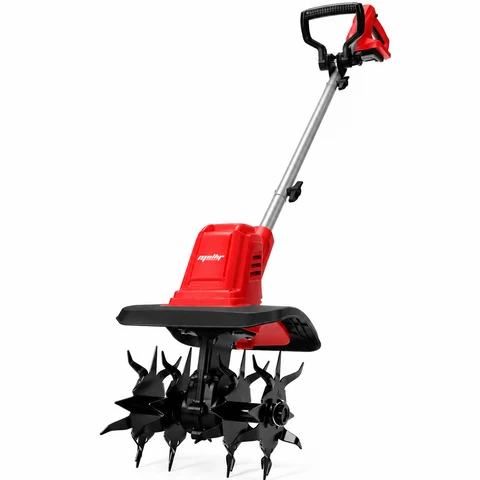
If your property also needs tilling for garden beds, Mellif Tools also sells tillers, such as a tiller for Milwaukee batteries or a tiller cultivator for DeWalt batteries, for soil prep between dethatching seasons.
How to Choose the Best Cordless Dethatcher for Your Lawn Size
Match tool capacity to lawn area and thatch severity. Start by measuring your turf’s thatch layer: push a screwdriver into the soil and note how much spongy material sits above the root zone. The thicker that spongy layer, the more dethatching the lawn needs.
If you already own a battery platform, check whether a cordless dethatcher fits your existing batteries before buying. Mellif Tools builds its dethatcher to run on Makita 18V batteries; it is a Mellif tool, not a Makita tool.
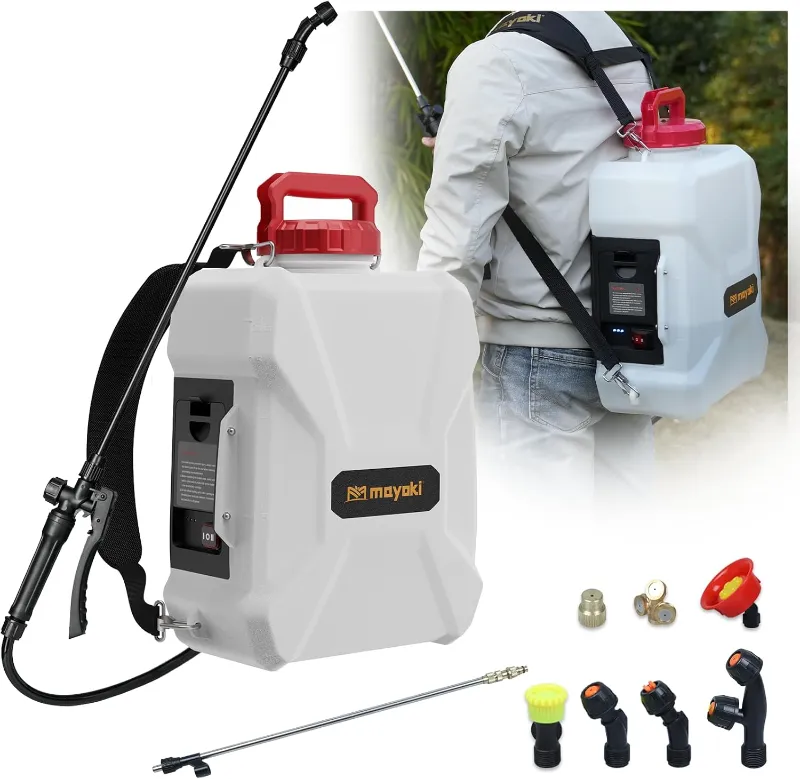
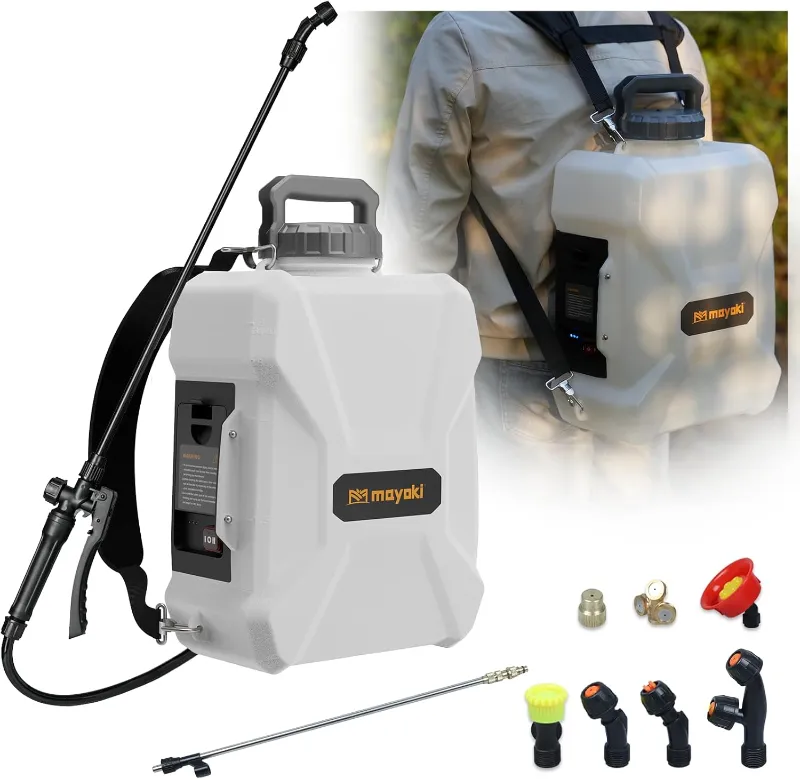
For larger properties that also require pest control or fertilizer application, a backpack sprayer for Milwaukee batteries or a backpack sprayer for DeWalt batteries rounds out your battery-powered lawn care lineup.
Running a Cordless Dethatcher Through Heavy Thatch: Technique Tips
Thick lawns demand a methodical approach to avoid motor strain and patchy results. Mow your grass short before dethatching so tines reach the mat without excess blade interference. Set the dethatcher to a shallow depth for the first pass, then lower it incrementally if debris yield is light.
Best practices:
- Make two perpendicular passes in a crosshatch pattern to lift thatch evenly
- Overlap each row slightly to avoid missed strips
- Stop and clear tines whenever debris clumps between blades
- Rake and remove pulled thatch promptly to prevent smothering recovering grass
- Water deeply after dethatching to help roots establish in the newly aerated soil
If your lawn shows signs of compaction (water pooling, hard surface), pair dethatching with aeration. Some combo units marketed as a cordless dethatcher and aerator swap tine cartridges for dual duty, though dedicated aerators penetrate deeper.
Battery management extends your work window. Charge a second set of batteries while using the first, and avoid running batteries completely flat. Use our Mellif Tools discount code when you shop the store.
Cordless vs Corded Dethatchers for Thick Turf: How They Compare
Cordless dethatchers trade unlimited runtime for mobility and convenience.
Cordless advantages:
- No trip hazards or cord management on slopes and around trees
- Quieter operation than gas models
- Zero emissions and lower maintenance (no oil changes or carburetor tuning)
Corded advantages:
- Sustained power for very thick thatch
- Lower upfront cost if you already own extension cords
- No runtime anxiety on large properties
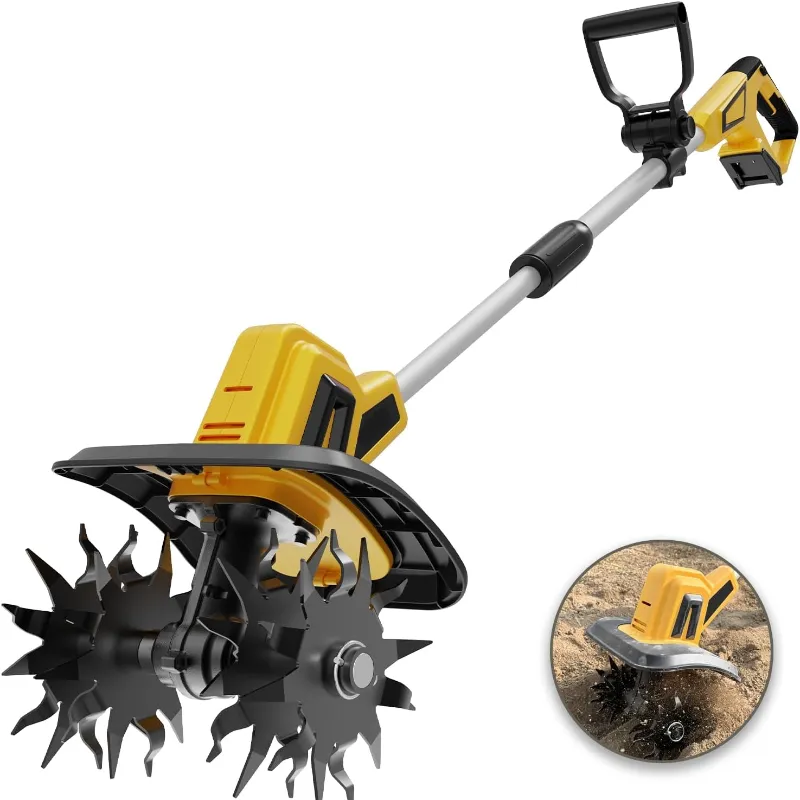
For homeowners maintaining suburban lots, a battery powered tiller or a cultivator for DeWalt batteries complements a cordless dethatcher by prepping beds and breaking up compacted soil that manual tools struggle with.
Maintenance and Longevity: Getting Multiple Seasons from Your Dethatcher
Basic upkeep helps your dethatcher last. After each use, brush debris from tines and housing, then wipe metal components with a dry cloth. Inspect tines for bends or breaks before storage and replace any damaged units to maintain even raking action.
Store batteries partly charged in a temperature-controlled space. Extreme heat and cold degrade lithium cells faster than moderate conditions. Check tine tension annually and tighten mounting bolts if vibration loosens hardware.
When blades dull, sharpen or replace them as the manual describes. Dull tines tear grass instead of lifting thatch cleanly, stressing your turf during recovery. Follow the manual for any lubrication points so the unit keeps rolling smoothly over uneven ground.
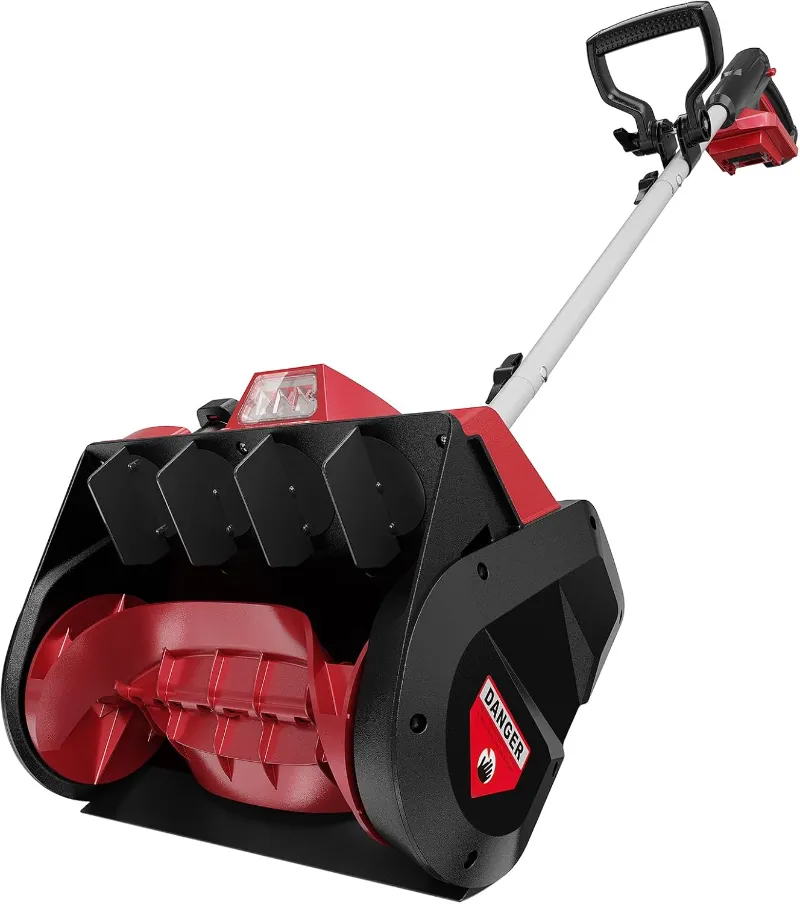
If you expand into snow removal, Mellif Tools also sells snow shovels, such as a snow shovel for Milwaukee batteries, for walkways and decks. Visit our Mellif Tools discount code page for the current code.
Questions
Can a cordless dethatcher handle Bermuda or Zoysia grass?
Yes, you can dethatch warm-season grasses like Bermuda and Zoysia when you dethatch during active growth in late spring. Set tines to a shallow depth initially since these grasses grow horizontally and recover quickly from aggressive raking.
How many square feet can I dethatch on one battery charge?
It depends on battery capacity, how dense the thatch is and how wet the lawn is, and we do not have a reliable coverage figure to give you. Keep a spare set of batteries charged for larger properties.
Do I need to rake up thatch immediately after dethatching?
You should remove pulled thatch promptly to prevent it from smothering recovering grass. Rake debris into piles and bag or compost it, then water the lawn deeply to help exposed roots reestablish.
Is a cordless dethatcher and aerator combo worth buying?
Combo units offer convenience if you need both tasks done each season. If your lawn is compacted as well as thatchy, an aerator that pulls soil plugs reaches deeper than dethatching tines. The Mellif Tools tool is a 2 in 1 dethatcher and scarifier, not an aerator.
What's the difference between a cordless dethatcher and a power rake?
A cordless dethatcher uses spring tines to lift organic debris, while a power rake employs fixed blades that cut deeper into the soil. Power rakes are more aggressive and better suited for renovating neglected lawns, whereas dethatchers handle routine maintenance.
Can I use my cordless dethatcher on slopes or hills?
Yes, cordless models handle slopes more safely than corded units since there's no power cord to snag or trip over. Work across the slope rather than up and down to maintain control, and wear slip-resistant shoes for traction on inclines.
Products in this guide
 Shopping at Mellif Tools? See the discount code
10% OFF Sitewide
More in this series
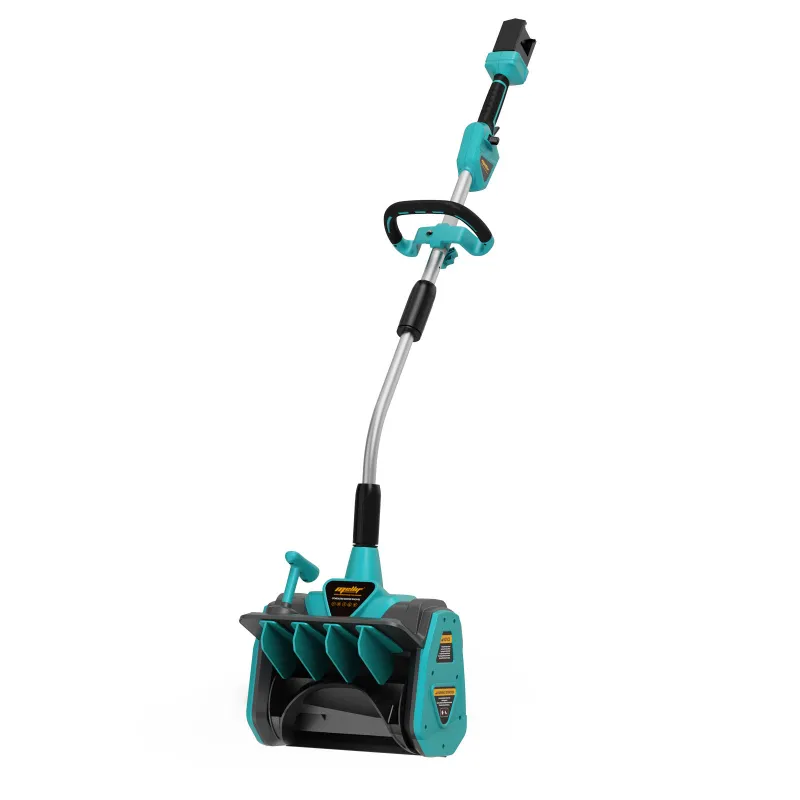 Which Mellif Snow Shovel Fits Your Batteries?28 Jul 20263 min
 What to Know About the Mellif Hot Glue Gun for Milwaukee Batteries28 Jul 20263 minBattery Dethatcher vs Cordless Dethatcher: Understanding the Difference28 Jul 20264 minMellif Backpack Sprayer for Milwaukee or DeWalt Batteries: Which?28 Jul 20263 minHow to Maintain Your Battery Powered Tiller for Peak Performance28 Jul 20264 min