 A Optics Factory guide
M-LOK vs Picatinny: Which Rail System Is Right for Your AR Build?
A lightweight rail system can transform your AR-15, but M-LOK and Picatinny each bring distinct advantages to weight, attachment flexibility, and accessory compatibility.
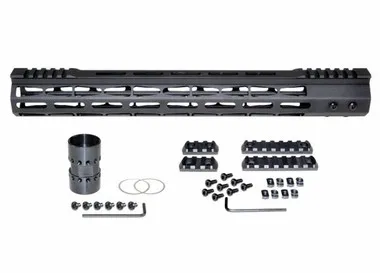
A lightweight rail system simplifies accessory mounting while keeping your AR-15 trim and balanced. M-LOK relies on slots and locking hardware for a streamlined profile, while Picatinny uses raised rails with crosswise grooves for tool-free attachment of many traditional accessories. Your choice hinges on the accessories you already own, how much weight you want to shed, and whether you value modular flexibility or universal compatibility.
Weight and Profile Differences
M-LOK handguards cut weight by eliminating continuous top-rail material. Instead of machining full-length Picatinny slots, manufacturers mill narrow attachment points into the handguard body. This approach shaves several ounces and reduces the diameter, making the rifle more comfortable for shooters with smaller hands. A typical 15-inch M-LOK rail weighs around 8 to 10 ounces, compared to 12 to 14 ounces for an equivalent Picatinny quad-rail.
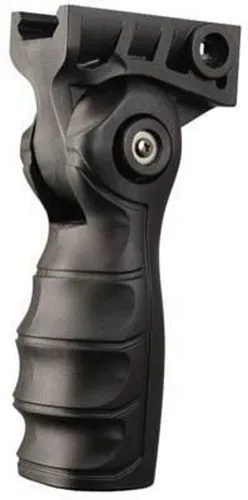
Picatinny quad-rails deliver four continuous surfaces of MIL-STD-1913 slots. That extra metal adds heft but also provides attachment points every inch along the rail. If you mount multiple accessories or shift them frequently during training, the raised rails let you reposition gear without tools. You will feel the weight difference during extended range sessions, but the trade-off is instant compatibility with decades of legacy optics, lights, and picatinny foregrip options.
Accessory Compatibility and Mounting
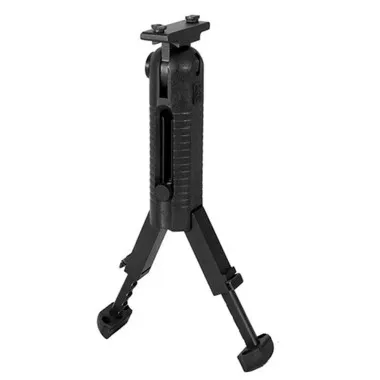
M-LOK accessories lock into place with T-nuts and screws, creating a low-profile connection that sits nearly flush with the handguard. This system works well for m lok bipod legs, ar 15 hand stopper panels, and light mounts. Because the attachment hardware threads directly into the slot, you get a rigid connection that resists movement under recoil. The downside is that you need an Allen key or screwdriver to install or adjust each piece.
Picatinny accessories slide onto the rail and lock via a crosswise clamp or lever. Vertical grips, optic rings, and picatinny foregrip attachments install in seconds without tools, and you can reposition them mid-session if your shooting position changes. Legacy accessories such as older red-dots and iron sights often ship with Picatinny mounts as standard, so you avoid hunting for adapter plates. If you already own a collection of Picatinny gear, sticking with that standard saves both time and money.
| Feature | M-LOK | Picatinny |
|---|---|---|
| Weight (15″ rail) | 8 to 10 oz | 12 to 14 oz |
| Tool requirement | Allen key or screwdriver | Often tool-free |
| Accessory cost | Moderate | Widely available, often cheaper |
| Profile | Slim, flush | Raised, bulkier |
Modularity and Custom Layouts
M-LOK shines when you want a clean handguard with accessories only where you need them. You can mount a short Picatinny section at the 3 o’clock position for a picatinny foregrip and another at 6 o’clock for a bipod, leaving the rest of the rail smooth. This modular approach reduces snag points and keeps the overall weight low. Brands like Midwest Industries, Rock River Arms, and STNGR offer handguards that blend M-LOK slots with top Picatinny rails for optics, giving you the best of both worlds.
Picatinny quad-rails offer maximum real estate but less flexibility. Every surface is already a mounting point, so you either leave sections bare or cover sharp edges with rail covers. That extra material increases bulk, but it also means you never worry about running out of attachment space. If you run a light, laser, m lok bipod, and forward grip simultaneously, a quad-rail handles the load without needing separate adapters.
Thermal Management and Grip Comfort
M-LOK slots double as ventilation channels, allowing heat to escape during rapid fire. The reduced surface contact between your hand and the barrel also keeps the handguard cooler. Many shooters pair M-LOK rails with rubberized panels at key grip points, which further insulate against barrel heat. The slim diameter works well with modern shooting techniques that emphasize a thumb-over-bore or C-clamp grip.
Picatinny quad-rails trap more heat because the continuous metal surfaces conduct warmth from the barrel. Rail covers mitigate this, but they add weight and bulk. The raised rails also create sharp edges that dig into your palm during extended shooting. If you wear gloves or plan short range sessions, this is rarely a problem. For all-day classes or competitions in hot weather, the added surface area becomes noticeable.
Which System Fits Your Build
Choose M-LOK if you value a lightweight rail with modern modularity. This system suits shooters who mount a few carefully selected accessories and prefer a slim, snag-free profile. Pair your M-LOK handguard with an ar 15 hand stopper for a consistent grip reference and a short Picatinny section wherever you need legacy gear. You will appreciate the weight savings during long hikes or competition stages that require quick transitions.
Picatinny remains the better option if you already own a drawer full of compatible accessories or if you switch gear frequently. The tool-free attachment and universal compatibility simplify setup, especially when you are testing different optic heights or foregrip positions. Quad-rails also offer more surface area for mounting multiple lights, lasers, and picatinny foregrip options without adapter plates. If you are building a duty rifle or a training carbine that will see hard use and frequent configuration changes, Picatinny delivers proven reliability.

Many builders split the difference by choosing a hybrid handguard with M-LOK sides and bottom plus a full-length top Picatinny rail. This layout keeps optics and backup irons on a continuous surface while trimming weight everywhere else. You can mount a beam charger for smoother manipulation and an ar grip that matches your hand size, then add M-LOK accessories as your needs evolve. Check the latest pricing and grab our code to save on rail systems and accessories that fit either standard.
Installation and Compatibility Notes
Both M-LOK and Picatinny handguards install onto your AR-15’s barrel nut using the same basic process. Free-float designs clamp to a proprietary barrel nut, while drop-in rails replace the factory plastic handguards on carbine-length gas systems. Verify that your chosen rail length clears your gas block and that the inner diameter accommodates any suppressor mounts or muzzle devices you plan to use.
M-LOK spacing follows a standardized slot pattern, so any M-LOK accessory will fit any M-LOK rail. Picatinny follows MIL-STD-1913, ensuring that accessories from different manufacturers lock securely. If you want to run both systems, grab a set of M-LOK-to-Picatinny adapter rails. These short sections bolt into M-LOK slots and provide a Picatinny surface for legacy gear. The adapter adds a small amount of weight but preserves compatibility with your existing accessories.
Before you order, measure your intended accessory placement and confirm that your rail offers slots or rail space at those positions. Some ultralight M-LOK rails reduce slot coverage to save weight, which can limit mounting options for wide accessories like bipods. Similarly, not all quad-rails extend to the same length, so verify that your m lok bipod or foregrip will sit where your shooting position demands. Visit our coupon page for current discounts on handguards, grips, and mounting hardware that work with both rail standards.
Final Recommendation
A lightweight rail transforms how your AR-15 handles, and both M-LOK and Picatinny deliver reliable performance. M-LOK wins on weight, thermal comfort, and modern modularity, making it ideal for shooters who want a trim, mission-specific setup. Picatinny offers unmatched accessory compatibility and tool-free adjustments, which suits builders with existing gear or those who reconfigure their rifles often. Hybrid rails split the difference, giving you a Picatinny top for optics and M-LOK everywhere else. Whichever system you choose, match it to the accessories you already own and the shooting tasks you prioritize most.
Questions
Can I mount Picatinny accessories on an M-LOK rail?
Yes, by using M-LOK-to-Picatinny adapter sections that bolt into the M-LOK slots. These short rail segments provide a standard Picatinny surface for legacy grips, lights, and bipods.
Which rail system is lighter for a 15-inch handguard?
M-LOK handguards typically weigh 8 to 10 ounces for a 15-inch length, while Picatinny quad-rails run 12 to 14 ounces due to the continuous raised rail sections.
Do I need tools to adjust M-LOK accessories?
Yes, most M-LOK attachments require an Allen key or screwdriver to tighten the T-nut hardware. Picatinny accessories often use tool-free lever clamps for faster repositioning.
Will a lightweight rail work with my existing AR-15 upper?
Most free-float lightweight rails require a compatible barrel nut, which may differ from your current setup. Drop-in rails fit standard carbine handguard caps without modification.
Can I use an m lok bipod on a Picatinny rail?
Only if the bipod includes a Picatinny adapter or you purchase one separately. Most M-LOK bipods ship with M-LOK-specific mounting hardware only.
Which rail system stays cooler during rapid fire?
M-LOK rails generally run cooler because the slots allow more heat to escape and the slim profile reduces surface contact with the hot barrel.
Products in this guide
 Shopping at Optics Factory? See the coupon code
10% OFF All Orders
Shopping at Optics Factory? See the coupon code
10% OFF All Orders
More in this series
What Is an AR-15 Hand Stop and Do You Need One?21 Aug 20266 min Using a Laser Bore Sight: Complete Setup Guide for 9mm Firearms21 Aug 20265 min
 Best Upgrades for the Mossberg 500: Pistol Grip vs Folding Stock21 Aug 20264 min
 Do AR-15 Buffers Really Affect Recoil and Reliability?21 Aug 20264 minHow to Install a Featureless Fin Grip on Your California AR-1521 Aug 20265 min