 A Optics Factory guide
Do AR-15 Buffers Really Affect Recoil and Reliability?
AR-15 buffers play a critical role in controlling recoil impulse and ensuring reliable cycling across different gas systems and calibers.
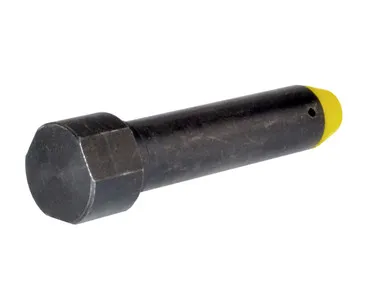
Yes, ar-15 buffers significantly affect both recoil management and cycling reliability by controlling bolt carrier group speed and timing. The buffer absorbs energy during the recoil cycle, and its weight determines how quickly your BCG moves rearward and returns to battery. Choosing the correct buffer weight for your gas system, barrel length, and ammunition prevents malfunctions and reduces felt recoil. Our ar-15 buffers offer the tuning options you need to optimize your platform, and you can grab the code for 10% off your order.
How Buffer Weight Changes Cycling Speed
The ar15 buffer and spring kit works as a counterweight to your bolt carrier group. Heavier buffers slow down the BCG’s rearward travel, giving more dwell time for pressure to drop before extraction. Lighter buffers allow faster cycling, which can benefit suppressed or short-barreled rifles running higher back-pressure.
Standard carbine buffers weigh around 3.0 oz, while H-series buffers add tungsten weights:
| Buffer Type | Weight Range | Best For |
|---|---|---|
| Carbine | 3.0 to 3.2 oz | Rifle-length gas, standard loads |
| H / H1 | 3.7 to 3.8 oz | Mid-length gas, general purpose |
| H2 | 4.6 to 4.7 oz | Carbine gas, suppressed rifles |
| H3 | 5.0 to 5.4 oz | Overgassed setups, heavy recoiling calibers |
An h2 buffer smooths out the recoil impulse on most carbine-gas rifles by preventing bolt bounce and reducing the sharp snap many shooters dislike. Pairing an h2 buffer kit ar15 with a quality spring ensures consistent lockup and extends parts life.
AR-15 Buffer Spring Differences and Why They Matter
The buffer tube spring complements the buffer weight. Standard carbine springs offer around 30 to 32 pounds of resistance, while enhanced or extra-power springs push 35 to 40 pounds. AR-15 buffer spring differences become critical when you’re running non-standard setups.
- Standard springs work with carbine and H buffers in most factory rifles
- Heavy-duty springs pair with H2 or H3 buffers on suppressed or short-barrel builds
- Reduced-power springs suit competition guns with adjustable gas blocks and light BCGs
When you upgrade to an h3 buffer kit ar15, confirm your spring can handle the added mass. A worn spring paired with a heavy buffer causes short-stroking and failures to eject. Replace springs every 5,000 to 10,000 rounds or whenever you notice inconsistent cycling.
Choosing the Right AR15 Buffer Kit for Your Gas System
Gas system length dictates how much energy hits your BCG. Pistol and carbine-length gas systems are inherently overgassed, benefiting from heavier buffers. Rifle-length gas runs softer and typically requires lighter weights.
Pistol-length gas (barrels under 10 inches): Start with an H2 or H3 buffer. These high-pressure systems generate violent cycling, and a heavy buffer protects your lower receiver lugs and reduces perceived recoil.
Carbine-length gas (10 to 16 inches): An H or H2 buffer balances reliability and smoothness. Most shooters find an h2 buffer kit ar15 the sweet spot for general-purpose carbines, especially when suppressed.
Mid-length gas (14 to 18 inches): An H buffer works well for unsuppressed rifles; consider H2 if you add a suppressor or shoot hotter loads.
Rifle-length gas (18+ inches): Stick with carbine-weight or H buffers. These systems are already soft-shooting, and excessive buffer weight can cause short-stroking with standard-pressure ammunition.
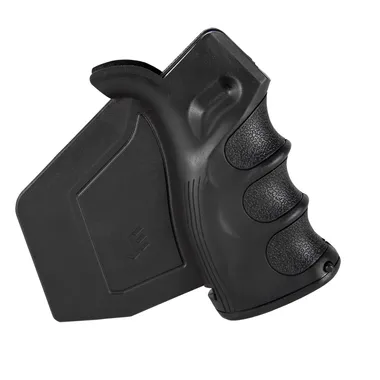
Tuning your buffer alongside upgrades like an ar grip or lightweight rail ensures your entire platform works harmoniously. Check the latest price to bundle your buffer kit with other components.
Signs You Need a Heavier or Lighter Buffer
Your rifle will tell you when the buffer weight is wrong. Watch for these indicators during range sessions.
Install a heavier buffer if you experience:
- Bolt bounce or double-feed malfunctions
- Excessive brass ejection distance (10+ feet)
- Sharp, snappy recoil impulse
- Premature wear on brass deflectors or ejection ports
- Failures to lock back on empty magazines
Switch to a lighter buffer if you see:
- Short-stroking or failures to eject
- Weak ejection patterns (brass dribbling out)
- Bolt failing to lock back consistently
- Sluggish cycling with standard-pressure ammo
An ar15 buffer weight kit lets you experiment without buying multiple complete assemblies. Swap weights inside the buffer body until you find the sweet spot for your specific combination of gas block setting, barrel length, and ammunition. This approach saves money and teaches you how AR-15 buffer system components interact.
Buffer and Spring Upgrades That Complement Other Mods
Buffers rarely work in isolation. When you install an adjustable gas block, suppressor, or upgraded BCG, your buffer needs may change. Suppressed rifles especially benefit from ar15 h3 buffer and spring combinations to tame the added back-pressure.
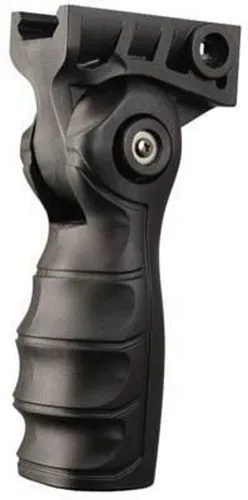
Pairing your buffer upgrade with other platform enhancements maximizes performance. A picatinny foregrip or ar 15 hand stopper improves control during rapid strings, while a quality beam charger smooths out your manipulation. Each component contributes to a cohesive shooting experience.
If you’re building or upgrading multiple rifles, consider how buffer weights affect different calibers. Pistol-caliber ARs running 9mm or.45 ACP require significantly heavier buffers, often 5.0 oz or more, to slow the blowback action. Meanwhile, rifles chambered in.223 Wylde or 5.56 NATO with adjustable gas blocks may run beautifully with lighter H buffers once properly tuned.
Where to Buy AR15 Buffer Kits and What to Look For
Quality buffer kits include the buffer body, weights, spring, and sometimes a castle nut and end plate. We recommend kits that let you adjust internal weights, giving you flexibility as your rifle evolves. Look for buffers machined from 7075 aluminum with tungsten or steel weights, and springs made from chrome-silicon wire for longevity.
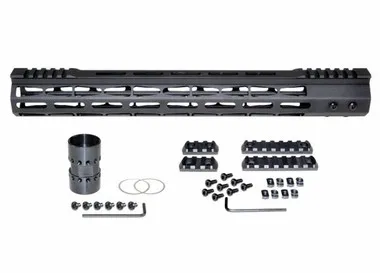
Our tested ar-15 buffers deliver consistent performance across gas systems and barrel lengths. When combined with proven components like a lightweight rail and quality ar grip, you’ll notice smoother cycling and better control. Use our Optics Factory coupon code to save 10% on buffer kits and complete your build without breaking your budget.
Understanding how different buffer weights perform transforms your shooting experience. Start with an H or H2 buffer for most applications, then fine-tune based on your rifle’s feedback. The right buffer reduces wear, extends component life, and makes every shot more enjoyable.
Questions
What is the difference between H, H2, and H3 buffers?
H buffers weigh approximately 3.8 oz, H2 buffers weigh around 4.7 oz, and H3 buffers weigh roughly 5.4 oz. The added tungsten weights slow bolt carrier velocity, with heavier buffers suited for overgassed or suppressed rifles.
Can I use an H3 buffer on a rifle-length gas system?
An H3 buffer is typically too heavy for rifle-length gas systems and may cause short-stroking or failures to eject. Stick with carbine or H buffers unless you're running a suppressor or very hot ammunition.
How often should I replace my AR-15 buffer spring?
Replace your buffer spring every 5,000 to 10,000 rounds or whenever you notice inconsistent cycling, failures to lock back, or visible spring set. Worn springs compromise reliability and can damage other components.
Will a heavier buffer reduce my AR-15 recoil?
Yes, heavier buffers slow the bolt carrier group and spread recoil impulse over a longer period, reducing the sharp snap many shooters experience. An H2 or H3 buffer noticeably smooths recoil on carbine-gas rifles.
Do I need a special spring for an H2 or H3 buffer?
Most standard carbine springs work with H2 buffers, but H3 buffers often benefit from extra-power springs rated for 35 to 40 pounds of resistance. Match your spring to your buffer weight and gas system for reliable cycling.
Can ar-15 buffers fix ejection problems?
Yes, switching to a heavier buffer often corrects overgassing issues that cause erratic ejection, brass damage, or bolt bounce. If your rifle ejects brass violently or inconsistently, try an H or H2 buffer before adjusting your gas block.
Products in this guide
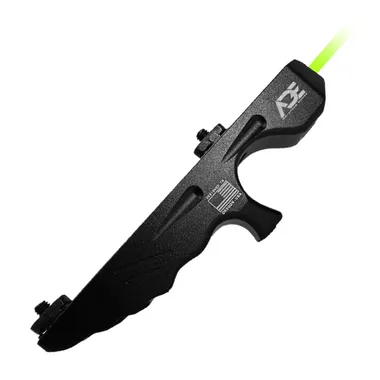
 Shopping at Optics Factory? See the coupon code
10% OFF All Orders
Shopping at Optics Factory? See the coupon code
10% OFF All Orders
More in this series
What Is an AR-15 Hand Stop and Do You Need One?21 Aug 20266 min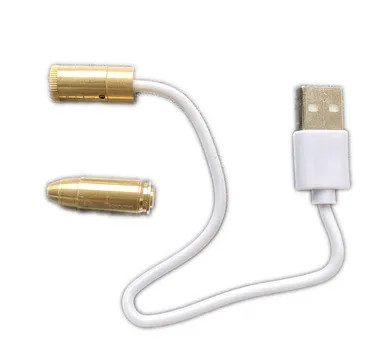 Using a Laser Bore Sight: Complete Setup Guide for 9mm Firearms21 Aug 20265 min
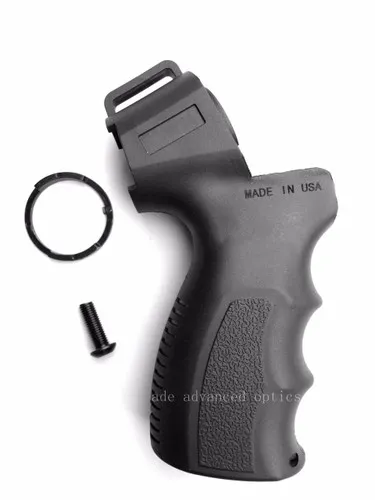 Best Upgrades for the Mossberg 500: Pistol Grip vs Folding Stock21 Aug 20264 minM-LOK vs Picatinny: Which Rail System Is Right for Your AR Build?21 Aug 20266 minHow to Install a Featureless Fin Grip on Your California AR-1521 Aug 20265 min