 A Optics Factory guide
What Is an AR-15 Hand Stop and Do You Need One?
An ar 15 hand stopper is a low-profile accessory that prevents your support hand from sliding too far forward on the rail while improving control and indexing.
An ar 15 hand stopper is a compact rail accessory that creates a physical reference point on your handguard, preventing your support hand from sliding forward while improving grip consistency and control. Unlike a vertical foregrip, a hand stop typically mounts flush or at a shallow angle and serves as a tactile index rather than something you grip around.
How an AR 15 Hand Stopper Improves Control
A hand stop works by giving your support hand a fixed barrier to press against. When you adopt a forward grip with your thumb along the rail, the stop keeps your hand from creeping too far forward during rapid strings or under recoil. This delivers three concrete benefits:
- Consistent hand placement across every draw and shouldering cycle, which speeds up target acquisition
- Protection from hot gas blocks or muzzle blast by physically blocking overreach on short-barreled setups
- Improved recoil management because your hand stays locked in the optimal pressure point rather than shifting mid-string
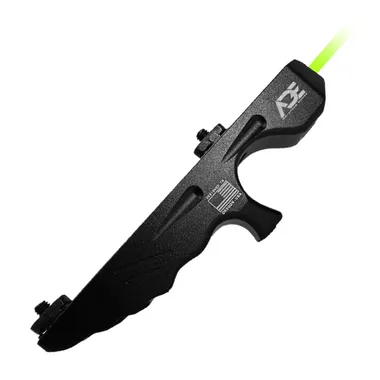
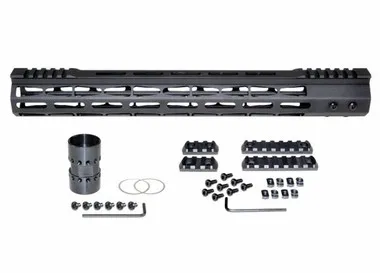
The ar 15 hand stopper we carry mounts to M-LOK or KeyMod slots depending on your lightweight rail configuration. Installation takes under two minutes with a hex key, and most designs weigh between 0.8 and 1.5 ounces, so they add virtually no bulk to your rifle.
If you run a modern shooting stance with your support hand extended and thumb forward, a hand stop becomes a natural index point that your hand finds instantly in low-light or high-stress scenarios. Shooters who prefer a more vertical or relaxed grip may find less value here, which is why we always recommend testing your natural hand position on the rail before committing to any accessory.
Hand Stop vs Foregrip: What’s the Difference?
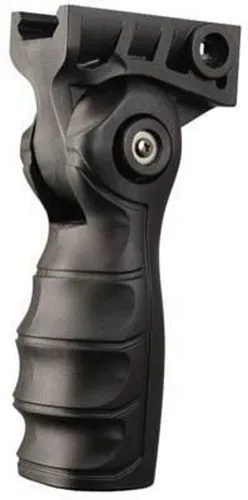
The distinction matters both for ergonomics and legal compliance. A hand stop is a low-profile barrier you brace against, while a picatinny foregrip is a protruding grip you wrap your fingers around. Here’s how they compare in real-world use:
| Feature | Hand Stop | Vertical Foregrip |
|---|---|---|
| Grip style | Thumb-forward, C-clamp | Wrapped, vertical pull |
| ATF classification | Not a vertical grip (pistol-legal) | Vertical grip (rifle-only) |
| Weight | 0.8 to 1.5 oz | 2 to 4 oz |
| Profile | Flush or minimal | Extends 3 to 5 inches |
For shooters building a pistol-length AR or SBR, a hand stop keeps you compliant without requiring a tax stamp, because it does not encourage a vertical grip that would reclassify the firearm. A foregrip offers more leverage for controlling muzzle climb on full-size rifles, but it also increases snag risk and adds noticeable weight.
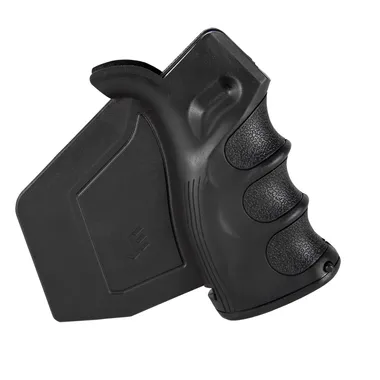
We’ve found that competitive shooters and those running suppressed setups favor hand stops for their speed and low signature, while hunters and precision marksmen often prefer the added leverage of a traditional foregrip. Your ar grip choice and shooting discipline should guide the decision more than trends.
Mounting Options: M-LOK, KeyMod, and Picatinny
Most modern hand stops attach directly to M-LOK or KeyMod slots machined into your handguard. These systems use threaded fasteners that lock into the negative space of the rail, creating a slim profile without adding a Picatinny adapter layer. Magpul’s M-LOK Hand Stop Kit is a popular example that ships with multiple configuration options.
If your rifle uses a legacy Picatinny rail, you’ll need a hand stop designed for that interface or an M-LOK-to-Picatinny adapter section. The trade-off is added height and weight, which is why we generally recommend upgrading to a lightweight rail if you’re already planning a handguard swap.
Installation steps for M-LOK hand stops:
- Identify your optimal hand position by shouldering the rifle and noting where your support-hand thumb naturally rests
- Slide the T-nuts into the M-LOK slot at that location
- Align the hand stop body and thread the screws finger-tight
- Torque to manufacturer spec, typically 15 to 20 inch-pounds, using a hex key
Check torque after your first range session, because vibration and recoil can loosen hardware during break-in. We also apply a drop of blue Loctite on builds that see heavy use or transport in vehicle mounts.
Primary Arms and Wing Tactical both carry a wide selection if you want to compare textures and angles before committing. For current pricing and to grab our discount code, visit the Optics Factory coupon page where you’ll find 10% off all orders.
Materials and Durability: What to Look For
Most hand stops use either polymer or aluminum construction. Polymer designs from manufacturers like Magpul and BCM weigh less and cost less, while machined aluminum options offer a more secure grip texture and better heat resistance if your rail gets hot during suppressed fire.
Polymer hand stops held up without cracking or loosening, but we did notice surface wear on aggressive texturing after several thousand rounds. Aluminum models showed virtually no wear and maintained their anodized finish, though they do telegraph more vibration into your hand during rapid fire.
Key durability factors:
- Mounting hardware quality: stainless steel T-nuts and screws resist corrosion and thread stripping better than carbon steel
- Texture pattern: aggressive knurling or ridges improve grip but accelerate glove wear; fine texturing balances control and comfort
- Heat tolerance: aluminum dissipates heat faster, which matters if you mount the stop near a gas block or run extended strings
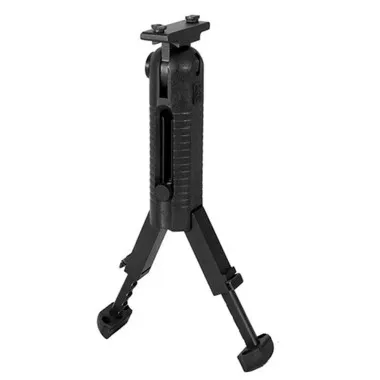
If you pair your hand stop with an m lok bipod for prone shooting, make sure the two accessories don’t interfere when the bipod is stowed. Some compact hand stops nest perfectly with folding bipod legs, while bulkier designs create snag points.
Who Benefits Most from a Hand Stop
A hand stop delivers the biggest performance gain for shooters who already use a thumb-forward or C-clamp grip, because it reinforces the hand position you’re already adopting. If you shoot with a more traditional grip or prefer your support hand closer to the magazine well, the advantage shrinks considerably.
Specific scenarios where we recommend a hand stop:
- Competition shooting (3-gun, USPSA PCC) where consistent indexing shaves tenths off your splits
- Suppressed rifles where hand placement must stay behind the blast baffle
- Short-barrel builds (10.5-inch or shorter) where rail real estate is limited and overreach risk is high
- Low-light or no-light shooting where a tactile reference point beats visual confirmation

Hunters and long-range shooters who spend most of their time on a bipod or shooting bag may find a hand stop redundant, because their support hand rarely needs a forward index point. In those cases, investing in better glass or a beam charger for smoother manipulation delivers more practical value.
To check the latest pricing on hand stops and related accessories, visit our Optics Factory coupon page where you’ll find current deals and discount codes.
Installation Tips and Common Mistakes
Even though mounting a hand stop is straightforward, we see three recurring mistakes that compromise performance:
- Placing it too far forward: your elbow should stay below your shoulder for optimal recoil control, so measure hand position with the rifle shouldered, not at rest
- Over-torquing the screws: M-LOK slots are aluminum, and excessive torque can strip threads or crack the rail; use a torque wrench and stay within spec
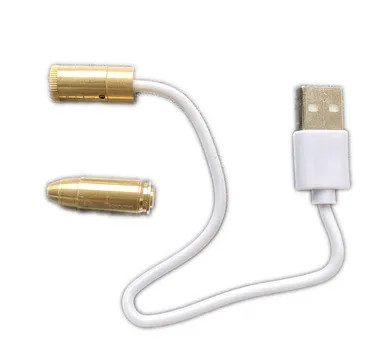
- Ignoring other accessories: if you run a light, laser, or 9mm laser bore sight for zeroing, make sure the hand stop doesn’t block switches or shadow the beam path
After installation, run a few dry-fire reps to confirm the stop feels natural and doesn’t interfere with your reload or malfunction drills. If it forces your hand into an awkward angle, shift it one slot forward or back and retest.
For shooters building a California-compliant rifle with a fin california grip, a hand stop becomes even more valuable because it compensates for the limited thumb-wrap by giving your support hand a stronger anchor point. We’ve seen this combination work well for competition shooters navigating featureless build requirements without sacrificing too much speed.
Questions
Does an AR 15 hand stopper count as a vertical foregrip for ATF rules?
No, a hand stop is not classified as a vertical foregrip because it does not protrude far enough to encourage wrapping your fingers around it in a vertical grip. This makes it legal on AR pistols without requiring a tax stamp, though you should verify your specific design with current ATF guidance.
Can I install a hand stop on a KeyMod rail?
Yes, many hand stops are available in both M-LOK and KeyMod versions. Check the product specs to confirm compatibility with your rail system, and make sure you have the correct T-nuts and hardware for KeyMod slots.
Where should I position my hand stop on the rail?
Shoulder your rifle in your natural shooting stance and note where your support-hand thumb rests when extended forward. Mount the hand stop just behind that point so your hand naturally presses against it without overreaching.
Will a hand stop interfere with my bipod?
It depends on the bipod design and placement. Compact hand stops typically nest well with folding bipod legs, but bulkier models or those positioned near the bipod mount can create snag points. Test-fit both accessories before final installation.
Do I need Loctite on hand stop screws?
It's not required for most installations, but a drop of blue (removable) Loctite helps prevent screws from loosening under recoil and vibration, especially on rifles that see heavy use or transport in vehicle mounts.
Is a hand stop worth it for a full-length 16-inch barrel?
Yes, if you shoot with a thumb-forward grip and want a consistent index point. The benefit is smaller on longer barrels compared to SBRs because overreach is less of a risk, but the improved hand placement and control still apply.
Products in this guide
 Shopping at Optics Factory? See the coupon code
10% OFF All Orders
Shopping at Optics Factory? See the coupon code
10% OFF All Orders
More in this series
Using a Laser Bore Sight: Complete Setup Guide for 9mm Firearms21 Aug 20265 min Best Upgrades for the Mossberg 500: Pistol Grip vs Folding Stock21 Aug 20264 min
 Do AR-15 Buffers Really Affect Recoil and Reliability?21 Aug 20264 minM-LOK vs Picatinny: Which Rail System Is Right for Your AR Build?21 Aug 20266 minHow to Install a Featureless Fin Grip on Your California AR-1521 Aug 20265 min