 A Yandan Hanfu guide
What to Look for When Buying Your First Women’s Hanfu: Fabric, Fit, and Authenticity
Hanfu women need to evaluate fabric weight, construction quality, dynasty-specific silhouettes, and seller authenticity before making their first purchase.
What Makes Quality Hanfu Women’s Clothing Worth the Investment
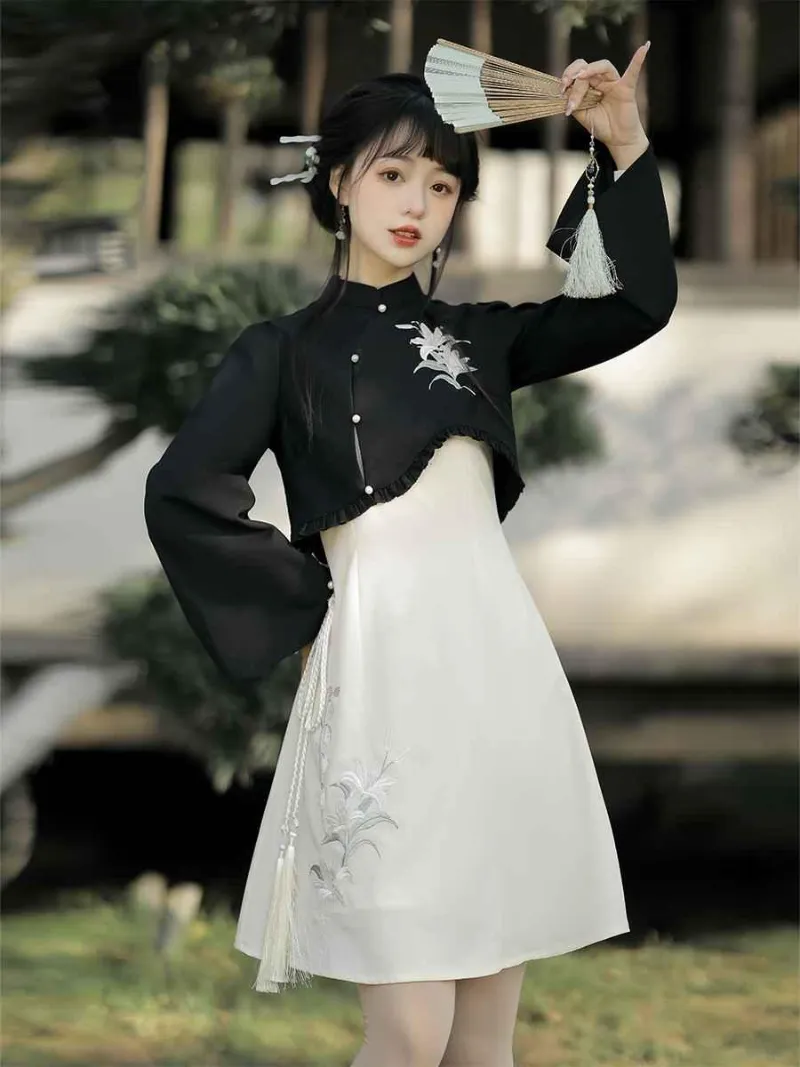
Hanfu women should prioritize three elements when shopping for their first piece: natural fabric composition, dynasty-accurate construction, and proportional fit for their body type. Unlike fast-fashion chinese fashion knock-offs, authentic Hanfu follows historical silhouettes from dynasties spanning two millennia, with specific collar styles, sleeve shapes, and layering systems that distinguish a Ming-era jacket from tang dynasty clothing.
The hanfu revival movement has flooded the market with options ranging from screen-accurate reproductions to modern fusion pieces. Before you commit to a purchase, understanding what differentiates a well-made hanfu dress traditional piece from a theatrical costume will save you money and disappointment.
Fabric Quality: What Separates Authentic Materials from Synthetic Shortcuts
Natural fibers define authentic hanfu construction. We recommend prioritizing these materials:
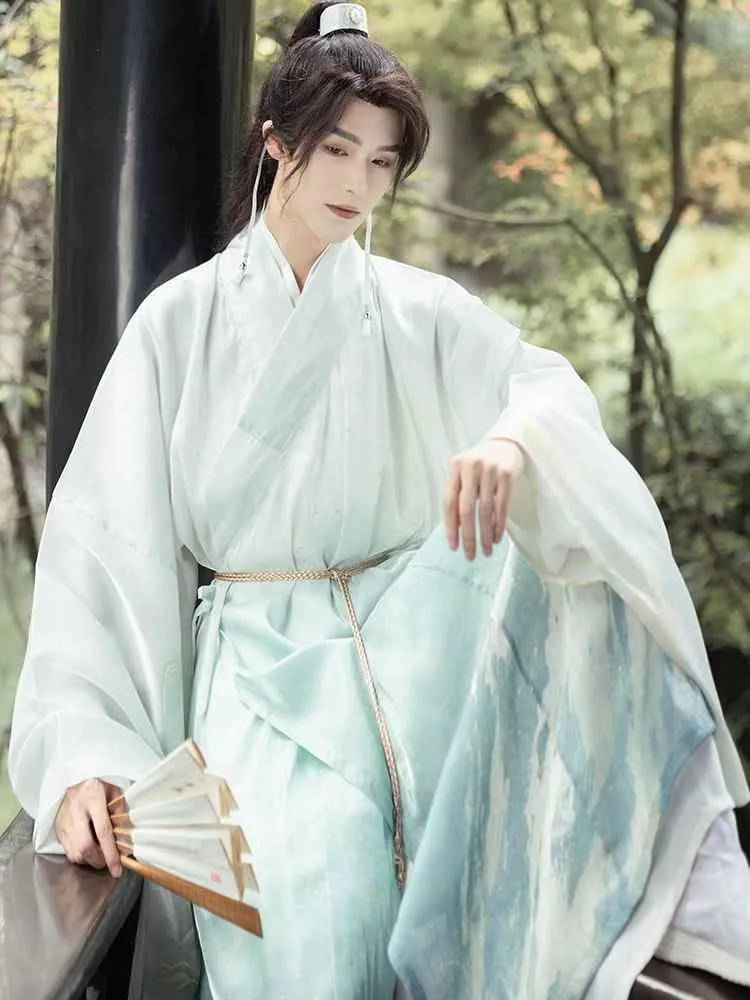
- Silk: The gold standard for formal hanfu, with crepe de chine and habotai offering drape without excessive weight. Expect 12-16 momme for everyday wear and 19+ momme for ceremonial pieces.
- Cotton and linen blends: Ideal for warmer months and casual wear, particularly in white hanfu shirt styles that layer under robes.
- Brocade and jacquard weaves: Reserved for outer robes and formal occasions, featuring woven (not printed) patterns that add structure.
Avoid polyester-dominant blends marketed as “easy care” hanfu. They trap heat, generate static, and lack the fluid movement that makes hanfu silhouettes work. When reviewing product pages, look for fiber content listings. If a seller omits material details entirely, that’s a red flag.
Quality dyes should not bleed, even on deep reds and indigos. Check the latest pricing on natural-fiber options before settling for synthetic alternatives.
Understanding Dynasty-Specific Cuts and Silhouettes
Types of hanfu female styles vary dramatically by historical period, and mixing elements from different eras creates a costume rather than a cohesive outfit. Here’s how the major categories differ:
| Dynasty Period | Key Features | Best For |
|---|---|---|
| Han & Tang | Cross-collar robes, wide sleeves, high waistlines | Flowing, dramatic everyday wear |
| Song | Narrow sleeves, Song pants, wrapped tops | Understated elegance, practical movement |
| Ming | Standing collars (optional), mamian skirts, slimmer cuts | Structured formal looks, photo shoots |
The hanfu top women typically start with is a cross-collar jacket (duijin or jiaoling) paired with a pleated or wrap skirt. This combination works across dynasties with minor adjustments to collar width and sleeve length. If you’re drawn to warrior aesthetics, hanfu female warrior styles borrow from Tang-era riding robes with fitted sleeves and split skirts for mobility.
Avoid sellers who mix a Ming collar with Tang sleeves or pair Song-style tops with generic costume skirts. These Frankenstein combinations signal a vendor prioritizing aesthetics over cultural accuracy. For context on historical accuracy, this guide to traditional Chinese clothing breaks down dynasty differences in detail.
Fit and Sizing: How Hanfu Should Sit on Your Frame
Hanfu sizing diverges sharply from Western measurements. Most authentic pieces use adjustable ties rather than zippers, but the shoulder width, sleeve length, and overall proportion still need to suit your frame.
Measure these points before ordering:
- Shoulder width (seam to seam across your back)
- Sleeve length from shoulder to wrist with arm slightly bent
- Natural waist circumference for skirt placement
- Height for robe and skirt lengths
Hanfu women dress styles typically feature high waistlines that sit just below the bust, elongating the silhouette. If you have a shorter torso, look for adjustable waist ties that let you position the skirt higher. Taller individuals should verify that robes reach at least mid-calf to maintain proportions.
The hanfu dress female modern adaptations sometimes add elastic or hidden closures for convenience, which works for casual wear but compromises the drape. We prefer traditional tie closures because they accommodate fluctuations in weight and allow precise adjustment.
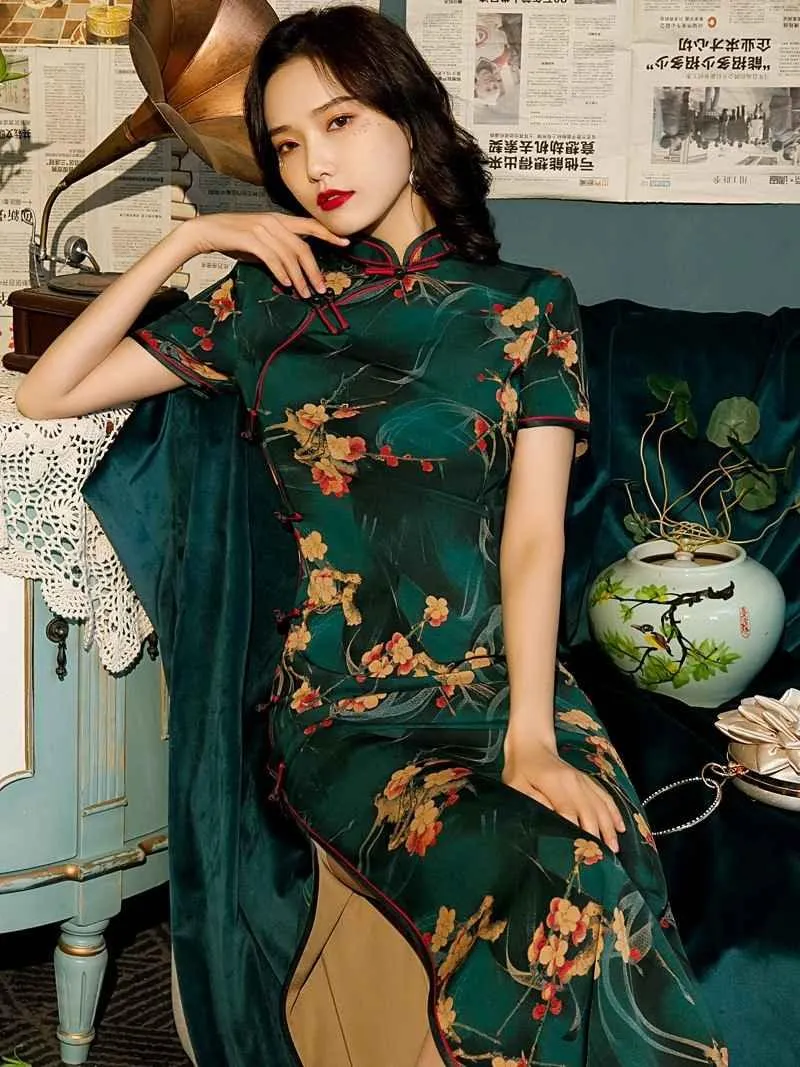
Unlike fitted garments such as qipao dress or korean hanbok styles, hanfu relies on layering and fabric volume. A slightly oversized fit is historically appropriate and more forgiving than tailored pieces. Grab the discount code to test sizing across multiple pieces without overspending.
Spotting Authentic Sellers vs. Costume Retailers
The explosion of hanfu interest has attracted vendors selling Halloween-grade costumes alongside legitimate traditional wear. Here’s how to vet sellers:
- Construction photos: Authentic retailers show seam details, lining, and closure mechanisms. Costume shops rely on heavily filtered studio shots.
- Material transparency: Reputable sellers list fiber content, weight, and care instructions. Vague descriptions like “premium fabric” signal low quality.
- Historical references: Quality vendors cite dynasty periods and garment names (ruqun, beizi, aoqun). Generic terms like “Chinese princess dress” indicate costume orientation.
- Return and customization policies: Because hanfu often requires minor alterations, good sellers offer customization for height and measurements.
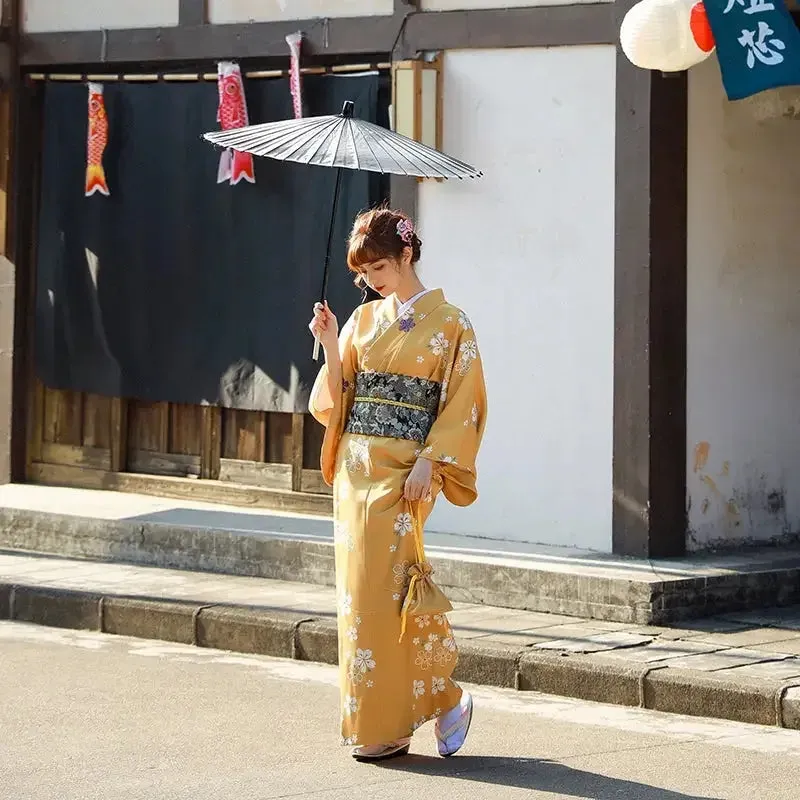
Cross-reference seller inventories too. A shop that only stocks hanfu alongside unrelated kimono dress and generic japanese dress items is likely dropshipping costumes rather than curating traditional wear. Specialists who focus exclusively on Chinese historical clothing demonstrate deeper expertise.
Compare your options against this curated list of quality hanfu clothing to calibrate your expectations for construction and pricing.
Care and Longevity: Making Your Investment Last
Natural-fiber hanfu requires more care than polyester costumes but rewards you with years of wear. Follow these protocols:
- Hand wash or delicate cycle: Silk and brocade pieces need cool water and pH-neutral detergent. Never wring or twist.
- Air dry flat or hanging: Avoid direct sunlight, which fades natural dyes. Steam wrinkles rather than ironing directly on silk.
- Store with breathing room: Fold along natural seam lines and wrap in cotton cloth. Avoid plastic bags that trap moisture.
Invest in garment bags for formal pieces and cedar blocks to deter moths. The wide sleeves and long robes benefit from padded hangers that distribute weight without stretching shoulder seams.
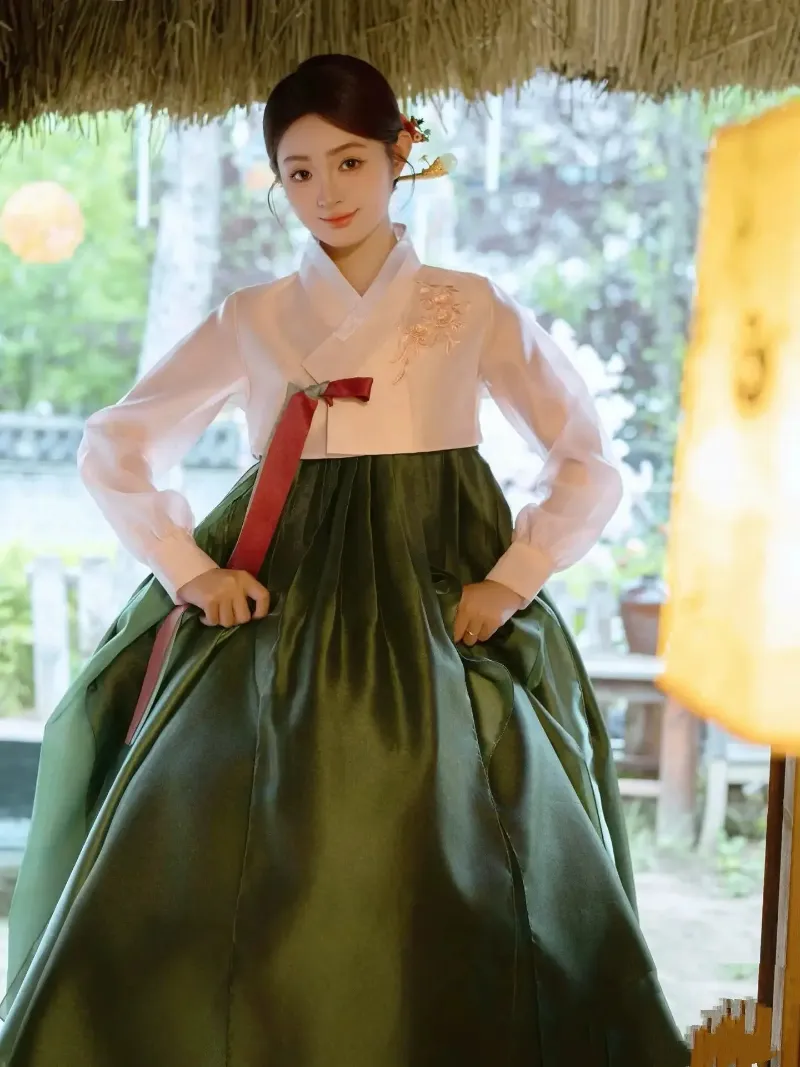
If you’re building a wardrobe that spans casual korea wear and formal hanfu, prioritize versatile base layers like cotton underrobes and detachable collars. These pieces extend outfit combinations without requiring a full closet overhaul.
Building Your First Hanfu Wardrobe on a Budget
Start with a three-piece foundation: a cross-collar top, a wrap or pleated skirt, and a simple outer robe. This combination adapts across casual and semi-formal contexts with accessory changes.
Budget allocation we recommend:
- 40% on a quality outer robe or jacket in silk or cotton blend
- 30% on a versatile skirt with adjustable waist ties
- 20% on an inner layer or white hanfu shirt
- 10% on accessories like belts, hairpins, or complementary items such as fuji water earrings for a cohesive look
Avoid “complete sets” that bundle low-quality pieces. You’ll outgrow or replace them quickly. Instead, buy fewer items in better materials and add layers as you refine your style preferences.
For those exploring other traditional Asian garments, compare construction techniques across korean wedding dress and hanfu male styles to understand how different cultures approach formal wear. The overlap in natural fibers and hand-finishing techniques reinforces what to look for in quality craftsmanship.
The fabric weight, dye quality, and construction hold up through repeated wear, making cost-per-wear significantly lower over time.
Questions
What fabric should I choose for my first hanfu women's outfit?
Start with cotton or cotton-linen blends for everyday wear. They're breathable, easy to care for, and more affordable than silk while still offering authentic drape and movement. Reserve silk and brocade for formal pieces once you're familiar with hanfu care requirements.
How do I know if a hanfu seller is authentic or just selling costumes?
Authentic sellers list specific dynasty periods, garment names, fiber content, and show detailed construction photos including seams and linings. Costume retailers use vague terms like 'princess dress' and omit material details. Check if the shop specializes in Chinese traditional wear rather than mixing random Asian costumes.
Can I machine wash my hanfu or does it need special care?
Cotton hanfu can handle delicate machine cycles with cool water, but silk and brocade require hand washing. Always use pH-neutral detergent, air dry flat or hanging away from direct sunlight, and steam wrinkles instead of ironing directly on delicate fabrics.
What's the difference between hanfu and qipao for formal occasions?
Hanfu follows ancient dynasty silhouettes with loose, layered construction and tie closures, while qipao features a fitted, tailored body with side slits and originated in the 1920s. Hanfu works for cultural events and historical appreciation; qipao suits modern formal occasions with a vintage aesthetic.
Should hanfu fit loosely or can I buy a tailored size?
Hanfu is designed to fit loosely with adjustable tie closures rather than zippers or buttons. Focus on correct shoulder width and sleeve length, then use the waist ties to position the skirt at the right height. A slightly oversized fit is historically accurate and more comfortable than tailored pieces.
How much should I budget for a quality hanfu women's starter set?
Expect to spend more on your outer robe or jacket in natural fibers, then allocate smaller portions to a versatile skirt and inner layer. Avoid cheap complete sets that bundle low-quality pieces. One well-made item in silk or cotton blend will outlast three budget alternatives.
Products in this guide
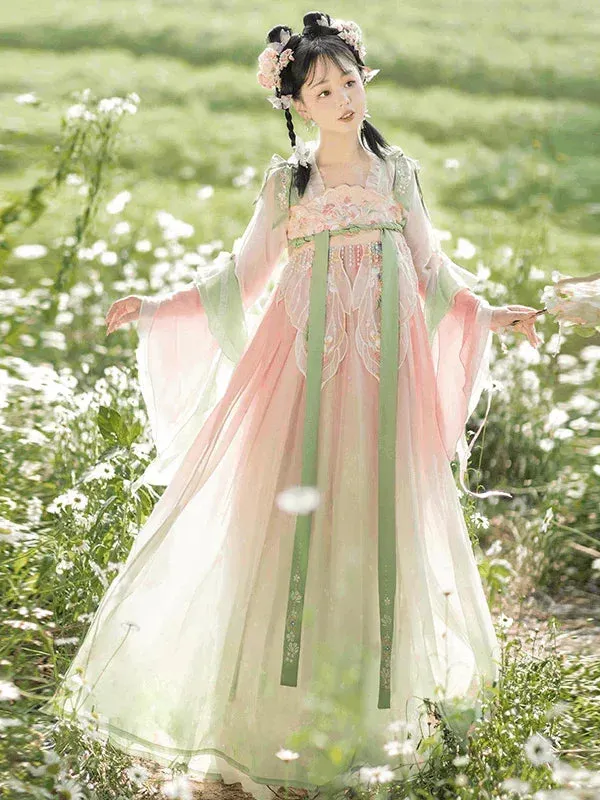
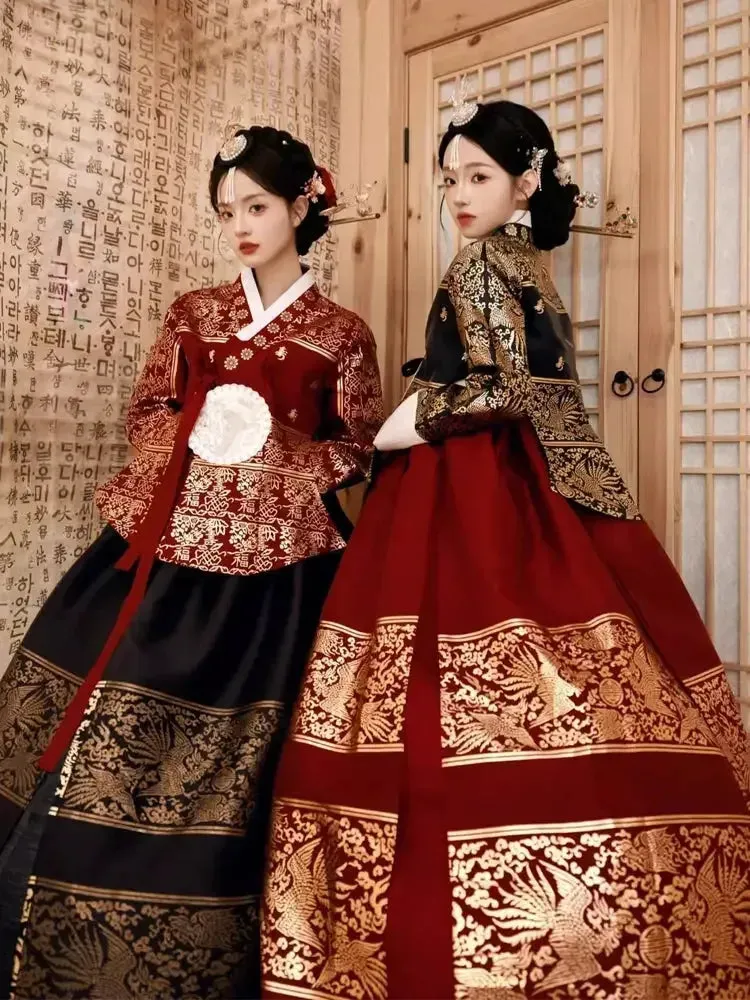
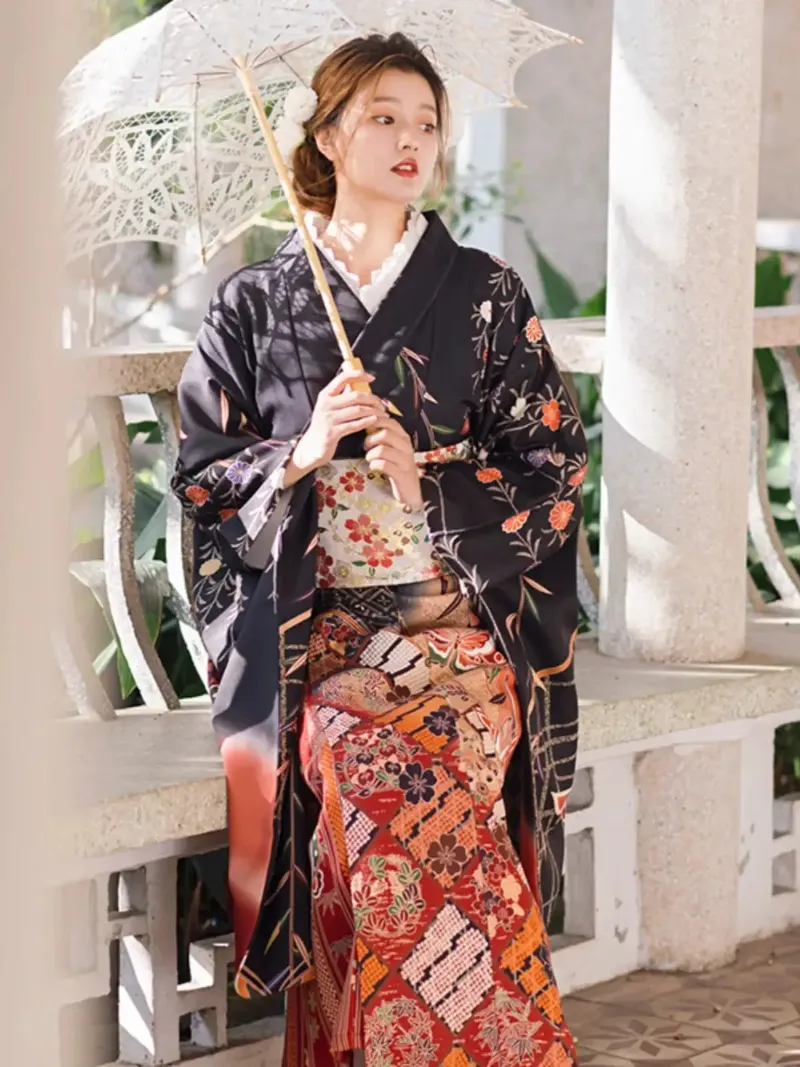 Shopping at Yandan Hanfu? See the discount code
5% OFF All Orders
Shopping at Yandan Hanfu? See the discount code
5% OFF All Orders
More in this series
The Complete Guide to Korean Wedding Traditions: From Hanbok to Wedding Ducks19 Aug 20266 minCan You Wash Tang Dynasty Clothing at Home Without Damaging the Embroidery?19 Aug 20265 minDo Hanfu Shoes Work with Contemporary Outfits? A Practical Styling Guide19 Aug 20265 minHanfu vs Kimono vs Hanbok: Which Traditional Asian Dress Is Right for You?19 Aug 20266 minHow to Style a Qipao Dress for Modern Weddings and Formal Events19 Aug 20265 min