 A Yandan Hanfu guide
Can You Wash Tang Dynasty Clothing at Home Without Damaging the Embroidery?
You can wash tang dynasty clothing at home if you use gentle hand-washing techniques and avoid harsh agitation that damages delicate embroidery.
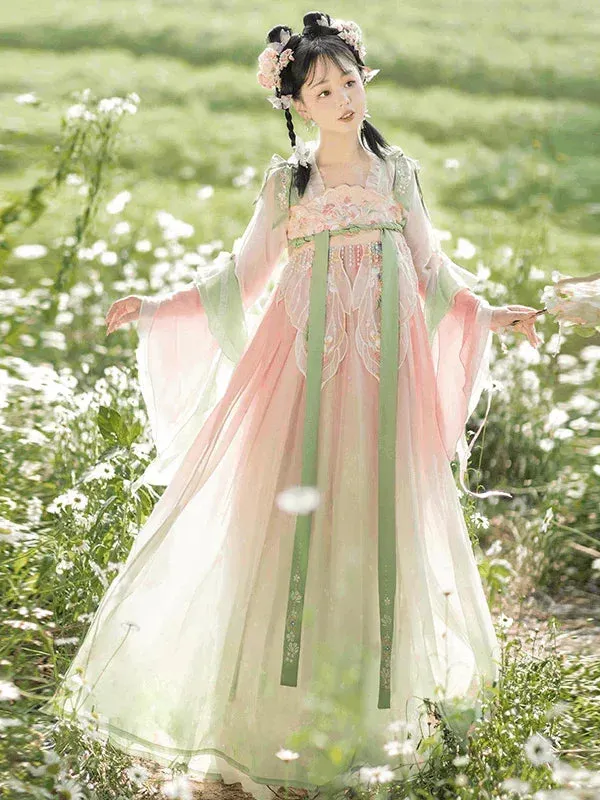
Yes, you can wash tang dynasty clothing at home without damaging the embroidery if you follow careful hand-washing methods and avoid machine agitation. Most authentic tang dynasty clothing features intricate silk embroidery and delicate fabrics that require gentle care, but with the right approach you’ll keep your garments looking pristine for years.
Whether you own a single ceremonial piece or an entire collection of chinese fashion garments, understanding the proper care routine will save you expensive dry-cleaning bills while protecting your investment.
Understanding Tang Dynasty Clothing Materials and Construction
Before you wash any piece, you need to identify what you’re working with. Tang dynasty clothing for sale today typically uses silk, silk blends, polyester brocade, or cotton depending on the price point and authenticity level. The embroidery itself may be machine-stitched or hand-embroidered, which affects how much stress it can handle during washing.
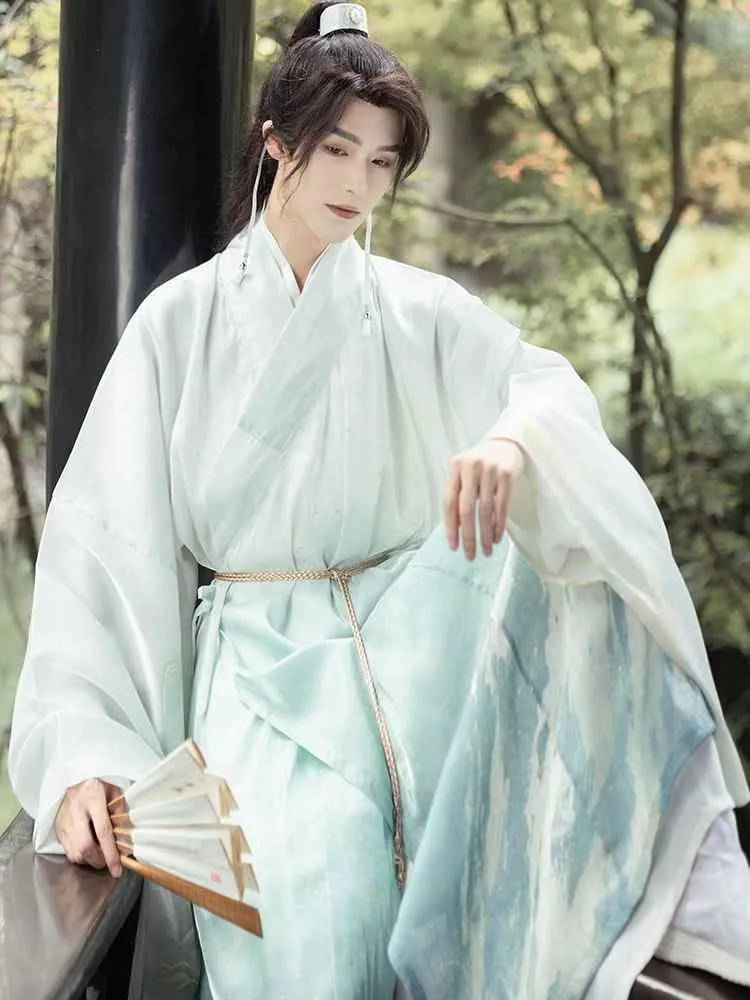
Check the garment label or product description first. High-quality pieces often specify fabric content and care instructions. If you bought your hanfu male or female garment from a reputable seller, grab the code for future purchases and review any care documentation that came with your order.
Key fabric types you’ll encounter:
- Pure silk: requires cold water and minimal agitation
- Silk-polyester blends: more durable but still needs gentle care
- Cotton hanfu: the most forgiving for home washing
- Brocade and jacquard: heavy fabrics that hold water and take longer to dry
The construction method matters too. Tang dynasty clothing history shows that traditional robes used hand-stitching and natural dyes, but modern reproductions often combine machine embroidery with synthetic threads that can withstand more handling.
Hand-Washing Technique That Protects Embroidery
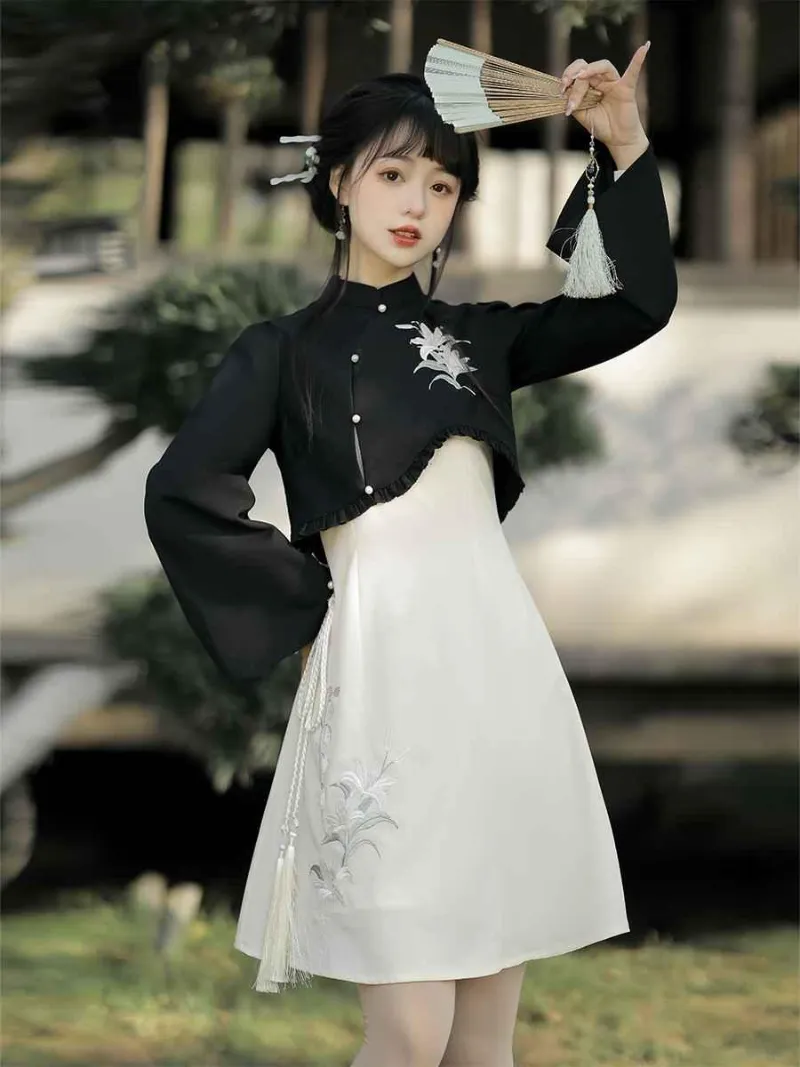
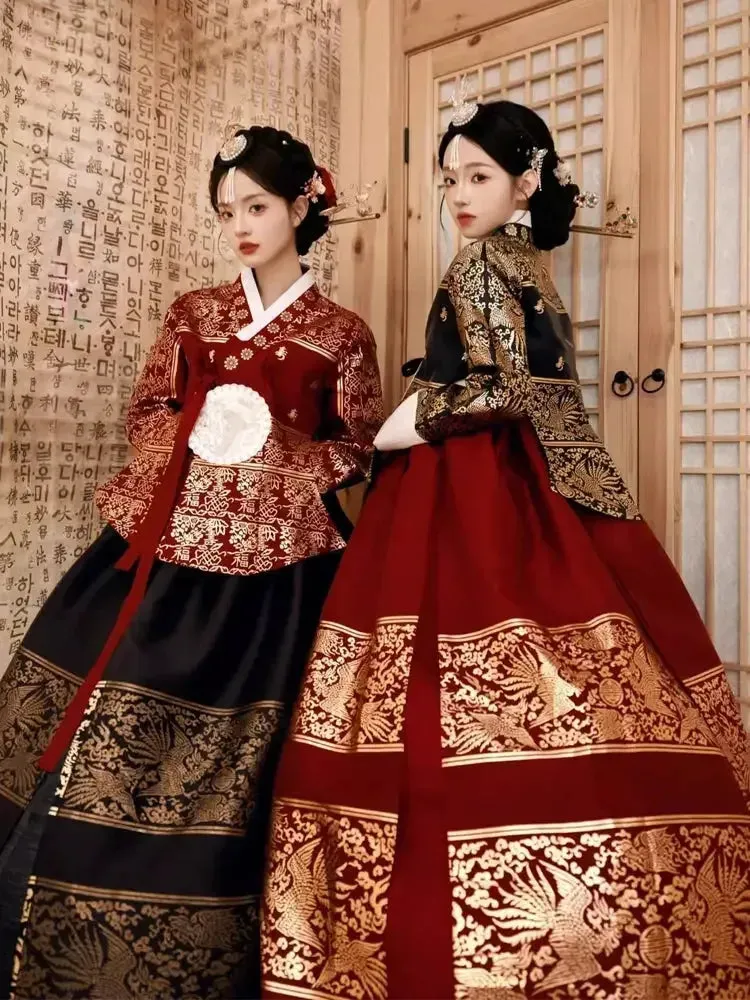
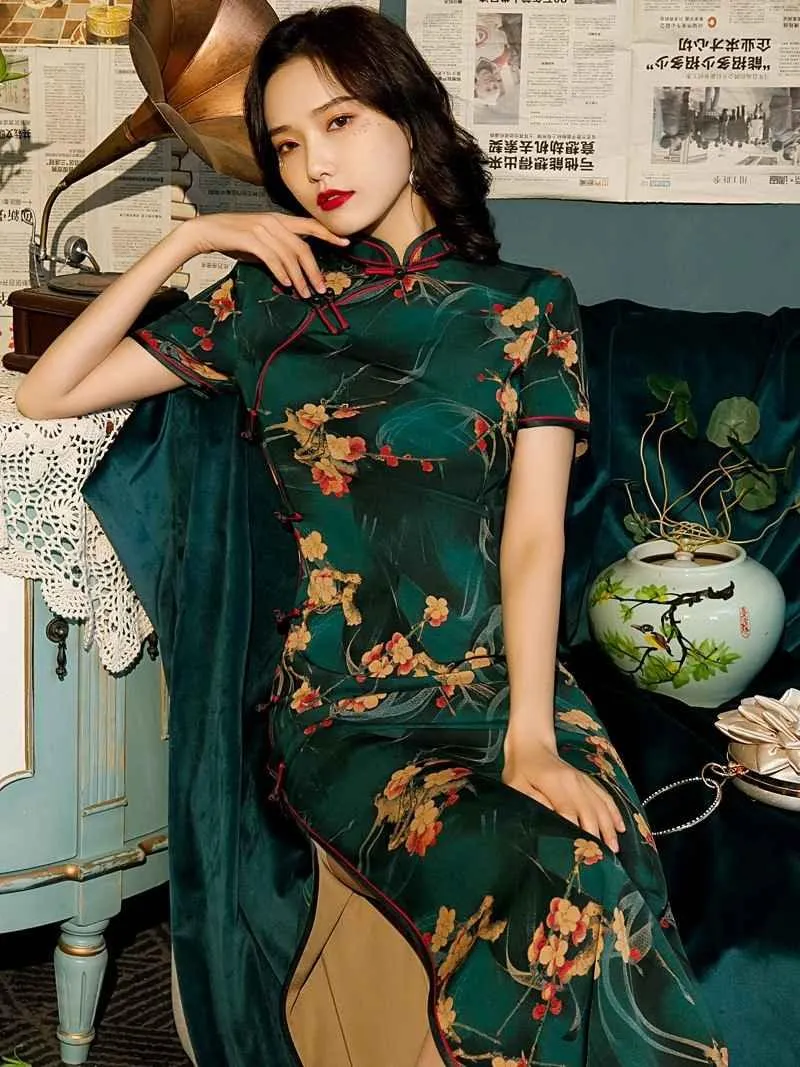
Hand-washing is the safest method for any embroidered garment, especially when working with chinese fashion pieces that feature dense needlework or metallic threads. We recommend this approach for both tang dynasty clothing male and female styles, as well as related items like korean hanbok or qipao dress garments with similar detailing.
Step-by-step washing process:
- Fill a clean basin or bathtub with cold or lukewarm water (never hot)
- Add a small amount of pH-neutral detergent designed for delicates or silk
- Submerge the garment and gently press the water through the fabric
- Let it soak for 10 to 15 minutes without agitation
- Lift and support the garment from underneath (never wring or twist)
- Drain the soapy water and refill with clean cold water for rinsing
- Repeat the rinse until no soap remains, usually 2 to 3 cycles
- Press excess water out gently by laying the garment flat on a clean towel
Never scrub embroidered areas directly. If you notice a stain, dab it gently with diluted detergent before the soak. For heavily embellished pieces like late tang dynasty clothing with gold thread or beadwork, consider spot-cleaning only the soiled areas rather than submerging the entire garment.
When to Avoid Home Washing
Some pieces genuinely need professional care, and recognizing them will save you from costly mistakes. If your garment has any of the following features, skip home washing and take it to a cleaner who specializes in vintage or costume textiles.
Take to a professional if:
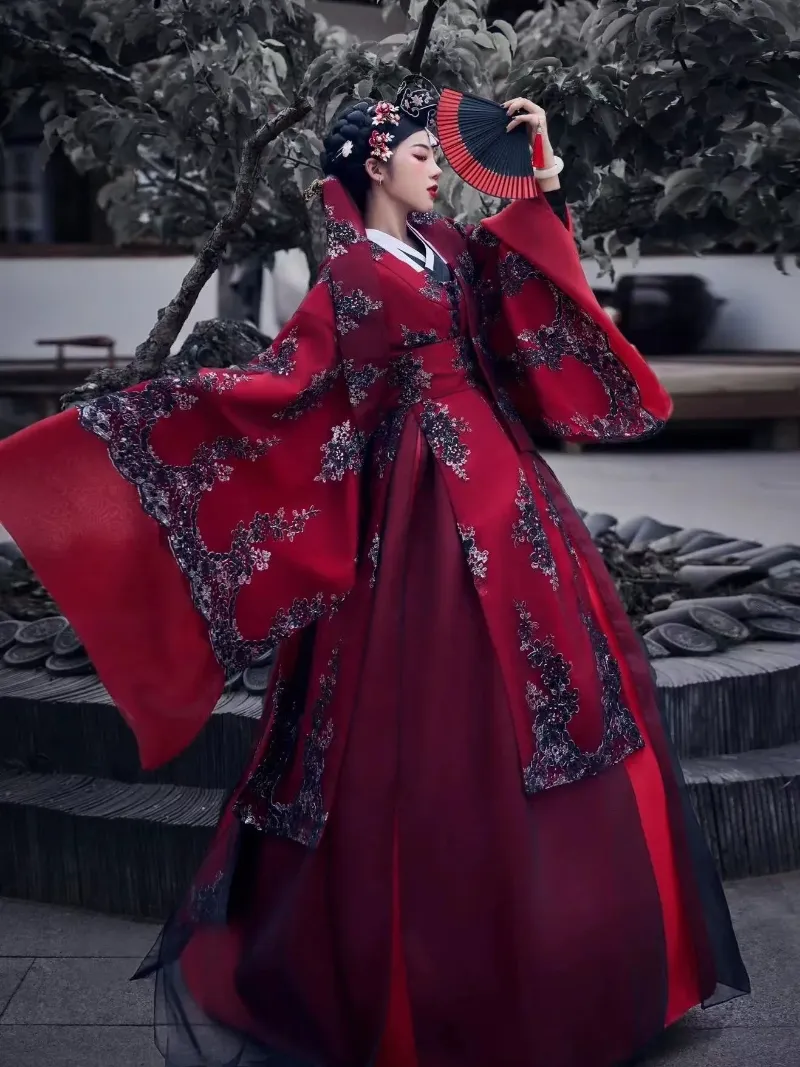
- The label explicitly states “dry clean only” and the fabric is pure silk
- Metallic threads or sequins cover large surface areas
- The dyes bleed noticeably when you test a hidden seam with a damp white cloth
- Structural elements like stiff collars or shaped sleeves could lose their form when wet
- The piece is a high-value ceremonial garment such as a korean wedding dress
We’ve found that everyday-wear items like a simple white hanfu shirt or basic tang dynasty clothing name styles (ruqun, beizi, banbi) tolerate home care much better than formal court robes. If you’re unsure about a specific piece, check the latest price and care recommendations from the seller before proceeding.
Comparing Care Methods for Different Hanfu Styles
Different historical styles and modern interpretations require slightly different approaches. Here’s how washing considerations change across popular categories:
| Garment Type | Fabric Common | Washing Method | Dry Time |
|---|---|---|---|
| Tang dynasty outer robe | Silk brocade | Hand-wash or dry clean | 24-48 hours flat |
| Song dynasty clothing | Cotton or linen blend | Hand-wash, gentle machine OK | 12-24 hours |
| Hanfu male everyday | Cotton or poly-cotton | Hand-wash preferred | 12-18 hours |
| Ming dynasty clothing | Heavy silk, metallic trim | Dry clean recommended | N/A |
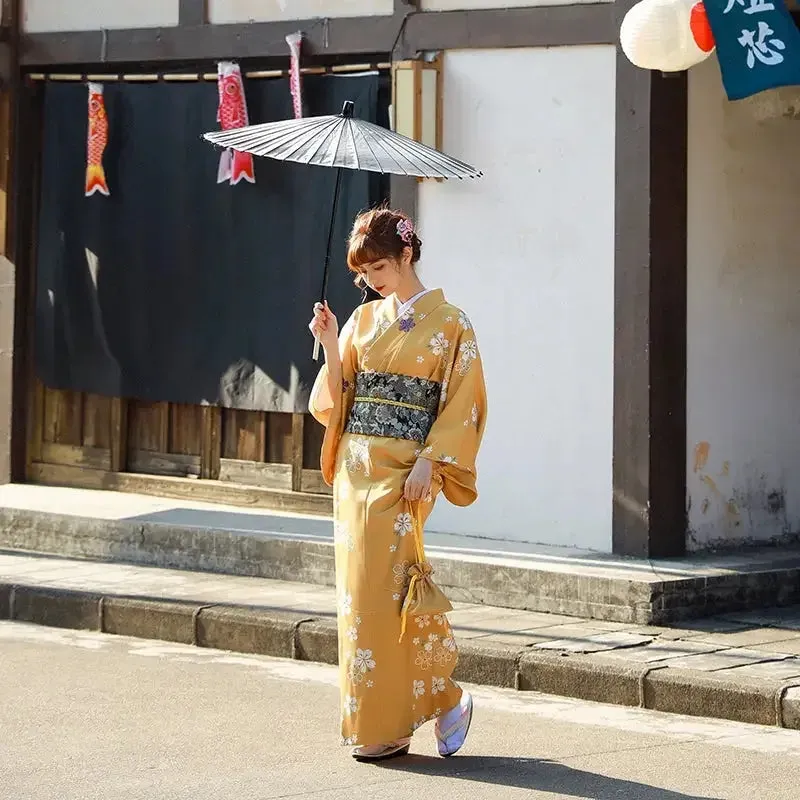
For shoppers exploring related Asian traditional wear, similar rules apply to kimono dress and japanese dress items. Korea wear like hanbok typically uses stiff fabrics that benefit from professional pressing after washing, while the softer drape of tang dynasty clothing female styles makes them slightly more forgiving.
According to historical textile experts, Tang Dynasty clothing was originally maintained by skilled servants who understood natural fiber care. Today’s reproductions use more durable materials, but the principle remains the same: minimal stress, maximum support during wet handling.
Drying and Storing After Washing
How you dry your garment matters as much as how you wash it. Improper drying causes stretching, color fading, and embroidery distortion that’s often irreversible.
Best drying practices:
- Lay the garment flat on a clean, dry towel away from direct sunlight
- Reshape sleeves, collars, and hems to their original position while damp
- Change the towel underneath if it becomes saturated
- Never hang wet tang dynasty clothing on a hanger (the weight of water stretches seams)
- Avoid radiators, dryers, and heat sources that can set wrinkles or fade dyes
Once completely dry, store your tang dynasty clothing in a breathable garment bag or wrap it in acid-free tissue. Avoid plastic bags that trap moisture and promote mildew, especially in humid climates.
For collectors who own multiple pieces, including accessories like fuji water earrings that complement traditional outfits, proper storage prevents the need for frequent washing. We’ve found that airing garments between wears and spot-cleaning minor marks extends the time between full washes significantly.
Quick Care Tips for Long-Term Preservation
Beyond washing, a few preventive habits will keep your tang dynasty clothing looking pristine and reduce how often you need to clean it.
Maintenance habits that work:
- Wear a thin cotton undergarment to absorb body oils and sweat
- Remove the garment promptly after events to prevent set-in perspiration stains
- Steam wrinkles instead of ironing directly on embroidery (use a pressing cloth if you must iron)
- Test any new detergent on an inside seam before using it on the visible fabric
- Schedule deep cleaning only once or twice per year for display pieces, more often for regular wear
The Hanfu revival has made traditional Chinese garments more accessible, but care knowledge hasn’t always kept pace with availability. Many sellers now include basic instructions, and you can often find updated care tips when you visit the store page for specific products.
Whether you’re preserving a single statement piece or building a wardrobe of song dynasty clothing, ming dynasty styles, and authentic tang era reproductions, home care is absolutely possible with patience and the right technique. The key is respecting the craftsmanship that goes into each garment and treating it with the same attention to detail that the maker invested during construction.
Questions
Can you machine wash tang dynasty clothing if you use a delicate cycle?
We don't recommend machine washing even on delicate cycles for authentic pieces with embroidery. The agitation and spinning can snag threads, distort fabric, and damage decorative elements. Hand-washing gives you complete control over pressure and movement.
How often should you wash tang dynasty clothing worn for special events?
Wash ceremonial pieces only when visibly soiled or after 3 to 4 wears. For garments worn once or twice per year, spot-clean stains and air the fabric thoroughly between uses. Overwashing accelerates fabric wear and color fading.
What detergent is safe for silk hanfu with gold embroidery?
Use a pH-neutral detergent specifically labeled for silk or delicates. Avoid products with enzymes, bleach, or brighteners that can tarnish metallic threads. Woolite and similar specialty formulas work well for most traditional garments.
Will washing remove the stiffness from new tang dynasty robes?
Yes, washing typically softens sizing and starch applied during manufacturing. If you want to maintain the crisp structure of outer robes, consider dry cleaning or avoid washing until absolutely necessary.
Can you use fabric softener on hanfu clothing?
No, skip fabric softener entirely. It leaves residue that can dull silk's natural sheen, attract dirt, and coat embroidery threads. Properly rinsed silk and cotton will feel soft naturally without additives.
Is it safe to wash tang dynasty male and female styles the same way?
Yes, the gender style doesn't affect washing technique. Focus on the fabric type and embroidery density instead. Male styles often use heavier fabrics but follow the same hand-wash principles as female garments.
Products in this guide
 Shopping at Yandan Hanfu? See the discount code
5% OFF All Orders
Shopping at Yandan Hanfu? See the discount code
5% OFF All Orders
More in this series
The Complete Guide to Korean Wedding Traditions: From Hanbok to Wedding Ducks19 Aug 20266 minWhat to Look for When Buying Your First Women’s Hanfu: Fabric, Fit, and Authenticity19 Aug 20265 minDo Hanfu Shoes Work with Contemporary Outfits? A Practical Styling Guide19 Aug 20265 minHanfu vs Kimono vs Hanbok: Which Traditional Asian Dress Is Right for You?19 Aug 20266 minHow to Style a Qipao Dress for Modern Weddings and Formal Events19 Aug 20265 min