 A Yandan Hanfu guide
Hanfu vs Kimono vs Hanbok: Which Traditional Asian Dress Is Right for You?
A kimono dress offers structured elegance, hanfu brings flowing grace, and hanbok delivers bold color—here's how to choose the traditional Asian dress that matches your style.
A kimono dress offers structured elegance with wide sleeves and wrap styling, hanfu brings flowing layers rooted in Chinese dynasties, and hanbok delivers bold silhouettes with high waistlines. Each traditional Asian dress carries distinct construction, cultural heritage, and modern styling potential, so your choice depends on the occasion, your body type, and how much movement you need.
Key Differences Between Kimono Dress, Hanfu, and Hanbok
Understanding the construction and cultural roots of each garment makes choosing easier.
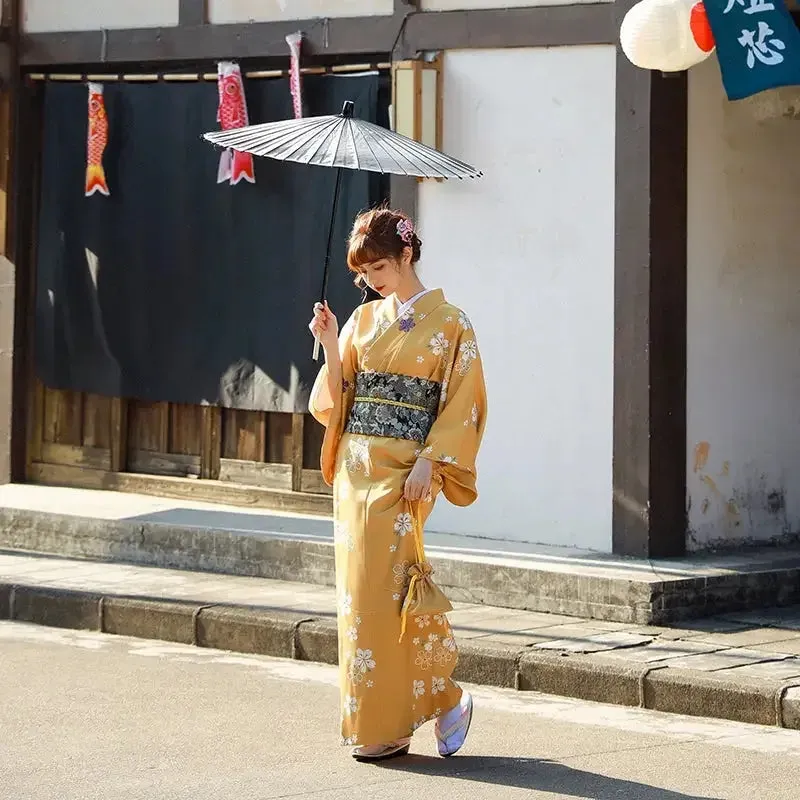
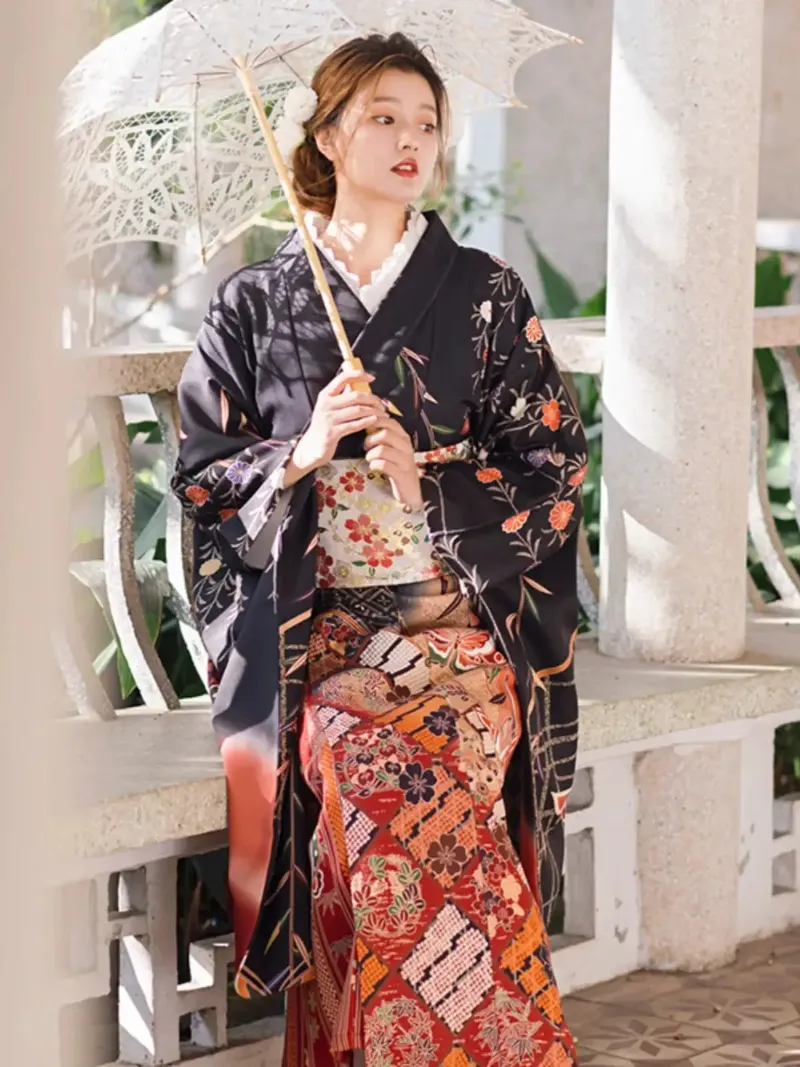
Kimono origins and structure The kimono dress wraps left over right and secures with an obi belt. Traditional versions use flat seams and rectangular panels, while modern kimono dress styles simplify closures with ties or hidden snaps. Sleeves vary from short contemporary cuts to floor-length furisode for formal events. Most japanese dress designs feature seasonal motifs like cherry blossoms or cranes.
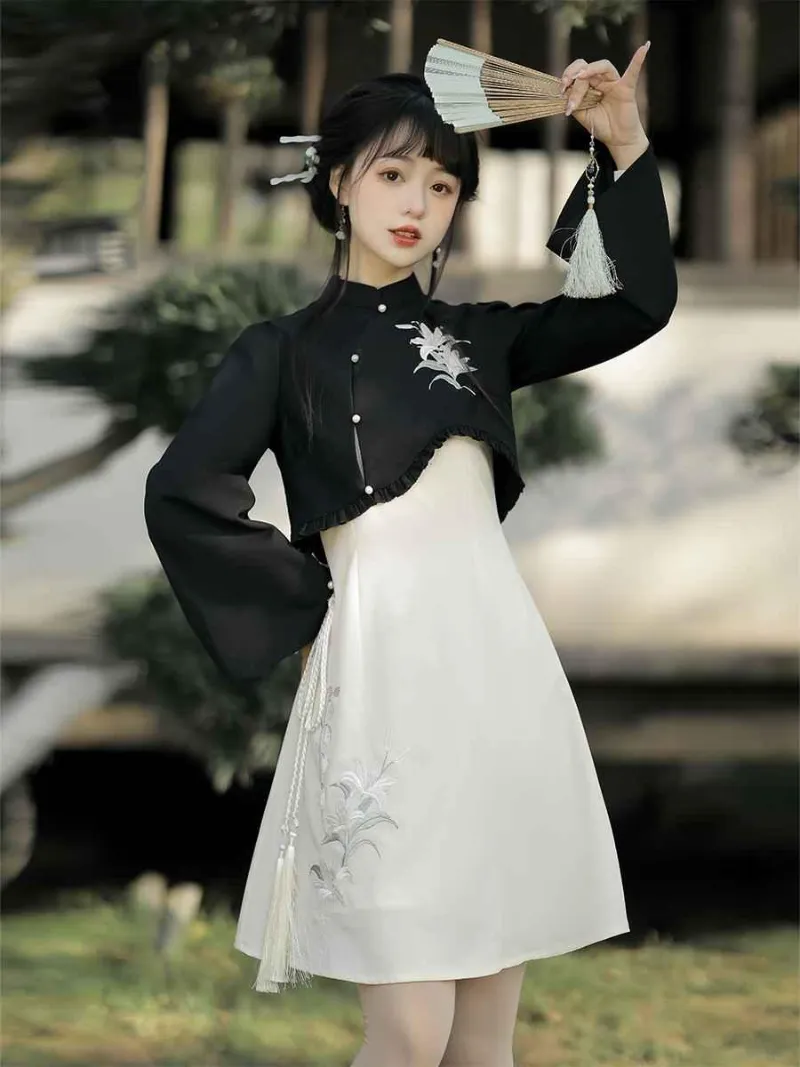
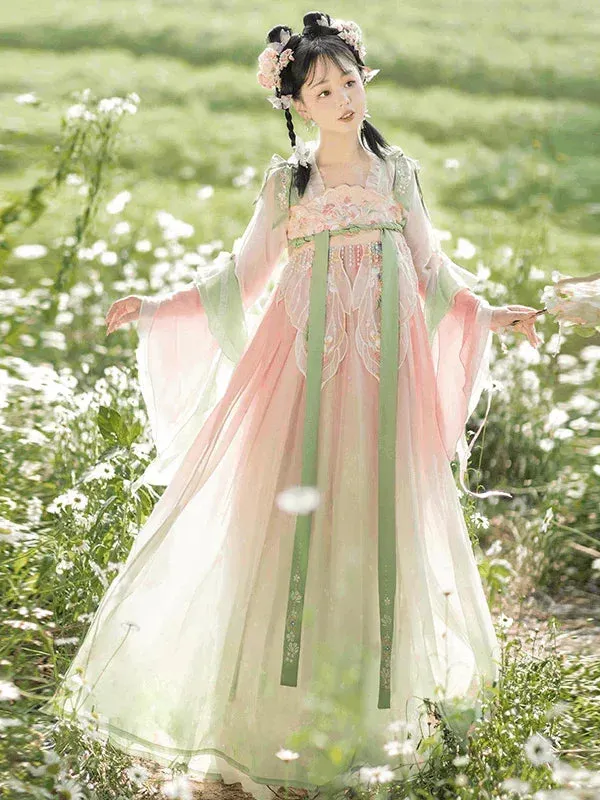
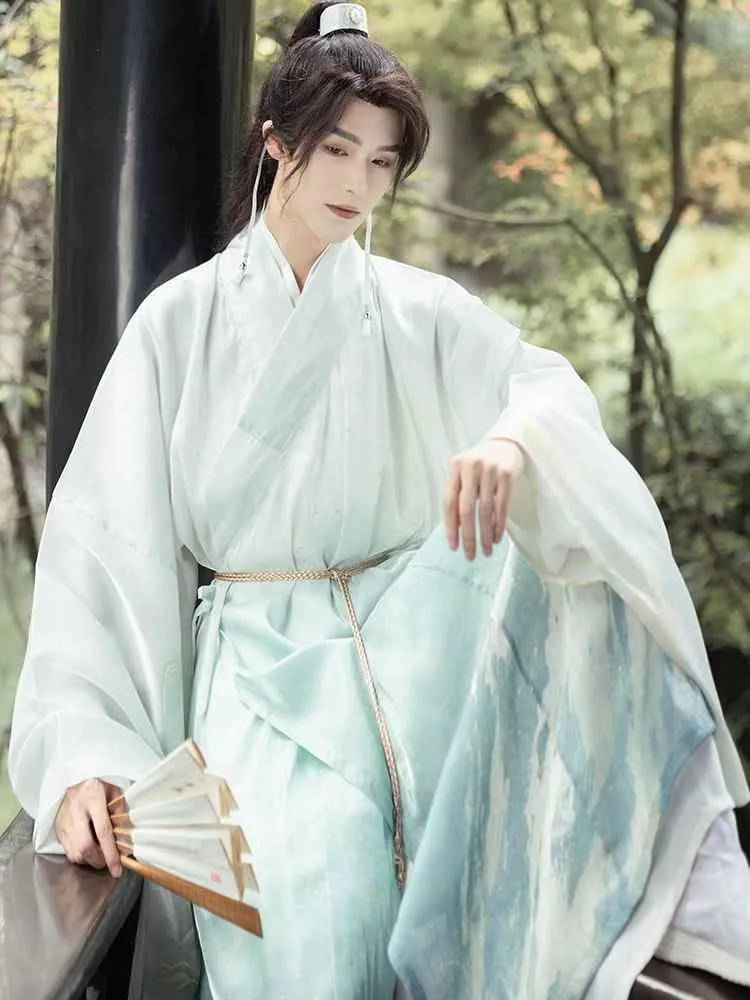
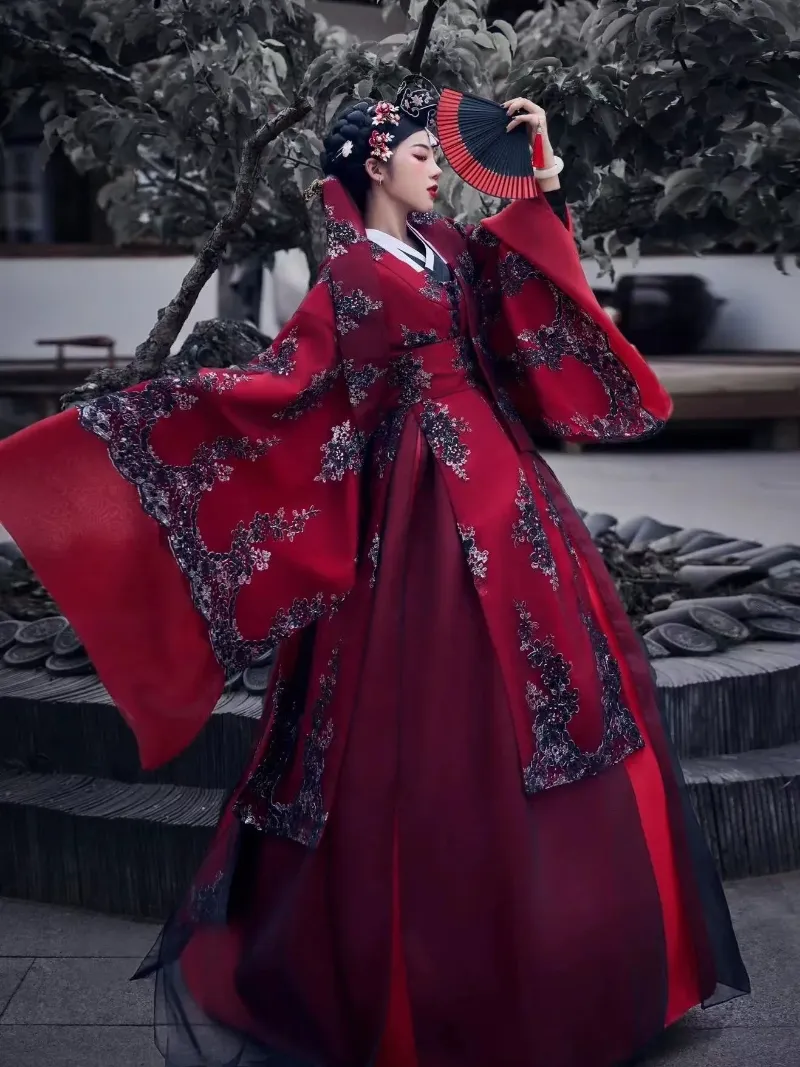
Hanfu layers and dynasties Hanfu spans over 3,000 years of Chinese history, so styles vary widely. Tang dynasty clothing features wide sleeves and cross-collar robes, while Ming dynasty cuts add pleated skirts and structured jackets. A typical hanfu outfit pairs a yi (upper robe) with a qun (wrap skirt) or ku (trousers). The white hanfu shirt works as a base layer or standalone piece for casual wear. Men’s options like hanfu male robes offer similar layering with broader cuts.
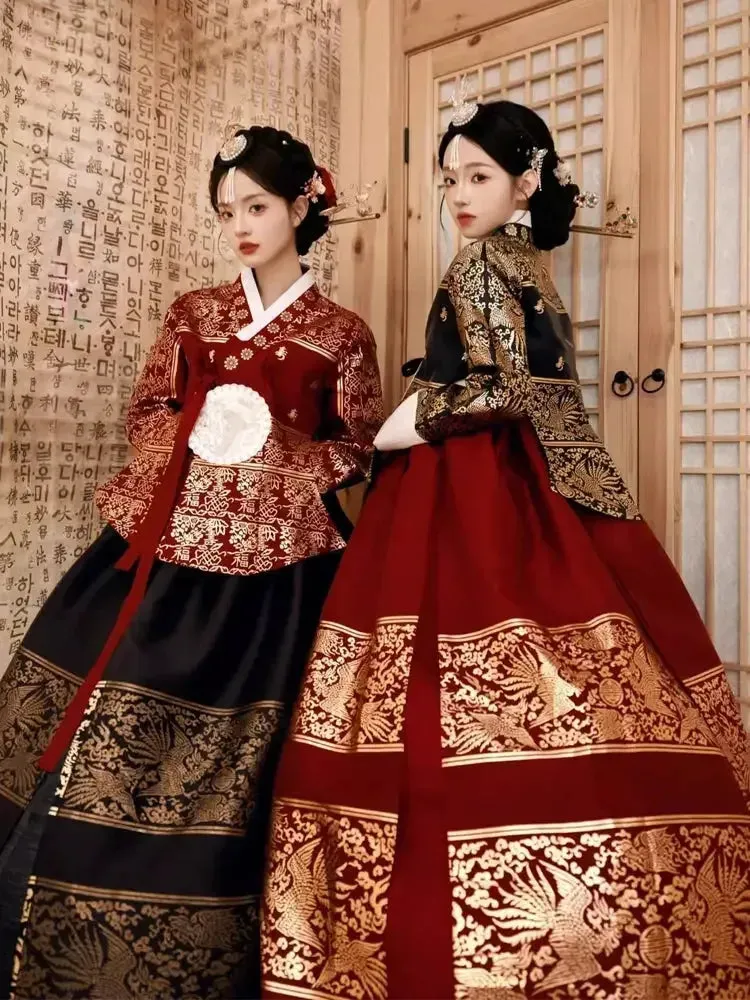
Hanbok volume and color blocking The korean hanbok pairs a short jeogori jacket with a voluminous chima skirt that sits high under the bust. This creates an elongated silhouette that flatters most body types. Hanbok traditionally uses vibrant, contrasting colors (think jewel tones and pastels) with minimal patterns. A korean wedding dress often incorporates embroidered phoenixes or peonies for ceremonial occasions.
| Feature | Kimono Dress | Hanfu | Hanbok |
|---|---|---|---|
| Silhouette | Straight, wrap closure | Flowing layers, A-line or columnar | High waist, bell-shaped skirt |
| Sleeves | Wide, structured | Extra-wide, draping | Short, curved |
| Closure | Obi belt or ties | Ribbon ties, sometimes buttons | Ribbon bow (otgoreum) |
| Fabric weight | Medium to heavy | Light to medium | Light, structured with stiff lining |
Check the latest price on each style to compare investment per wear.
Which Traditional Dress Suits Your Body Type and Occasion
Matching garment structure to your proportions and event formality ensures comfort and confidence.
For petite frames A modern kimono dress in a shorter length avoids overwhelming smaller builds. The wrap structure creates vertical lines, while the obi cinches the waist for definition. Hanbok’s high waistline also elongates the legs, making it a strong choice for casual gatherings or cultural festivals.
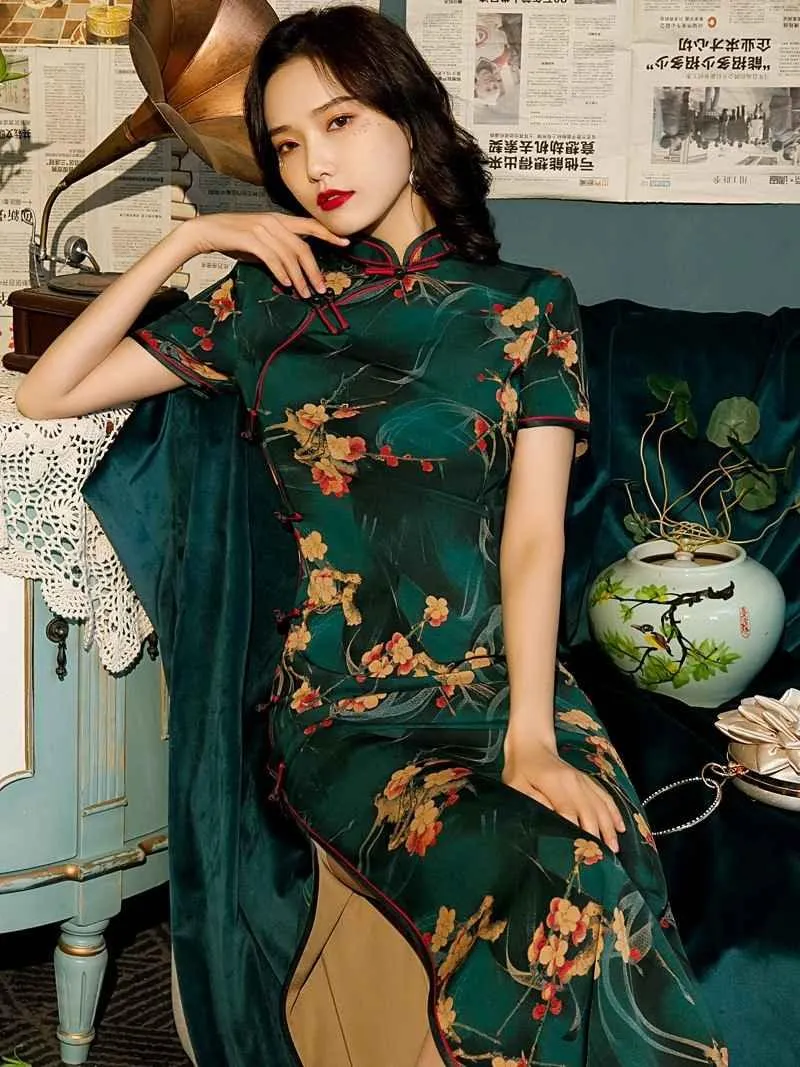
For curvier silhouettes Hanfu’s layered construction and adjustable ties accommodate fluctuating measurements without tailoring. The cross-collar design flatters most bust sizes, and A-line skirts skim rather than cling. A qipao dress offers a more fitted alternative if you prefer showing your waist.
For tall or athletic builds Full-length kimono and hanfu robes use your height to showcase intricate prints and embroidery. Choose korea wear with longer jeogori jackets (modern adaptations exist) to balance proportions, or opt for chinese fashion pieces that layer tunics over wide-leg trousers for a contemporary edge.
Occasion guidelines
- Weddings and formal events: Traditional kimono dress styles or a korean wedding dress with full embroidery
- Garden parties and tea ceremonies: Mid-length hanfu with floral prints or a maxi kimono dress
- Everyday wear: Simplified japanese dress pieces, hanfu separates, or chinese fashion tunics paired with jeans
- Cultural performances: Dynasty-accurate hanfu or ceremonial hanbok with proper accessories
Fabric, Care, and Quality Markers to Check Before You Buy
Traditional garments use specific textiles that dictate both appearance and maintenance.
Kimono fabrics Silk crepe (chirimen) and rinzu damask appear in formal kimono, while cotton and polyester blends suit daily wear. Real silk requires dry cleaning, but modern blends tolerate gentle hand washing. Look for hand-painted or yuzen-dyed patterns rather than screen prints for heirloom quality.
Hanfu materials Authentic hanfu uses silk, linen, or cotton depending on the season and dynasty. Tang dynasty clothing often features heavier brocade or jacquard, while Song dynasty styles favor lighter gauze. We recommend starting with poly-blend hanfu for easier care, machine wash cold, hang dry, and steam wrinkles.
Hanbok construction Traditional hanbok skirts use ramie or silk with a stiff lining (sometimes horsehair) to hold the bell shape. Modern versions substitute tulle or organza for volume. Check that seams lie flat and ribbons attach securely; cheap hanbok sheds threads after one wear.
Red flags to avoid
- Unfinished hems or loose stitching
- Synthetic satin that pills after washing
- Printed patterns that fade in sunlight
- Missing tie closures or flimsy obi belts
Grab the code for 5% off when you order directly from Yandan Hanfu, and inspect photos closely for fabric texture.
Styling Traditional Pieces for Modern Wardrobes
You don’t need a full ceremonial outfit to enjoy these silhouettes, mix traditional and contemporary pieces for wearable looks.
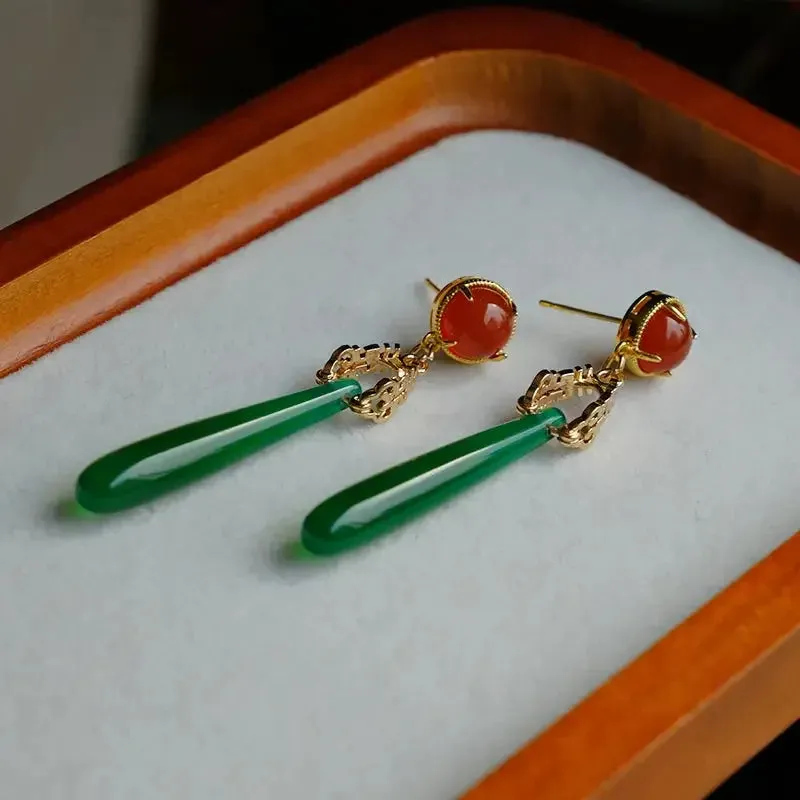
Layering kimono dress styles Wear a short kimono dress over skinny jeans and ankle boots, or belt a maxi kimono dress at the waist with a leather obi for structure. Pair with minimalist jewelry like fuji water earrings to keep the focus on the garment’s print.
Hanfu separates as everyday basics A white hanfu shirt works under blazers or tucked into midi skirts. Swap traditional ties for a modern belt, or layer a sleeveless hanfu vest over a turtleneck for fall. Wide hanfu trousers mimic palazzo pants when styled with heels and a cropped top.
Hanbok-inspired silhouettes Modern korea wear brands offer jeogori-inspired blouses and wrap skirts that pair with sneakers or loafers. Choose solid colors for versatility, and reserve embroidered pieces for special occasions.
Accessorizing across cultures
- Kimono: geta sandals or modern mules, simple hair ornaments
- Hanfu: embroidered slippers, tassel hairpins, jade pendants
- Hanbok: boat-shaped shoes (kkotsin) or ballet flats, ribbon headbands
For a deeper look at modern interpretations, explore Women’s Kimono Dresses from independent designers who blend traditional cuts with contemporary prints.
Sizing, Fit, and Alteration Tips
Traditional garments follow different measurement systems than Western clothing, so understanding fit prevents returns.
Kimono sizing Kimono measurements focus on height and shoulder width rather than bust and waist. Most modern kimono dress versions offer S/M/L sizing based on length. If you’re between sizes, go longer, you can always fold fabric under the obi for a shorter hemline.
Hanfu adjustability Hanfu’s tie closures mean one size often fits multiple body types. Measure from shoulder to floor for robe length, and check sleeve width if you prefer less volume. Many hanfu male robes fit women who want an oversized, androgynous look.
Hanbok tailoring Hanbok traditionally requires custom tailoring, but ready-to-wear versions use standard sizing. The jeogori should hit mid-hip or longer, and the skirt should start just below the bust. If the skirt drags, hem it from the waistband (not the bottom) to preserve the shape.
Alteration-friendly modifications
- Shorten sleeves by folding and tacking at the cuff
- Replace ribbon ties with magnetic closures for easier dressing
- Add a hidden elastic waistband to hanfu skirts for extra security
- Take in side seams on kimono bodies for a slimmer fit
For current stock availability and detailed measurements, check the latest price on each style before ordering.
Where to Start If You’re New to Traditional Asian Fashion
First-time buyers benefit from simplified styles and versatile colors that work across seasons.
We recommend starting with a modern kimono dress in a neutral print or a basic hanfu set (cross-collar top plus skirt) in a solid color. Both offer lower price points than ceremonial garments and transition easily from cultural events to everyday outings. A korean hanbok in pastel tones suits spring and summer gatherings without requiring extensive accessorizing.
Avoid heavily embroidered or metallic pieces until you understand your preferred silhouette and care routine. Stick with cotton or poly blends for durability, and practice tying closures at home before wearing in public. Browse Kimono Style Dress Images and Stock Photos to identify prints and cuts that match your aesthetic, then compare them to available styles.
Once you’ve worn your first piece a few times, you’ll know whether you prefer the structured elegance of a japanese dress, the flowing layers of chinese fashion, or the bold color blocking of korea wear. Each tradition offers decades of styling possibilities, start simple, then build your collection around what feels authentic to your wardrobe.
Questions
Can I wear a kimono dress to a wedding as a guest?
Yes, a formal kimono dress in silk or brocade with subtle patterns works well for wedding guests. Avoid white or overly casual prints, and pair with traditional accessories like an obi belt and elegant hair ornaments.
What's the difference between a traditional kimono and a modern kimono dress?
Traditional kimono uses flat seams, wraps precisely left over right, and requires an obi belt and multiple undergarments. Modern kimono dress styles simplify construction with sewn closures, shorter lengths, and easier care fabrics like cotton blends.
Are hanfu and qipao the same thing?
No. Hanfu refers to ancient Chinese robes with cross collars and layered construction, while qipao (cheongsam) is a fitted, high-collar dress from the 1920s. Hanfu offers more historical variety and adjustable sizing.
How do I choose between hanfu, kimono, and hanbok for a cultural festival?
Match the garment to the event's cultural focus, wear hanfu for Chinese festivals, kimono for Japanese celebrations, and hanbok for Korean events. If the festival celebrates multiple cultures, choose whichever silhouette flatters your body type and feels most comfortable for hours of wear.
Can men wear hanfu or kimono?
Absolutely. Men's hanfu features broader cuts and simpler embroidery, while male kimono (often called yukata for casual summer versions) uses darker colors and geometric patterns. Both traditions offer a full range of ceremonial and everyday styles for men.
Do I need special undergarments for traditional Asian dresses?
Traditional kimono requires a nagajuban (under-robe) and specific shaping, but modern kimono dress styles work over regular undergarments. Hanfu and hanbok typically need only a slip or camisole unless you're wearing sheer fabrics.
Products in this guide
 Shopping at Yandan Hanfu? See the discount code
5% OFF All Orders
Shopping at Yandan Hanfu? See the discount code
5% OFF All Orders
More in this series
The Complete Guide to Korean Wedding Traditions: From Hanbok to Wedding Ducks19 Aug 20266 minCan You Wash Tang Dynasty Clothing at Home Without Damaging the Embroidery?19 Aug 20265 minWhat to Look for When Buying Your First Women’s Hanfu: Fabric, Fit, and Authenticity19 Aug 20265 minDo Hanfu Shoes Work with Contemporary Outfits? A Practical Styling Guide19 Aug 20265 minHow to Style a Qipao Dress for Modern Weddings and Formal Events19 Aug 20265 min