 A Flash Fish Tech guide
How Long Does It Take to Charge a FlashFish Power Station With a 100W Solar Panel?
A flashfish portable power station typically takes 5 to 10 hours to charge with a 100W solar panel, depending on capacity, sunlight intensity, and panel efficiency.
A flashfish portable power station typically takes 5 to 10 hours to fully charge with a 100W solar panel under ideal sunlight conditions, though the exact time depends on your power station’s capacity, weather, and panel placement.
Charging Time by FlashFish Power Station Model
Different FlashFish models have different battery capacities, which directly affects how long they take to charge. Here’s how charging time compares across the most popular models:
| Model | Capacity (Wh) | Estimated Solar Charging Time (100W Panel) |
|---|---|---|
| flashfish e200 | 151Wh | 3 to 4 hours |
| 200w | 166Wh | 4 to 5 hours |
| e103 | 296Wh | 6 to 8 hours |
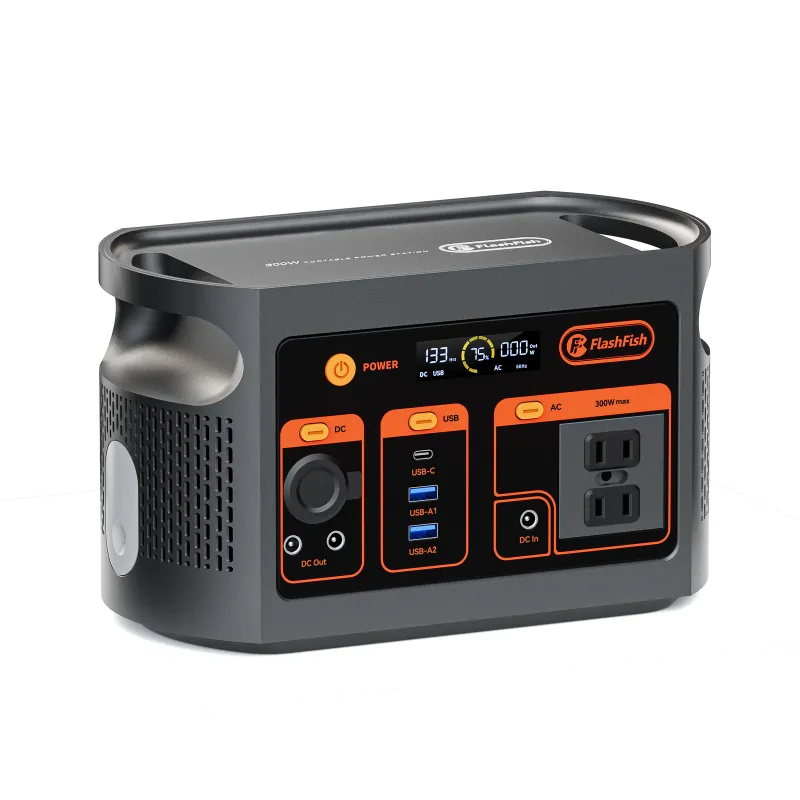
| flashfish portable power station 300W | 300Wh | 6 to 9 hours |
These times assume peak sunlight (usually between 10 AM and 2 PM) with the panel angled correctly toward the sun. The flashfish portable power station 200w and E200 charge faster because of their smaller battery banks, while the 300W models need more time.
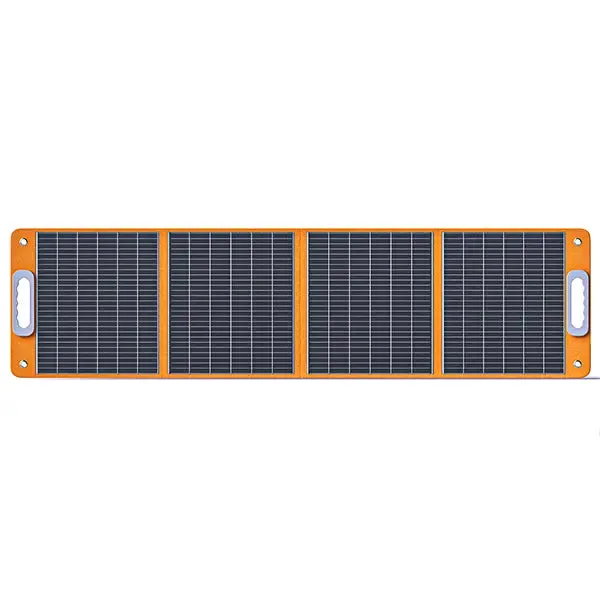
Real efficiency typically runs between 60% and 80% of the rated panel output due to conversion losses, temperature, and angle. A 100 w portable solar panel rarely delivers a full 100 watts in practical use, so budget extra time if you’re charging in less-than-perfect conditions.
Factors That Affect Solar Charging Speed
These variables make the biggest difference:
- Sunlight intensity: Cloudy skies or early morning/late afternoon light can cut panel output by 50% or more, doubling your charging time
- Panel angle and orientation: Positioning your solar panel perpendicular to the sun’s rays maximizes wattage; flat panels lose 20 to 40% efficiency
- Temperature: Extreme heat reduces panel efficiency while cold can slow battery acceptance, especially below freezing
- Cable quality: Thin or damaged cables introduce resistance; use the supplied cables or high-quality replacements rated for solar charging
- Partial shading: Even a small shadow across part of the panel dramatically reduces total output
If you’re camping or tailgating, adjusting the panel angle every couple of hours to track the sun noticeably shortens charging time. We also recommend wiping dust or debris off the panel surface before starting a charge session.
How to Speed Up Charging With Solar
Here are techniques that can speed up solar charging:
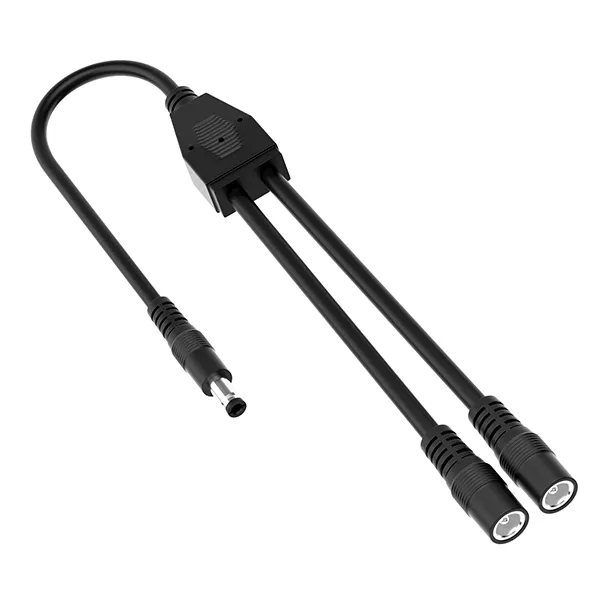
Use a panel splitter for dual-panel setups: If your FlashFish model supports higher input wattage (check the manual), a panel splitter lets you connect two 100W panels in parallel for up to 200W input, cutting charge time nearly in half. The flashfish portable power station 300w models handle this well.
Charge in direct, unobstructed sunlight: Even partial shade from a tree branch or tent edge can halve your effective wattage. Clear line-of-sight to the sun is essential.
Start with a warm battery: Lithium batteries charge faster when they’re between 50°F and 85°F. If you’re camping in cold weather, keep the power station inside your tent or vehicle until you’re ready to charge, then move it into the sun.
Top off instead of deep-cycling: Charging from 20% to 80% is faster than a full 0 to 100% charge because of battery management systems that taper current near full capacity. For daily use, partial top-offs are more efficient.
Monitor input wattage: Most FlashFish units display real-time solar input on the screen. If you see low numbers (under 50W from a 100W panel), reposition the panel or check connections before wasting hours.
You can grab the latest discount code to save on a solar panel or splitter if you’re adding capacity to your setup.
Comparing Solar Charging to AC Wall Charging
Solar is slower but more flexible than plugging into a wall outlet. Here’s how they stack up:
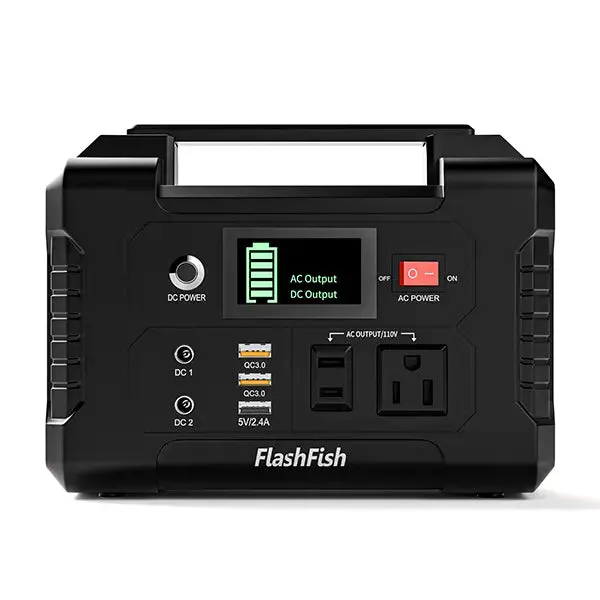
- AC wall charging: Most FlashFish models fully charge in 5 to 7 hours from a standard outlet, regardless of capacity. The 200 watt generator and similar units use brick-style adapters that deliver consistent wattage.
- Solar charging: Takes 1.5 to 2 times longer than AC under ideal conditions, and much longer on cloudy days or in winter. However, solar is off-grid and free after the initial panel investment.
- Car charging (12V): The slowest option, often taking 10 to 15 hours because car ports max out around 10A (120W). Useful for maintaining charge during a road trip but not practical for a full recharge.
For weekend camping trips, charge at home before leaving, then use the 100 w portable solar panel to top off during the day. For longer off-grid stays, solar becomes the primary method, so having realistic time expectations matters.
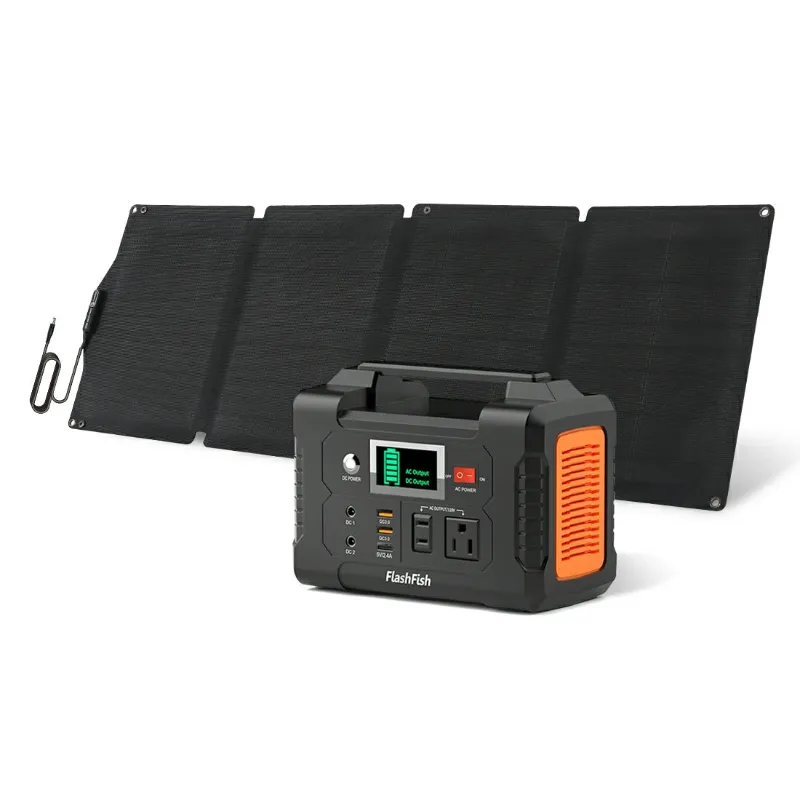
The Flashfish E200 Power Station and Solar Panel Review covers real-world performance data, especially regarding the E200’s efficient solar input circuit.
Who Should Rely on Solar Charging for FlashFish Units
Solar charging works best when:
- You’re camping, van-dwelling, or traveling off-grid for multiple days and need sustainable power
- You have predictable sunny weather and time to position and monitor the panel throughout the day
- You’re pairing a smaller-capacity model like the flashfish e200 or 200watt portable power bank with a 100W panel, keeping charge times under 5 hours
- You need backup power at a cabin or remote site where running a generator is impractical or noisy
Solar is less practical if you need fast turnaround, face frequent cloud cover, or rely on your power station for high-draw devices that drain the battery faster than solar can replenish it. In those cases, bring a small gas generator or pre-charge from AC before your trip.
If you want the flexibility of both solar and AC charging, check current pricing and our exclusive code to bundle a FlashFish unit with a compatible panel.
Questions
Can I charge a FlashFish power station with a 100W solar panel in cloudy weather?
Yes, but expect charging time to double or triple compared to full sunlight. A 100W panel typically delivers only 30 to 50 watts under overcast skies, so a 200Wh FlashFish unit that normally charges in 4 hours may take 8 to 12 hours on a cloudy day.
Do I need a special cable to connect a solar panel to my FlashFish unit?
Most FlashFish models come with a DC solar charging cable that connects standard MC4 panel outputs to the power station's input port. Use the supplied cable or a certified replacement to avoid voltage mismatches or power loss.
How do I know if my FlashFish power station is charging from the solar panel?
Check the LCD display on your FlashFish unit. It shows real-time input wattage when solar charging is active. If the display reads 0W, reposition the panel, check cable connections, or verify the panel is receiving direct sunlight.
Can I use two 100W solar panels to charge my FlashFish faster?
Yes, if your model supports higher input wattage (typically 200W or more). Use a panel splitter to combine two 100W panels in parallel, which can cut charging time nearly in half. Always check your power station's manual for maximum solar input limits.
Is it safe to leave my FlashFish charging in the sun all day?
The power station itself has overcharge protection, so it's safe. However, avoid placing the unit in direct sunlight for extended periods because high temperatures can stress the battery. Keep the power station in shade and only the solar panel in the sun.
What size solar panel do I need for the FlashFish E200?
A 100W solar panel is ideal for the FlashFish E200 because it balances charge speed (3 to 4 hours in full sun) with portability. Larger panels work but add weight and bulk, while smaller panels extend charging time significantly.
Products in this guide
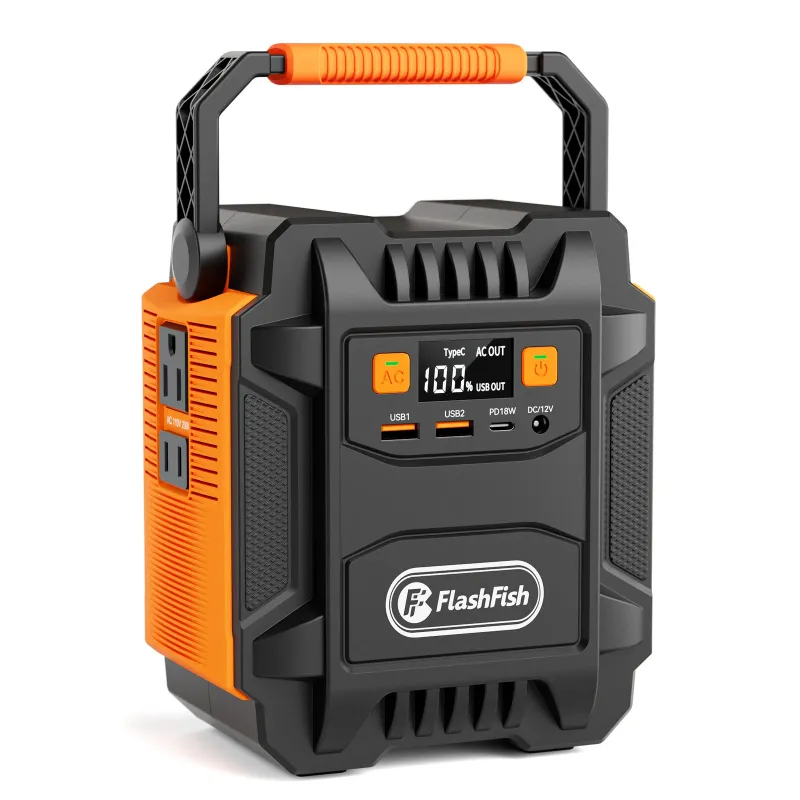
 Shopping at Flash Fish Tech? See the discount code
10% OFF All Orders
Shopping at Flash Fish Tech? See the discount code
10% OFF All Orders
More in this series
What Can a 1200 Watts Power Station Actually Run?18 Aug 20264 minCan the FlashFish 200W Power Station Run a CPAP Machine Overnight?18 Aug 20264 minFlashFish E200 vs E103: Which Portable Power Station Has Better Battery Life?18 Aug 20264 minHow to Choose the Right FlashFish Power Station for Your Camping Needs18 Aug 20264 minFlashFish E200 vs 200W Power Station: Which Model Is Right for You?18 Aug 20264 min