 A Flash Fish Tech guide
FlashFish E200 vs E103: Which Portable Power Station Has Better Battery Life?
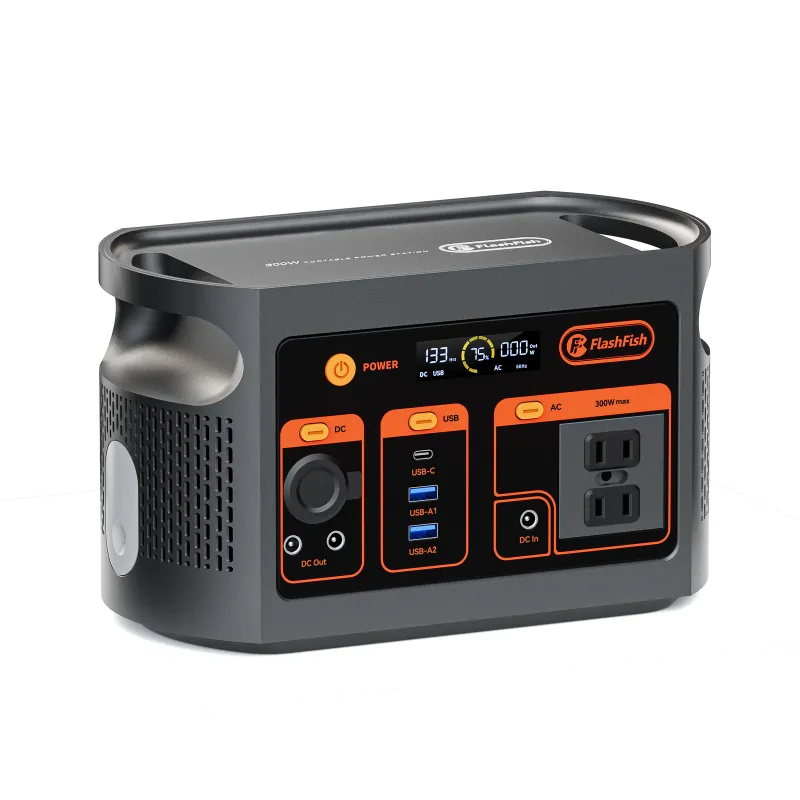
The flashfish portable power station E200 outlasts the E103 with higher capacity, making it the better choice for extended off-grid use.
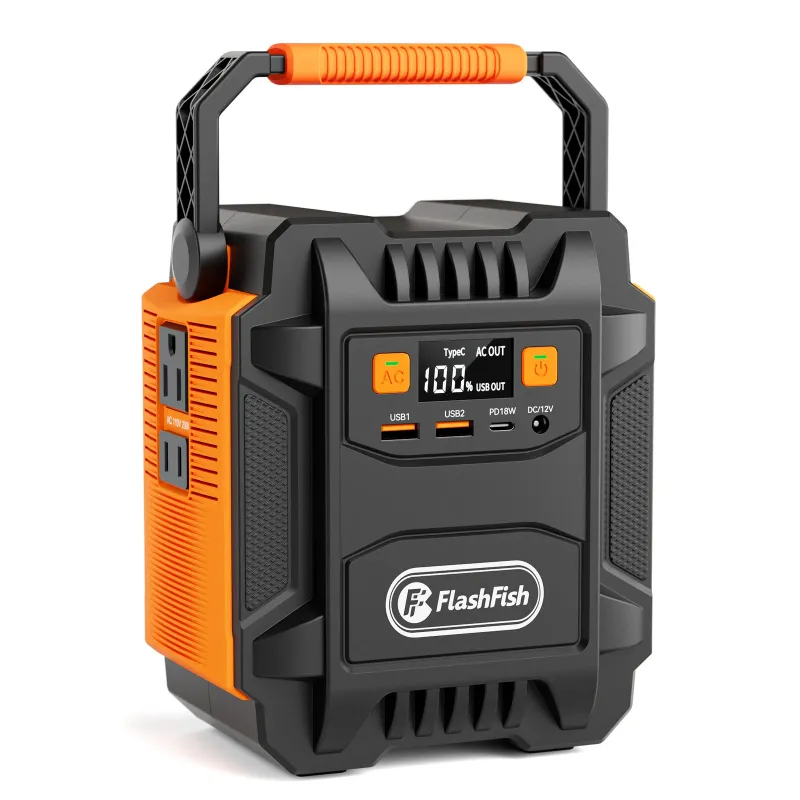
The flashfish e200 delivers longer battery life than the e103 thanks to its 151Wh capacity compared to the E103’s 100Wh, giving you roughly 40% more runtime for the same devices. If you need a flashfish portable power station for weekend camping or emergency backup, understanding how these two models compare on real-world endurance helps you pick the right capacity without overspending.
Battery Capacity: E200 vs E103 Specs
Capacity determines how long your devices run before you need to recharge. Here’s how the two models stack up:
| Model | Capacity | Continuous Output | Weight |
|---|---|---|---|
| E103 | 100Wh (27,000mAh) | 100W | 2.6 lbs |
| E200 | 151Wh (40,800mAh) | 200W | 3.3 lbs |
The flashfish e200 offers 51% more watt-hours, so it powers the same device for about one and a half times as long as the e103. Both use lithium-ion cells, which hold charge well during storage and deliver consistent voltage until nearly depleted.
The E200 also supports higher wattage devices. If you plan to run a small CPAP, mini-fridge, or laptop charger that pulls more than 100W, the E103 simply cannot handle it. For phones, cameras, and LED lights under 100W, either model works, but the E200 keeps them running longer between charges.
Real-World Runtime: What to Expect
Battery life depends on what you plug in.
E103 Runtime Examples
- Smartphone (10W): approximately 8-9 full charges
- LED camping light (5W): roughly 18 hours continuous
- Laptop (45W): around 1.5-2 hours
- Small fan (25W): about 3-3.5 hours
E200 Runtime Examples
- Smartphone (10W): approximately 12-14 full charges
- LED camping light (5W): roughly 28 hours continuous
- Laptop (45W): around 2.5-3 hours
- Small fan (25W): about 5-5.5 hours
- Mini-fridge (60W): approximately 2 hours
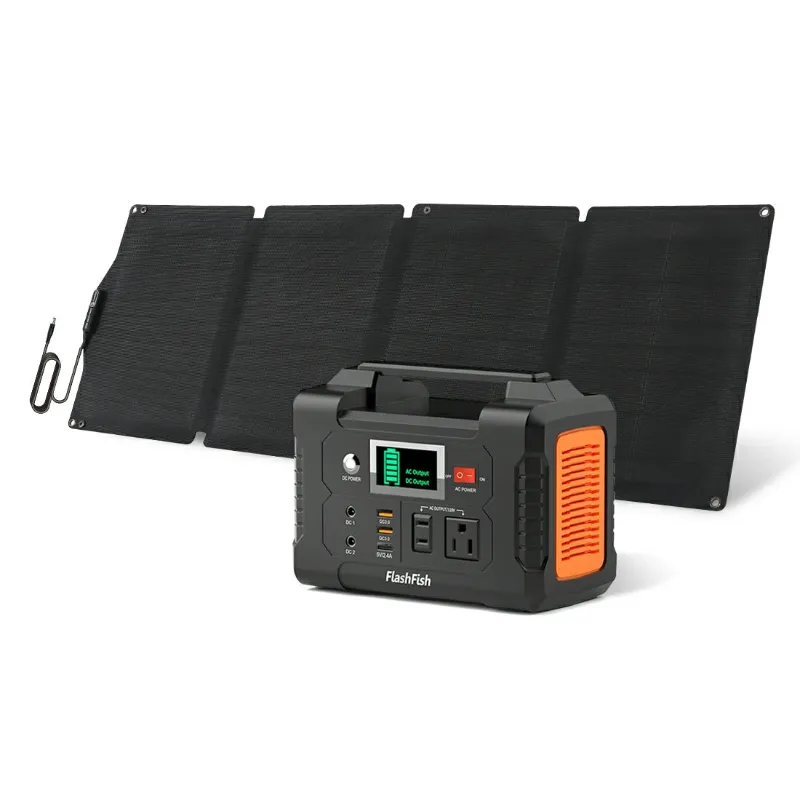
Efficiency loss through the inverter means you lose about 10-15% of rated capacity to heat. Running devices at max output drains the battery faster than light loads. The flashfish portable power station models both include battery management systems that prevent over-discharge, so they shut down before cell damage occurs.
For current pricing on both models, check the latest deals and grab our exclusive code.
Recharge Speed and Solar Compatibility
The E200 takes longer to recharge because of its larger capacity, but it supports faster input:
- E103: 5-6 hours from wall outlet (15V/2A input), 7-9 hours from 50W solar panel
- E200: 6-7 hours from wall outlet (19V/3A input), 5-7 hours from 100W solar panel
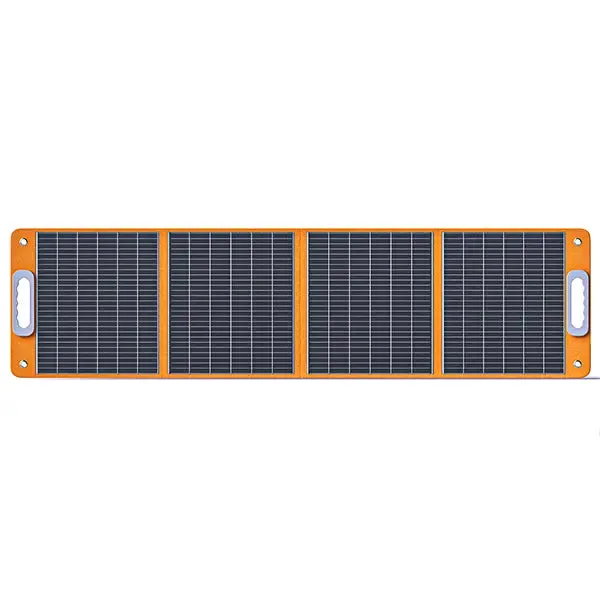
Both models include standard DC barrel ports and work with the FlashFish 100 w portable solar panel. The E200 accepts higher wattage solar input, so it recharges faster in full sun despite its larger battery. If you plan to pair your flashfish portable power station 200w with solar, the E200 makes more sense for multi-day trips where you recharge during the day and use power at night.
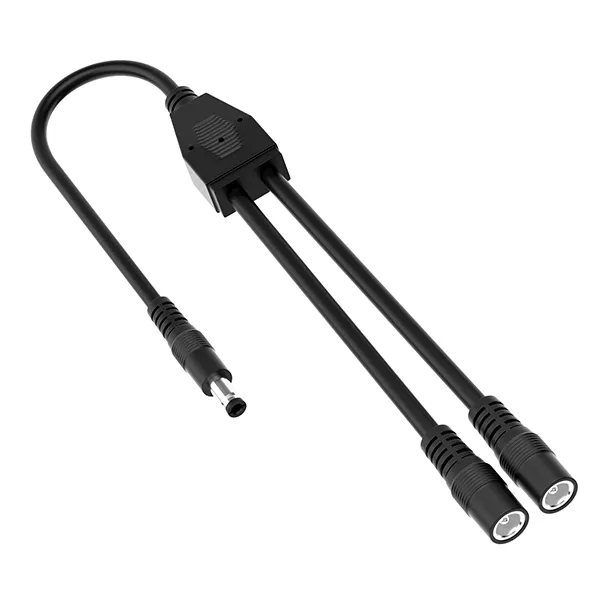
You can also split solar input using a panel splitter if you want to charge two devices simultaneously from one panel, though this reduces charge speed for each unit.
Which Model Suits Your Needs
Choose based on your typical power draw and trip length:
Pick the E103 if you:
- Only charge phones, tablets, and small electronics under 100W
- Take day trips or overnights where weight matters
- Want the most affordable entry into portable power
- Need something ultra-portable for hiking or biking
Pick the E200 if you:
- Run devices between 100W and 200W (CPAP, small appliances, camera gear)
- Camp for 2-3 days without access to recharging
- Want enough capacity to power a mini-fridge or drone batteries
- Plan to add solar panels for off-grid recharging
The flashfish e200 costs more upfront but delivers better value per watt-hour. If you frequently drain your power station completely, the extra capacity prevents you from rationing power or cutting trips short. For occasional emergency backup at home, the e103 handles essentials like phone charging and LED lights for a fraction of the price.
According to this detailed review, the E200 performs reliably under real camping conditions with consistent output and accurate battery indicators.
Maximizing Battery Life on Both Models
Regardless of which flashfish portable power station you choose, these habits extend cycle life and preserve capacity:
- Store at 50-70% charge when not in use for more than a month. Lithium-ion cells degrade faster when stored fully charged or fully depleted.
- Avoid full discharge cycles regularly. The battery management system protects against damage, but frequent deep drains reduce total lifespan.
- Keep cool during use. High temperatures accelerate capacity loss. Don’t leave either unit in a hot car or direct sunlight while operating.
- Recharge within a few days after use. Leaving the battery depleted for weeks stresses the cells.
- Use the right cables. Poor connections create resistance that wastes power as heat and drains the battery faster than necessary.
Both models include over-charge, over-discharge, and short-circuit protection, so the electronics handle most of the care automatically. Expect 500-800 full charge cycles before capacity drops to 80% of original, which translates to years of weekend use.
For ongoing savings on replacement units or solar accessories, visit our Flash Fish Tech discount code page to see the current 10% off promotion.
Alternatives for Higher Capacity Needs
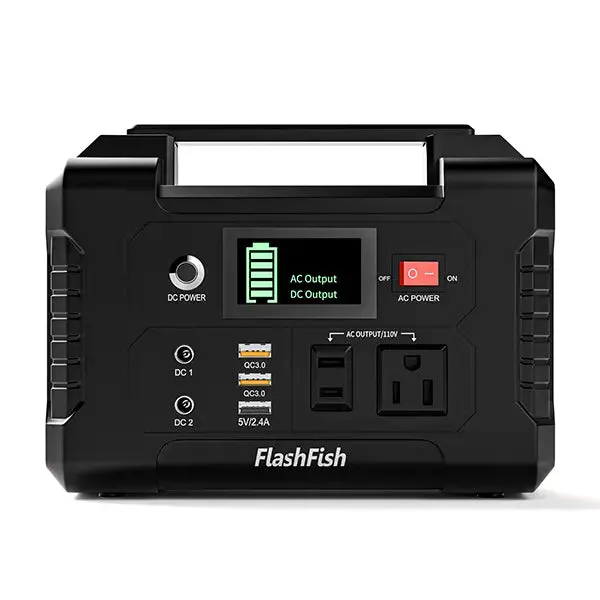
If the E200 still does not provide enough runtime, FlashFish offers larger models. The 1200 watts power station delivers significantly more capacity and output for powering full-size appliances, though it weighs considerably more. For users who only need the E200’s capacity in a slightly different form factor, the 200watt portable power bank offers similar specs with different port configurations.
The 200 watt generator provides another 200W option with slightly different features, so compare the port layouts and included accessories to match your specific devices. All FlashFish models work with the same solar panels and charging accessories, so you can expand your setup over time without switching ecosystems.
Most users find the E200 hits the sweet spot between portability and capacity for weekend camping, tailgating, and home emergency kits. The E103 works well as a secondary unit or for ultralight backpacking where every ounce matters. Both flashfish portable power station models ship with AC wall chargers, car charging cables, and user manuals that include runtime estimates for common devices.
Questions
How much longer does the FlashFish E200 last compared to the E103?
The E200 provides roughly 40-50% more runtime than the E103 because its 151Wh capacity exceeds the E103's 100Wh. For a 45W laptop, expect about 2.5-3 hours from the E200 versus 1.5-2 hours from the E103.
Can the E103 run a CPAP machine overnight?
Most CPAP machines draw 30-60W, so the E103's 100Wh capacity provides roughly 1.5-3 hours of runtime, which is not enough for a full night. The E200 is better suited for overnight CPAP use, though you should verify your specific machine's power draw.
Do both models support solar panel charging?
Yes, both the E103 and E200 include DC input ports compatible with FlashFish solar panels. The E200 accepts higher wattage input and recharges faster with a 100W panel, while the E103 works well with 50W panels.
Which flashfish portable power station is lighter for backpacking?
The E103 weighs 2.6 lbs compared to the E200's 3.3 lbs, making it the better choice for weight-sensitive backpacking trips where you only need to charge phones and small electronics.
How long do these batteries hold their charge in storage?
Both models lose approximately 2-3% charge per month when stored in cool, dry conditions. For best longevity, store them at 50-70% charge and top them off every few months if not in regular use.
What happens if I plug in a device that draws more than the rated wattage?
The built-in protection system will shut down the output to prevent damage. The E103 cannot power devices over 100W, while the E200 handles up to 200W continuous. Always check your device's power requirements before connecting.
Products in this guide
 Shopping at Flash Fish Tech? See the discount code
10% OFF All Orders
Shopping at Flash Fish Tech? See the discount code
10% OFF All Orders
More in this series
What Can a 1200 Watts Power Station Actually Run?18 Aug 20264 minHow Long Does It Take to Charge a FlashFish Power Station With a 100W Solar Panel?18 Aug 20264 minCan the FlashFish 200W Power Station Run a CPAP Machine Overnight?18 Aug 20264 minHow to Choose the Right FlashFish Power Station for Your Camping Needs18 Aug 20264 minFlashFish E200 vs 200W Power Station: Which Model Is Right for You?18 Aug 20264 min