 A Flash Fish Tech guide
How to Choose the Right FlashFish Power Station for Your Camping Needs
Choosing the right flashfish portable power station depends on your power needs, trip duration, and the devices you plan to run at camp.
Why the Right FlashFish Portable Power Station Matters
A flashfish portable power station gives you reliable off-grid power for camping, but picking the wrong capacity or wattage leaves you either underpowered or lugging unnecessary weight.
Before you grab the code and buy, let’s break down exactly what separates a 200-watt unit from a 1200-watt powerhouse.
Match Power Station Wattage to Your Device Load
The wattage rating tells you the maximum continuous output your power station can deliver. Add up the watts your devices pull simultaneously to find your baseline need.
Common camping device draws:
- Smartphone charging: 10-20W
- Laptop: 45-85W
- CPAP machine: 30-60W
- Mini fridge: 40-60W
- Electric cooler: 50-75W
- Drone charging: 60-100W
- LED camp lights: 5-15W
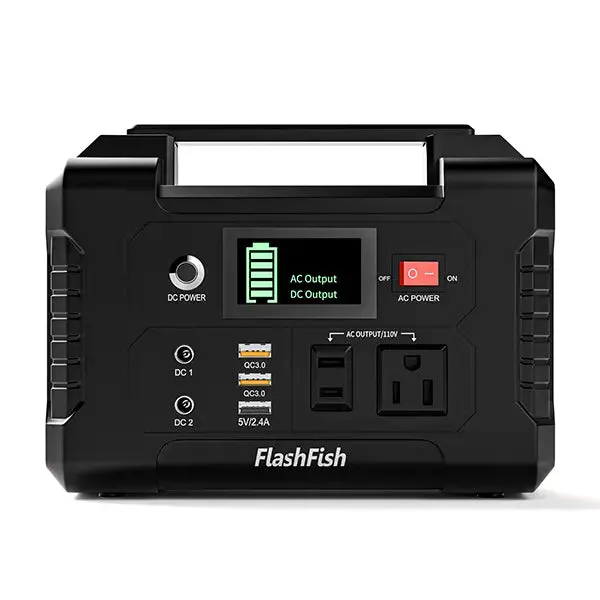
A 200w unit handles phones, tablets, laptops, and lights with headroom. The flashfish e200 sits in this range and works well for solo or duo trips where you’re charging personal electronics and running low-draw accessories.
Step up to a 1200 watts power station if you need to run a mini fridge, electric cooler, or power tools at camp. This capacity also lets you charge multiple high-draw devices at once without cycling through them one by one.
Calculate Battery Capacity for Trip Duration
Watt-hours (Wh) measure stored energy. Divide the Wh rating by your device wattage to estimate runtime.
For example, a 200Wh station powering a 50W device runs roughly four hours (200 ÷ 50 = 4). Factor in conversion losses, which typically eat 10-15% of capacity.
Capacity guidelines by trip length:
- Weekend (2-3 days): 150-300Wh covers phone and camera charging for two people
- Extended weekend (4-5 days): 300-600Wh adds laptop work and drone flights
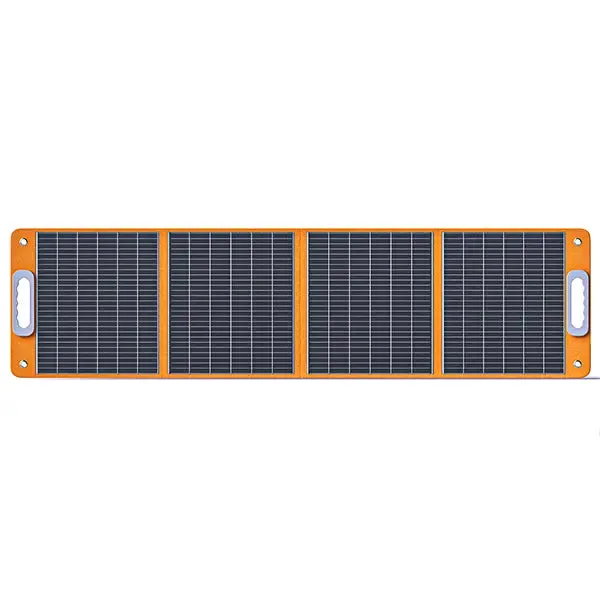
- Week-long: 600Wh+ or pair a smaller unit with a 100 w portable solar panel for daily recharge
The e103 and similar compact models suit ultralight backpackers who need emergency phone power. A 200watt portable power bank bridges the gap between a battery brick and a full power station, ideal for car camping with moderate electronics.
Key Features That Improve Camping Usability
Beyond raw specs, these features determine whether a power station fits your camp routine.
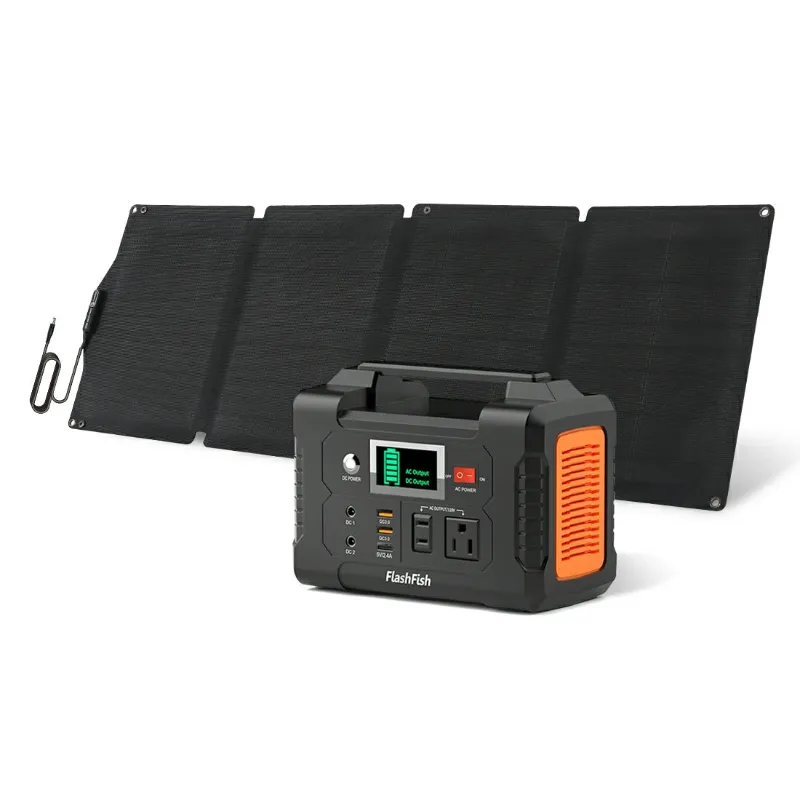
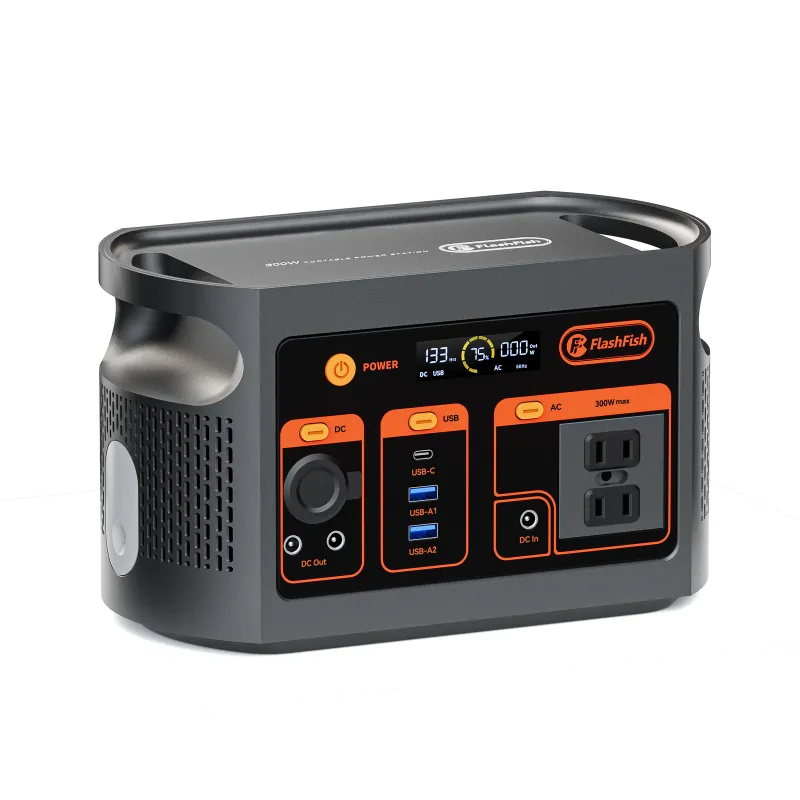
Port variety: Look for USB-A, USB-C, and AC outlets. USB-C Power Delivery charges laptops faster. The flashfish portable power station lineup typically includes multiple USB ports plus one or two AC outlets.
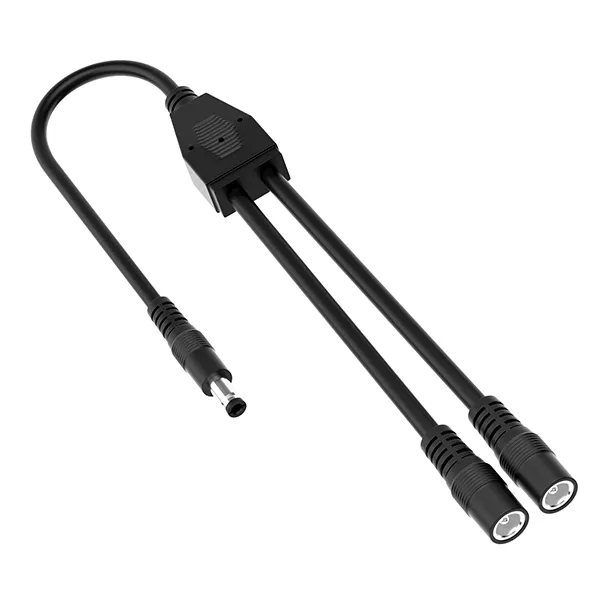
Recharge options: Wall, car, and solar inputs give flexibility. A panel splitter lets you connect multiple solar panels to speed up daytime recharging in good sun.
Weight and size: A 200Wh unit weighs 4-6 pounds and fits in a backpack side pocket. A 1200Wh station weighs 20-30 pounds and needs dedicated cargo space. Match this to your transport method, whether that’s backpacking, car camping, or RV travel.
Display and controls: A clear battery percentage display and simple button layout help you monitor reserves without digging through a flashfish portable power station manual every time.
Pass-through charging: This feature lets you charge the power station while it simultaneously powers devices, useful when you’re at a trailhead or rest stop with limited time.
Compare Popular FlashFish Models
We evaluated the most common FlashFish units to clarify where each excels.
| Model | Best For | Typical Capacity | Weight Class |
|---|---|---|---|
| E103 | Ultralight backpacking, emergency phone power | 100-150Wh | Under 3 lbs |
| 200W / E200 | Weekend camping, personal electronics | 150-250Wh | 4-6 lbs |
| 300W / G300 | Extended trips, small appliances | 250-350Wh | 6-9 lbs |
| 1200W | Basecamp power, mini fridges, tools | 1000-1200Wh | 20-30 lbs |
The 200 watt generator category hits the sweet spot for most campers. It runs a laptop for a full workday, charges phones for a family of four over a long weekend, and powers LED string lights through multiple evenings. The Flashfish E200 Power Station and Solar Panel Review confirms solid real-world performance in field conditions.
For group camping or RV setups where you’re running a portable fridge and charging multiple devices daily, the 1200-watt tier prevents rationing power or shutting down early.
Pair Solar Panels for Extended Off-Grid Stays
A power station alone drains to zero eventually. Adding solar input turns it into a renewable system.
Match panel wattage to your daily consumption. If you draw 200Wh per day, a 100W panel in decent sun replenishes that capacity in 3-4 hours of charging. A 100 w portable solar panel folds compact and props against a tree or tent while you hike or set up camp.
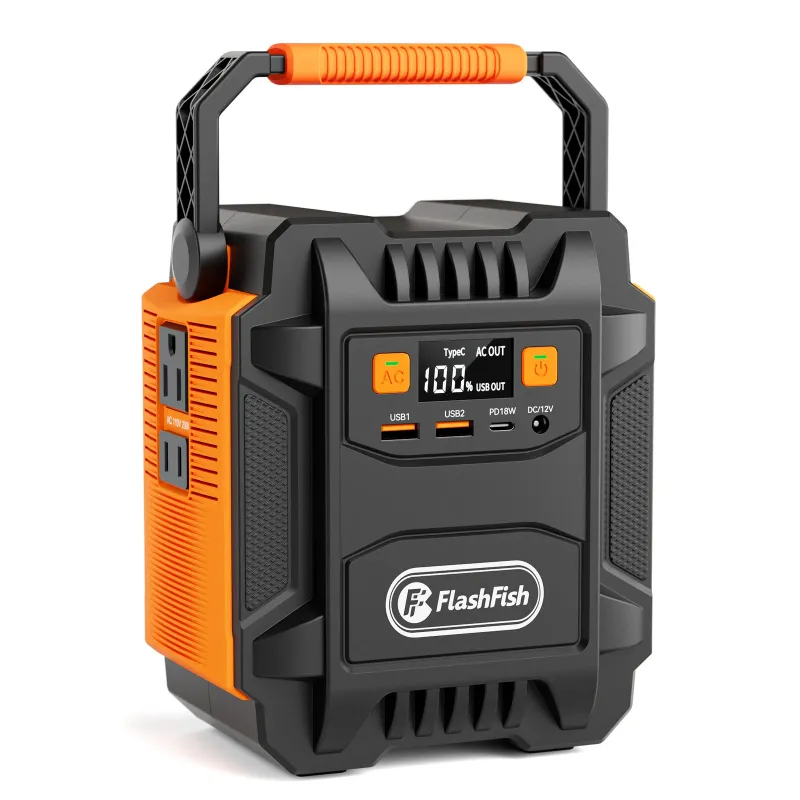
Use a panel splitter if you want to chain two panels together for faster recharge on cloudy days or in shaded sites. This setup works particularly well with mid-capacity models like the flash fish 300W range, where you’re balancing portability with enough reserves to run a camp kitchen.
Position panels in direct sun and angle them perpendicular to the sun’s path. Clean dust or dew off the surface before charging to maximize efficiency.
Who Should Buy Which FlashFish Power Station
Solo backpackers and fast-and-light campers: The e103 or similar compact unit keeps your phone and headlamp topped off without the weight penalty of larger stations.
Weekend car campers and families: A 200w or flashfish portable power station in the 200-300Wh range powers laptops, charges multiple devices, and runs small fans or lights. Check the latest pricing and coupon before you buy to lock in the current discount.
Extended or off-season campers: A 1200 watts power station supports electric coolers, portable heaters, or CPAP machines for trips where comfort devices matter. Pair it with solar panels for weeklong off-grid stays.
Van life and RV users: Go for the 1200-watt tier or higher. You’ll run 12V appliances, charge work gear daily, and power kitchen electronics without generator noise.
Start by listing every device you plan to charge or run, note its wattage, and add 20% buffer for inefficiency and future needs. That total guides you straight to the right capacity without overspending or under-buying.
Questions
What can a 200W flashfish portable power station run?
A 200W unit powers smartphones, tablets, laptops, LED lights, small fans, and cameras. It handles devices under 200 watts continuous draw and typically stores 150-250Wh, enough for a weekend of personal electronics charging.
How long does it take to recharge a FlashFish power station with solar panels?
A 100W solar panel recharges a 200Wh power station in 3-4 hours of direct sunlight, accounting for conversion losses. Larger capacities or cloudy weather extend recharge time, and using a panel splitter with dual panels cuts the time in half.
Can I charge a FlashFish power station while using it?
Most FlashFish models support pass-through charging, letting you power devices while the station recharges from wall, car, or solar input. Check your specific model manual to confirm this feature.
How do I choose between a 200W and 1200W power station for camping?
Pick 200W for personal electronics like phones and laptops on short trips. Choose 1200W if you need to run mini fridges, electric coolers, power tools, or charge multiple high-draw devices simultaneously for extended stays.
Is a FlashFish power station better than a traditional gas generator for camping?
Power stations run silently, produce no fumes, require no fuel, and work inside tents or vehicles. Gas generators deliver more sustained power for heavy loads but are noisy, need ventilation, and are banned in many campgrounds.
What size power station do I need for a CPAP machine while camping?
A CPAP drawing 30-60W needs at least 200-300Wh capacity for an eight-hour night. A 200W or 300W FlashFish model works well, and pairing it with a solar panel ensures multi-night trips without running out of power.
Products in this guide
 Shopping at Flash Fish Tech? See the discount code
10% OFF All Orders
Shopping at Flash Fish Tech? See the discount code
10% OFF All Orders
More in this series
What Can a 1200 Watts Power Station Actually Run?18 Aug 20264 minHow Long Does It Take to Charge a FlashFish Power Station With a 100W Solar Panel?18 Aug 20264 minCan the FlashFish 200W Power Station Run a CPAP Machine Overnight?18 Aug 20264 minFlashFish E200 vs E103: Which Portable Power Station Has Better Battery Life?18 Aug 20264 minFlashFish E200 vs 200W Power Station: Which Model Is Right for You?18 Aug 20264 min