 A Leonids guide
How Long Does a Lab Tennis Bracelet Stay Shiny? Durability Tips
A lab tennis bracelet stays bright for decades with simple care — here is what affects its shine and how to protect your piece.
A lab tennis bracelet stays shiny for a lifetime with reasonable care because lab grown diamonds share the same hardness and optical properties as mined diamonds. The real factors that affect long-term brilliance are the metal setting you choose, your daily habits, and how often you clean the piece.
What Keeps a Lab Tennis Bracelet Shiny Over Time
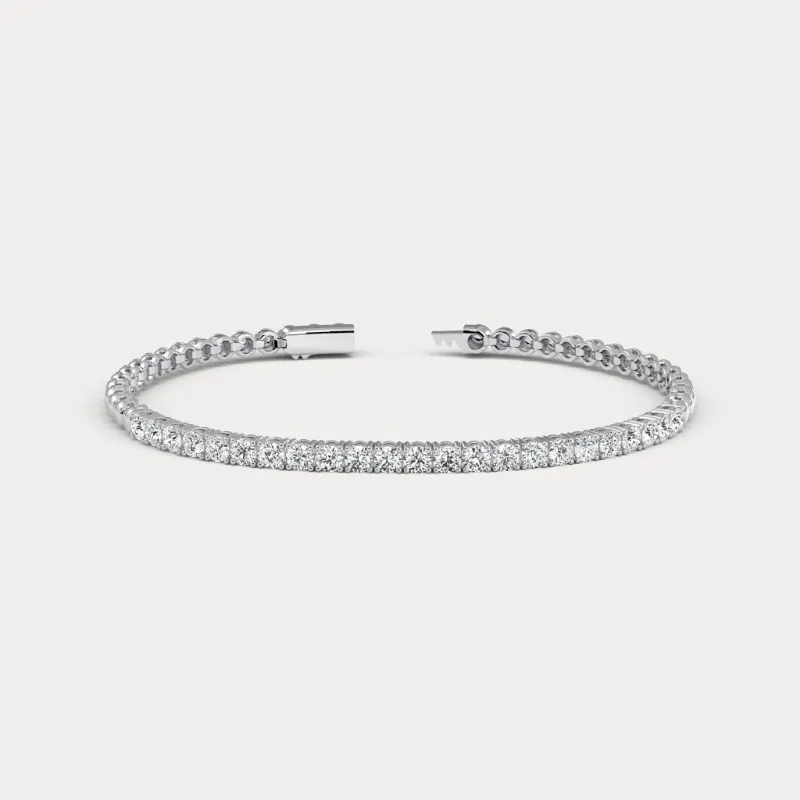
The diamonds themselves will not cloud, fade, or scratch because they measure 10 on the Mohs hardness scale. That means the lab tennis bracelet you buy today will hold its sparkle permanently as long as the settings stay intact. What does change over time is the metal and the surface cleanliness.
- Diamond brilliance is permanent: lab grown diamonds have the same crystal structure as natural ones, so they reflect light identically.
- Metal finish wears: prongs and links can get microscratches that slightly dull the overall look.
- Oil and lotion build up: daily wear transfers skin oils, lotion, and soap film onto the diamonds, reducing their fire.
- Setting security matters: loose stones catch less light and can rattle, making the bracelet appear less brilliant.
The takeaway is simple: the diamonds stay perfect, but the setting and cleanliness require attention.
Best Metal Choices for Long-Term Shine
Your metal choice directly determines how often the bracelet needs polishing and how the overall piece ages. Here is how the most common options compare for a lab grown diamond tennis bracelet white gold versus yellow gold versus platinum.
| Metal | Shine Retention | Maintenance | Best For |
|---|---|---|---|
| White Gold (750 gold) | High, rhodium plating keeps it bright but fades over time | Replate every 12 to 18 months | Cool-toned skin, modern look |
| Yellow Gold (750 gold) | Very high, does not plate, just develops a warm patina | Polish as needed, less frequent care | Classic style, warm skin tones |
| Rose Gold | High, patinas slowly, no plating needed | Low maintenance | Romantic, vintage aesthetic |
| Platinum | Highest, develops a soft sheen but never fades | Rarely needs replating, easy to polish | Heavy daily wear, investment piece |
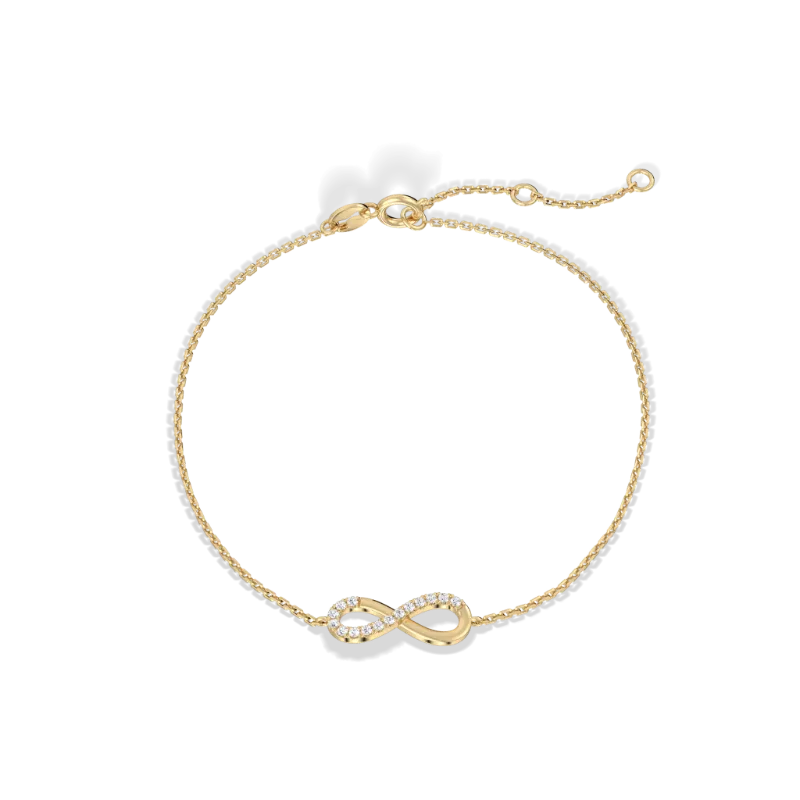
Our 750 gold pieces use 18K gold, which is durable enough for everyday wear while remaining scratch resistant compared to softer 14K or 24K alloys. If you prefer the bright white look, a lab grown diamond tennis bracelet yellow gold setting will stay shiny with less upkeep because it does not rely on rhodium plating.
How Daily Wear Affects a Lab Diamond Pendant and Bracelet
A lab tennis bracelet sits on your wrist and contacts surfaces all day, desks, keyboards, gym equipment, handbags. That contact does not harm the diamonds, but it does affect the clasp, the links, and the metal finish.
- Avoid wearing during weight training or heavy lifting: metal links can stretch and prongs can loosen.
- Remove before applying lotion, perfume, or hairspray: these leave a film on the diamonds that dims sparkle.
- Take off at night: sleeping in the bracelet can snag links on sheets and bend the clasp.
- Store separately: diamond hardness means it can scratch other jewelry; use a soft pouch or lined box.
Following these habits keeps a lab grown diamond tennis bracelet 2 carat piece looking freshly polished for years without extra trips to the jeweler.
How to Clean a Lab Tennis Bracelet at Home
We recommend a simple weekly cleaning routine that takes under two minutes. You do not need ultrasonic machines or professional-grade solutions.
- Fill a small bowl with warm water and a drop of mild dish soap.
- Soak the bracelet for 2 to 3 minutes to loosen oil and debris.
- Use a soft toothbrush to gently scrub between the diamonds and around the prongs.
- Rinse thoroughly under warm running water (place a stopper in the sink so nothing falls).
- Pat dry with a lint-free cloth.
For deeper cleaning of a lab grown diamond tennis bracelet white gold setting, you can use a jewelry steam cleaner once a month. Avoid using toothpaste, baking soda, or ultrasonic cleaners on gold settings without checking first, they can wear down thin prongs over time.
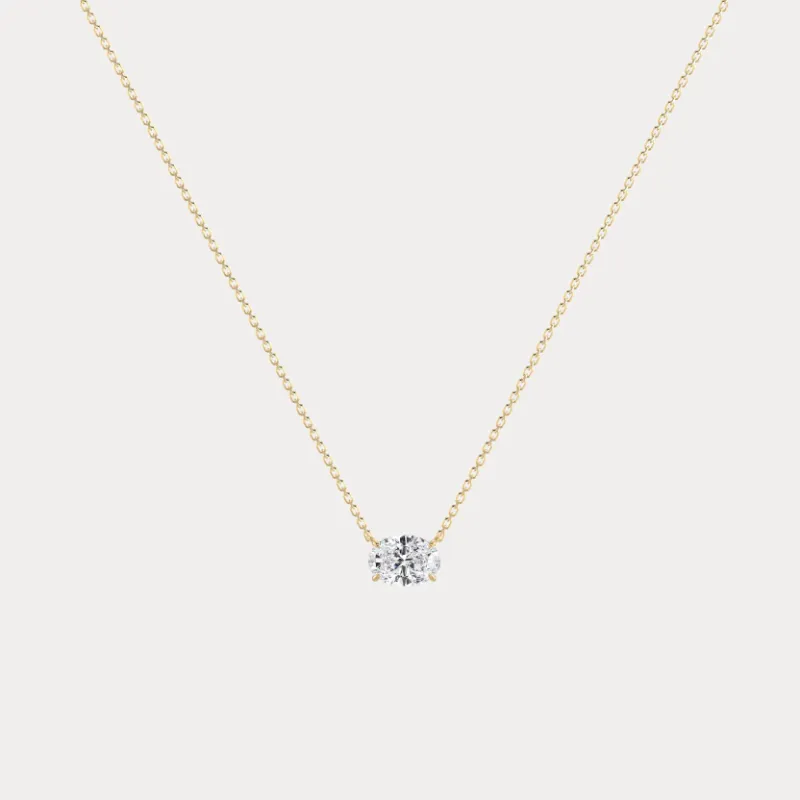
> Our tip: Check clasp tightness and prong security every time you clean. A loose stone on a lab grown diamond necklace or bracelet is easier to fix early than to replace later.
When to Visit a Jeweler for Professional Care
Even with perfect at-home care, a lab tennis bracelet benefits from an annual professional inspection. A jeweler will check for:
- Worn prongs: the small claws holding each diamond can thin after years of wear.
- Stretched links: daily movement can slightly elongate the link connections.
- Loose clasps: the lobster or box clasp may need tightening to prevent loss.
- Replating: white gold settings need a fresh rhodium layer roughly every year to restore mirror brightness.
If you own a 5 carat lab grown diamond tennis bracelet, the weight of the diamonds puts more stress on the setting, so professional checks matter even more. A simple annual inspection costs very little and prevents the heartbreak of losing a stone.
How This Compares to Other Lab Grown Diamond Pieces
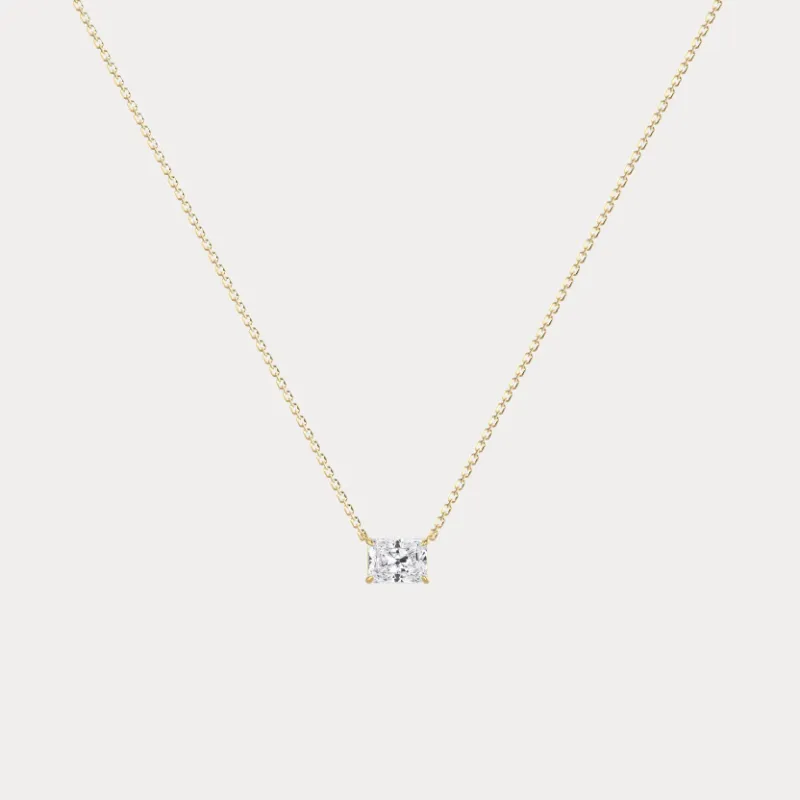
A lab grown diamond necklaces or lab grown diamond pendants experience less wear than a bracelet because they do not contact surfaces as often. A diamond promise ring or 2 k diamond engagement ring hits desks and countertops all day, so those settings need the same annual checkup we recommend for the bracelet.
The key difference is that a bracelet has multiple moving parts (links and a clasp), so the mechanical failure point is the setting, not the stone. A lab diamond pendant has no moving parts and stays pristine with virtually no maintenance beyond cleaning.
Where to Buy with Confidence
We recommend shopping from jewelers that use solid 750 gold settings (not hollow links), secure four-prong or six-prong settings per diamond, and offer a warranty on the clasp. If you are looking for a lab tennis bracelet with a strong setting and brilliant stones, grab the latest price and code to see current offers, we have a 15% discount running for readers.
For more background on how lab grown diamond bracelets compare across retailers, check out Lab Grown Diamond Tennis Bracelets for an overview of setting options, or read the Best Lab-Grown Diamond Tennis Bracelets 2026 guide for independent ratings. You can also Shop Lab Grown Diamond Tennis Bracelets to compare metal types and carat weights.
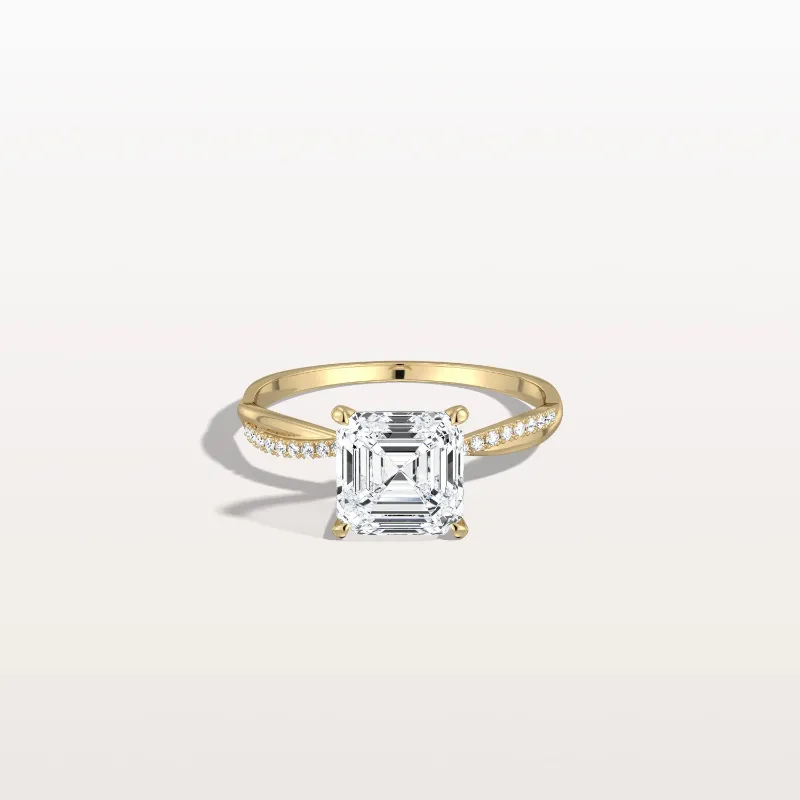
If you want to pair your bracelet with other everyday pieces, the bubble initial necklace or asscher cut diamond ring use the same 750 gold quality and lab grown stones, so the whole stack matches in finish and durability. Check the current offer before ordering to lock in the 15% discount on your full cart.
Questions
Can I wear my lab tennis bracelet in the shower?
We recommend not wearing it in the shower. Soap, shampoo, and hard water minerals leave a film on the diamonds that dulls their sparkle over time. It also speeds up the wear on the clasp and link connections.
Will a lab tennis bracelet tarnish or turn my wrist green?
No, not if it is made with 750 gold (18K). Pure gold and platinum do not tarnish or react with skin. Lower karat gold or gold-plated pieces can cause discoloration, but a solid lab tennis bracelet in 18K gold will not.
How often should I replace the rhodium plating on a lab grown diamond tennis bracelet white gold?
Rhodium plating typically lasts 12 to 18 months with daily wear. You will know it is time when the white gold starts showing a slight yellow warmth. Most jewelers charge a small fee for replating.
Can a loose diamond be fixed on a lab tennis bracelet?
Yes. A jeweler can tighten the prongs or replace a worn setting. Catching it early during your weekly cleaning check prevents the stone from falling out entirely. This is a quick fix, not a major repair.
Is a 5 carat lab grown diamond tennis bracelet too heavy for daily wear?
Not too heavy, but the extra weight does pull on the clasp more. We recommend checking the clasp weekly and opting for a safety clasp if the bracelet has more than 5 carats total. The diamonds themselves hold up fine.
Do lab diamonds in a tennis bracelet get cloudy over time?
No. Lab grown diamonds have the same chemical structure as natural diamonds, so they never cloud, yellow, or fade. If your bracelet looks dull, it is almost always oil or lotion buildup that a simple soap-and-water clean removes.
Products in this guide
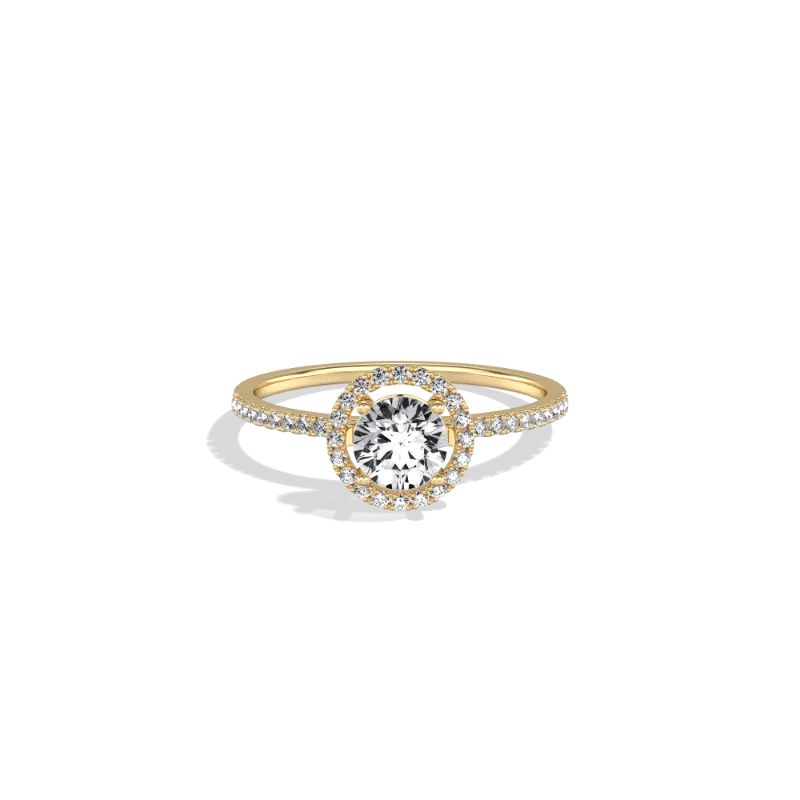
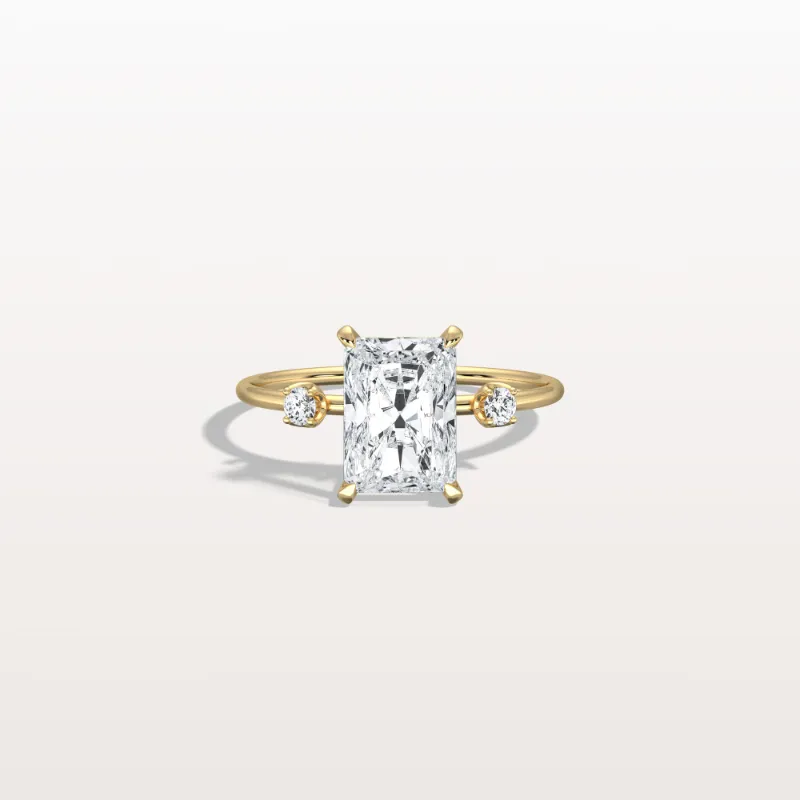 Shopping at Leonids? See the discount code
15% OFF All Orders
Shopping at Leonids? See the discount code
15% OFF All Orders
More in this series
Can You Wear a Diamond Promise Ring Every Day? Longevity Guide9 Sep 20264 minLab Grown Diamond vs Mined Diamond: Is There a Visible Difference?9 Sep 20264 min What to Look for in an Oval Lab Diamond Engagement Ring: A Buyer’s Guide9 Sep 20266 minHow to Clean and Care for Your Lab Grown Diamond Necklace at Home9 Sep 20265 min
 Marquise vs Asscher Cut: Which Lab Diamond Ring Suits Your Style?9 Sep 20264 min