 A Leonids guide
Lab Grown Diamond vs Mined Diamond: Is There a Visible Difference?
We compare lab grown vs mined diamonds side by side and reveal whether a lab grown diamond necklace looks any different from a natural stone.
When you put a lab grown diamond necklace next to a mined diamond of the same grade, there is no visible difference, even a trained jeweler cannot tell them apart without specialized equipment. Both are real diamonds with identical optical, chemical, and physical properties. The only real differences are where they came from and how much they cost.
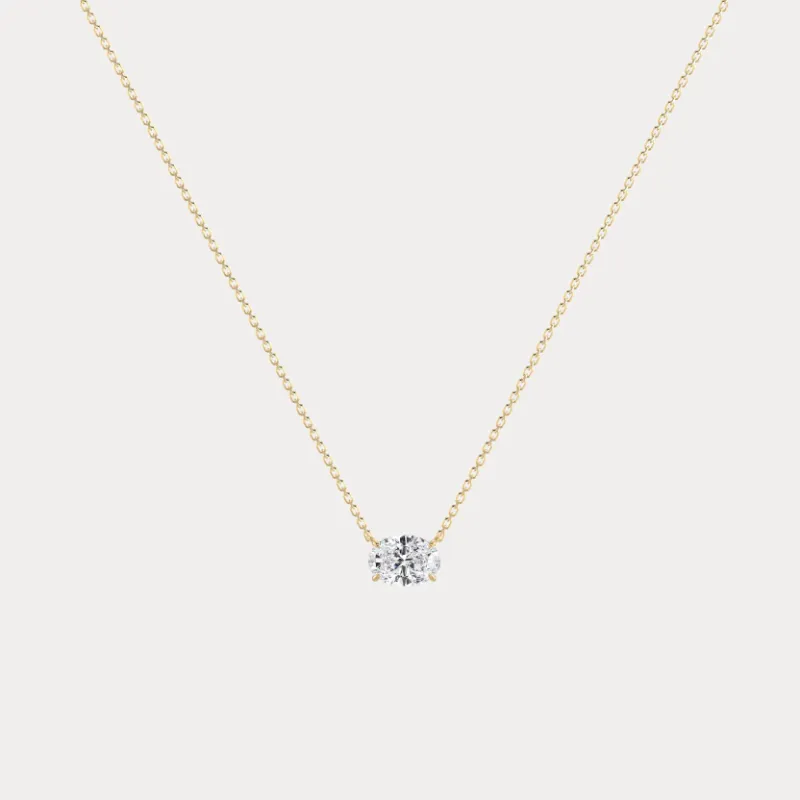
For shoppers who want the same brilliance, fire, and sparkle at a more accessible price, a lab grown diamond necklace delivers everything a mined piece does, often for 30 to 50 percent less. Whether you are shopping for a solitaire pendant, a tennis-style chain, or a personalized initial piece, understanding what separates lab grown from mined helps you make a confident choice.
What Makes a Lab Grown Diamond Necklace Different
A lab grown diamond is not a simulant like cubic zirconia or moissanite. It is a real diamond created in a controlled laboratory environment that mimics the high-pressure, high-temperature conditions beneath the earth’s surface. The result is a crystal structure made of pure carbon, exactly the same as a mined diamond.
That means a lab grown diamond necklace has the same Mohs hardness of 10, the same refractive index, and the same sparkle. The only way to distinguish the two is with a spectrometer that detects the subtle trace-element differences in crystal growth. To your eye, on your neck, they are identical.
Comparing Diamond Quality: The 4 Cs
Both lab grown and mined diamonds are graded using the same 4 Cs: cut, color, clarity, and carat weight. A well-cut lab diamond reflects light just as brilliantly as a well-cut natural diamond.
| Quality Factor | Lab Grown Diamond | Mined Diamond |
|---|---|---|
| Cut | Graded by GIA/IGI; ideal/excellent cuts available | Graded by GIA/IGI; ideal/excellent cuts available |
| Color | D (Z scale; D) F common in lab stones | D (Z scale; D) F rarer and more expensive |
| Clarity | FL, I3; fewer inclusions typical | FL, I3; inclusions more common |
| Carat | Same weight and dimensions | Same weight and dimensions |
A 1 carat lab grown diamond necklace and a 2 carat lab grown diamond necklace both follow these exact standards. The difference in price comes entirely from supply chain, not quality.
Lab Grown Diamond Necklace in Gold and Other Settings
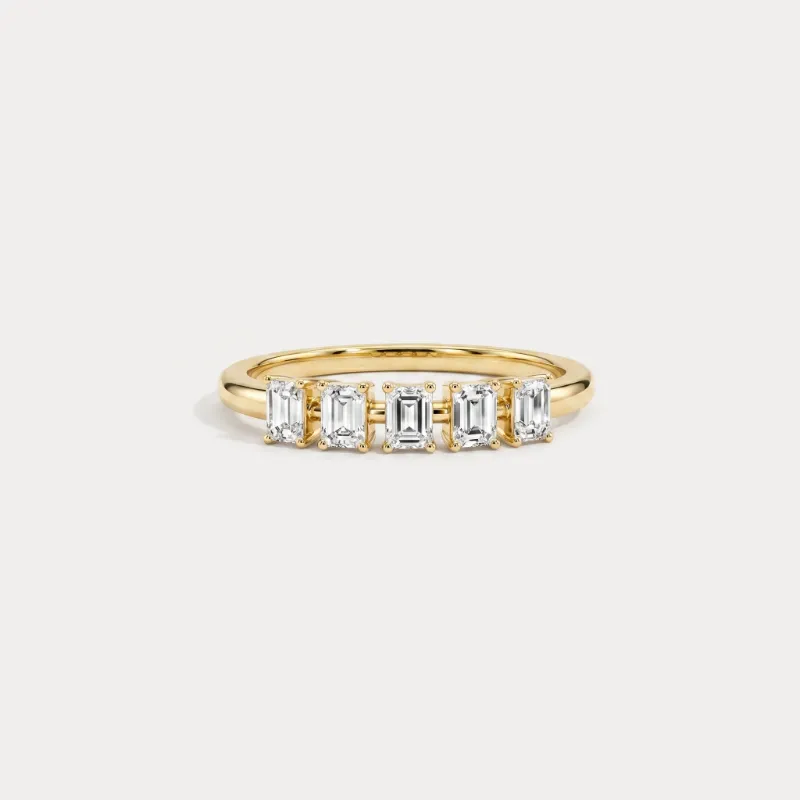
A piece of milestone jewelry like a lab grown diamond necklace can be set in 750 gold (18K), 14K gold, white gold, rose gold, or platinum. The setting metal is independent of whether the diamond is lab grown or mined.
Popular styles include:
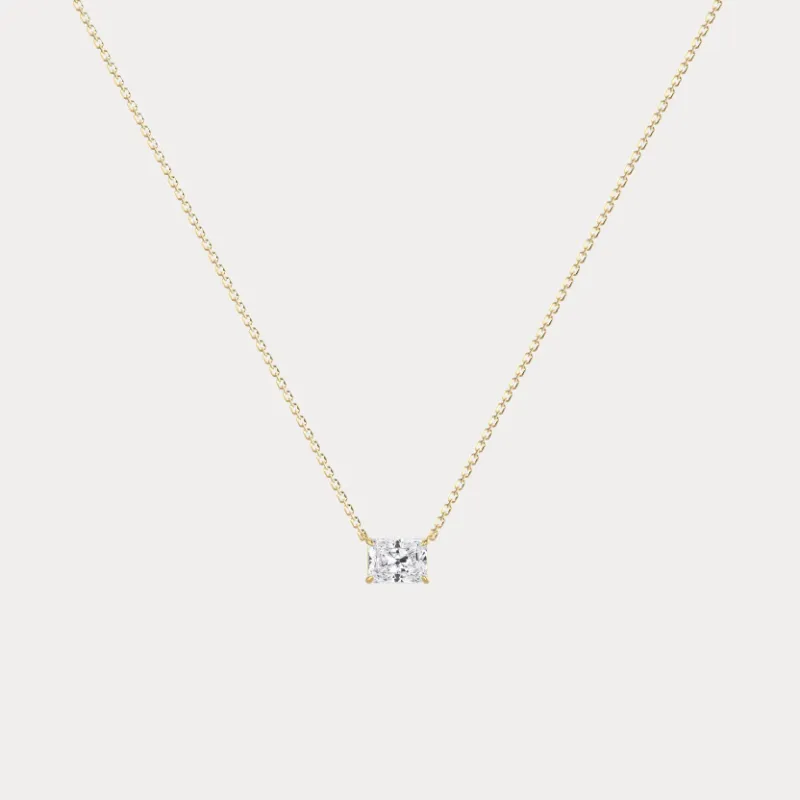
- Solitaire pendants: a single diamond on a delicate chain, perfect for everyday wear
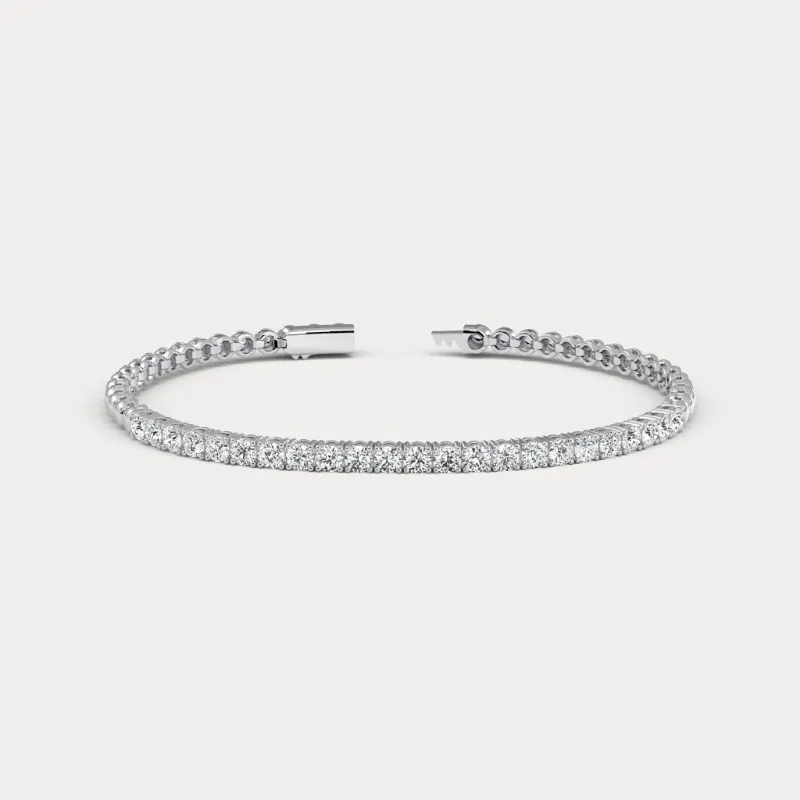
- Tennis necklaces: continuous diamonds around the neck, also available as a lab tennis bracelet for a matching set
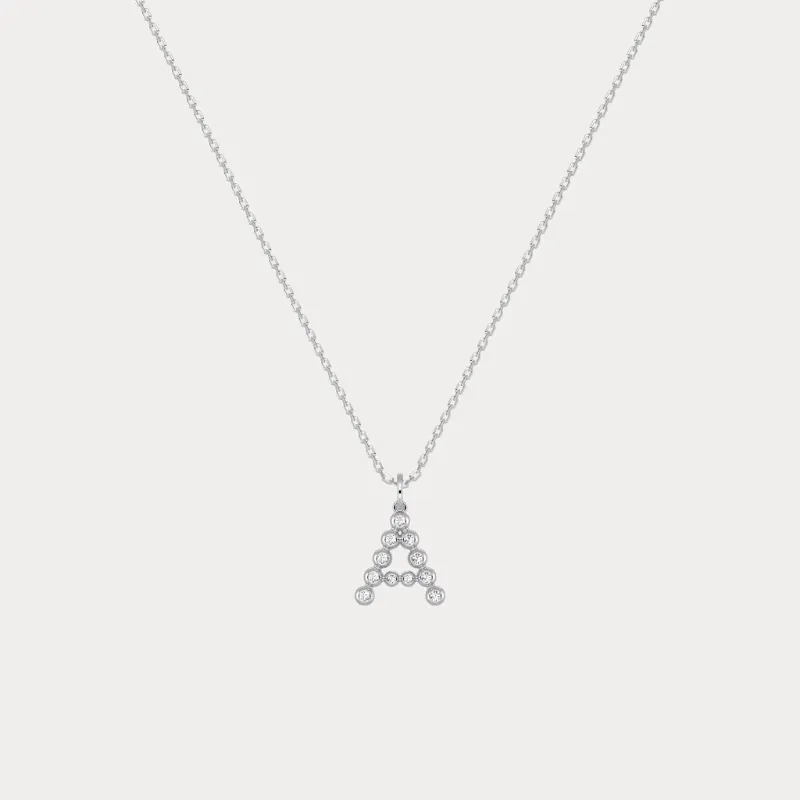
- Initial pendants: like the bubble initial necklace, combining personal style with diamond accent
- Lab diamond pendant options, versatile for layering or standalone wear
- Lab grown diamond pendants: including halo, cluster, and geometric designs
A lab-grown diamond necklace gold setting (whether yellow, white, or rose) complements the diamond without affecting its optical performance. And since the diamond is real, it pairs with any precious metal just as a mined stone would.
Price Comparison: Lab Grown Diamond Necklace Price vs Mined
This is where the difference becomes real. A lab grown diamond necklace price is typically 30 to 50 percent lower than its mined equivalent at the same carat, color, and clarity. That means:
- A 1 carat lab grown diamond necklace costs significantly less than a comparable mined stone
- A 2 carat lab grown diamond necklace becomes attainable at a fraction of the natural diamond price
- You can size up in carat weight or upgrade clarity without blowing your budget
The savings come from a shorter, more efficient supply chain. No mining, no shipping rough stones across continents, no middlemen. You pay for the diamond itself, not the cost of extracting it.
For exact current pricing on specific styles, check the latest price and use our exclusive code to save 15 percent on all orders.
Who Is a Lab Grown Diamond Necklace For?
A lab grown diamond necklace suits almost anyone who wants real diamond jewelry without the traditional markup.
- First-time diamond buyers: get the real thing at a friendlier price
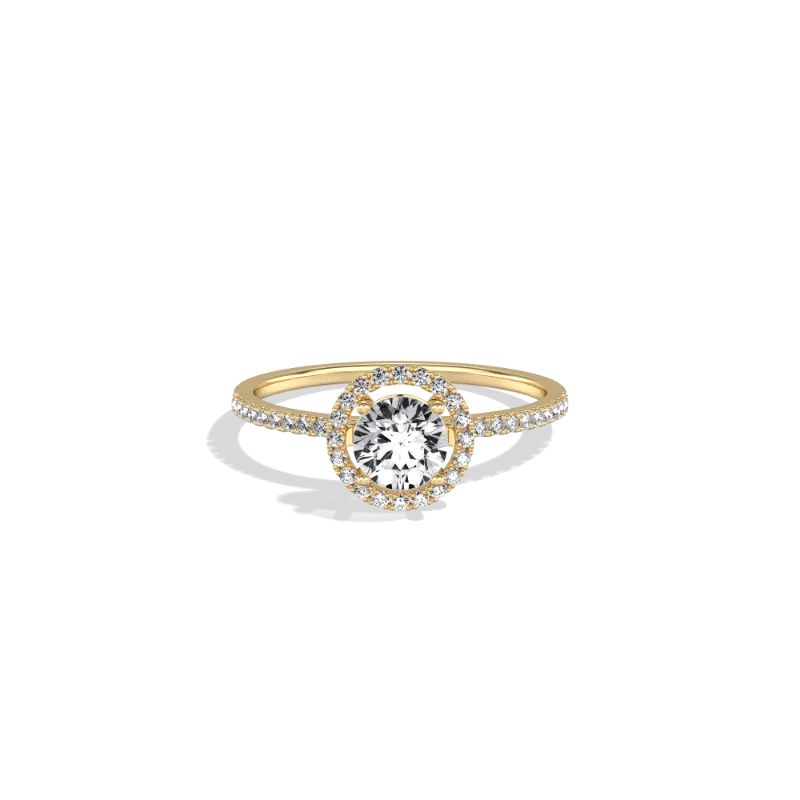
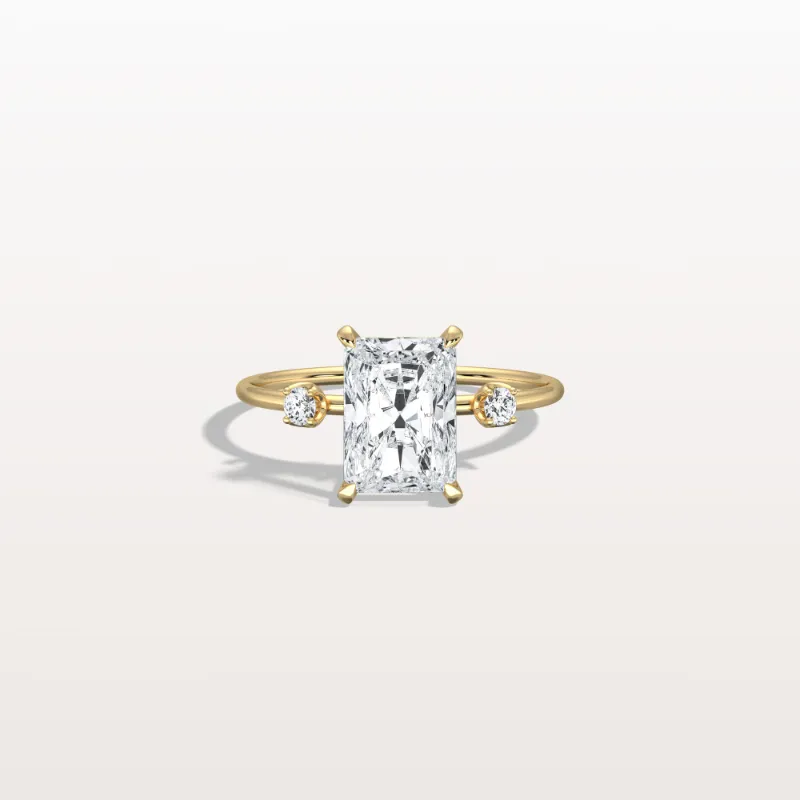
- Men shopping for a partner: a diamond promise ring or 2 k diamond engagement ring in lab grown diamond offers the same symbolism for less
- Layering enthusiasts: combine a lab diamond pendant with other chains for a curated look
- Bridal parties: matching lab grown diamond necklaces make cohesive, lasting gifts
- Anyone seeking ethical jewelry: lab grown stones bypass mining concerns entirely
A lab grown diamond necklace men can also wear comfortably, especially in modern, minimalist pendant styles that focus on cut and clarity rather than flashy size.
Caring for Your Lab Diamond Pendant or Necklace
Care for a lab grown diamond necklace exactly as you would a mined diamond necklace. The stone is a 10 on the Mohs scale, so it resists scratching, but the setting and chain still need attention.
- Store in a soft pouch or separate compartment to avoid tangling
- Clean with mild soap, warm water, and a soft brush
- Avoid ultrasonic cleaners on fragile settings or channel-set stones
- Have the clasp checked annually, a lab tennis bracelet and necklaces see the most wear at the closure
Since lab diamonds are real diamonds, they hold up to daily wear and cleaning the same way mined diamonds do. No special treatment needed.
Where to Buy with Confidence
When shopping online, look for retailers that provide grading reports from IGI or GIA, clear product images, and transparent pricing. A trusted source will tell you exactly which stone you are getting and offer a return policy that lets you see the piece in person.
We have reviewed the lab grown diamond necklace and other top styles from this collection. If you want to learn more about lab grown diamond grading standards, check out this Lab Grown Diamond Necklaces resource for background reading.
For the best deal on your next piece, grab the code before you check out, 15 percent off all orders helps you save even more on a piece that already costs less than mined.
Questions
Can a jeweler tell if my diamond necklace is lab grown?
Not with the naked eye. A jeweler needs a spectrometer or advanced gemological equipment to detect the subtle differences in crystal growth that distinguish a lab grown diamond from a mined one.
Is a lab grown diamond necklace real gold?
Yes. The setting metal is independent of the diamond origin. Many lab grown diamond necklaces are set in 750 gold (18K), 14K gold, rose gold, or platinum, just like mined diamond jewelry.
How much does a 1 carat lab grown diamond necklace cost?
Pricing varies by cut, color, clarity, and setting, but a 1 carat lab grown diamond necklace typically costs 30 to 50 percent less than a comparable mined diamond. For current pricing on specific styles, check the store page with our discount code.
Do lab grown diamond necklaces hold their value?
Lab grown diamonds generally have lower resale value than mined diamonds because the market for them is newer and supply is easier to scale. However, their upfront cost is much lower, so you get more diamond for your money from the start.
What is the best lab grown diamond necklace for daily wear?
A solitaire lab grown diamond necklace or a lab diamond pendant with a bezel or four-prong setting on a sturdy chain is ideal for daily wear. These styles are secure, comfortable, and less likely to snag on clothing.
Can I get a lab grown diamond necklace in a tennis style?
Yes. Lab grown diamond tennis necklaces and matching lab tennis bracelets are popular options. They offer the same continuous diamond look as mined tennis jewelry at a more accessible price point.
Products in this guide
 Shopping at Leonids? See the discount code
15% OFF All Orders
Shopping at Leonids? See the discount code
15% OFF All Orders
More in this series
Can You Wear a Diamond Promise Ring Every Day? Longevity Guide9 Sep 20264 minHow Long Does a Lab Tennis Bracelet Stay Shiny? Durability Tips9 Sep 20265 min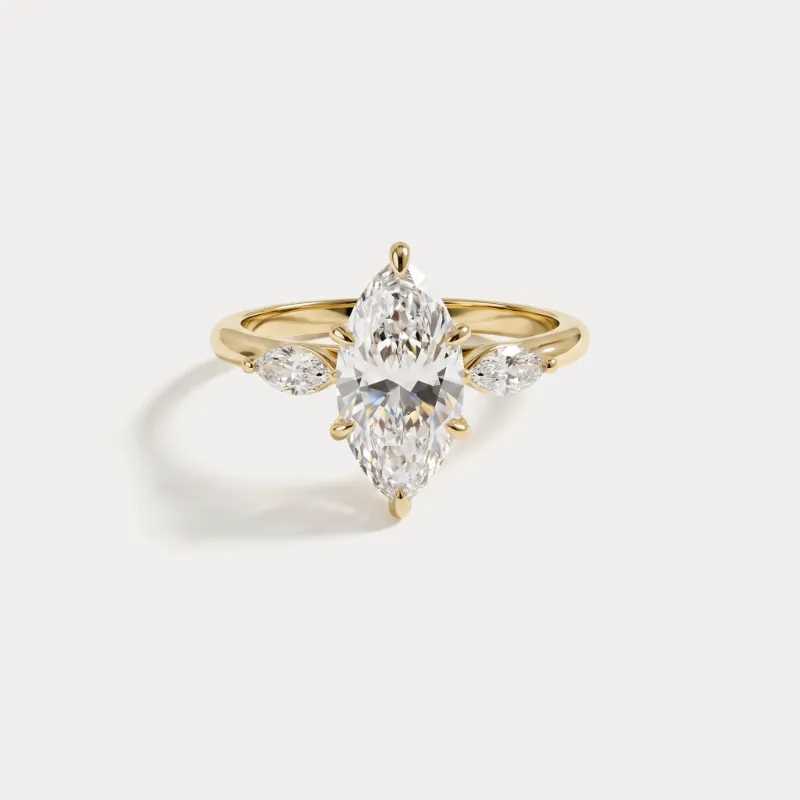 What to Look for in an Oval Lab Diamond Engagement Ring: A Buyer’s Guide9 Sep 20266 minHow to Clean and Care for Your Lab Grown Diamond Necklace at Home9 Sep 20265 min
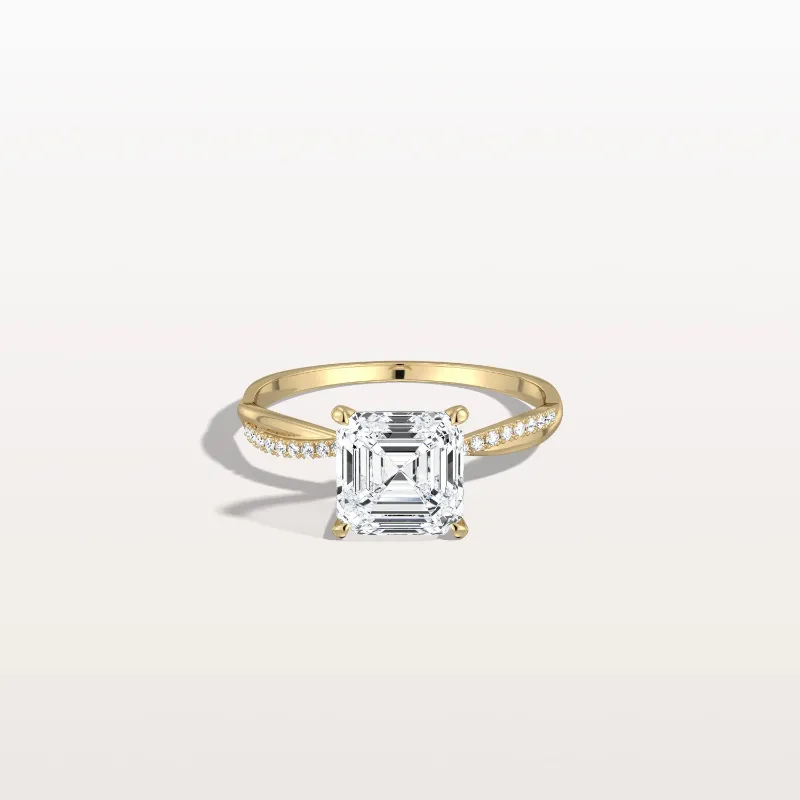 Marquise vs Asscher Cut: Which Lab Diamond Ring Suits Your Style?9 Sep 20264 min