 A EARPEACE guide
How Long Do Reusable Concert Ear Plugs Last Before Replacement?
Reusable ear plugs for sleeping typically last three to six months with proper care, though concert and high fidelity models can extend to a year or more.
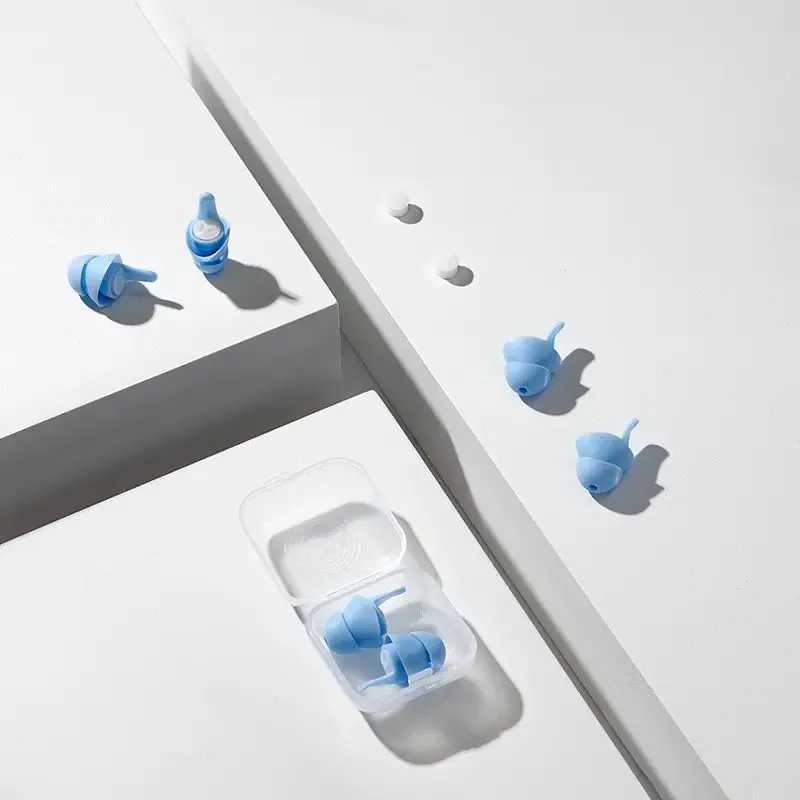
Most reusable ear plugs for sleeping and concerts last between three and six months with regular use, while premium silicone and filtered models can stretch to a year or longer if you maintain them properly. The lifespan depends on material quality, how often you use them, and whether you clean and store them correctly after each use.
Here’s how to make your investment last.
What Determines Reusable Ear Plug Lifespan
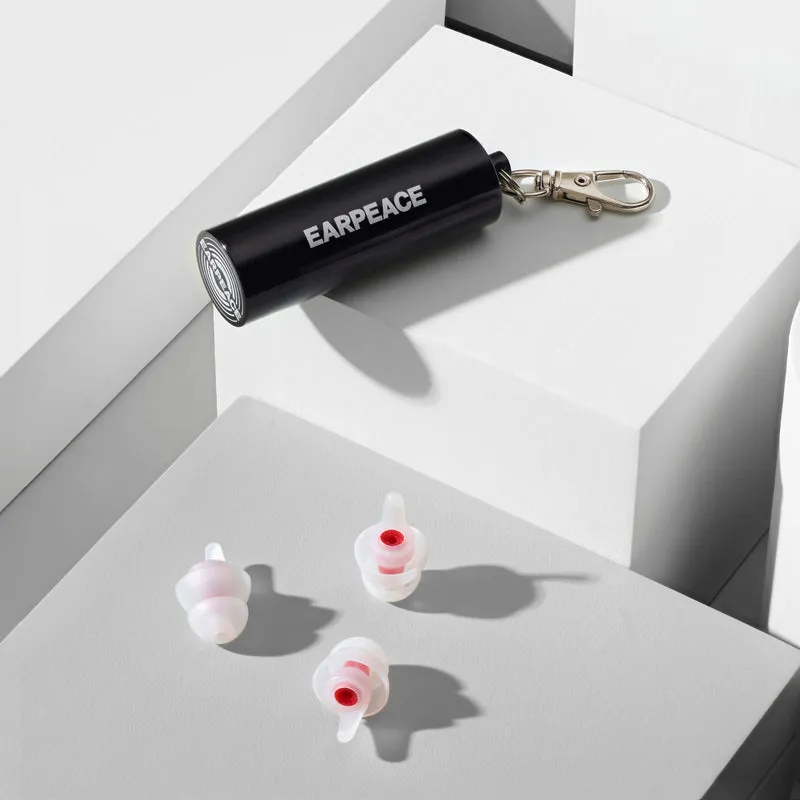
Material composition drives durability more than any other factor. Medical-grade silicone in high fidelity earplugs resists breakdown from earwax, oils, and repeated insertion far better than foam alternatives. Thermoplastic elastomer blends in noise cancelling earplugs for sleeping sit in the middle, offering decent longevity at a lower price point.
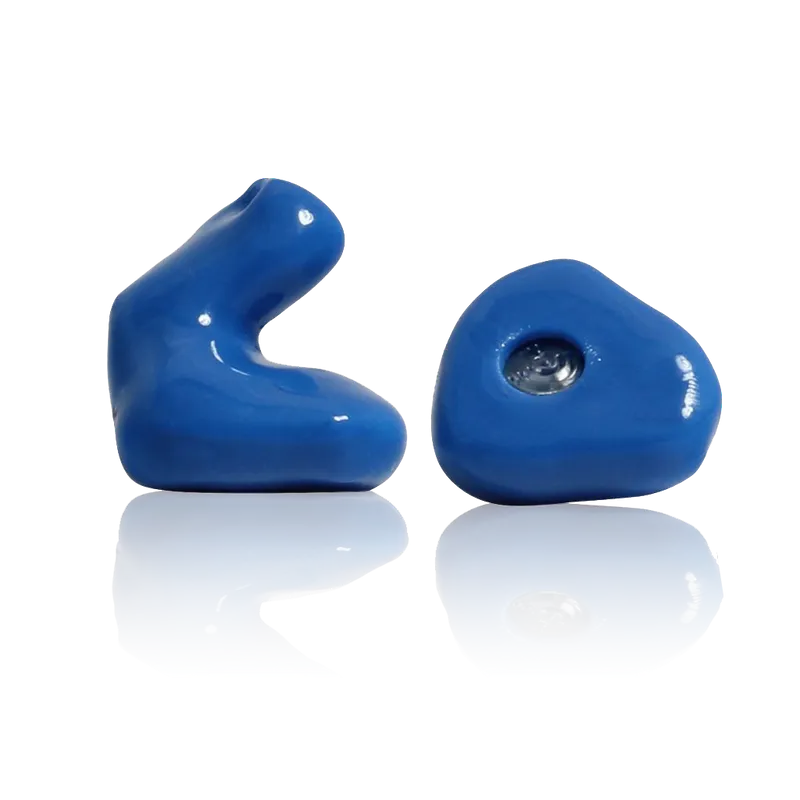
Construction method matters too. Molded single-piece designs outlast multi-component filtered plugs because there are fewer points where seals can degrade or parts can separate. Custom ear plugs molded to your ear canal often last longest since the perfect fit reduces insertion stress and material fatigue.
Usage frequency accelerates wear predictably. Daily sleepers replacing disposable foam will see three to four months from quality reusable silicone plugs. Weekend concert-goers using ear plugs for concerts only for live shows may get 18 months or more from the same pair. Occasional users stretching a set across two years isn’t uncommon if storage stays clean and dry.
Signs Your Ear Plugs Need Replacement
Visible material changes signal the end of effective protection:
- Cracks, tears, or splits in the flange or stem
- Permanent discoloration that cleaning won’t remove
- Hardening or stiffening of once-flexible silicone
- Sticky or tacky surface texture changes
Performance drops become obvious during use. If your sleeping ear plugs no longer block your partner’s snoring or you notice more sound bleeding through your concert ear protection at shows, the acoustic seal has degraded. Plugs that keep falling out overnight or feel loose where they once fit snugly have lost their shape memory.
Hygiene issues force early retirement. Persistent odor after thorough cleaning, visible mold in crevices, or allergic reactions that develop over time all mean it’s time to replace. We never recommend pushing past these red flags to save a few dollars.
How to Extend Reusable Ear Plug Life
Clean after every use with mild soap and warm water, then air-dry completely before storing in the provided case. This single habit doubles average lifespan by preventing earwax buildup that degrades silicone and creates bacterial growth. Never use alcohol, hydrogen peroxide, or harsh solvents that break down materials faster.
Store in a ventilated case rather than a sealed plastic bag. Moisture trapped against silicone accelerates degradation and invites mold. Keep the case away from direct sunlight and heat sources like car dashboards or windowsills, which warp thermoplastics.
Rotate between two pairs if you use ear plugs for sleeping reusable every night. Alternating sets gives materials time to fully recover their shape between uses and cuts replacement frequency in half. Grab the current discount when you stock up on backup pairs.
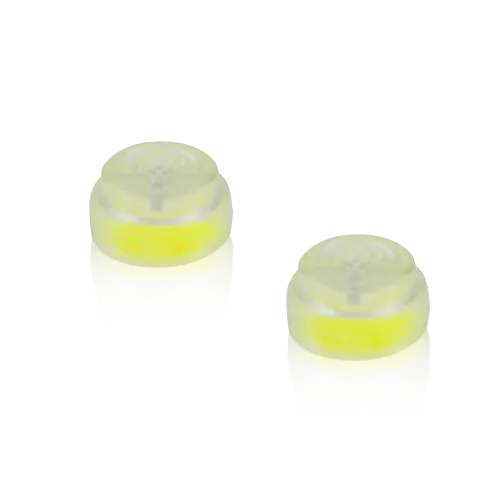
Handle gently during insertion and removal. Yanking or twisting puts unnecessary stress on flanges and stems. For filtered models like the dynamic ear filter 20db usa, avoid touching the acoustic membrane directly since oils from your fingers clog precision filters.
Comparing Lifespan Across Ear Plug Types
| Ear Plug Category | Typical Lifespan | Best Use Case |
|---|---|---|
| Sleeping silicone | 3-6 months | Nightly use for snoring or light sleepers |
| Concert filtered | 6-12 months | Musicians, festivals, venues with 85+ dB |
| Motorcycle molded | 9-18 months | Road trips, daily commutes, wind noise |
| Custom-fit | 12-24 months | All purposes with maximum comfort investment |
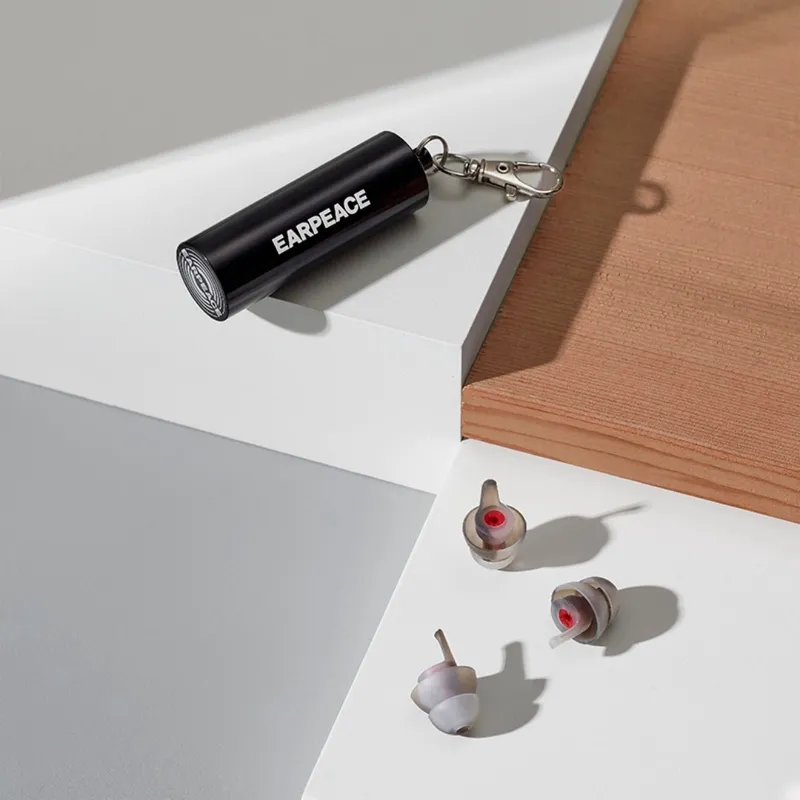
Gig ear plugs with replaceable filters offer the best value over time since you swap only the acoustic component while keeping durable stems. Motorcycle ear plugs face harsher conditions from wind, sweat, and helmet pressure but premium pairs still deliver a full season of riding before replacement.
Independent testing from sources like The 3 Best Earplugs for Sleeping of 2026 is worth reading before you choose a pair.
When Replacement Actually Saves Money
Calculate cost per use rather than upfront price. A premium pair lasting 12 months at twice the cost of a budget set lasting 3 months delivers the same value with less waste and hassle. Check the latest pricing to compare options with our exclusive discount.
Environmental impact adds hidden value to longer-lasting plugs. Replacing foam earplugs nightly generates roughly 730 single-use items per year per person. A reusable pair used for six months cuts waste by 99% while performing better for most applications.
Health considerations justify early replacement even when plugs look fine. Microscopic bacterial colonization happens over months regardless of cleaning, especially for assistive audio sleep noise reducing ear plugs worn 8+ hours nightly. Swapping every four months during peak allergy season or cold months reduces ear infection risk.
Choosing Ear Plugs for Maximum Durability
Material certifications like medical-grade silicone or hypoallergenic TPE indicate manufacturing standards that correlate with longer usable life. Look for UV-stable formulations if you store plugs in gym bags, motorcycle saddlebags, or other environments with light exposure.
Warranty coverage signals manufacturer confidence in durability. Brands offering 60-day or longer satisfaction guarantees typically use better materials since they’re covering replacement costs for early failures. Review policies before buying rather than after performance drops.
Storage cases with antimicrobial coatings or ventilation holes protect your investment between uses.
Start with mid-tier options like high fidelity earplugs if you’re new to reusable models. Testing materials and fit preferences for a few months before investing in custom-molded pairs prevents expensive mistakes. Resources like The 6 Best Earplugs for Sleeping, and a Way to Boost help narrow choices based on sleeping position, noise type, and ear canal shape.
Check the materials and warranty before paying more for sound gear you’ll use regularly.
Questions
How often should I replace reusable ear plugs for sleeping?
Replace reusable sleeping ear plugs every three to six months with nightly use, or sooner if you notice cracks, loss of seal, persistent odor, or reduced noise blocking. Clean them after every use to maximize lifespan.
Can I extend ear plug lifespan by cleaning them less often?
No, cleaning after each use actually extends lifespan by preventing earwax and oil buildup that degrades silicone materials. Skipping cleaning accelerates bacterial growth and material breakdown.
Do concert ear plugs last longer than sleeping ear plugs?
Yes, concert ear plugs typically last six to twelve months because they're used less frequently than nightly sleeping plugs. The same silicone quality degrades based on total hours of use and exposure to body oils.
What shortens reusable ear plug life the most?
Poor storage in humid or hot environments, skipping cleaning after use, and rough handling during insertion cause the fastest degradation. Using harsh cleaners like alcohol also breaks down silicone faster than mild soap.
Are custom molded ear plugs worth the higher cost?
Custom ear plugs typically last 12 to 24 months and provide better comfort and acoustic seal, making them cost-effective for daily users. Occasional users get better value from quality off-the-shelf silicone models.
Can I still use ear plugs that look fine but feel loose?
No, loose-fitting ear plugs have lost their shape memory and no longer create an effective acoustic seal. Replace them even if they show no visible damage, since performance matters more than appearance.
Products in this guide
Shopping at EARPEACE? See the discount code
10% OFF All Orders
More in this series
Can Musicians Earplugs Prevent Hearing Damage Without Losing Sound Clarity?3 Aug 20264 minCustom Ear Plugs vs Standard Earplugs: Which Hearing Protection Is Worth It?3 Aug 20265 minEarPeace Motorcycle Ear Plugs Review: Wind Noise Reduction on Long Rides3 Aug 20264 minDo High Fidelity Earplugs Really Preserve Music Quality at Live Shows?3 Aug 20264 minHow to Choose the Right Ear Plugs for Sleeping vs Concerts3 Aug 20265 min