 A EARPEACE guide
Can Musicians Earplugs Prevent Hearing Damage Without Losing Sound Clarity?
Musicians earplugs cut dangerous decibels without muddying the mix, so you can protect your ears and still hear every note clearly.
Musicians earplugs reduce sound levels by 15 to 25 dB while maintaining the natural frequency balance of music, which prevents noise-induced hearing loss without the muffled effect of foam plugs.
Professional musicians face sustained exposure to 100+ dB environments. Standard foam plugs block too much high-frequency detail, making it nearly impossible to monitor pitch or mix balance. High fidelity designs solve this by using acoustic filters that attenuate all frequencies evenly, so the music sounds natural at a safer volume.
How High Fidelity Filters Preserve Sound Quality
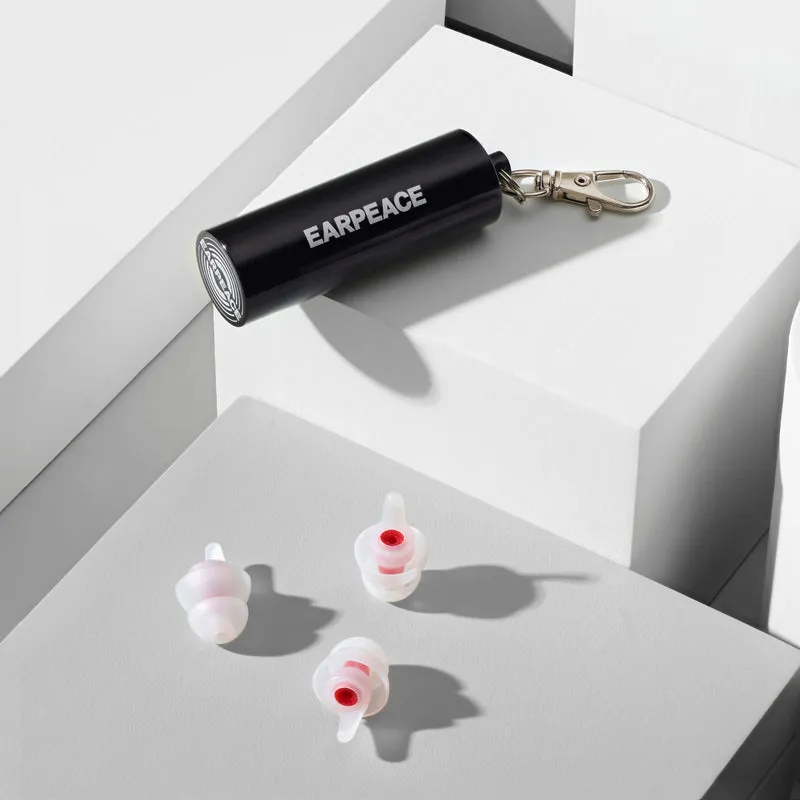
High fidelity earplugs rely on precision-tuned acoustic filters rather than dense foam. These filters create a controlled pathway for sound waves, reducing volume without distorting the spectral content. When you wear ear plugs for concerts, you hear the same tonal balance as the audience, just quieter.
We compared standard foam plugs to professional musician ear plugs during a rock rehearsal. The foam versions turned cymbals into dull thuds and made vocal monitoring guesswork. High fidelity models kept the mix intact while dropping the overall level enough to eliminate ringing afterward.
Key benefits of acoustic filter designs include:
- Flat attenuation across frequencies so vocals, guitars, and drums remain proportional
- No occlusion effect that amplifies your own voice or breathing inside your head
- Reusable construction that lasts months or years with proper care
- Low-profile fit that stays secure during movement and stage work
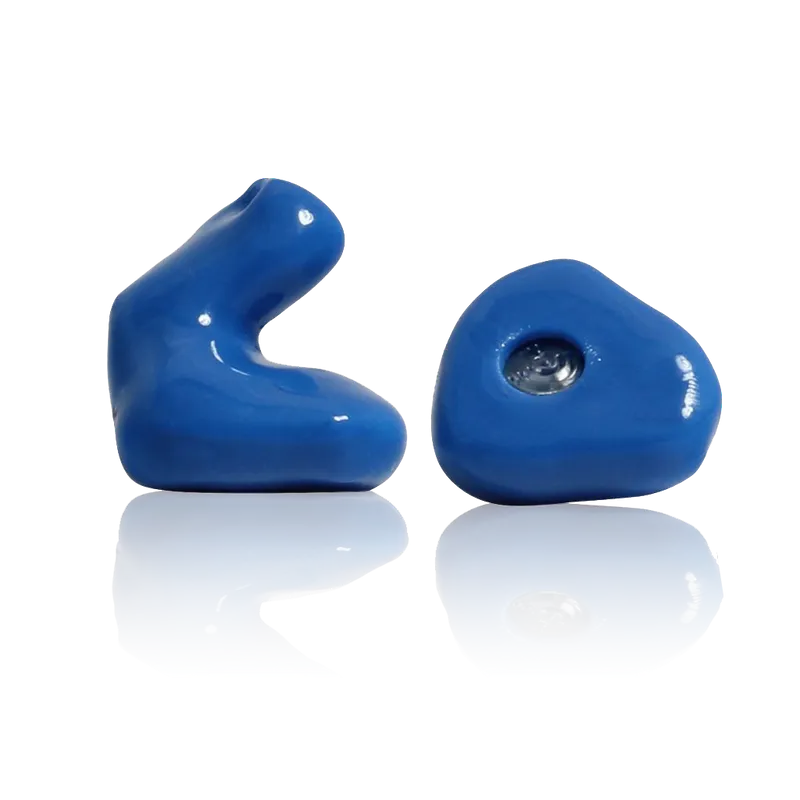
For custom-molded options, custom ear plugs offer the tightest seal and longest comfort, though universal-fit models work well for most players and situations.
Choosing the Right Attenuation Level for Your Instrument
Attenuation ratings typically range from 15 dB to 27 dB. Your ideal level depends on your instrument, venue size, and position on stage.
| Attenuation | Best For | Typical Use Case |
|---|---|---|
| 15-17 dB | Acoustic ensembles, jazz, orchestral | Moderate volumes where communication is critical |
| 19-21 dB | Rock, pop, amplified venues | Balanced protection for most gigging musicians |
| 25-27 dB | Drummers, heavy metal, stadium stages | Extreme SPL environments requiring maximum reduction |
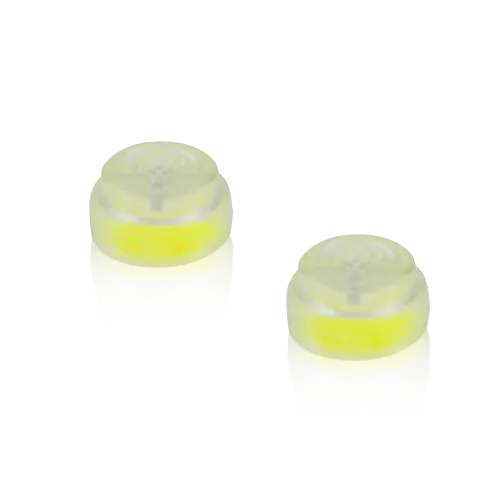
Drummers and brass players benefit from higher attenuation since they sit closest to the loudest sources. Guitarists and vocalists often prefer 19 dB filters to maintain monitoring clarity while still cutting harmful peaks. The dynamic ear filter 20db usa sits in the sweet spot for versatile stage use.
Many professional musician ear plugs include interchangeable filters, so you can swap attenuation levels depending on the gig. We keep a 15 dB set for acoustic coffee-shop sessions and a 25 dB set for outdoor festival stages. Check the latest price to see which bundles include multiple filter options.
Universal Fit vs Custom Molded Options
Universal-fit musicians earplugs use silicone or soft polymer tips in multiple sizes. Custom molded versions require an audiologist impression of your ear canal. Both approaches preserve sound quality, but the choice hinges on budget, comfort, and frequency of use.
Universal fit advantages:
- Immediate availability without waiting for lab fabrication
- Lower upfront cost, typically under fifty dollars
- Easy to share or replace if lost
- Works well for occasional gigging or rehearsal protection
Custom molded advantages:
- Perfect seal eliminates fit gaps and maximizes attenuation consistency
- All-day comfort for touring musicians who wear protection for hours
- Longer lifespan, often five years or more with proper maintenance
- Reduced chance of falling out during energetic performances
If you play multiple gigs per week or tour regularly, custom ear plugs justify the investment. Weekend warriors and studio musicians usually find universal models like gig ear plugs more than adequate. According to Audio University Online, both types deliver clinically significant hearing protection when worn consistently.
Maintaining and Caring for Your Musician Earplugs
High fidelity earplugs accumulate earwax, sweat, and debris that clogs filters and degrades performance. We clean ours after every gig to maintain attenuation accuracy and hygiene.
Cleaning routine:
- Remove filters from shells if your model is modular
- Rinse shells and tips under warm (not hot) water
- Use mild soap and a soft brush to scrub away buildup
- Let all components air-dry completely before reassembling
- Store in the protective case to prevent dust and damage
Never use alcohol, hydrogen peroxide, or harsh solvents on acoustic filters. These chemicals can degrade the tuned membranes inside and shift the attenuation curve. If filters become visibly clogged or discolored, most brands sell replacement sets.

For musicians who also need hearing protection during travel or sleep, noise cancelling earplugs for sleeping offer a different design optimized for blocking steady ambient noise rather than preserving frequency response.
Who Benefits Most from Musicians Earplugs
Any musician exposed to amplified sound or loud acoustic instruments should wear hearing protection.
Primary candidates:
- Drummers and percussionists who sit directly in front of cymbals and snares generating 110+ dB peaks
- Electric guitarists and bassists standing near stage amps for hours during rehearsals and gigs
- Audio engineers and producers monitoring at reference levels in control rooms and live FOH positions
- Brass and woodwind players in big bands, marching ensembles, or orchestras with sustained high SPL sections
- Vocalists and acoustic players in amplified environments or when sharing stages with louder instruments
Even if your primary gig is quieter, grab the code and keep a set in your instrument case. Jam sessions, outdoor festivals, and club gigs often hit dangerous levels unexpectedly. Resources like Music Radar’s 2026 roundup and HearingTracker’s live music guide confirm that consistent use is the single most effective way to preserve hearing across a long career.
Tinnitus and hearing loss are cumulative and irreversible. We have seen too many talented players forced to scale back or quit because they skipped protection early in their careers. Investing in quality musicians earplugs now protects your ability to make music for decades.
Questions
Do musicians earplugs really keep music sounding natural?
Yes, high fidelity models use acoustic filters that reduce all frequencies evenly, so the tonal balance stays intact at a lower volume. You hear the same mix as without plugs, just 15 to 25 dB quieter.
Can I wear the same earplugs for concerts and rehearsals?
Absolutely. Most musicians earplugs work across both settings, though you may want higher attenuation for stadium gigs and lower ratings for acoustic rehearsals. Many brands offer interchangeable filters for flexibility.
How long do high fidelity earplugs last before I need to replace them?
Universal-fit silicone models typically last one to two years with regular cleaning. Custom molded versions often remain effective for five years or more if you maintain them properly and store them in a protective case.
Will earplugs make it harder to hear myself sing or play?
No. Quality musician earplugs eliminate the occlusion effect that makes your own voice sound boomy. You will hear yourself clearly in the mix without the internal echo that cheap foam plugs create.
Are custom ear plugs worth the extra cost for gigging musicians?
If you perform multiple times per week or tour regularly, yes. Custom molds offer superior comfort for long wear and a perfect seal that maximizes protection. Occasional players usually find universal-fit options sufficient.
What attenuation level should drummers choose?
Drummers typically need 25 to 27 dB attenuation since they sit closest to cymbals and snares that generate peak levels above 110 dB. This higher reduction protects against the most intense transient spikes without over-muffling the kit.
Products in this guide
Shopping at EARPEACE? See the discount code
10% OFF All Orders
More in this series
Custom Ear Plugs vs Standard Earplugs: Which Hearing Protection Is Worth It?3 Aug 20265 minHow Long Do Reusable Concert Ear Plugs Last Before Replacement?3 Aug 20264 min EarPeace Motorcycle Ear Plugs Review: Wind Noise Reduction on Long Rides3 Aug 20264 minDo High Fidelity Earplugs Really Preserve Music Quality at Live Shows?3 Aug 20264 minHow to Choose the Right Ear Plugs for Sleeping vs Concerts3 Aug 20265 min