 A EARPEACE guide
How to Choose the Right Ear Plugs for Sleeping vs Concerts
Choosing the right ear plugs for sleeping versus concerts depends on noise reduction needs, comfort for extended wear, and whether you need to hear alarms or music clarity.
Ear plugs for sleeping are designed to block maximum noise so you can rest through snoring, traffic, or noisy neighbors, while concert ear protection preserves sound quality and helps prevent hearing damage without muffling music. The right choice depends on whether you need total silence or balanced audio filtering.
Key Features That Separate Sleep Ear Plugs From Concert Protection
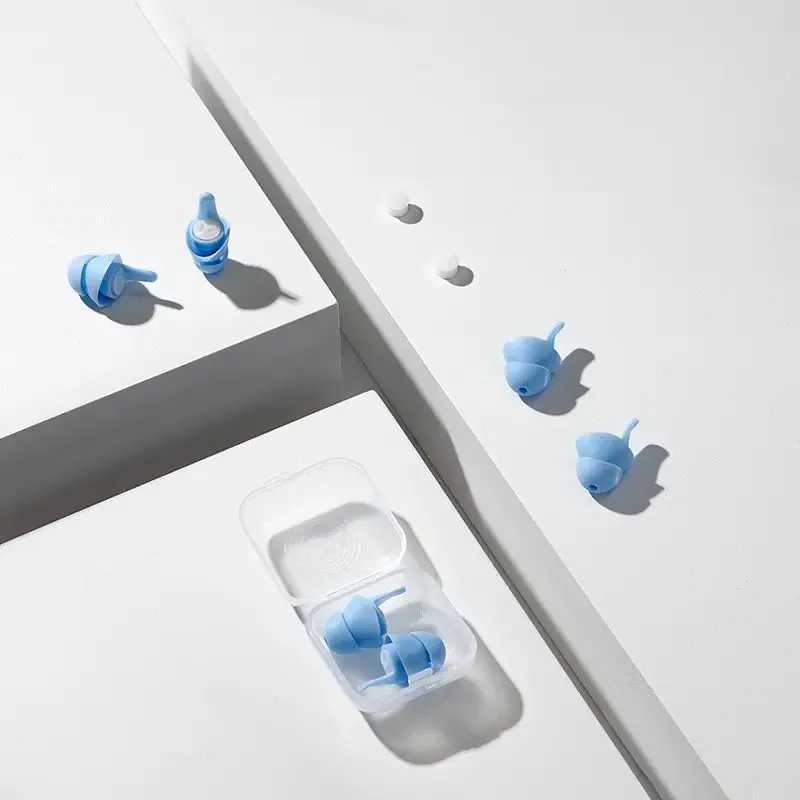
Sleep focused designs prioritize soft materials, a high noise reduction rating, and a low profile shape that will not press into your ear when you are lying on your side. Noise cancelling earplugs for sleeping use foam or silicone that expands to seal your ear canal, blocking a wide range of frequencies including low pitched sounds like snoring or a rumbling engine.
Concert and music ear plugs take a different approach. High fidelity earplugs use acoustic filters that reduce volume evenly across frequencies, so music still sounds clear and balanced rather than muffled. These are designed to preserve the quality of vocals and instruments while protecting your ears from damaging sound pressure at live shows or rehearsals.
The main differences break down like this:
- Noise reduction goal: sleep plugs block everything; concert plugs filter selectively
- Material density: sleep versions use softer foam or gel; concert models need firmer stems to hold filters
- Intended wear time: sleep plugs are built for several hours; concert plugs for shorter, active listening sessions
- Profile height: sleep designs sit flush; concert plugs may have visible stems for easy removal
Material and Comfort Considerations for Extended Wear
If you are shopping for sleeping ear plugs to use every night, material choice affects whether you will actually keep them in all night. Foam ear plugs compress when you roll them, then expand to fill your ear canal, which suits side sleepers well. They are inexpensive, and some reusable foam options are designed to be cleaned and reused for a stretch of days.
Silicone and thermoplastic options generally offer a longer lifespan and easier maintenance. Ear plugs for sleeping reusable models can last for months when washed regularly with mild soap. For sensitive skin or a latex allergy, hypoallergenic silicone helps avoid irritation during all night wear. A multi size pack is worth trying first, since ear canal size varies a lot between people.
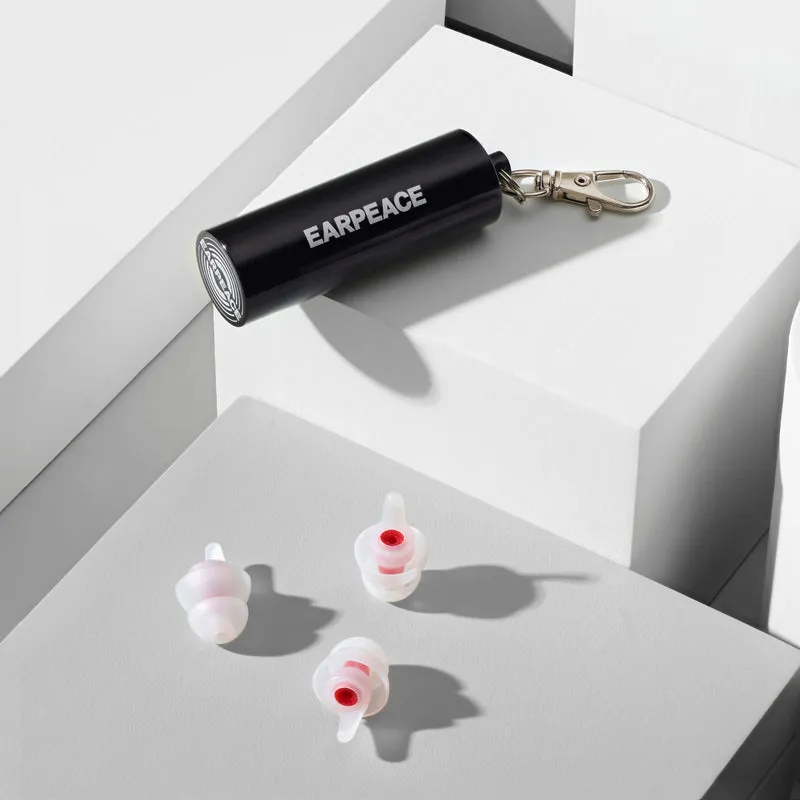
Concert gear prioritizes a secure fit over ultra soft cushioning. Ear plugs for concerts typically use a medical grade silicone body with a replaceable acoustic filter, and the slightly firmer material helps them stay seated even while moving or dancing. Many musicians and regular concertgoers prefer gig ear plugs with a removable filter core, since it lets them adjust attenuation between venues or performances.
Noise Reduction Ratings: How Much Blocking Do You Need?
Sleep plugs generally aim for a noise reduction rating in the high 20s to low 30s in decibels, enough to handle common bedroom disruptions like snoring, street traffic, or apartment noise, without requiring dangerous over insertion. If you are specifically looking for the best earplugs for sleeping with a snorer, focus on a full seal design with a rating toward the higher end of that range.
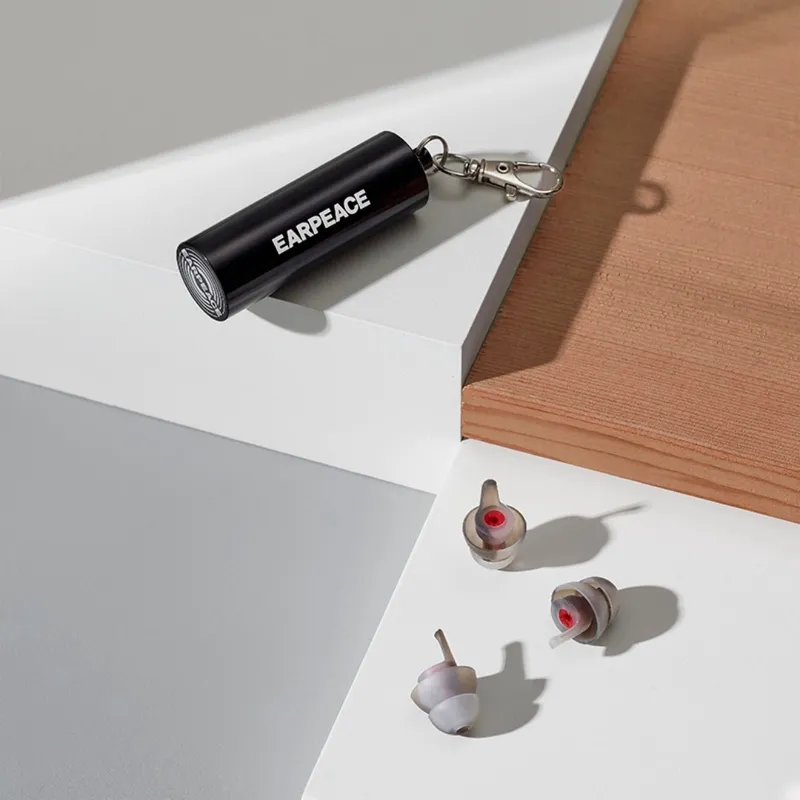
Concert and venue protection works differently. Concert ear protection is designed to bring a loud show down to a safer listening level for several hours while still letting you hear lyrics clearly. Lower attenuation suits acoustic performances or quieter clubs, while motorcycle ear plugs are built to cut wind noise on long rides without blocking traffic sounds you need to hear.
One note on sleep and alarms: standard ear plugs reduce all sound by roughly the same amount, including an alarm. Test your setup on a weekend morning before relying on it for a workday, and consider a vibrating alarm as backup if you are a heavy sleeper.
Comparing Options for Sleep vs Concert Use
| Use Case | Best For | Key Feature |
|---|---|---|
| Nightly sleep | Side sleepers, snoring partners | Soft foam or silicone, low profile |
| Concert and live music | Musicians, festival goers | Acoustic filters, clear sound |
| Travel and power naps | Planes, hotels, daytime rest | Portable case, reusable |
| Loud venues and motorsports | Clubs, racing, power tools | High attenuation, secure fit |
Dedicated designs generally outperform generic multipurpose plugs in their specific context. See The 3 Best Earplugs for Sleeping of 2026 for independent lab testing that compares specialized sleep models against general use options.
Getting the Right Fit for Side Sleepers and Active Listeners
Fit problems cause most ear plug failures. For sleep, ear plugs for sleeping on side need to sit flush with your ear opening so they do not press into your pillow and create a pressure point. Roll foam plugs thin, insert them while pulling your ear up and back, then hold for a moment while they expand fully. If you feel them pushing out overnight, you likely need a smaller size or a different material.
Concert ear plugs use a different insertion technique. High fidelity earplugs with a stem should be inserted straight in without rolling, and you should feel a slight seal once they are properly seated. Do a sound check before the show starts by covering and uncovering your ears alternately to confirm both plugs are reducing volume equally, since uneven attenuation usually means one side is not inserted deep enough.
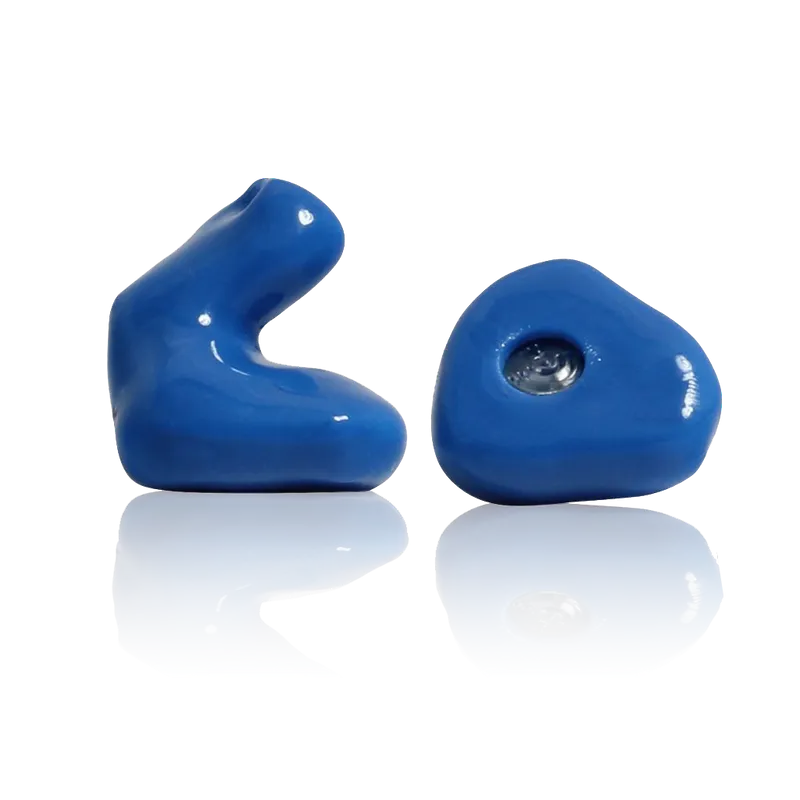
Size selection matters more than most buyers realize. Small, medium, and large typically refer to the diameter of the plug’s widest point, and too large a size causes pain while too small allows sound to leak in. Custom ear plugs molded to your specific ear shape remove the fit guesswork but cost more than a universal fit option.
Where to Compare Our Recommendations
Check the current EarPeace discount code, which applies to both sleep and concert categories.
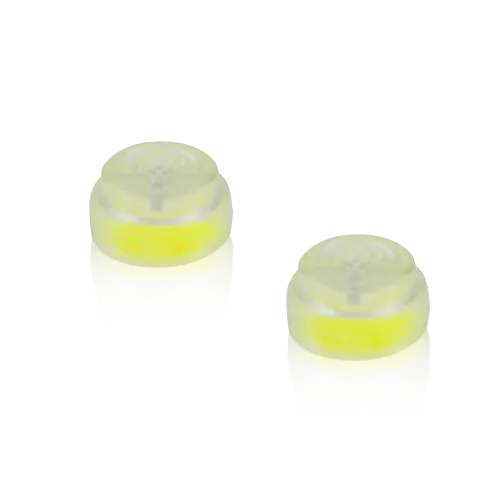
For occasional concert use, a universal fit option like the dynamic ear filter 20db usa model is a reasonable starting point before investing in a custom mold. If you need sleep plugs for nightly use, reusable silicone tends to be more cost effective over time than disposable foam. Browse the full range and check the latest price on the store page to compare current offers, from basic foam to advanced filtered designs.
Owning both a sleep set and a concert pair covers most people’s noise control needs. Keep your sleep plugs in a bedside case and your concert set in your bag or car so they are always available when you need them.
Questions
Can I use concert ear plugs for sleeping?
Concert ear plugs generally do not block enough noise for quality sleep, since they are built to reduce sound less than a dedicated sleep plug needs to mask snoring or traffic. They also tend to use firmer materials and a protruding stem that can press uncomfortably into a pillow when lying on your side.
Will ear plugs for sleeping block my alarm clock?
Most alarms can still wake you through ear plugs, since a phone alarm at maximum volume is loud enough to get through. Test your setup on a weekend first, and consider adding a vibrating alarm as backup.
How long do reusable silicone ear plugs last?
Quality reusable silicone ear plugs typically last a few months with regular cleaning using mild soap and water. Replace them sooner if you notice the material becoming stiff, sticky, or no longer creating a good seal in your ear canal.
What noise reduction rating is best for sleeping with a snorer?
Look for ear plugs toward the higher end of the typical sleep range to help mask snoring, which includes a lot of low frequency sound that is harder to block than higher pitched noise. A full seal foam or silicone design generally works best.
Do high fidelity earplugs really keep music sounding clear?
Yes, high fidelity earplugs use acoustic filters that reduce all frequencies evenly rather than muffling treble, so you hear more balanced music at a safer volume. Musicians and regular concertgoers often say they can still distinguish vocals and instruments clearly at shows.
Are foam or silicone ear plugs better for side sleepers?
Both can work if they have a low profile design. Soft foam tends to feel more comfortable against a pillow since it compresses slightly under pressure, while silicone lasts longer and cleans more easily. Try both materials to see which stays comfortable through the night for you.
Products in this guide
Shopping at EARPEACE? See the discount code
10% OFF All Orders
More in this series
Can Musicians Earplugs Prevent Hearing Damage Without Losing Sound Clarity?3 Aug 20264 minCustom Ear Plugs vs Standard Earplugs: Which Hearing Protection Is Worth It?3 Aug 20265 minHow Long Do Reusable Concert Ear Plugs Last Before Replacement?3 Aug 20264 minEarPeace Motorcycle Ear Plugs Review: Wind Noise Reduction on Long Rides3 Aug 20264 minDo High Fidelity Earplugs Really Preserve Music Quality at Live Shows?3 Aug 20264 min