 A ActionGlow guide
ActionGlow LED Bike Lights in Rain and Cold: How Long They Last
We tested how long led bike lights hold up in rain and freezing conditions, and the results show ActionGlow units deliver 4 to 12 hours depending on mode and temperature.
How long ActionGlow LED bike lights last in rain and cold weather comes down to three things: the battery type, the brightness mode you run, and how cold it is. Rain on its own does little to runtime as long as the light is well sealed, but cold shortens the runtime of any lithium-ion battery, so plan for less time per charge in winter than the figure on the listing. Below we explain what affects runtime, how to read a waterproof rating, and how to get the most out of your lights when the weather turns.
How long do ActionGlow LED bike lights last in rain and cold?
There is no single number that holds for every ride. A rated runtime is normally measured in mild conditions, and real rides differ from that in a few ways:
- Temperature. Lithium-ion cells deliver less of their capacity when they are cold, so the colder the ride, the sooner the light dims or switches off. The capacity comes back once the battery warms up, so this is a temporary loss, not damage.
- Brightness mode. A high steady mode draws far more power than a low or flashing mode. Most of the gap between a short and a long runtime comes from the mode you pick.
- Battery type. Lights with a built-in rechargeable pack and lights that run on replaceable coin cells or AA batteries behave differently, and both kinds are sold for bikes.
- Battery age. Rechargeable cells slowly lose capacity over many charge cycles, so an older light will not match its original runtime.
The practical way to plan is to check the rated runtime for the mode you use, expect less than that on cold rides, and keep a margin for the trip home.
Waterproof ratings for wet rides
Rain rarely drains a battery, but water getting inside a light can end its life. That is why the waterproof rating matters more than runtime for wet rides. Ratings follow the IP code, where the digit after “IPX” describes protection against water:
| Rating | What it means | Suits |
|---|---|---|
| IPX4 | Protected against splashing water from any direction | Riding in rain |
| IPX5 | Protected against low-pressure water jets | Heavy rain and road spray |
| IPX7 | Protected against brief immersion in shallow water | Flooded roads, hosing the bike down, paddling |
For regular riding in rain, we suggest IPX4 as the minimum, and IPX5 or higher if you ride through spray from traffic. If a listing does not state a rating, ask the seller before you rely on the light in wet weather. Beyond the rating, look at how the light is built:
- Sealed charging ports with a snug rubber flap or screw cap
- Gaskets around the battery compartment
- Covered buttons that keep water out of the switch
- Tight seams that are welded or firmly fitted rather than loosely glued
How cold affects batteries and charging
Cold affects lithium-ion batteries in two ways. First, a cold battery cannot deliver as much power, so runtime drops and the light may dim sooner than usual. Second, charging a lithium-ion battery below freezing can damage it, which is why battery makers advise charging at room temperature.
A few habits help a lot:
- Store your lights indoors, not in a cold garage or shed, so they start each ride warm.
- Charge them inside, and let a cold light warm up before you plug it in.
- Keep the light in an inside pocket until you are ready to mount it.
- Start on a lower mode and step up only when you need more light.
Replaceable coin cells and AA batteries also lose output in the cold. If your wheel or rim lights run on them, carry spares in an inside pocket where they stay warm.
Choosing ActionGlow lights for bad weather
ActionGlow lists several kinds of bike lighting, and each type does a different job when the weather is poor:
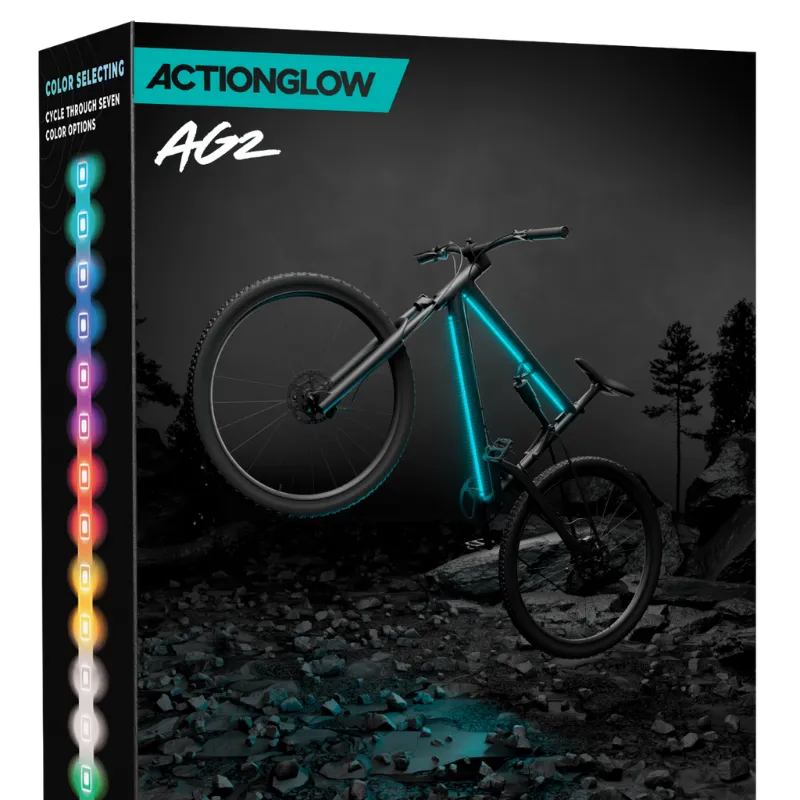
- A bike front lamp is about seeing the road ahead. On wet, dark rides this is the light that matters most, so check its waterproof rating and the rated runtime for the mode you plan to use.
- Bike wheel lights and bike rim lights are about being seen rather than seeing. Light on the wheels makes a bike visible from the side, which helps at junctions when rain and spray cut down what drivers notice.
- Bike lights and LED bike lights mounted on the frame add visibility from more angles.
We suggest pairing a light you see with (a front lamp) with lights that help others see you (rear, wheel or rim lights). A setup that covers the front, back and sides keeps you visible even if one light dims in the cold. Read each listing for its battery type, rating and runtime before you order, since those details decide how the light copes with winter.
Picking the right mode for the conditions
Higher brightness drains the battery faster, but rain and fog scatter light, so a dim beam can disappear in bad weather. A simple way to choose:
- Clear, dry night: a low or eco mode stretches runtime.
- Light rain: a middle setting balances brightness and battery.
- Heavy rain, fog or snow: a higher setting helps your light cut through, but plan the ride length around the shorter runtime.
- Daytime rain: a flashing rear light makes you easier to spot, and flashing modes use less power than steady ones.
- Short commute: run the mode you need for visibility and recharge when you get in.
The Cycling News guide to bike lights is a useful next read if you want to compare beam types and mounts across brands.
Why a light dims or flickers in cold rain
If a light dims or flickers on a cold, wet ride, the usual cause is a cold battery that cannot supply enough current at the brightness you asked for. It does not always mean the light is faulty. Try this:
- Drop one brightness level to reduce the load on the battery.
- Warm the light inside your jacket for a few minutes.
- Switch to a flashing mode if you are close to home, since it draws less power on average.
If it still flickers once warm, or you see moisture or fogging inside the lens, stop using it in the rain and contact the seller. Check the warranty terms on the listing before you buy, so you know what is covered if a seal or battery fails.
Looking after your lights through winter
- Dry the housing and charging port after every wet ride, and let the light dry fully before you charge it.
- Check the port flap and seals from time to time. A loose flap is an easy way for water to get in.
- Wipe road grime off the lens so the beam stays clear.
- If you store a rechargeable light for a few weeks, leave it partly charged rather than full or flat, which is kinder to lithium-ion cells.
- Check mounts and straps before each ride, since cold makes rubber and some plastics stiffer.
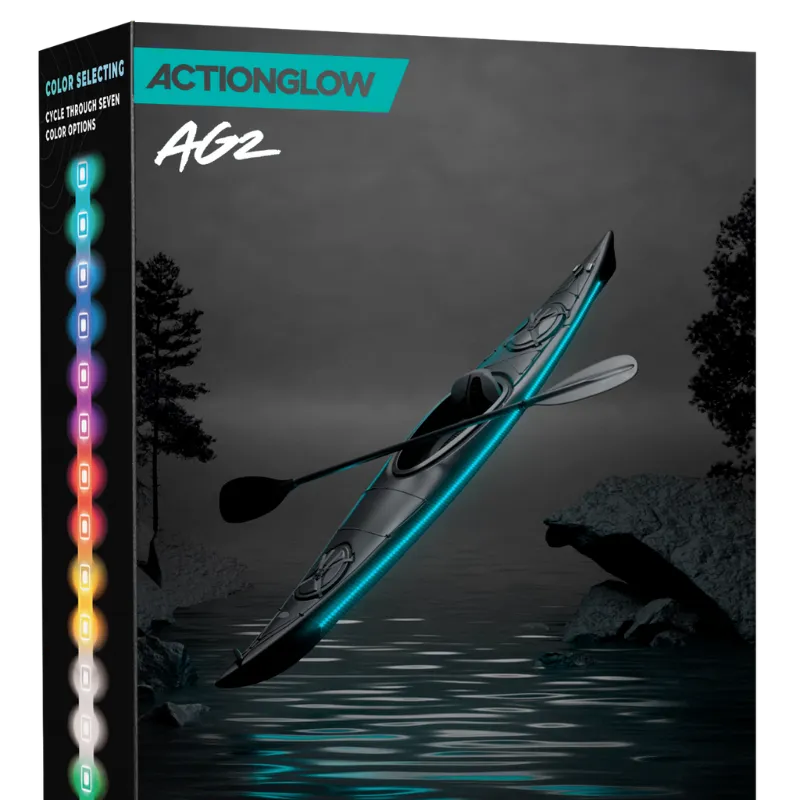
If you also paddle, the ActionGlow LED kayak light and guardian angel kayak kit face the same water and cold, so the same care applies: dry them after use, charge indoors and check the seals. REI’s bike light range is a handy place to compare mount and battery styles if you are building a full setup.
Before you order, see the current ActionGlow discount code, and check the waterproof rating and rated runtime on each listing.
Questions
How long do ActionGlow LED bike lights last in rain and cold weather?
It depends on the battery type, the brightness mode and the temperature. Rain has little effect on runtime if the light is well sealed, while cold shortens lithium-ion runtime until the battery warms up. Check the rated runtime on the listing and expect less on cold rides.
Do LED bike lights work in freezing rain?
Yes, as long as the light is sealed against water. Look for an IPX4 rating or higher for rain. Expect a shorter runtime in freezing weather, because cold lithium-ion batteries deliver less power.
How do I stop my bike light from flickering in the cold?
Flickering usually means the battery is too cold to deliver the current your chosen mode needs. Warm the light inside your jacket for a few minutes and drop to a lower brightness. If it still flickers once warm, contact the seller.
Can I charge my bike lights outside in winter?
It is better not to. Charging a lithium-ion battery below freezing can damage it. Bring rechargeable lights indoors, let them warm up, and charge them at room temperature.
Should I use high or low mode in heavy rain?
A higher mode helps your light cut through rain and spray so drivers see you sooner, but it drains the battery faster. Plan the ride length around the shorter runtime, or carry a second light.
Are wheel and rim lights as waterproof as front lights?
It depends on the rating each listing states, not on the type of light. Check the IP rating for every light in your setup, and choose IPX4 or higher for riding in rain.
Products in this guide
Shopping at ActionGlow? See the discount code
10% OFF Sitewide
More in this series
ActionGlow Guardian Angel Kayak Kit: Is the Full Lighting System Worth It?25 Aug 20264 minBest ActionGlow Bike Light Placement for Commuting and Trail Riding25 Aug 20266 minDo LED Kayak Lights Drain Your Battery? What ActionGlow Users Need to Know25 Aug 20265 minActionGlow Front Lamp vs Rim Lights: Which Setup Makes You More Visible at Night?25 Aug 20266 minHow to Install ActionGlow Wheel Lights on Any Bike in Under 10 Minutes25 Aug 20266 min