 A ActionGlow guide
Do LED Kayak Lights Drain Your Battery? What ActionGlow Users Need to Know
LED bike lights consume minimal power, but battery drain depends on brightness settings, LED type, and whether you choose rechargeable or disposable cells.
Do LED Bike Lights Drain Your Battery Fast?
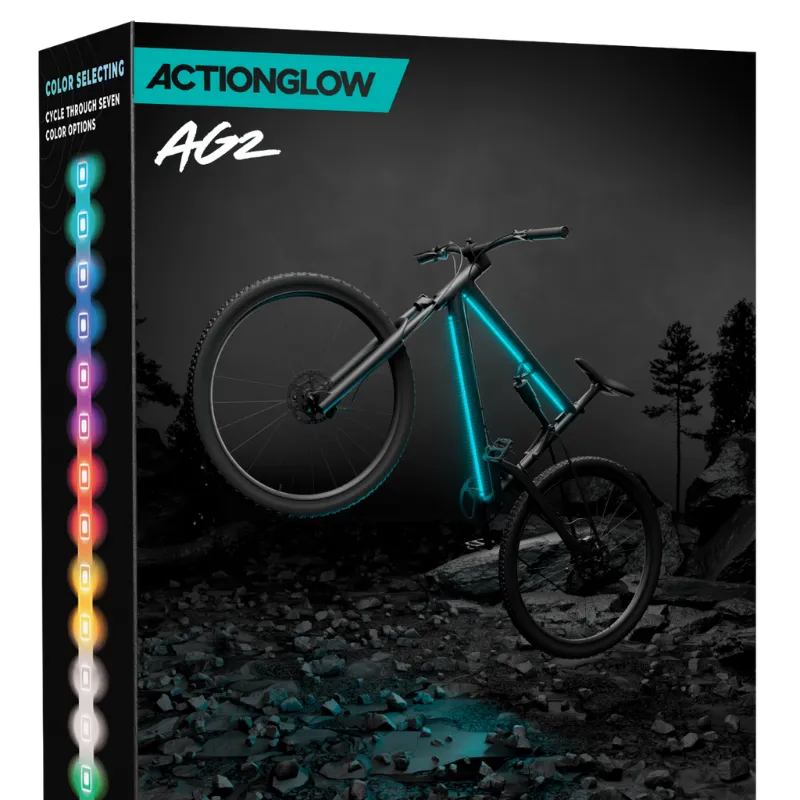
LED bike lights draw very little power compared to older halogen bulbs, but battery drain still depends on your brightness mode, runtime settings, and whether you’re using rechargeable or alkaline cells. Most ActionGlow led bike lights run 4 to 20 hours on a single charge, and the brand’s kayak lighting options use the same efficient LED technology to keep you visible without constant recharging.
How Much Power Do LED Bike Lights Actually Use?
Modern LEDs are remarkably efficient. A typical front bike light pulls 1 to 5 watts, while a rear blinker uses as little as 0.1 watts. For comparison, a smartphone screen draws 2 to 4 watts, so even a high-powered bike front lamp consumes less energy than scrolling through social media.
ActionGlow’s wheel and frame lights use individual 5mm LEDs rated at 0.02 watts each. A full set of bike wheel lights with 20 LEDs per wheel draws about 0.8 watts total, which is why two AA batteries can power them for 30+ hours in flash mode.
Battery life varies by mode:
- Steady high beam: 4 to 8 hours (front lamps)
- Steady low beam: 10 to 15 hours (front lamps)
- Flashing mode: 15 to 40 hours (any light)
- Ambient glow: 20+ hours (wheel and frame lights)
USB rechargeable models like ActionGlow’s main bike lights typically pack 1000 to 2000 mAh lithium-ion cells, giving you multiple rides per charge. Disposable battery models accept AA or AAA alkaline cells, which are convenient for backup but cost more over time.
Which ActionGlow Lights Last the Longest?
Runtime varies by model and battery type, and generally scales with battery count and LED efficiency.
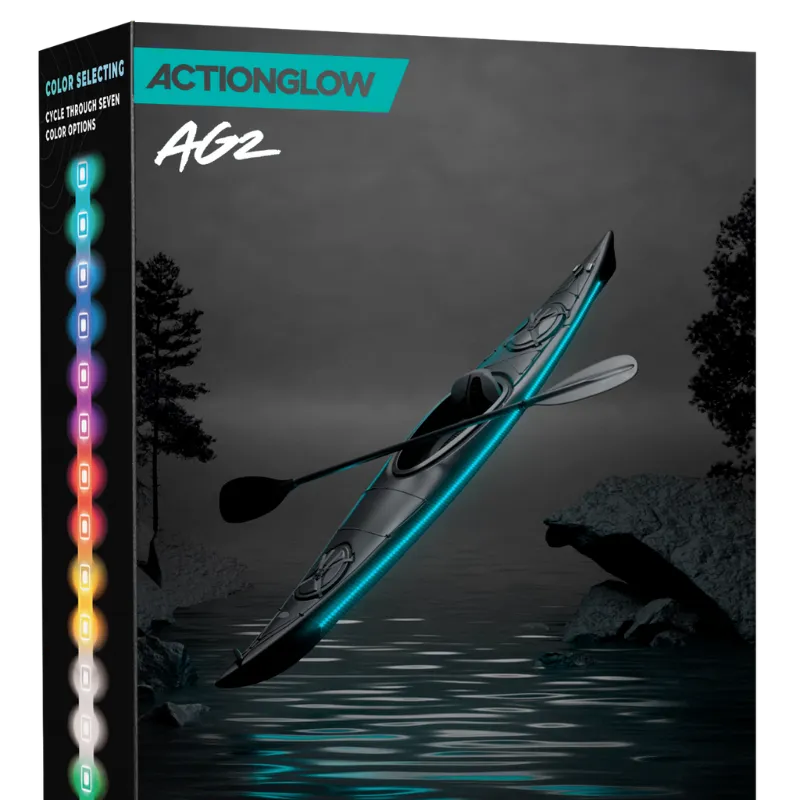
The guardian angel kayak kit and led kayak lights are engineered for long paddles, so they default to lower-draw LEDs and extended battery compartments. If you need the absolute longest runtime, these kayak models work just as well on a bike frame and outlast most bike-specific lights.
For night riding with frequent stops, the bike rim lights strike the best balance. They’re visible from the side (critical at intersections) and run 25+ hours in flash mode on two AAA batteries, so you’ll change them less often than a handlebar light.
Do Rechargeable LED Bike Lights Hold a Charge?
USB rechargeable lights are convenient, but lithium-ion cells self-discharge about 2 to 5 percent per month when stored. If you ride sporadically, you may find your led bike lights half-dead after sitting in the garage for six weeks.
To maximize rechargeable battery lifespan:
- Charge to 80 percent for storage (not 100 percent)
- Keep stored lights in a cool, dry place (not a hot car)
- Top off the charge every 2 to 3 months if unused
- Avoid draining to zero before recharging
ActionGlow’s rechargeable models include overcharge protection, so you can leave them plugged in overnight without damage. We recommend a full discharge and recharge cycle every 20 to 30 charges to recalibrate the battery indicator.
Disposable alkaline cells, by contrast, lose about 2 percent per year in storage, making them ideal for emergency backup lights. Keep a spare set of AAs in your saddlebag for long tours.
Tips to Reduce Battery Drain on Night Rides
You don’t need maximum brightness for every ride. Expert testing shows that a flashing 200-lumen front light is just as visible to drivers as a steady 800-lumen beam, but it lasts three times longer.
Our power-saving strategies:
- Use flash mode in the city: cars spot motion faster than steady beams, and you’ll triple your runtime.
- Dim the light on well-lit streets: save high beam for unlit country roads.
- Turn off wheel lights during the day–bike wheel lights are designed for low-light visibility, not daytime decoration.
- Carry a USB battery pack: a 5000 mAh power bank recharges a front lamp 2 to 3 times on tour.
- Check battery level before every ride: most rechargeable lights blink or change color when below 20 percent.
If you ride daily, set a weekly charging schedule (Sunday night works for most commuters). For weekend warriors, top off the charge the evening before your ride.
Grab the current discount code to save 10% on any ActionGlow light, including multi-packs that let you rotate charged batteries between bikes.
Are LED Lights Better Than Dynamo or Battery-Free Options?
Dynamo hubs generate power from your wheel’s rotation, so they never drain a battery. But they add weight, cost $100 to $300 to install, and produce dim light at slow speeds. For casual riders, LED lights with replaceable batteries offer better value and performance.
ActionGlow’s LED technology delivers 50 to 200 lumens per watt, far exceeding the 10 to 20 lumens per watt you’d get from a budget dynamo. Reviews from cycling experts consistently rank rechargeable LED systems as the best balance of brightness, weight, and cost for recreational and commuter cyclists.
If you’re lighting a kayak, dynamos aren’t an option at all. The light kayaks category includes waterproof LED strips that run 15+ hours on three AAA batteries, weigh under 4 ounces, and mount in seconds with adhesive backing.
When Should You Replace vs. Recharge ActionGlow Lights?
Rechargeable lithium-ion cells degrade after 300 to 500 charge cycles, losing about 20 percent of their original capacity. If your front lamp used to run 8 hours but now dies after 5, the battery is near end-of-life.
ActionGlow doesn’t sell replacement cells separately, but the lights themselves are affordable enough to replace every 2 to 3 years of heavy use. Check the latest pricing before you buy, seasonal sales often drop prices 15 to 25 percent.
For disposable-battery models like bike rim lights, switch to rechargeable AA or AAA cells (Eneloop or similar). They cost more upfront but pay for themselves after 10 charges and reduce landfill waste.
Signs it’s time to replace your lights:
- Battery drains in under 2 hours on a fresh charge
- LED output has dimmed noticeably compared to new
- Charging port is loose or corroded
- Waterproof seal has cracked (critical for kayak lights)
For occasional riders, expect 3 to 5 years of service.
Best LED Bike Lights for Long Battery Life
If maximum runtime is your priority, choose lights with these features:
- Multiple brightness modes: lets you scale power to conditions
- Flash or pulse settings: extends battery life 2× to 4× vs. steady
- Rechargeable batteries: cheaper per hour than disposables after 10 uses
- Low-battery indicator: prevents mid-ride blackouts
ActionGlow’s bike lights check all four boxes and include a USB-C charging cable. For side visibility, add bike wheel lights or bike rim lights: they draw so little power that you’ll forget they’re on.
Kayakers should look at the guardian angel kayak kit, which bundles bow, stern, and perimeter lighting in one waterproof package. It’s also our top pick for bikepacking, since the adhesive mounts work on any frame tube and the 35-hour flash mode outlasts most overnight trips.
REI’s bike light guide notes that LED technology has largely eliminated battery anxiety, most modern lights last long enough that you’ll finish your ride before the battery does. The real question is whether you remember to charge them between outings.
Set a calendar reminder, keep a spare set of batteries in your kit, and enjoy the ride. Your ActionGlow lights will handle the rest.
Questions
How long do LED bike lights last on a single charge?
Most rechargeable LED bike lights run 4 to 8 hours on high beam and 15 to 20 hours in flashing mode. ActionGlow's models with disposable batteries can last 30+ hours in flash mode on a single set of AA or AAA cells.
Do LED bike lights drain faster in cold weather?
Yes, lithium-ion batteries lose 10 to 20 percent of their capacity below freezing. Store rechargeable lights inside your jacket until you start riding, and carry a spare set of alkaline batteries for winter commutes.
Should I use steady or flashing mode for bike lights at night?
Flashing mode is more visible to drivers and lasts 2 to 4 times longer than steady mode. Use steady beam on unlit roads where you need to see the pavement, and switch to flash in the city or on well-lit bike paths.
Can I use ActionGlow kayak lights on my bicycle?
Yes, the guardian angel kayak kit and LED kayak lights work perfectly on bike frames. They're waterproof, have longer runtimes than most bike-specific lights, and the adhesive mounts stick to any clean surface.
How often should I charge rechargeable bike lights?
Charge your lights after every 2 to 3 rides, or weekly if you commute daily. Rechargeable LEDs self-discharge 2 to 5 percent per month, so top them off every few months if you ride infrequently.
Are disposable or rechargeable batteries better for bike lights?
Rechargeable batteries cost less per ride after about 10 uses and reduce waste. Disposable AA or AAA cells are better for backup lights or infrequent riders who don't want to manage charging schedules.
Products in this guide
Shopping at ActionGlow? See the discount code
10% OFF Sitewide
More in this series
ActionGlow LED Bike Lights in Rain and Cold: How Long They Last25 Aug 20266 minActionGlow Guardian Angel Kayak Kit: Is the Full Lighting System Worth It?25 Aug 20264 minBest ActionGlow Bike Light Placement for Commuting and Trail Riding25 Aug 20266 minActionGlow Front Lamp vs Rim Lights: Which Setup Makes You More Visible at Night?25 Aug 20266 minHow to Install ActionGlow Wheel Lights on Any Bike in Under 10 Minutes25 Aug 20266 min