 A Novaic points guide
Do LiFePO4 Batteries Last Longer Than Lead-Acid in Golf Carts?
LiFePO4 48v golf cart batteries deliver 3,000 to 5,000 charge cycles compared to lead-acid's 500 to 1,000, making them a longer-lasting investment for daily golf cart use.
LiFePO4 48v golf cart batteries outlast traditional lead-acid options by three to five times, delivering 3,000 to 5,000 charge cycles compared to lead-acid’s 500 to 1,000 cycles. That translates to six to ten years of reliable power versus two to four years for conventional flooded or AGM batteries, assuming similar usage patterns.
Why LiFePO4 Chemistry Extends Battery Life
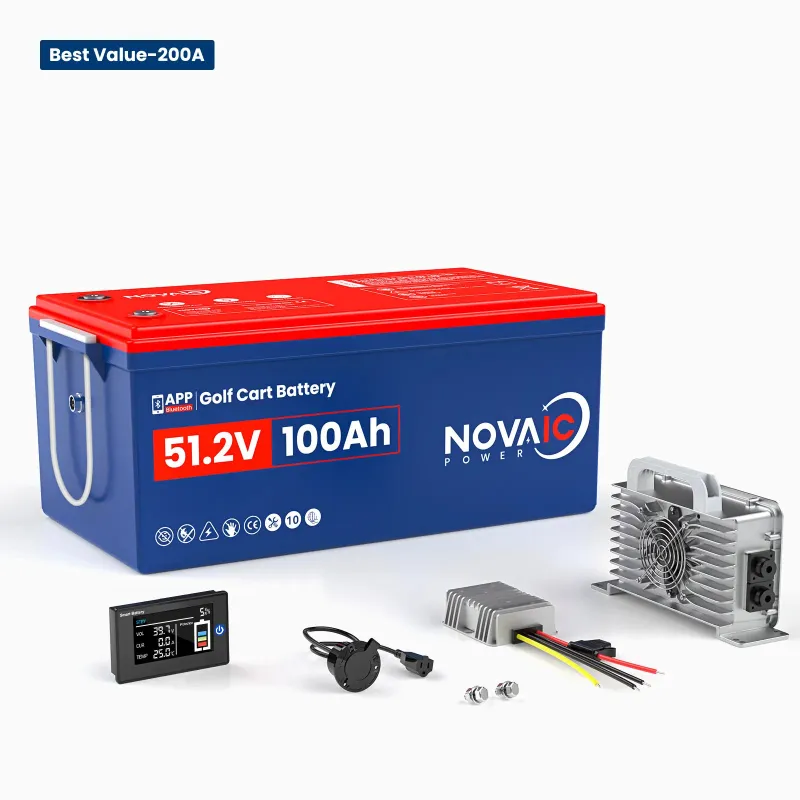
Lithium iron phosphate (LiFePO4) cells resist the sulfation and grid corrosion that degrade lead-acid batteries over time. Lead-acid chemistry relies on heavy lead plates submerged in sulfuric acid, and each discharge creates lead sulfate crystals. Repeated partial discharges or long idle periods harden these crystals, permanently reducing capacity. LiFePO4 cells store energy in a crystalline structure that tolerates partial states of charge without damage, so you can top off your 48v golf cart batteries between rounds without shortening their lifespan.
LiFePO4 also handles deeper discharges more gracefully. A 48v 105ah deep cycle lifepo4 battery maintains 80 percent of its rated capacity after 3,000 cycles at 80 percent depth of discharge, while lead-acid batteries lose significant capacity after just 500 cycles at the same depth. If you routinely run your cart hard over hilly terrain or long distances, lithium chemistry prevents the accelerated wear that kills lead-acid packs early.
Upfront Cost vs Total Cost of Ownership
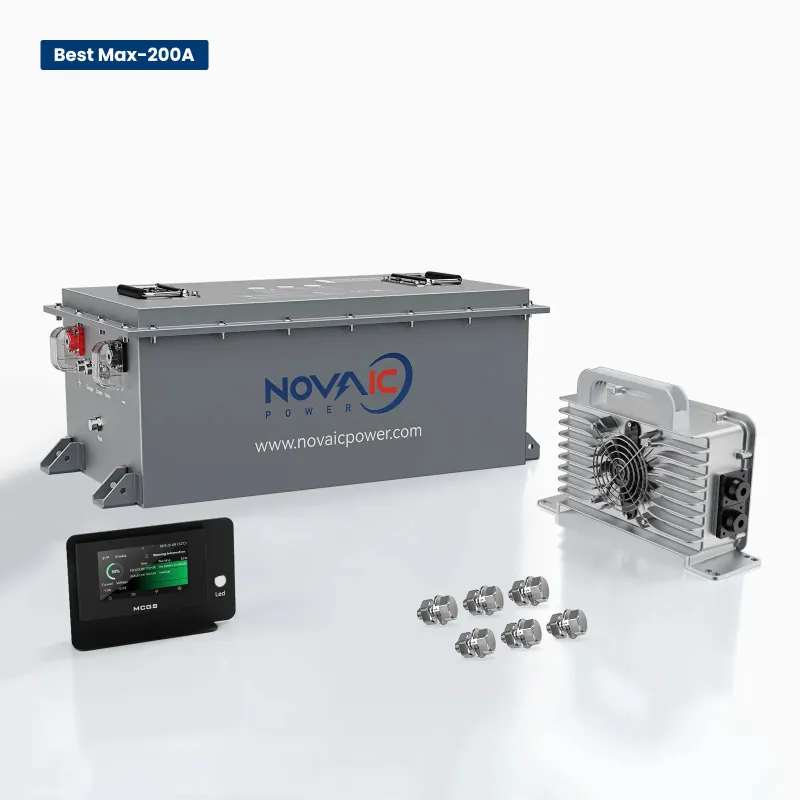
Lead-acid batteries cost less initially, a set of flooded golf cart batteries 48 volt might run half the price of an equivalent LiFePO4 pack. But when you factor in replacement frequency, the math shifts. Replacing lead-acid batteries every three years over a decade means two or three new sets, while a single LiFePO4 pack covers the entire period. Check the latest price to see current offers and calculate your own break-even timeline.
LiFePO4 batteries also hold voltage better under load, so your cart maintains consistent speed and torque even as the pack drains. Lead-acid voltage sags noticeably below 50 percent state of charge, forcing the controller to draw more current and accelerating wear on motors and wiring. That stability reduces maintenance costs across the entire drive system, not just the battery bank.
Weight, Charging Speed, and Real-World Performance
A LiFePO4 pack weighs 60 to 70 percent less than a comparable lead-acid set, improving acceleration and reducing stress on suspension and tires. Our club car batteries 48 volt drop total cart weight by 200 to 300 pounds, which matters if you haul gear or passengers regularly.
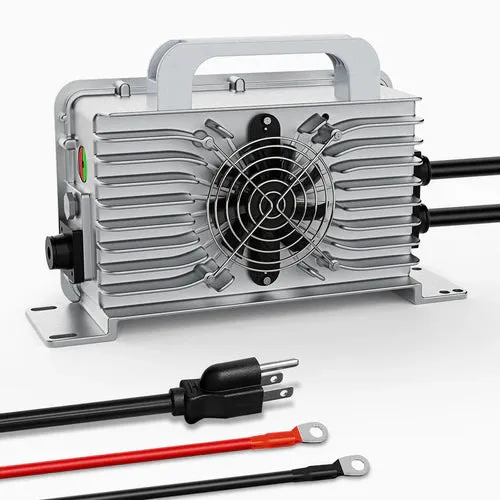
Charging speed is another advantage. A 48v golf cart battery charger designed for lithium can fully recharge a depleted pack in two to three hours, versus eight to twelve hours for flooded lead-acid. That faster turnaround means you can run your cart in the morning, recharge over lunch, and head out again in the afternoon without waiting overnight.
| Feature | LiFePO4 | Lead-Acid |
|---|---|---|
| Cycle life | 3,000 to 5,000 | 500 to 1,000 |
| Charge time | 2 to 3 hours | 8 to 12 hours |
| Weight (48V 100Ah) | 110 to 130 lbs | 320 to 360 lbs |
| Depth of discharge | 80 to 100% | 50% (recommended) |
When Lead-Acid Still Makes Sense
If you use your cart casually (once or twice a week for short trips) and plan to sell or upgrade within three years, lead-acid remains a practical choice. The lower upfront cost aligns better with occasional use, and you will likely move on before hitting the battery’s cycle limit. Lead-acid also tolerates neglect better in long-term storage; a trickle charger keeps flooded cells topped off for months, while LiFePO4 requires a battery management system to prevent over-discharge in storage.
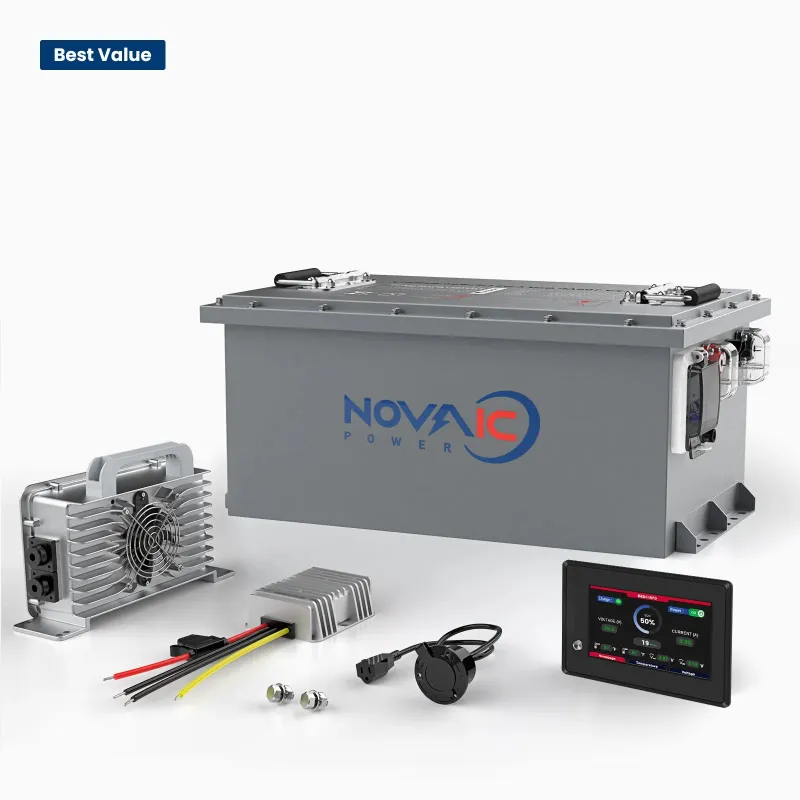
For fleet operators or daily riders, however, LiFePO4 pays for itself through extended lifespan and reduced downtime. A novaic lithium battery with integrated BMS eliminates the need for cell balancing and water top-ups, cutting labor costs in commercial settings. Grab the code to save on volume orders if you are upgrading multiple carts.
Converting to LiFePO4 in Existing Carts
Most 48-volt golf carts accept a direct swap from lead-acid to LiFePO4 without controller changes, though you will need a lithium-compatible charger. Look for a charger with a constant-current, constant-voltage profile and automatic shutoff to prevent overcharging. Some older carts use mechanical voltage regulators that expect lead-acid’s voltage curve; verify compatibility with your cart’s make and model before purchasing.
A best 48v lithium battery for golf cart setups includes a built-in battery management system that monitors cell voltage, temperature, and current. This BMS prevents over-discharge and balances cells automatically, eliminating the manual maintenance that lead-acid demands. If you are also considering higher voltage for more power, a 72 volt lithium golf cart battery delivers faster acceleration and higher top speed, though it requires a compatible controller and motor.
Environmental Impact and Disposal
Lead-acid batteries require careful disposal due to their sulfuric acid electrolyte and lead content. Battery recycling programs handle the bulk of spent packs, but transportation and processing add hidden environmental costs. LiFePO4 chemistry contains no heavy metals or corrosive liquids, and most components can be recovered and reused with less energy-intensive processes.
Over a decade of ownership, a single LiFePO4 pack avoids the manufacturing, shipping, and recycling burden of two to three lead-acid replacements. That reduction in material throughput matters if you value sustainability alongside performance.
Which Chemistry Fits Your Golf Cart Use?
Choose LiFePO4 if you drive daily, need fast recharge times, or want to minimize long-term costs and maintenance. The higher upfront price pays back through longer cycle life, lighter weight, and consistent performance. Choose lead-acid if you drive infrequently, need the lowest initial cost, or already have chargers and infrastructure built around flooded cells. For most serious golfers and fleet operators, lithium delivers better value once you account for replacement intervals and total ownership costs.
Questions
How many years will a LiFePO4 48v golf cart battery last?
A LiFePO4 48v golf cart battery typically lasts six to ten years with regular use, depending on charge cycles and depth of discharge. Lead-acid batteries last two to four years under similar conditions.
Can I use my existing charger with lithium golf cart batteries?
Most lead-acid chargers are incompatible with LiFePO4 batteries because they lack the constant-voltage cutoff lithium requires. You need a lithium-specific charger to prevent overcharging and protect the battery management system.
Do lithium batteries lose power in cold weather?
LiFePO4 batteries lose about 10 to 15 percent of capacity below freezing, less than lead-acid's 30 to 40 percent loss. Most lithium packs include low-temperature charging protection to prevent damage.
Is a 72 volt battery better than 48 volt for golf carts?
A 72 volt system delivers more power and higher top speed, but requires a compatible controller and motor. Stick with 48 volt if your cart is stock; upgrade to 72 volt only if you have already modified the drivetrain.
What maintenance do LiFePO4 golf cart batteries need?
LiFePO4 batteries require no watering, equalization charges, or terminal cleaning. The built-in BMS handles cell balancing automatically, so you only need to keep terminals tight and the pack clean.
Can I mix LiFePO4 and lead-acid batteries in the same cart?
Never mix battery chemistries in a single bank. LiFePO4 and lead-acid have different voltage curves and charging requirements, so combining them causes imbalanced charging and premature failure of both packs.
Products in this guide
Shopping at Novaic points? See the discount code
3% OFF All Orders