 A Novaic points guide
How to Choose Between 48V and 72V Golf Cart Batteries for Your Cart
Choosing between 48v golf cart batteries and 72V systems depends on your speed requirements, terrain, existing cart compatibility, and budget.
Understanding Voltage: What 48V and 72V Really Mean for Your Cart
48v golf cart batteries remain the most popular choice for residential golf carts, offering a proven balance of power, range, and cost. The voltage rating determines your cart’s top speed and torque, but choosing between 48V and 72V systems requires understanding how your cart will be used, what it was designed to support, and whether the upgrade cost justifies the performance gain.
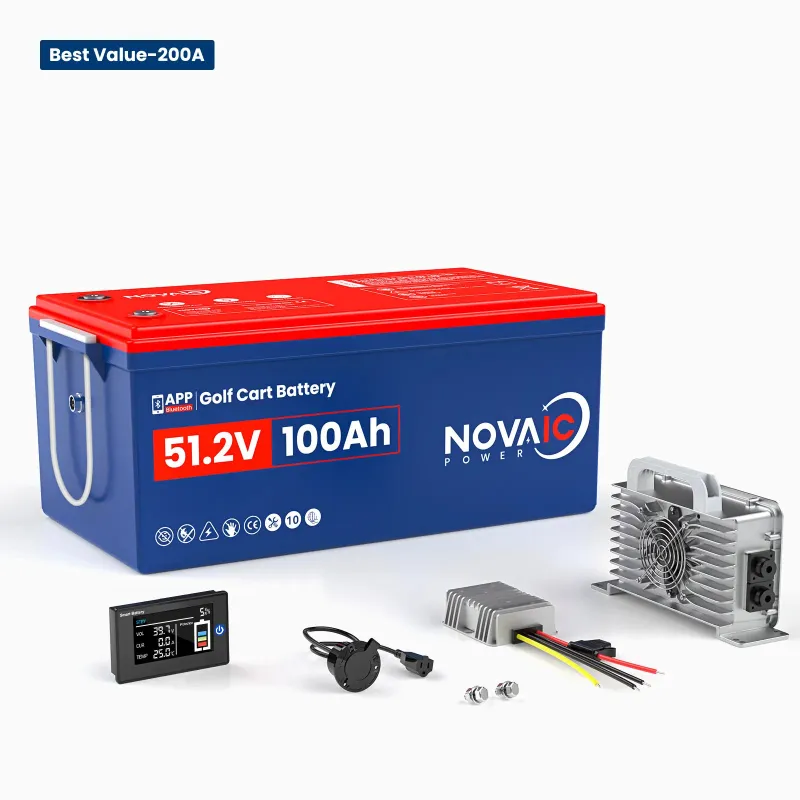
Most factory golf carts ship with 48V systems, and unless you specifically need higher speeds or tackle steep terrain regularly, a quality 48v golf cart batteries setup delivers everything a typical owner needs. That said, 72V conversions have become more accessible as lithium options like the 72 volt lithium golf cart battery enter the market at competitive prices.
When 48V Golf Cart Batteries Are the Right Choice
A 48V system suits most recreational riders, neighborhood commuters, and course users who prioritize reliability and lower upfront investment. Here’s when to stick with 48V:
- Your cart was designed for 48V and converting to 72V would require motor, controller, and wiring upgrades
- Top speed of 20 to 25 mph is sufficient for your roads or trails
- Flat to moderate terrain makes up most of your routes
- You want the widest selection of replacement batteries, chargers, and accessories
- Budget matters and you want to maximize value per dollar
If you already own a 48V cart, upgrading to lithium within that voltage class often makes more financial sense than a full 72V conversion. You can grab the code for 3% off to make lithium even more affordable.
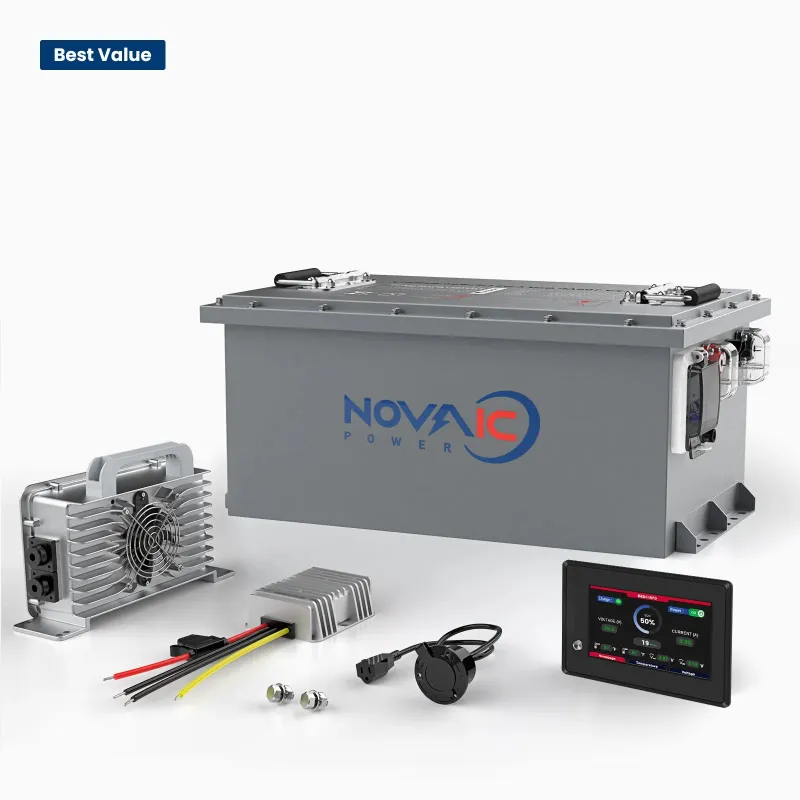
Lithium 48V packs like the 48v 105ah deep cycle lifepo4 battery weigh 60% less than lead acid equivalents, giving you better acceleration and hill-climbing without changing voltage. For Club Car owners specifically, club car batteries 48 volt options are plentiful and drop-in compatible.
When to Upgrade to a 72V Golf Cart Battery
A 72v golf cart battery system unlocks higher top speeds, better hill performance, and improved acceleration, but it’s not plug-and-play. Consider 72V if:
- You need speeds above 25 mph for longer road trips or keeping up with traffic
- Steep hills dominate your neighborhood or course
- Your cart’s motor and controller already support 72V or you’re willing to upgrade those components
- You’re building or heavily modifying a custom cart and starting from scratch
The 72 volt golf cart battery requires a compatible motor (typically 3.5 HP or higher rated for 72V), a 72V-compatible controller, and a matching charger. Installing a 72V pack in a 48V cart without these upgrades will damage components and void warranties. Factor in $800 to $1,500 for motor and controller upgrades on top of battery cost.
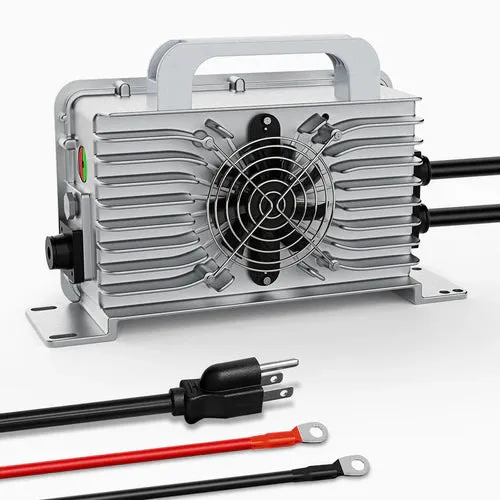
A 72 volt lithium golf cart battery also demands a specialized charger; standard 48V chargers won’t work and can create fire hazards. You’ll need a 48v golf cart battery charger if you stay at 48V, or a dedicated 72V charger if you move up in voltage.
Comparing 48V vs 72V: Key Differences
| Feature | 48V System | 72V System |
|---|---|---|
| Top Speed | 20 to 25 mph | 30 to 35 mph |
| Compatibility | Most carts, drop-in | Requires motor/controller upgrade |
| Upfront Cost | Lower (battery only) | Higher (battery + components) |
| Charger Availability | Universal, many options | Fewer, must match voltage |
| Efficiency on Flats | Excellent | Similar, slight edge to 48V |
| Hill Performance | Good for moderate grades | Noticeably better on steep climbs |
Both voltages benefit equally from lithium chemistry. Whether you choose 48V or 72V, switching from lead acid to lithium (LiFePO4) cuts weight, triples cycle life, and eliminates voltage sag as the battery drains. The novaic lithium battery line covers both voltages with built-in battery management systems that prevent overcharge and deep discharge damage.
Lithium vs Lead Acid Within Your Chosen Voltage
Once you’ve settled on 48V or 72V, the next decision is chemistry. Lithium golf cart batteries cost two to three times more upfront but last three to five times longer, meaning lower cost per mile over the battery’s life.
Best 48v lithium battery for golf cart applications includes models that pair capacity (measured in amp-hours) with your typical range. A 105Ah lithium pack generally matches or exceeds the usable energy of a 225Ah lead acid bank because lithium tolerates deeper discharge without damage. Lead acid degrades quickly if drained below 50%, while lithium remains healthy down to 20% state of charge.
If you’re converting from lead acid, a lithium golf cart batteries 48v conversion kit typically includes the battery, a matching charger, and mounting hardware. Some kits add a 48s battery management module for cell balancing, though quality packs integrate this internally.
Pairing your new pack with a 48v lithium golf cart battery with charger bundle saves the guesswork of matching charge profiles. Lithium requires a charger that terminates at the correct voltage (typically 58.4V for a 48V LiFePO4 pack) and avoids the equalization stages lead acid chargers use.
How to Decide: Match Voltage to Your Real-World Needs
Start by auditing how you actually use your cart. Track your typical distance per trip, note the steepest hill you climb, and time whether your current cart keeps pace with traffic or feels sluggish.
Stick with 48V if your current performance is adequate and you want to reduce weight, extend range, or improve reliability by moving to lithium within the existing architecture. Upgrading to a quality lithium 48v golf cart batteries lithium pack often feels like a 30% power boost simply because lithium maintains voltage under load where lead acid sags.
Move to 72V if you consistently wish for more speed, struggle with hills, or plan to use your cart on roads where 20 mph feels unsafe. Budget for the full system upgrade and verify your cart’s frame and brakes can handle the higher speeds. Some homeowners’ associations and local regulations cap golf cart speeds, so check local rules before investing in a 72V conversion that you can’t legally use at full capability.
For most owners, the best 48v golf cart batteries deliver the sweet spot of performance, compatibility, and cost. You can always upgrade voltage later if your needs change, but starting with a robust 48V lithium system gives you years of reliable service and the flexibility to sell or trade your cart without the complications a custom 72V conversion introduces.
Where to Buy and Save on Your Next Battery
Novaic’s points program stacks additional savings for repeat buyers, making multi-battery purchases or future upgrades more affordable.
Avoid generic marketplaces where counterfeit cells and missing safety certifications are common. Stick with brands that publish cell chemistry, cycle ratings, and warranty terms. Whether you choose 48V or 72V, investing in a quality pack from a transparent manufacturer protects both your cart and your investment.
Questions
Can I install a 72V battery in my 48V golf cart without modifications?
No. A 72V battery requires a compatible motor, controller, and charger. Installing 72V in a 48V system will damage components and create serious safety risks. Upgrade all electrical components or stick with 48V.
How long do lithium 48v golf cart batteries last compared to lead acid?
Lithium batteries typically deliver 3,000 to 5,000 cycles versus 500 to 1,000 for lead acid. In real-world use, that translates to 8 to 10 years for lithium and 2 to 4 years for lead acid under similar conditions.
Will a 72V system give me better range than 48V?
Not necessarily. Range depends on total energy capacity (voltage × amp-hours), not voltage alone. A 48V 105Ah pack holds similar energy to a 72V 70Ah pack. Higher voltage improves speed and torque, not necessarily range.
Do I need a special charger for lithium golf cart batteries?
Yes. Lithium batteries require chargers with a specific voltage cutoff and no equalization stage. Always use a charger designed for lithium chemistry and matched to your system's voltage, whether 48V or 72V.
What is the best 48v lithium battery for golf cart use on hilly terrain?
Look for a LiFePO4 pack with at least 100Ah capacity and a high continuous discharge rating (1C or higher). Models like the 48V 105Ah deep cycle LiFePO4 battery handle steep grades well within a 48V system.
Are Club Car batteries different from other 48 volt golf cart batteries?
Club Car uses the same 48V standard as EZGO and Yamaha, but check physical dimensions and terminal placement. Many aftermarket batteries are universal fit, but always verify mounting brackets and cable length before buying.
Products in this guide
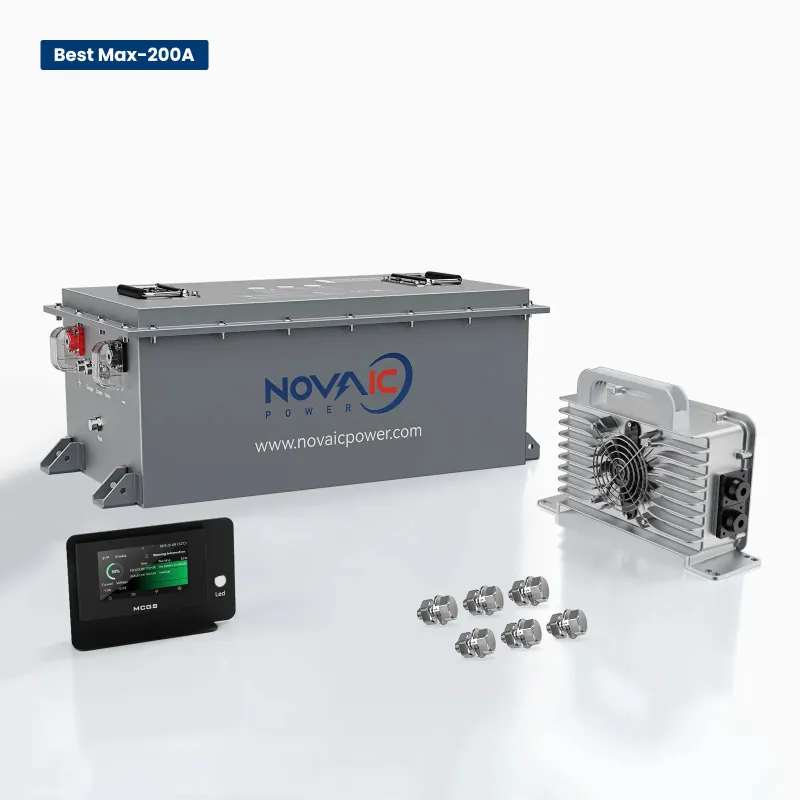 Shopping at Novaic points? See the discount code
3% OFF All Orders
Shopping at Novaic points? See the discount code
3% OFF All Orders